Introduction
Understanding the nuances of electrocardiogram (ECG) readings is crucial for accurate cardiac assessments. However, many healthcare professionals face challenges due to ECG artifacts - disturbances that obscure the true signals from the heart. This guide explores the steps necessary to identify and mitigate these artifacts, equipping practitioners with the knowledge to enhance diagnostic precision.
How can healthcare professionals ensure that their ECG interpretations are reliable? What innovative technologies are available to support this critical aspect of patient care? The MaxYield™ platform offers features designed to improve ECG analysis, providing significant advantages for healthcare professionals. By leveraging advanced algorithms, MaxYield™ enhances the clarity of ECG readings, allowing for more accurate diagnoses.
Incorporating this technology not only streamlines the analysis process but also supports better patient outcomes. With MaxYield™, practitioners can confidently interpret ECG data, reducing the likelihood of misdiagnosis and improving overall patient care.
Understand ECG Artifacts: Definition and Impact on Readings
refer to changes in the electrocardiogram that do not stem from the heart's electrical activity. These disturbances can arise from various sources, such as patient movement, electrical interference, and improper electrode placement. Understanding these factors is crucial, as they can lead to misdiagnoses or inappropriate clinical decisions. For instance, electrical interference can produce erroneous readings that complicate interpretation. Research indicates that approximately 7.6% of ECG recordings are non-analyzable due to significant artifacts, highlighting the prevalence of these issues.
A recent study of 905 ECGs revealed that 78% resulted in similar interpretations between emergency physicians and cardiologists, underscoring the necessity for accurate assessments. Identifying the types and sources of anomalies is the first step toward ensuring precise ECG analysis. Cardiologists emphasize the importance of healthcare professionals being well-versed in recognizing these anomalies to prevent misinterpretation and enhance diagnostic accuracy.
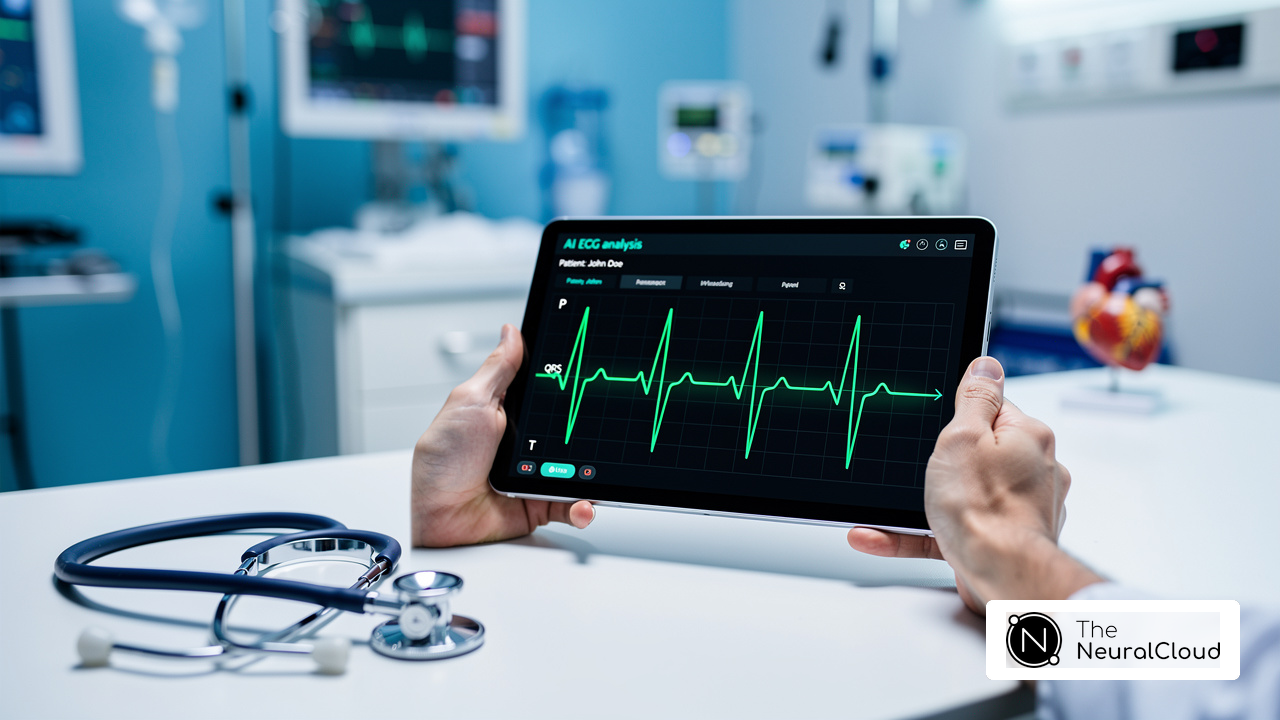
The solution from Neural Cloud Solutions addresses these challenges through advanced technology, including P, QRS, and T Wave highlighting, alongside automated analysis. This technology enhances clarity and efficiency in ECG analysis. By streamlining workflows and automating repetitive tasks, MaxYield™ mitigates the impact of artifacts, allowing healthcare professionals to rely on clean, accurate data for improved diagnostic outcomes.
Features of MaxYield™:
- advanced techniques
- P, QRS, and T Wave highlighting
Advantages for Healthcare Professionals:
- Reduced misinterpretation risks
- Improved workflow efficiency
In conclusion, the platform not only simplifies ECG analysis but also empowers healthcare professionals with reliable data, ultimately leading to better patient care.
Identify Common Types of ECG Artifacts: A Step-by-Step Guide
Challenges in ECG monitoring
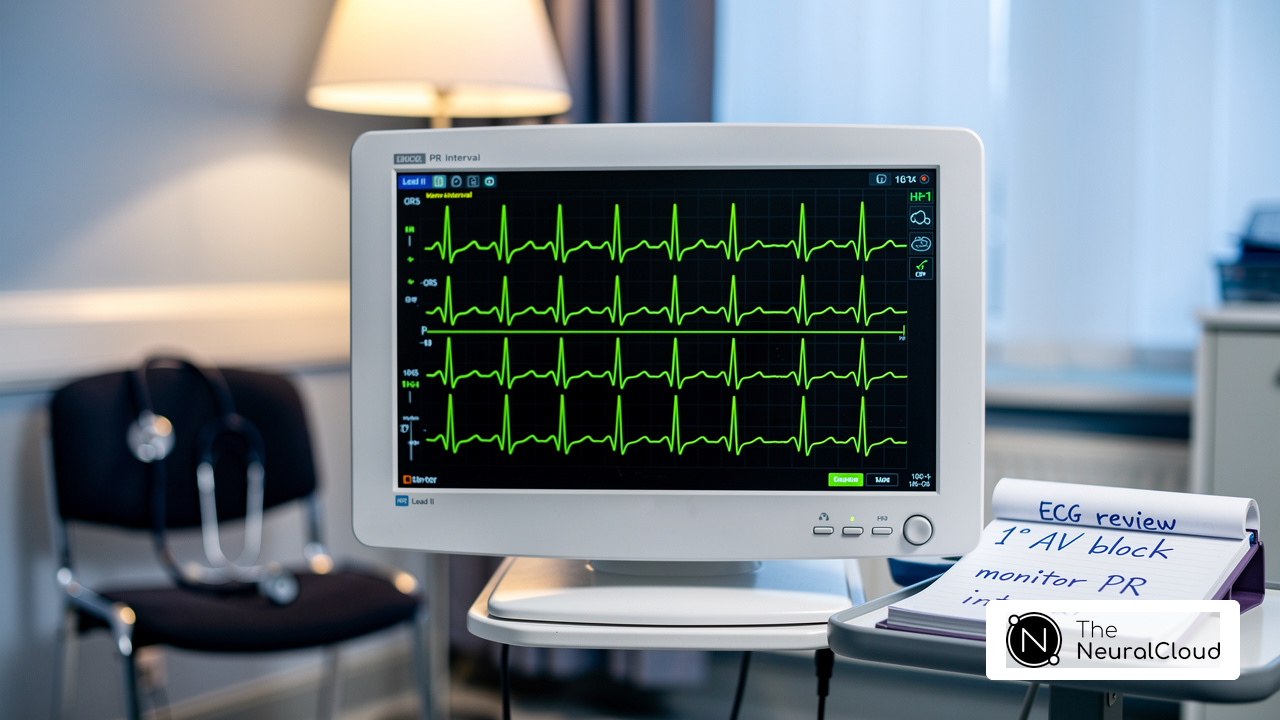
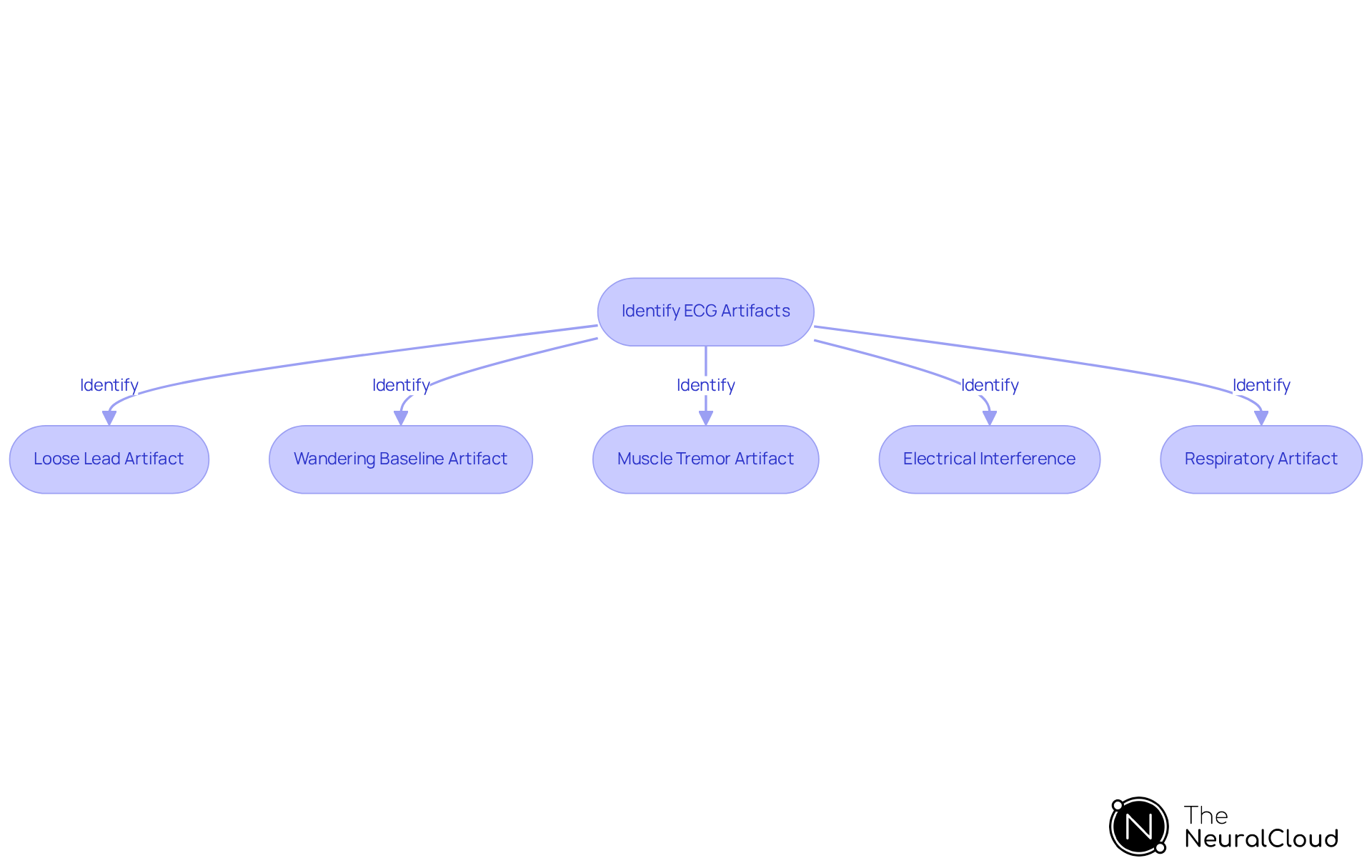
ECG monitoring can present several challenges that may affect the accuracy of interpretations. Common issues include loose leads, wandering baselines, muscle tremors, and respiratory artifacts. These factors can lead to misleading results, making it crucial for healthcare professionals to address them effectively.
Features of the MaxYield™ platform
- Lead Connectivity Monitor: The platform helps identify loose or disconnected leads that can cause baseline wandering or spikes in the ECG trace. It provides real-time feedback on lead connectivity, ensuring all leads are securely attached.
- Baseline Adjustment Tool: This platform employs algorithms to detect and adjust for baseline shifts caused by patient movement or improper electrode placement. By repositioning electrodes as needed, clinicians can improve the clarity of the output.
- Muscle Tremor Artifact: MaxYield™ utilizes AI technology to filter out irregular spikes that may indicate muscle tremors, often caused by anxiety or discomfort. Encouraging patients to relax and minimize movement can enhance the accuracy of ECG interpretation.
- Interference Detection: The platform examines transmission for interference patterns, identifying consistent noise that may suggest interference from nearby devices. Proper grounding of the ECG machine and minimizing electronic device interference are essential for data quality.
- Respiratory Artifact: MaxYield™ monitors changes in the ECG trace that correlate with the patient's breathing. By ensuring the patient is comfortable and minimizing movement during recording, the platform can provide a clearer ECG signal.
Advantages for healthcare providers
By systematically addressing these typical elements and utilizing Neural Cloud Solutions' technology, healthcare providers can significantly enhance the precision and effectiveness of their ECG interpretations. The platform not only improves the accuracy of readings but also streamlines the analysis process, ultimately benefiting patient care.
Mitigate ECG Artifacts: Techniques and Tools for Clearer Readings
- Proper Skin Preparation: It's vital to thoroughly clean and dry the skin before placing electrodes. Using an abrasive pad can improve adhesion and comfort, which is essential for accurate readings. Leading cardiologists emphasize that skin preparation is key to achieving and ensuring reliable ECG results.
- Electrode Selection: Selecting high-quality electrodes specifically designed to reduce motion distortions is crucial. The compatibility of these electrodes with the ECG machine plays a significant role; poor quality can lead to inaccurate readings. Studies indicate that using top-notch electrodes enhances signal clarity and reduces distortions.
- Patient Positioning: Positioning the patient comfortably is important to limit movement during the recording. Encourage the patient to remain still throughout the procedure, as even slight movements can introduce an artifact heart rhythm that complicates interpretation.
- Minimize Electrical Interference: To minimize electrical interference, turn off nearby electronic devices and ensure the ECG machine is properly grounded. This step is critical, as sources of 60 Hz interference, like fluorescent lights, can severely impact the quality of the ECG waveform.
- Use of Filters: Use filters on the ECG machine to enhance signal quality, but do so judiciously. Adjust the settings to optimize the frequency range for the specific type of ECG being performed. However, filters should be a last resort; addressing the source of artifacts through proper preparation is always the preferred approach.
By implementing these strategies, healthcare professionals can significantly improve the accuracy and reliability of ECG readings, ultimately leading to better patient outcomes.

Leverage Advanced Technology: Integrating AI Solutions for Artifact Management
AI-driven signal processing has revolutionized healthcare by employing advanced algorithms that automatically detect and eliminate distortions from ECG signals, such as muscle contractions, movement, and external electrical interference. These algorithms are trained on extensive datasets, which enhances their accuracy over time-an essential factor for reliable diagnostics.
AI solutions play a crucial role in providing immediate feedback on ECG quality. This capability enables clinicians to address anomalies as they occur, ensuring that the data collected is as accurate as possible. Research indicates that such systems significantly improve the quality of ECG recordings, leading to enhanced diagnostic outcomes.
Automated analysis through technology further streamlines the ECG interpretation process. These platforms can scrutinize ECG data and highlight potential inconsistencies, allowing healthcare professionals to concentrate on critical findings without being misled by interference. For example, studies have shown that automation can substantially reduce errors, thereby improving the efficiency of emergency responses.
Continuous learning models are another vital aspect of modern healthcare technology. These systems adapt and improve based on new data, ensuring that algorithms evolve alongside technological advancements. This adaptability is essential for maintaining high standards of diagnostic accuracy in a rapidly changing healthcare environment.
Finally, integration with existing clinical workflows is crucial. By ensuring that these technologies fit seamlessly into established practices, healthcare professionals can boost efficiency without disrupting their routine operations. This integration not only optimizes resource allocation but also improves patient care.
Conclusion
Understanding and managing ECG artifacts is crucial for accurate cardiac assessments and enhancing patient care. The challenges in ECG analysis often stem from various disturbances that can significantly impact diagnostic outcomes. By utilizing advanced technology like the MaxYield™ platform, healthcare professionals can improve the clarity of ECG readings, thereby reducing the risk of misinterpretation.
The MaxYield™ platform offers several key features that address common ECG artifacts, including:
- Loose leads
- Muscle tremors
- Electrical interference
These features enable healthcare professionals to implement practical techniques for mitigation. Proper skin preparation, quality electrode selection, and effective patient positioning are essential steps highlighted for achieving clearer ECG results. Furthermore, the integration of AI-driven solutions streamlines the analysis process, allowing professionals to focus on vital findings without being misled by artifacts.
In a landscape where accurate diagnostics are paramount, leveraging technology and adhering to best practices in ECG analysis can significantly enhance patient outcomes. By proactively identifying and mitigating ECG artifacts, healthcare professionals not only improve their diagnostic capabilities but also contribute to a higher standard of care. Embracing these advancements is essential for the ongoing evolution of cardiac healthcare.
Frequently Asked Questions
What are ECG disturbances?
ECG disturbances are changes in the electrocardiogram that do not originate from the heart's electrical activity. They can be caused by factors such as patient movement, electrical interference, and improper electrode placement.
Why is it important to understand ECG artifacts?
Understanding ECG artifacts is crucial because they can obscure genuine cardiac signals, potentially leading to misdiagnoses or inappropriate clinical decisions. For example, motion distortions may mimic arrhythmias, and electrical interference can produce erroneous readings.
What percentage of ECG recordings are non-analyzable due to artifacts?
Research indicates that approximately 7.6% of ECG recordings are non-analyzable due to significant non-physiological interferences.
What did a study of 905 ECGs reveal about interpretations between physicians?
The study revealed that 78% of ECGs resulted in similar interpretations between emergency physicians and cardiologists, highlighting the necessity for accurate interpretation.
What is the first step toward ensuring precise ECG analysis?
Identifying the types and sources of anomalies is the first step toward ensuring precise ECG analysis.
How does the MaxYield™ platform help with ECG analysis?
The MaxYield™ platform addresses ECG artifact challenges through advanced noise filtering, including P, QRS, and T Wave highlighting, along with automated data processing to enhance clarity and efficiency in ECG analysis.
What are the features of the MaxYield™ platform?
The features of MaxYield™ include advanced noise filtering techniques, P, QRS, and T Wave highlighting, and automated data processing.
What advantages does MaxYield™ provide for healthcare professionals?
MaxYield™ offers enhanced clarity in ECG readings, reduced risks of misinterpretation, and improved workflow efficiency for healthcare professionals.
How does MaxYield™ impact patient care?
By simplifying ECG analysis and providing reliable data, MaxYield™ ultimately leads to better patient care through improved diagnostic outcomes.
List of Sources
- Understand ECG Artifacts: Definition and Impact on Readings
- Guide to Understanding ECG Artifact | ACLS Training Blog (https://aclsmedicaltraining.com/blog/guide-to-understanding-ecg-artifact)
- link.springer.com (https://link.springer.com/article/10.1186/s12909-023-04670-x)
- researchgate.net (https://researchgate.net/publication/395223060_Enhancing_the_Reliability_of_Resting_ECGs_via_Deep_Learning-Driven_Motion_Artifact_Detection)
- array.aami.org (https://array.aami.org/doi/full/10.2345/0899-8205-45.2.155)
- pmc.ncbi.nlm.nih.gov (https://pmc.ncbi.nlm.nih.gov/articles/PMC12330957)
- Mitigate ECG Artifacts: Techniques and Tools for Clearer Readings
- gehealthcare.co.uk (https://gehealthcare.co.uk/insights/article/a-guide-to-ecg-signal-filtering)
- Guide to Understanding ECG Artifact | ACLS Training Blog (https://aclsmedicaltraining.com/blog/guide-to-understanding-ecg-artifact)
- med-linket-corp.com (https://med-linket-corp.com/blogs/news/ecg-artifact-troubleshooting?srsltid=AfmBOoo-YKm54aE-qB6ujrkYSxBxI0ouMBUWxFrW7uUiOnjZbSa79ik7)
- Reducing ECG artifact (https://numed.co.uk/news/reducing-ecg-artifact)
- lifesync.com (https://lifesync.com/blogs/blog/reducing-artifacts-in-electrocardiography?srsltid=AfmBOoq945TAJXWViPCuzcIl40r8Fv7kuoJidaAgO7E0fnTffGf8j6gu)
- Leverage Advanced Technology: Integrating AI Solutions for Artifact Management
- AI-Based ECG Analysis Significantly Improves STEMI Detection, Reduces False Activations - American College of Cardiology (https://acc.org/latest-in-cardiology/articles/2025/10/24/16/56/tues-554pm-ai-tct-2025)
- Queen of Hearts AI Hits 92% STEMI Accuracy (https://powerfulmedical.com/blog/pmcardio-reports-positive-rct-results-and-late-breaking-clinical-science-for-stemi-detection)
- AI dramatically improves the detection of severe heart attacks (https://cardiovascularbusiness.com/topics/artificial-intelligence/ai-dramatically-improves-detection-severe-heart-attacks)
- AI-ECG Finds STEMI Faster, Cuts False-Positive Cath Lab Activations (https://tctmd.com/news/ai-ecg-finds-stemi-faster-cuts-false-positive-cath-lab-activations)
- New study finds AI model improves heart attack detection (https://health.ucdavis.edu/news/headlines/new-study-finds-ai-model-improves-heart-attack-detection/2025/11)