Introduction
Understanding the challenges of electrocardiography (ECG) is crucial for developers looking to improve cardiac care through technology. Mastering the basics of ECG interpretation allows developers to utilize innovative tools like MaxYield™. This platform streamlines analysis and enhances diagnostic accuracy, making it a valuable asset in the healthcare field. However, navigating the complexities of ECG data can be daunting.
How can developers ensure reliable results while tackling these challenges? This guide offers a step-by-step approach to mastering ECG interpretation, emphasizing key features and best practices that empower developers to elevate cardiac analysis.
Understand ECG Fundamentals
To master how to interpret ECG, developers must understand the fundamental principles of electrocardiography. An ECG captures the heart's electrical activity over time, producing a waveform that reflects its rhythm and conduction. However, issues can arise from various factors, including noise interference and improper lead placement.
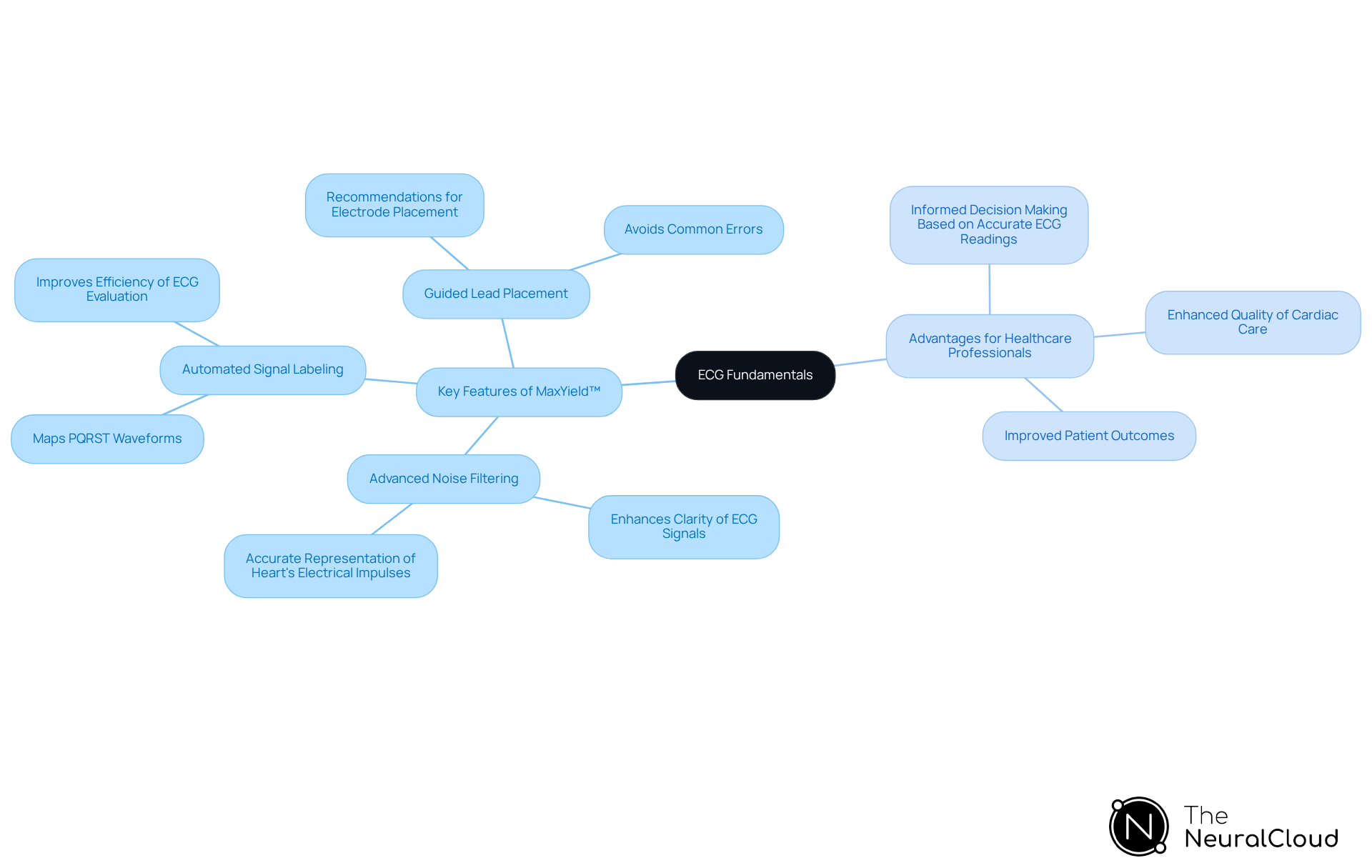
Key Features of MaxYield™:
- Accuracy: This feature ensures accurate readings even in challenging conditions. By leveraging advanced algorithms, developers can ensure that the heart's electrical impulses are accurately represented, which is crucial for understanding the heart's functionality and rhythm.
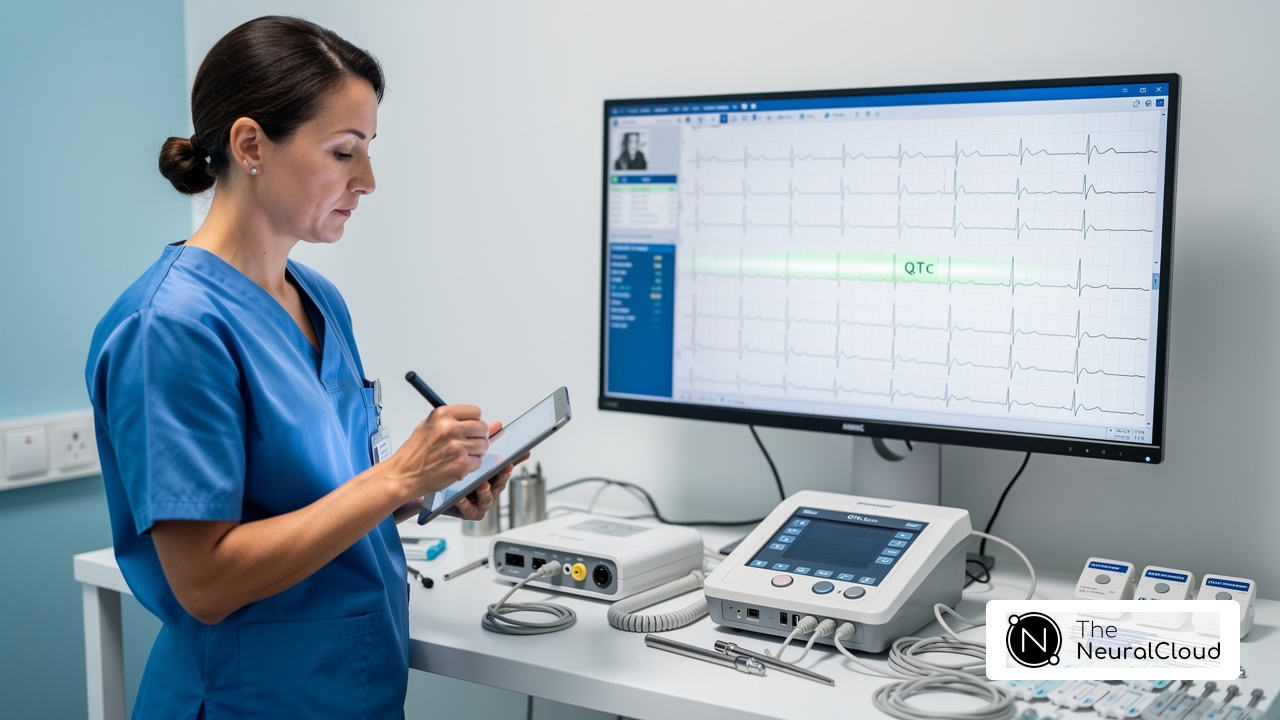
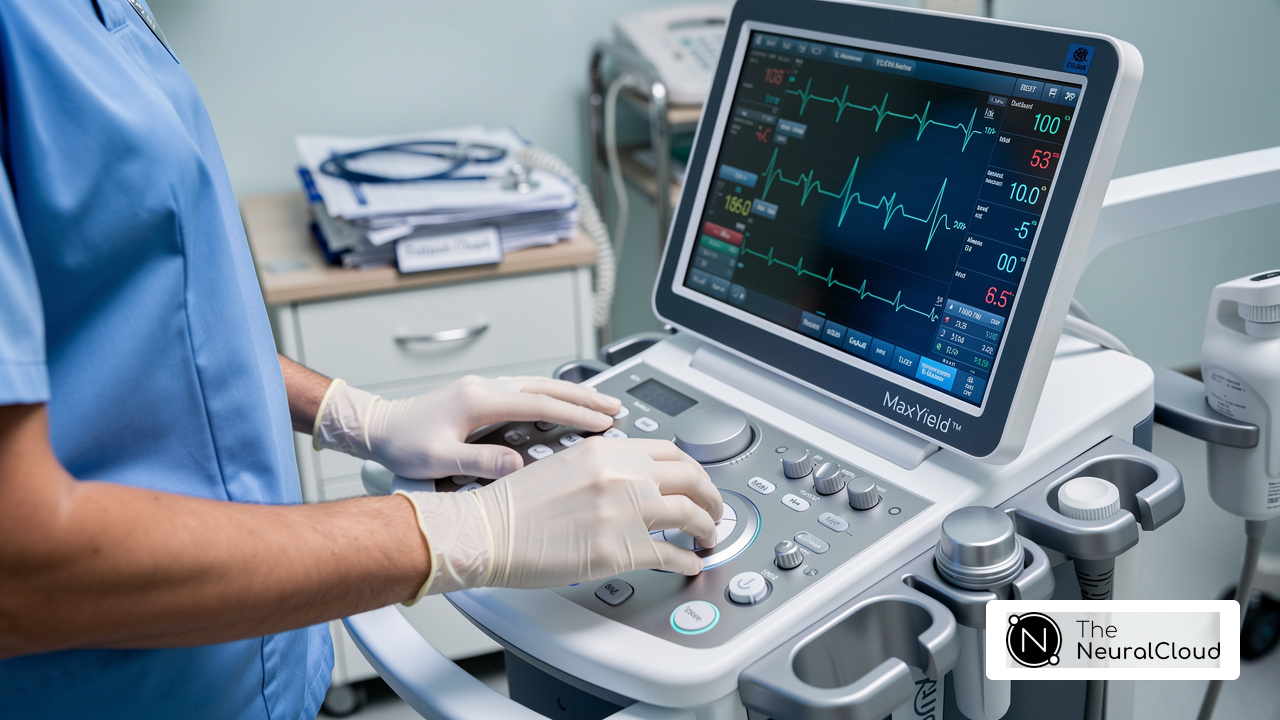
- Automation: MaxYield™ automates the labeling of ECG signals, precisely mapping the PQRST waveforms and offering wave durations and intervals. This automation significantly improves the efficiency of ECG analysis, allowing healthcare professionals to interpret ECG results rather than focus on manual data entry.
- Recommendations: The platform provides recommendations for lead placement, helping to avoid common errors that can lead to misinterpretation of critical features like the QRS complex. Adhering to recommended placements, such as the fourth intercostal space for chest leads, is vital for reliable data.
Advantages for Healthcare Professionals:
By mastering these fundamentals and utilizing the MaxYield™ platform, developers can navigate the complexities of ECG data processing and evaluation more effectively. This ultimately enhances the quality of patient care, allowing healthcare professionals to make informed decisions based on accurate and reliable ECG readings. With MaxYield™, the path to effective interpretation is clearer, making it an invaluable tool in the field.
Identify Key ECG Waveform Components
The ECG waveform consists of several critical components, each representing distinct phases of the heart's electrical activity. However, it can be challenging to interpret ECG due to complexity. With the integration of technology, developers can significantly improve accuracy through automation.
- P Wave: This signal signifies atrial depolarization, reflecting the contraction of the atria. Its normal amplitude is less than 2.5 mm in limb leads and less than 1.5 mm in precordial leads, with a duration typically under 120 milliseconds. Precise identification of the P component is essential, as it provides insights into atrial function and can indicate conditions such as atrial enlargement when abnormalities are present. MaxYield™ streamlines the tagging of this signal to interpret ECG, ensuring clarity in evaluation by offering onsets, offsets, and time-series intervals.
- QRS Complex: The QRS complex represents ventricular depolarization and is crucial for understanding the heart's pumping action. It is the most prominent feature of the ECG, with a normal duration ranging from 0.06 to 0.10 seconds. Prolonged QRS duration may suggest conduction abnormalities, such as bundle branch blocks. To interpret ECG effectively, accurate analysis is vital for diagnosing various cardiac conditions, including myocardial infarction. MaxYield™ enhances this process by delivering beat-by-beat analysis, allowing for rapid identification of abnormalities through detailed outputs.
- T Wave: This signal indicates ventricular repolarization, marking the recovery phase of the ventricles. The T wave is generally longer than the QRS complex, indicating the slower conduction of the repolarization impulse. Inverted T formations or prominent U formations may indicate underlying pathologies, making their precise interpretation essential for effective patient management. MaxYield™ ensures that T analysis is both automated and accurate, helping healthcare professionals to interpret ECG data effectively in their decision-making.
- U Wave: Although occasionally present, the U phenomenon's significance remains under investigation. It may relate to the repolarization of the papillary muscles and can provide additional insights into cardiac health when observed. MaxYield™ assists in identifying this wave, contributing to a more comprehensive understanding of cardiac health.
Developers should ensure their applications can interpret these components, as they are fundamental to understanding ECG. The capability to automate this process with technology enhances diagnostic accuracy and supports healthcare professionals in making informed decisions based on reliable cardiac insights.

Utilize MaxYield™ for Efficient ECG Analysis
The challenges of ECG analysis include the need to analyze data and provide insights. The platform addresses these issues through automation and machine learning, significantly enhancing the ability to interpret ECG results for healthcare professionals.
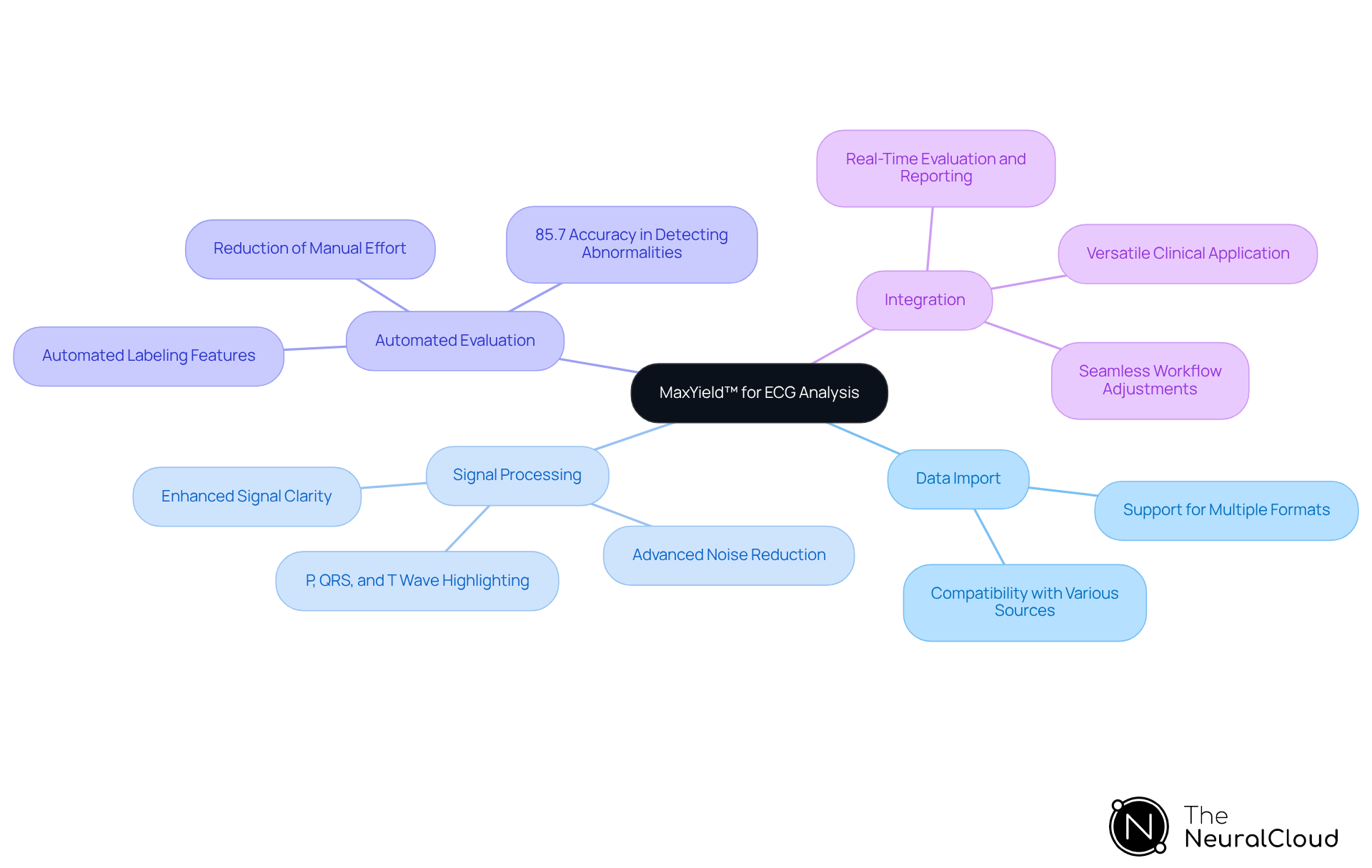
Features of MaxYield™:
- Data Import: The platform allows users to import data from various sources, such as wearable devices and traditional ECG machines. It supports multiple formats, ensuring compatibility across devices.
- Signal Processing: With advanced algorithms, including P, QRS, and T Wave highlighting, the platform enhances signal clarity. This step is crucial for the ability to interpret ECG waveforms precisely, streamlining workflows and ensuring consistently clear ECG waves.
- Automated Evaluation: The software's algorithms identify key elements of the ECG waveform, significantly reducing manual effort and accelerating the evaluation process. AI algorithms have shown an impressive accuracy of 85.7% in detecting heart pumping function abnormalities, which highlights the platform's effectiveness in delivering clean, 'neuralized' signals and clear, beat-by-beat data to interpret ECG.
- Integration: The platform seamlessly connects with clinical applications for real-time evaluation and reporting, enhancing clinical decision-making. Its integration capabilities allow for smooth workflow adjustments, making it a versatile solution for any clinical environment.
By leveraging these features, developers can maximize the potential of the platform in applications that interpret ECG. This ultimately leads to improved patient outcomes and workflow efficiency. As industry specialists note, "improving accuracy, detecting anomalies, and incorporating various data modalities," underscoring the transformative potential of platforms like MaxYield™.
Troubleshoot ECG Interpretation Challenges
Despite advancements in ECG evaluation technology, several challenges persist that can impact how we interpret ECG results. Here’s an overview of common issues and effective strategies to address them:
- External factors, such as electrical interference and patient movement, can introduce noise into the ECG signal. Proper techniques and thorough skin preparation are essential to minimize these artifacts. The introduction of single-use adhesive electrodes has significantly reduced movement-related artifacts, allowing for more reliable recordings.
- Incorrect lead placement is a frequent source of misinterpretation. Studies indicate that limb lead reversals are statistically more prevalent than chest lead reversals, with a documented prevalence of 1.5%. Regular verification of lead positions before evaluation is crucial to avoid diagnostic errors. Training should emphasize recognizing lead placements to enhance accuracy.
- Automated algorithms can sometimes overlook critical abnormalities, leading to erroneous diagnoses. Developers should be aware of these limitations and ensure that their models are regularly updated and trained with new data to improve accuracy. Incorporating lead reversal screening into ECG assessment algorithms can mitigate risks associated with improper ECG techniques.
Providing comprehensive training resources for users is vital for effectively interpreting ECG. This training should cover the recognition of common artifacts and the significance of proper lead placement. By enhancing users' understanding of ECG results, reliance on automated systems can be reduced, leading to more informed clinical decisions.
By proactively addressing these challenges, developers can significantly enhance the reliability of their ECG analysis applications, ultimately benefiting healthcare providers and patients alike.

Conclusion
Mastering ECG interpretation is crucial for developers focused on creating effective healthcare applications. Understanding the fundamental principles of electrocardiography and utilizing advanced platforms like MaxYield™ can significantly enhance the accuracy and efficiency of ECG analysis. This not only benefits developers but also leads to improved cardiac care and informed decision-making for healthcare professionals.
Key insights discussed in the article emphasize the importance of understanding the ECG waveform components - such as the P Wave, QRS Complex, T Wave, and U Wave - and their significance in diagnosing cardiac conditions. The article also highlights the advanced features of MaxYield™, including automated signal labeling, noise filtering, and guided lead placement. These features collectively streamline the ECG interpretation process. By addressing common challenges like signal artifacts and lead misplacement, developers can greatly improve the reliability of their ECG applications.
In conclusion, integrating tools like MaxYield™ into ECG interpretation not only enhances diagnostic precision but also empowers healthcare providers with reliable data for critical decision-making. As the demand for accurate cardiac analysis continues to rise, embracing these advanced technologies will be essential for developers. By prioritizing the mastery of ECG fundamentals and utilizing innovative platforms, the potential for improved patient outcomes in cardiac care becomes increasingly attainable.
Frequently Asked Questions
What is the purpose of an ECG?
An ECG captures the heart's electrical activity over time, producing a waveform that reflects its rhythm and conduction.
What challenges can arise in ECG analysis?
Challenges in ECG analysis can arise from factors such as noise interference and improper lead placement.
What is the Advanced Noise Filtering feature in MaxYield™?
The Advanced Noise Filtering feature enhances the clarity of ECG signals, ensuring that the heart's electrical impulses are accurately represented, even in challenging conditions.
How does Automated Signal Labeling in MaxYield™ improve ECG evaluation?
Automated Signal Labeling maps the PQRST waveforms and offers wave durations and intervals, significantly improving the efficiency of ECG evaluation by allowing healthcare professionals to focus on interpreting results rather than manual data entry.
What is the importance of Guided Lead Placement in ECG?
Guided Lead Placement provides recommendations for proper electrode placement, helping to avoid common errors that can lead to misinterpretation of critical features like the QRS complex.
How does mastering ECG fundamentals and using MaxYield™ benefit healthcare professionals?
By mastering ECG fundamentals and utilizing the MaxYield™ platform, healthcare professionals can navigate the complexities of ECG data processing more effectively, enhancing the quality of cardiac care and enabling informed decisions based on accurate readings.
List of Sources
- Understand ECG Fundamentals
- Normal Electrocardiography (ECG) Intervals: Normal Electrocardiography Intervals (https://emedicine.medscape.com/article/2172196-overview)
- hcplive.com (https://hcplive.com/view/fda-clears-ai-program-powering-kardia-12l-electrogram-for-5-new-cardiac-determinations)
- AI-Powered ECG Analysis Offers Promising Path for Early Detection of Chronic Obstructive Pulmonary Disease, Say Mount Sinai Researchers (https://mountsinai.org/about/newsroom/2026/ai-powered-ecg-analysis-offers-promising-path-for-early-detection-of-chronic-obstructive-pulmonary-disease-say-mount-sinai-researchers)
- gehealthcare.com (https://gehealthcare.com/insights/article/the-power-of-correct-placement-for-ecg-leadwires?srsltid=AfmBOoqxmHxzvkPLSZAo0Now_Q0vSnbEqI_xkUubrrtcYA-Rpg0R9o3t)
- Identify Key ECG Waveform Components
- AI-Powered ECG Analysis Offers Promising Path for Early Detection of Chronic Obstructive Pulmonary Disease, Say Mount Sinai Researchers (https://mountsinai.org/about/newsroom/2026/ai-powered-ecg-analysis-offers-promising-path-for-early-detection-of-chronic-obstructive-pulmonary-disease-say-mount-sinai-researchers)
- CV Physiology | Electrocardiogram (EKG, ECG) (https://cvphysiology.com/arrhythmias/a009)
- AI-powered ECG analysis shows promise for early COPD detection (https://medicalxpress.com/news/2026-01-ai-powered-ecg-analysis-early.html)
- Electrocardiogram - StatPearls - NCBI Bookshelf (https://ncbi.nlm.nih.gov/books/NBK549803)
- litfl.com (https://litfl.com/p-wave-ecg-library)
- Utilize MaxYield™ for Efficient ECG Analysis
- Investigating the Efficacy of AI-Powered Innovations in ECG Analysis and Continuous Heart Monitoring: A Comprehensive Narrative Review - PMC (https://pmc.ncbi.nlm.nih.gov/articles/PMC12419789)
- AI-Enabled ECG Analysis Improves Diagnostic Accuracy and Reduces False STEMI Activations: A Multicenter U.S. Registry | PMcardio: AI-Powered ECG Interpretation | Powerful Medical (https://powerfulmedical.com/research/ai-enabled-ecg-analysis-improves-diagnostic-accuracy-and-reduces-false-stemi-activations-a-multicenter-u-s-registry)
- AI-Based ECG Analysis Significantly Improves STEMI Detection, Reduces False Activations - American College of Cardiology (https://acc.org/latest-in-cardiology/articles/2025/10/24/16/56/tues-554pm-ai-tct-2025)
- Performance of an artificial intelligence-powered smartphone application in the UK clinical settings: ECG automation compared to healthcare professionals - PMC (https://pmc.ncbi.nlm.nih.gov/articles/PMC12532542)
- AIML Subsidiary NeuralCloud Solutions Commencing Pilot with Canadian Cardiology Clinic to Advance AI-Powered ECG Reporting (https://biospace.com/press-releases/aiml-subsidiary-neuralcloud-solutions-commencing-pilot-with-canadian-cardiology-clinic-to-advance-ai-powered-ecg-reporting)
- Troubleshoot ECG Interpretation Challenges
- Checking your browser - reCAPTCHA (https://pmc.ncbi.nlm.nih.gov/articles/PMC6932211)
- pmc.ncbi.nlm.nih.gov (https://pmc.ncbi.nlm.nih.gov/articles/PMC12522010)
- theneuralcloud.com (https://theneuralcloud.com/post/10-key-artefact-ecg-issues-and-their-solutions)