Introduction
Understanding the complexities of an electrocardiogram (ECG) is crucial for healthcare professionals, as it provides insight into the heart's electrical activity. However, ECG analysis can be challenging due to the noise and intricacies present in the recordings. How can clinicians ensure they capture the most critical insights while minimizing errors? This is where advanced tools like MaxYield™ come into play, streamlining the interpretation process and enhancing diagnostic accuracy.
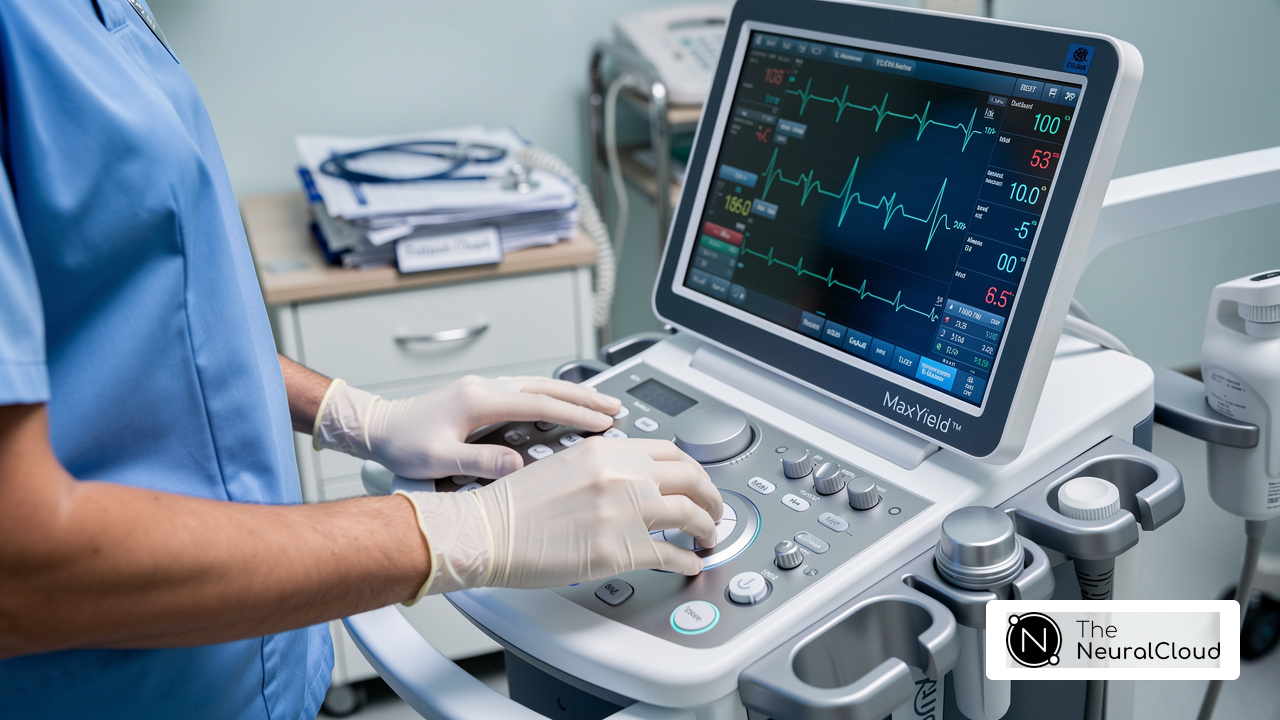
MaxYield™ offers several key features that significantly improve ECG analysis. It simplifies the reading process, allowing healthcare professionals to focus on the most relevant data. By leveraging cutting-edge technology, MaxYield™ reduces the likelihood of misinterpretation, ensuring that clinicians can make informed decisions based on accurate readings. The platform not only aids in analysis but also enhances overall patient care by providing clearer insights into cardiac health.
The advantages of using MaxYield™ are substantial. Healthcare professionals benefit from increased efficiency in ECG interpretation, leading to quicker diagnoses and improved patient outcomes. With its user-friendly interface and advanced analytical capabilities, MaxYield™ empowers clinicians to navigate the complexities of ECG readings with confidence. This article will explore a systematic approach to ECG interpretation, offering step-by-step techniques and emphasizing the benefits of utilizing MaxYield™ for optimal results.
Understand the Basics of ECGs
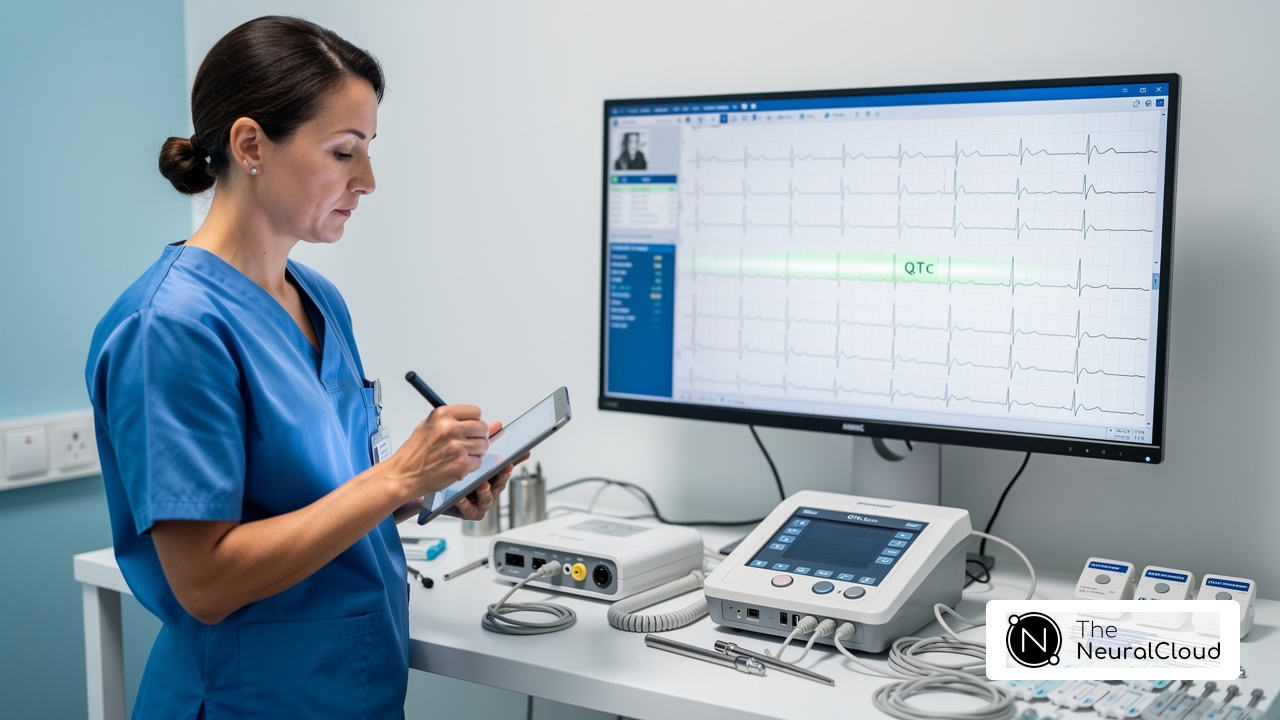
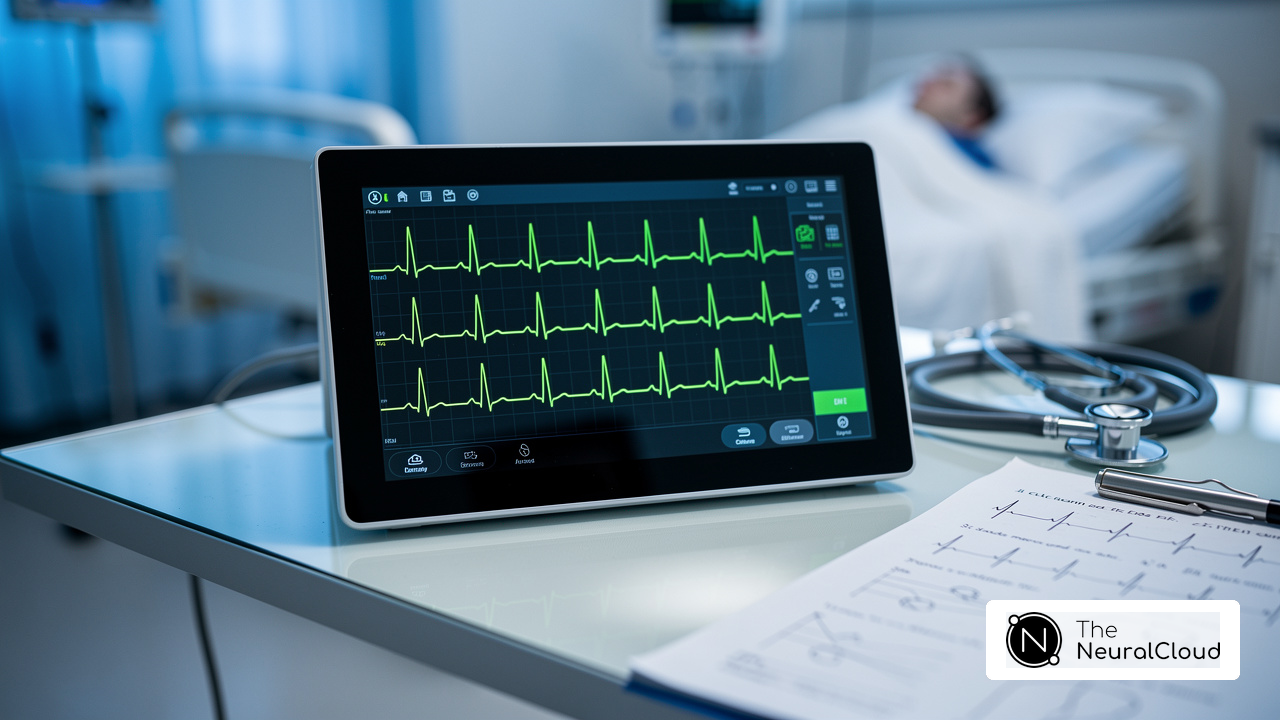
An electrocardiogram (ECG) is a crucial graphical representation of the heart's electrical activity over time, captured through electrodes placed on the skin. This technology is essential for healthcare professionals, as understanding its key components is vital for accurate diagnosis. However, knowing how to interpret ECGs can be challenging due to noise and artifacts in recordings. This is where advanced platforms like ECG analysis software come into play, significantly improving the quality of recordings by transforming noisy recordings into actionable insights.
Key Features of ECG analysis software:
- Noise Reduction: effectively filters out noise and artifacts, ensuring a clear signal for accurate assessments.
- Signal Isolation: The platform quickly isolates and tags the P wave, even in recordings with high noise levels, facilitating the analysis of atrial depolarization.
- Enhanced T Wave Assessment: Clinicians can efficiently assess T waves, providing insights into electrolyte imbalances or ischemic conditions.
These features lead to significant advantages for healthcare professionals. A well-defined ECG is vital for assessing heart function, and deviations can signal conditions such as bundle branch blocks or myocardial infarction. By enhancing the clarity of the ECG, the software allows for more accurate assessments, ultimately improving patient care. Furthermore, knowing how to read these components aids in identifying arrhythmias and heart rates, which is crucial for effective patient management.
Research indicates that approximately 70% of healthcare professionals are familiar with these ECG components, underscoring their importance in clinical practice. By mastering these elements and utilizing advanced tools, clinicians can make informed decisions that enhance patient outcomes. Real-world examples illustrate this significance: for instance, a patient with an abnormal P wave may require further investigation for atrial enlargement, while a patient with a wide QRS duration could indicate a bundle branch block. Understanding these nuances, along with the key components of ECGs, is essential for effective patient management.
Follow a Systematic Approach to ECG Interpretation
To interpret an ECG effectively, follow these systematic steps:
- Count the number of QRS complexes within a 10-second interval and multiply by 6 to calculate the beats per minute. This method provides a quick estimate of heart rate, which is crucial for evaluating cardiac function. Advanced technologies, like those employed in Neural Cloud Solutions' offerings, enhance this process, achieving improved accuracy in heart rate detection compared to traditional methods.
- Evaluate the Rhythm: Determine if the rhythm is regular or irregular by measuring the intervals between R peaks. Consistency in these intervals can indicate normal sinus rhythm, while irregularities may suggest arrhythmias. Clinicians should remain vigilant, as reliance on computerized interpretations can lead to misdiagnosis. The system's advanced algorithms continuously learn and adapt, improving diagnostic accuracy.
- Examine the P Waves: Determine the presence and shape of P waves to ensure they come before each QRS complex. Irregularities in P wave shape or absence can indicate atrial enlargement or other cardiac issues. AI can enhance the diagnostic utility of ECGs, providing insights that may not be immediately apparent. This system utilizes AI to improve interpretation.
- Assess the QRS Complex: Assess the width and shape of the QRS complex. A normal QRS duration is typically less than 120 milliseconds; wider complexes may suggest conduction delays or other pathologies. The integration of AI tools can streamline this analysis, allowing for quicker identification of abnormalities and enhancing clinical outcomes.
- Analyze the ST Segment: Look for elevation or depression in the ST segment and analyze T wave morphology for signs of ischemia or other conditions. Changes in these areas can be critical indicators of myocardial infarction or other cardiac events. Recent advancements in AI-driven technologies, particularly through innovative solutions, have shown promise in detecting these changes with high accuracy, achieving better outcomes in diverse populations.
By adhering to this structured approach, you can ensure a thorough and accurate interpretation of ECGs, which is essential for learning how to read ECGs, ultimately enhancing clinical decision-making and patient outcomes. The integration of Neural Cloud Solutions' platform can further streamline this process, significantly reducing the time taken for manual interpretation and improving efficiency.

Identify Key Components and Common Rhythms
Understanding common ECG rhythms is crucial for effective diagnosis and timely intervention, especially when leveraging technology like Neural Cloud Solutions' tools. Here are key rhythms and their characteristics:
- Normal Sinus Rhythm: This rhythm is regular, with a heart rate ranging from 60 to 100 beats per minute (bpm). It is defined by consistent P waves preceding each QRS complex, indicating proper atrial depolarization.
- Atrial Fibrillation: AFib presents as an irregularly irregular rhythm, lacking distinct P waves. This condition can lead to a rapid ventricular response, significantly increasing the risk of stroke and other complications. Projections indicate that by 2030, over 12 million people in the U.S. will have AFib, making recognition of this rhythm vital for effective management. As Dr. Laurence M. Epstein emphasizes, "It’s important for everyone to know that getting treatment early and using the right treatment approaches saves lives."
- Ventricular Tachycardia: VT is identified by a fast heart rate exceeding 100 bpm and wide QRS complexes. This rhythm can indicate a life-threatening emergency, necessitating immediate medical attention.
- Bradycardia: Defined as a heart rate below 60 bpm, common in athletes but can signal underlying pathology in others.
Familiarity with these rhythms enhances diagnostic capabilities, enabling healthcare professionals to act swiftly and effectively in clinical settings. Given that timely intervention is more relevant than ever.
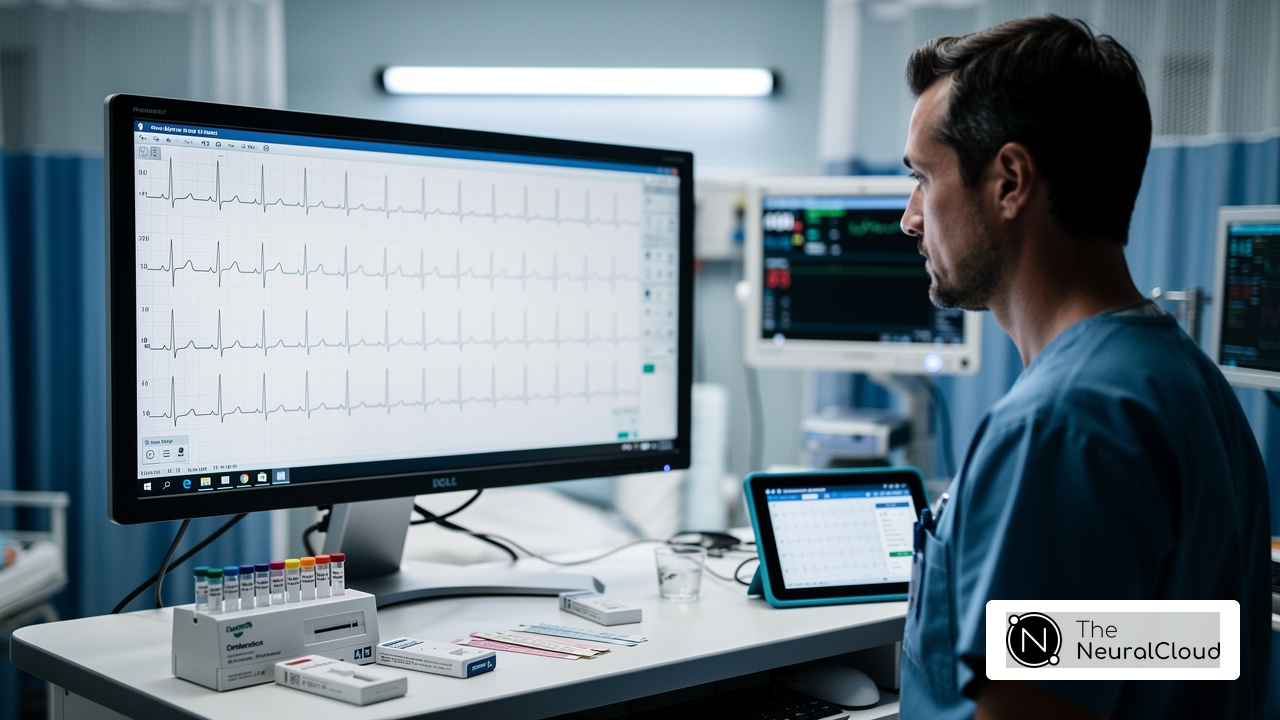
The technology streamlines the analysis process by automating ECG interpretation. It transforms lengthy and noisy ECG recordings into clear waveforms, enhancing the overall efficiency and accuracy of ECG interpretation. This not only saves time but also improves patient outcomes by allowing for quicker and more accurate diagnoses.

Leverage Advanced Tools for Enhanced ECG Analysis
are technologies, boosting both accuracy and efficiency. Key technologies include:
- Automated Solutions like Neural Cloud Solutions' software automate the identification and labeling of ECG features. This significantly reduces manual workload and improves efficiency. The software can process over 200,000 heartbeats in under five minutes, allowing clinicians to concentrate on critical decision-making rather than time-consuming tasks. The system employs gold standard noise filtering techniques and integrates a data wall, streamlining workflows and improving the clarity of ECG readings.
- Wearable technology facilitates continuous heart monitoring and immediate data transmission, enabling timely interventions. Research shows that these devices can detect arrhythmias with accuracy comparable to traditional methods, thereby improving patient safety and outcomes. For example, wearable devices have been successfully utilized in clinical trials to monitor participants over extended periods, enhancing adherence and reducing the burden of frequent clinic visits.
- Mobile applications offer instant feedback and analysis, empowering clinicians to make informed decisions swiftly. By integrating real-time data from patients, these apps enhance the overall quality of care.
Incorporating these tools into clinical practice streamlines processes and significantly enhances patient care. They enable early detection of cardiac events and optimize resource allocation. Furthermore, insights from health tech developers highlight the transformative impact of these technologies on patient management, underscoring their importance in modern healthcare.

Conclusion
Mastering the art of ECG reading is crucial for healthcare professionals. It enables accurate interpretation of the heart's electrical activity and timely diagnosis of potential conditions. However, ECG analysis can be challenging due to the complexity of heart rhythms and the need for precise interpretation. This is where advanced technologies like MaxYield™ come into play, enhancing the ECG reading process by providing clearer recordings and streamlining analysis.
MaxYield™ offers several key features that significantly improve ECG analysis:
- It delivers high-resolution recordings, which allow for better visualization of heart activity.
- Additionally, its user-friendly interface simplifies the analysis process, making it easier for healthcare professionals to interpret results quickly.
These features not only enhance the accuracy of diagnoses but also save valuable time in clinical settings.
The advantages of utilizing MaxYield™ are substantial. By leveraging this innovative platform, clinicians can improve their interpretation skills and enhance patient outcomes through timely and accurate diagnoses. This commitment to mastering ECG reading, combined with the use of advanced tools, leads to better heart health management and improved quality of care. As the healthcare landscape evolves, embracing such technologies is essential for delivering optimal patient care.
Frequently Asked Questions
What is an electrocardiogram (ECG)?
An electrocardiogram (ECG) is a graphical representation of the heart's electrical activity over time, captured through electrodes placed on the skin. It is essential for healthcare professionals for accurate interpretation and diagnosis.
Why is reading ECGs challenging?
Reading ECGs can be challenging due to noise and artifacts in the recordings, which can obscure the heart's electrical signals.
How does MaxYield™ improve ECG analysis?
MaxYield™ enhances ECG analysis by effectively filtering out noise and artifacts, isolating key components like the P wave, and improving the assessment of T wave characteristics.
What are the key features of MaxYield™?
The key features of MaxYield™ include noise filtering for clear QRS complexes, signal isolation for accurate P wave tagging, and enhanced T wave assessment for insights into electrolyte imbalances or ischemic conditions.
Why is a well-defined QRS complex important?
A well-defined QRS complex is vital for assessing heart function, as deviations can signal conditions such as bundle branch blocks or myocardial infarction.
How does understanding ECG components benefit healthcare professionals?
Understanding ECG components aids in identifying normal heart rhythms and rates, which is crucial for effective patient management and making informed clinical decisions.
What percentage of healthcare professionals are familiar with ECG components?
Approximately 70% of healthcare professionals are familiar with ECG components, highlighting their importance in clinical practice.
Can you provide examples of ECG abnormalities and their implications?
Yes, for instance, an abnormal P wave may indicate atrial enlargement, while a wide QRS complex could suggest a bundle branch block. Understanding these nuances is essential for effective patient management.
List of Sources
- Understand the Basics of ECGs
- AI-Powered ECG Analysis Offers Promising Path for Early Detection of Chronic Obstructive Pulmonary Disease, Say Mount Sinai Researchers (https://mountsinai.org/about/newsroom/2026/ai-powered-ecg-analysis-offers-promising-path-for-early-detection-of-chronic-obstructive-pulmonary-disease-say-mount-sinai-researchers)
- Wearable ECG Company Secures $14M in Funding (https://mddionline.com/cardiovascular/wearable-ecg-company-secures-14m-in-funding)
- eurekalert.org (https://eurekalert.org/news-releases/1106514)
- medicaldevice-network.com (https://medicaldevice-network.com/news/alivecor-fda-nod-kardia-system)
- Follow a Systematic Approach to ECG Interpretation
- 1st synthesized 12-lead ECG to launch in 2026 (https://beckershospitalreview.com/supply-chain/1st-synthesized-12-lead-ecg-to-launch-in-2026)
- powerfulmedical.com (https://powerfulmedical.com/blog/webinar-ecg-in-primary-care-a-new-era-of-ai-powered-interpretation)
- AI-powered ECG analysis shows promise for early COPD detection (https://medicalxpress.com/news/2026-01-ai-powered-ecg-analysis-early.html)
- mdpi.com (https://mdpi.com/2673-3846/2/4/505)
- Identify Key Components and Common Rhythms
- northwell.edu (https://northwell.edu/news/insights/afib-treatment-what-heart-doctors-need-you-to-know)
- escardio.org (https://escardio.org/news/press/press-releases/new-afnetehra-position-paper-calls-for-transformative-approach-to-atrial-fibrillation-care)
- New AFib diagnosis? Here’s some help to clear any confusion (https://heart.org/en/news/2025/09/23/new-afib-diagnosis-heres-some-help-to-clear-any-confusion)
- medicalxpress.com (https://medicalxpress.com/news/2025-02-global-surge-heart-rhythm-disorders.html)
- tctmd.com (https://tctmd.com/news/year-review-pulsed-field-ablation-again-tops-heart-rhythm-news)
- Leverage Advanced Tools for Enhanced ECG Analysis
- AI-Powered ECG Analysis Offers Promising Path for Early Detection of Chronic Obstructive Pulmonary Disease, Say Mount Sinai Researchers (https://mountsinai.org/about/newsroom/2026/ai-powered-ecg-analysis-offers-promising-path-for-early-detection-of-chronic-obstructive-pulmonary-disease-say-mount-sinai-researchers)
- cardiovascularbusiness.com (https://cardiovascularbusiness.com/topics/cardiac-imaging/electrocardiography-ecg/fda-clears-next-generation-platform-ai-enabled-ecg-evaluations)
- ECG Devices Market Size & Share, Growth Trends 2035 (https://researchnester.com/reports/ecg-devices-market/4241)
- The Future of Cardiac Safety: How Wearable ECGs Enhance Patient Monitoring in Drug Trials | Applied Clinical Trials Online (https://appliedclinicaltrialsonline.com/view/future-cardiac-safety-wearable-ecg-enhance-patient-monitoring)