Introduction
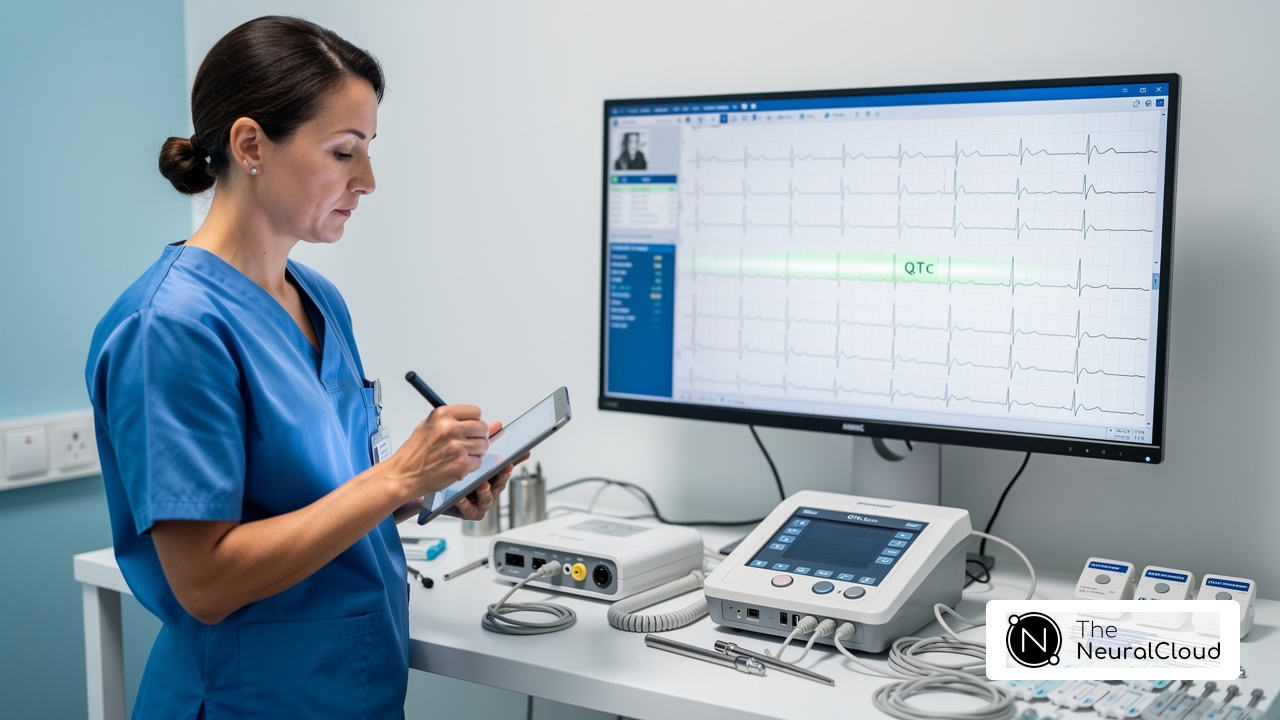
Mastering ECG rhythm identification is crucial for healthcare professionals dedicated to providing accurate cardiac care. Understanding rhythm regularity, calculating heart rates, and evaluating key ECG components are essential skills that can significantly improve diagnostic accuracy and patient outcomes. However, traditional methods often encounter challenges, including high manual workloads and the potential for errors. This is where advanced technologies like the MaxYield™ platform come into play, offering a promising solution to enhance ECG analysis.
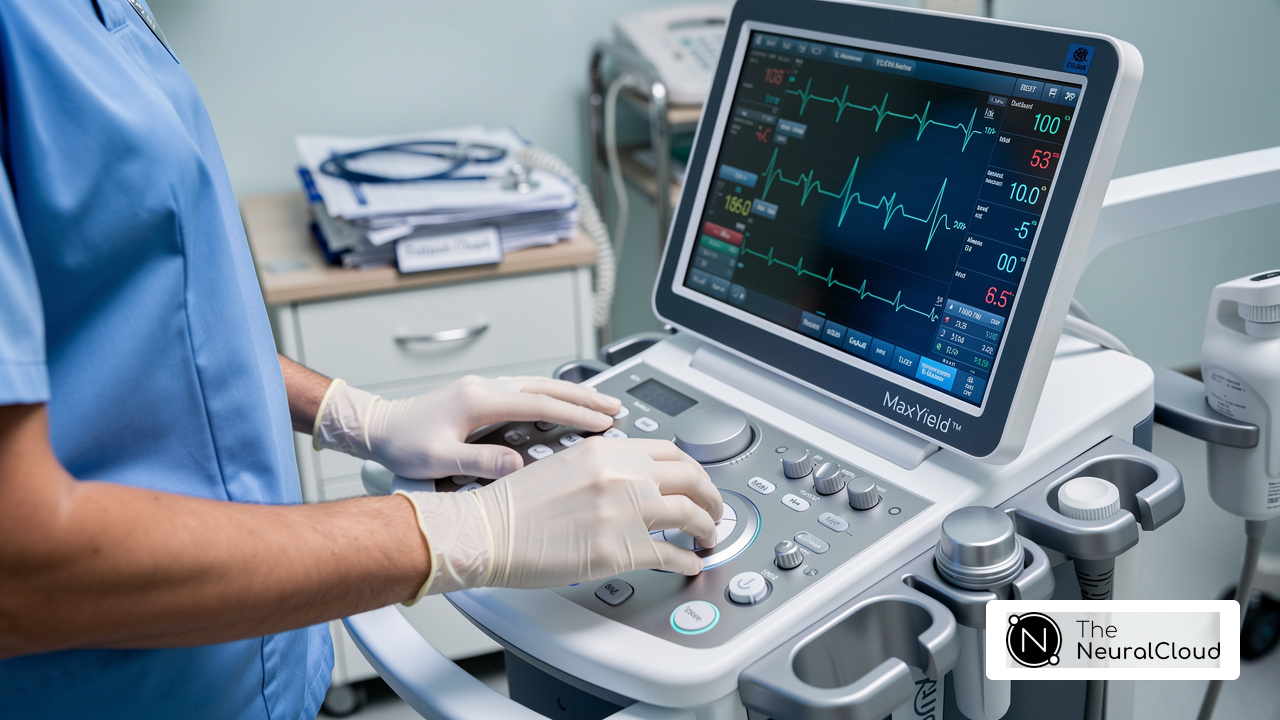
The MaxYield™ platform features state-of-the-art algorithms that streamline the ECG interpretation process. By automating rhythm identification and providing real-time feedback, it reduces the manual workload on clinicians. This not only minimizes the risk of errors but also allows healthcare professionals to focus more on patient care. The platform's user-friendly interface ensures that both seasoned experts and those new to ECG analysis can navigate it with ease.
The advantages of integrating the MaxYield™ platform into clinical practice are substantial. Healthcare professionals can expect improved diagnostic accuracy, leading to better patient outcomes. Additionally, the platform's ability to quickly analyze ECG data means that clinicians can make timely decisions, which is critical in emergency situations. By adopting best practices in utilizing this technology, healthcare providers can transform their approach to ECG analysis, ultimately enhancing the quality of cardiac care.
Establish Rhythm Regularity for Accurate Identification
Accurate identification starts with assessing the regularity of the signal, which depends on measuring the intervals between R waves (the peaks of the QRS complexes) on the ECG tracing. A pattern is deemed regular if the intervals remain consistent. Here are some tips to achieve this:
- Visual Inspection: Begin by visually inspecting the ECG strip for consistent intervals. If the intervals seem consistent, the rhythm is likely regular.
- Measurement Techniques: Utilize calipers or a ruler to measure the distance between R waves. For precise assessment, count the number of small boxes between R waves and apply the following methods:
- Small Box Method: Count the number of small boxes between two R waves and divide 1500 by this number to calculate the heart rate.
- Large Box Method: Count the number of large boxes between R peaks and divide 300 by this number.
Establishing beat regularity is crucial, as studies show that about 70% of ECGs in clinical settings are identified as regular, while the remaining 30% are irregular. This distinction is vital for clinicians to quickly perform assessments of potential arrhythmias and initiate appropriate interventions.
With the integration of Neural Cloud Solutions' technology, healthcare professionals can leverage advanced analytics and data extraction to enhance the accuracy and efficiency of ECG interpretation. By streamlining processes and reducing operational costs, the platform empowers clinicians to focus on critical decision-making, ultimately improving patient outcomes. For practical application, users can refer to the user manual for guidance on effectively utilizing the software in ECG analysis.

Calculate Heart Rate to Enhance Diagnostic Precision
Accurate heart rate computation from an ECG is crucial for diagnosis, and utilizing advanced tools like software can significantly enhance this process. Here’s a closer look at the most effective methods:
- Count the number of R peaks in a six-second strip (30 large boxes) and multiply by 10. This method is particularly beneficial for assessing irregular patterns, allowing for quick evaluations in fast-paced clinical settings.
- For consistent patterns, count the number of small boxes between two R peaks and divide 1500 by this number. This technique provides a swift estimate of heart rate, aiding diagnosis.
- Count the number of large boxes between R peaks and divide 300 by this figure. This method is effective for regular rhythms, offering a straightforward calculation for clinicians.
Understanding heart rate is essential for diagnosis of conditions such as tachycardia or bradycardia (heart rate below 60 bpm), as these may require immediate intervention. Research indicates that individuals with minor ECG abnormalities face a higher risk of developing significant cardiovascular issues, which underscores the importance of assessment in recognizing at-risk patients. Moreover, the features of automated analysis ensure that even in challenging recordings, critical data remains intact, enhancing the reliability of heart rate calculations.
By mastering these calculation techniques and leveraging the automated ECG analysis features of technology, healthcare professionals can greatly improve their diagnostic accuracy. This ensures they respond effectively to patient needs, ultimately enhancing overall clinical outcomes.

Evaluate Key ECG Components for Comprehensive Analysis
A thorough ECG analysis relies on the careful evaluation of key components. Here’s an effective approach to assess these elements:
- P Wave: This movement signifies atrial depolarization. Assess both the presence and shape of the P component; a normal P component is smooth and rounded. Abnormalities or absence may indicate atrial enlargement or other cardiac issues. Research indicates that 27.7% of patients display normal P patterns, while 33.5% show extensive P-pattern abnormalities (PWAs), highlighting the importance of accurate assessment.
- QRS Complex: This complex represents ventricular depolarization. Measure its duration, with a normal range being less than 0.12 seconds. Prolonged QRS durations can suggest bundle branch block or other conduction abnormalities, which are critical for diagnosing various cardiac conditions.
- T Wave: Reflecting ventricular repolarization, the T form should be assessed for shape and height. Inverted T waves may indicate ischemia or other cardiac conditions, necessitating further investigation.
- QT Interval: Measuring the QT interval is essential for assessing the duration of ventricular depolarization and repolarization. A prolonged QT interval, recognized in 2.4% of patients in community hospitals, significantly increases the risk of arrhythmias and is associated with a high all-cause mortality rate of 50% during follow-up, making it a crucial factor in patient management. It is important to note that QT prolongation was only documented in 12% of medical records, highlighting the need for increased awareness among clinicians.
By systematically evaluating these components, clinicians can improve their ECG rhythm identification, deriving valuable insights into a patient's cardiac health and facilitating informed treatment decisions. This comprehensive approach underscores the need for solutions like Neural Cloud Solutions' technology, which enhances ECG rhythm identification by transforming lengthy and noisy recordings into clean, crisp signals.
Features of MaxYield™:
- Advanced Noise Filtering: Eliminates interference, ensuring clarity in ECG readings.
- Automation: Streamlines workflow by automating repetitive tasks, saving time for healthcare professionals.
- Proven Techniques: Employs proven techniques to enhance accuracy in ECG analysis.
Advantages for Healthcare Professionals:
- Improved Efficiency: Reduces time spent on analysis, allowing for quicker decision-making.
- Enhanced Accuracy: Increases the reliability of ECG interpretations, leading to better patient outcomes.
- User-Friendly Interface: Designed for ease of use, making it accessible for both technical and non-technical users.
With its innovative features, the MaxYield™ system not only addresses the challenges in ECG analysis but also provides significant benefits, ultimately improving patient care.

Leverage Advanced Technology for Streamlined ECG Analysis
The incorporation of advanced technology into ECG analysis significantly enhances both efficiency and accuracy. However, challenges persist in the healthcare sector, such as manual workload and potential errors in diagnosis. To address these issues, leveraging innovations like AI can transform the process of ECG interpretation.
- AI tools: utilizes AI-driven tools that automate the analysis and labeling of ECG waveforms, including P, QRS, and T wave onsets and offsets. This automation reduces manual workload and minimizes errors, leading to a more reliable diagnostic process while effectively reducing noise in the recordings.
- Integration with Clinical Systems: The platform ensures seamless integration with existing electronic health record (EHR) systems. By outputting data in CSV format, it facilitates easy ingestion into current workflows, enhancing access to patient information and improving overall workflow efficiency.
- Adaptive systems: adopts systems that utilize continuous learning algorithms to enhance performance over time. The neural network models adjust according to new information, improving their efficacy and dependability. This adaptability is essential for maintaining high standards in patient care and aiding the discovery of new digital biomarkers.
- Professional training: Comprehensive training for healthcare professionals is crucial for maximizing the benefits of technology like AI. Equipping staff with the necessary skills ensures they can effectively utilize the technology, ultimately leading to improved patient outcomes.
By leveraging these advanced technologies, healthcare providers can enhance diagnostic accuracy, streamline workflows, and significantly improve patient care.

Conclusion
Mastering ECG rhythm identification is crucial for healthcare professionals aiming to deliver accurate and timely diagnoses. This article emphasizes the importance of establishing rhythm regularity, calculating heart rates, evaluating key ECG components, and leveraging advanced technology to enhance the efficiency and accuracy of ECG analysis.
Key insights include effective methods for assessing rhythm regularity, such as visual inspection and measurement techniques. Understanding heart rate through various calculation methods is essential for identifying conditions like tachycardia and bradycardia. Additionally, a thorough evaluation of ECG components, including the P wave, QRS complex, and T wave, is vital for comprehensive cardiac health assessments. The integration of advanced platforms like MaxYield™ significantly streamlines these processes, reducing manual workload and improving diagnostic precision.
The MaxYield™ platform offers several key features that enhance ECG analysis:
- Automated Rhythm Analysis: Reduces the time spent on manual assessments.
- Real-Time Data Processing: Provides immediate feedback for timely decision-making.
- User-Friendly Interface: Simplifies navigation for both seasoned professionals and newcomers.
These features translate into significant advantages for healthcare professionals. By embracing MaxYield™, clinicians can improve diagnostic accuracy, enhance patient care, and respond more effectively to patient needs. As technology continues to evolve, staying informed about the latest innovations in ECG analysis will be essential for maintaining high standards of care and ensuring optimal patient management.
Frequently Asked Questions
What is the first step in accurate ECG rhythm identification?
The first step is assessing the regularity of the ECG signal by measuring the intervals between R waves (the peaks of the QRS complexes) on the ECG tracing.
How can you determine if the rhythm is regular?
A rhythm is deemed regular if the R-R intervals remain consistent. This can be assessed through visual inspection or measurement techniques.
What methods are effective for measuring R-R intervals?
Effective methods include visual inspection, using calipers or a ruler, and counting the number of small or large boxes between R waves.
What is the Small Box Method for calculating heart rate?
In the Small Box Method, count the number of small boxes between two R waves and divide 1500 by this number to calculate the heart rate.
What is the Large Box Method for calculating heart rate?
In the Large Box Method, count the number of large boxes between R peaks and divide 300 by this number.
How can you identify irregularities in the ECG rhythm?
If the R-R intervals vary significantly, the pattern is classified as irregular, indicating that further analysis is necessary to determine the underlying cause.
Why is establishing beat regularity important in clinical settings?
Establishing beat regularity is crucial because studies show that about 70% of ECGs are identified as regular, while 30% are irregular. This distinction helps clinicians quickly identify potential arrhythmias and initiate appropriate interventions.
How does the MaxYield™ platform enhance ECG rhythm identification?
The MaxYield™ platform integrates automated ECG labeling and data extraction, improving the accuracy and efficiency of ECG rhythm identification while reducing operational costs, allowing clinicians to focus on critical decision-making.
Where can users find instructions for using the MaxYield™ platform in ECG analysis?
Users can refer to the user manual for step-by-step instructions on effectively utilizing the software in ECG analysis.
List of Sources
- Establish Rhythm Regularity for Accurate Identification
- reliasacademy.com (https://reliasacademy.com/rls/store/courses/ecg-interpretation-case-studies/_/A-product-c1481430)
- How to Read an Electrocardiogram (EKG/ECG) (https://nurse.org/articles/how-to-read-an-ECG-or-EKG-electrocardiogram)
- ECG Rhythm Evaluation (https://litfl.com/ecg-rhythm-evaluation)
- ECG Case Studies | Interpretation & Answers | Geeky Medics (https://geekymedics.com/ecg-case-studies)
- Electrocardiogram - StatPearls - NCBI Bookshelf (https://ncbi.nlm.nih.gov/books/NBK549803)
- Calculate Heart Rate to Enhance Diagnostic Precision
- How to Check Your Heart Rate | Mass General Brigham (https://massgeneralbrigham.org/en/about/newsroom/articles/how-to-check-your-heart-rate)
- pmc.ncbi.nlm.nih.gov (https://pmc.ncbi.nlm.nih.gov/articles/PMC11217891)
- nature.com (https://nature.com/articles/s41746-019-0134-9)
- ECG Rate Interpretation (https://litfl.com/ecg-rate-interpretation)
- irhythm2024rd.q4web.com (https://irhythm2024rd.q4web.com/news/news-details/2025/iRhythm-Presents-New-Real-World-Data-on-Ambulatory-Cardiac-Monitoring-at-HRS-2025-Reinforcing-Clinical-Superiority-of-Zio-Long-Term-Continuous-Monitoring/default.aspx)
- Evaluate Key ECG Components for Comprehensive Analysis
- AI-powered ECG model outperforms doctors in detecting hidden heart disease (https://news-medical.net/news/20250721/AI-powered-ECG-model-outperforms-doctors-in-detecting-hidden-heart-disease.aspx)
- pmc.ncbi.nlm.nih.gov (https://pmc.ncbi.nlm.nih.gov/articles/PMC12465303)
- sciencedirect.com (https://sciencedirect.com/science/article/pii/S154752712502243X)
- academic.oup.com (https://academic.oup.com/europace/article/20/FI1/f99/4317437)
- authorea.com (https://authorea.com/users/481965/articles/568739-prevalence-and-risk-factors-for-acquired-long-qt-syndrome-in-the-emergency-department-a-retrospective-observational-st)
- Leverage Advanced Technology for Streamlined ECG Analysis
- AI in Healthcare Statistics: Latest Data & Facts (https://strategicmarketresearch.com/blogs/ai-in-healthcare-statistics)
- AI-Powered ECG Analysis Offers Promising Path for Early Detection of Chronic Obstructive Pulmonary Disease, Say Mount Sinai Researchers (https://mountsinai.org/about/newsroom/2026/ai-powered-ecg-analysis-offers-promising-path-for-early-detection-of-chronic-obstructive-pulmonary-disease-say-mount-sinai-researchers)
- Investigating the Efficacy of AI-Powered Innovations in ECG Analysis and Continuous Heart Monitoring: A Comprehensive Narrative Review - PMC (https://pmc.ncbi.nlm.nih.gov/articles/PMC12419789)
- New study finds AI model improves heart attack detection (https://health.ucdavis.edu/news/headlines/new-study-finds-ai-model-improves-heart-attack-detection/2025/11)
- AI in Hospitals: 2025 Adoption Trends & Statistics | IntuitionLabs (https://intuitionlabs.ai/articles/ai-adoption-us-hospitals-2025)