Introduction
Mastering ECG strip interpretation is crucial for health tech developers, as it significantly influences patient care and clinical outcomes. The complexities of ECG data, including noise and artifacts, pose challenges that can obscure critical information. To address these challenges, developers must understand fundamental rhythms and leverage advanced technologies. This understanding not only enhances the accuracy of ECG analysis but also improves efficiency in clinical settings.
The MaxYield™ platform offers a range of features designed to streamline ECG analysis. By utilizing sophisticated algorithms, it filters out noise and artifacts, ensuring that the vital signals are clear and interpretable. This capability allows healthcare professionals to make informed decisions quickly, ultimately benefiting patient outcomes. Furthermore, the platform's user-friendly interface makes it accessible to both technical and non-technical users, promoting widespread adoption in various healthcare environments.
In summary, the advantages of the MaxYield™ platform are manifold. It not only simplifies the interpretation of ECG strips but also empowers developers and healthcare professionals to adapt to the ever-evolving landscape of health technology. By embracing such innovative solutions, the healthcare industry can enhance its approach to patient care, ensuring that critical information is always at the forefront.
Understand Fundamental ECG Rhythms
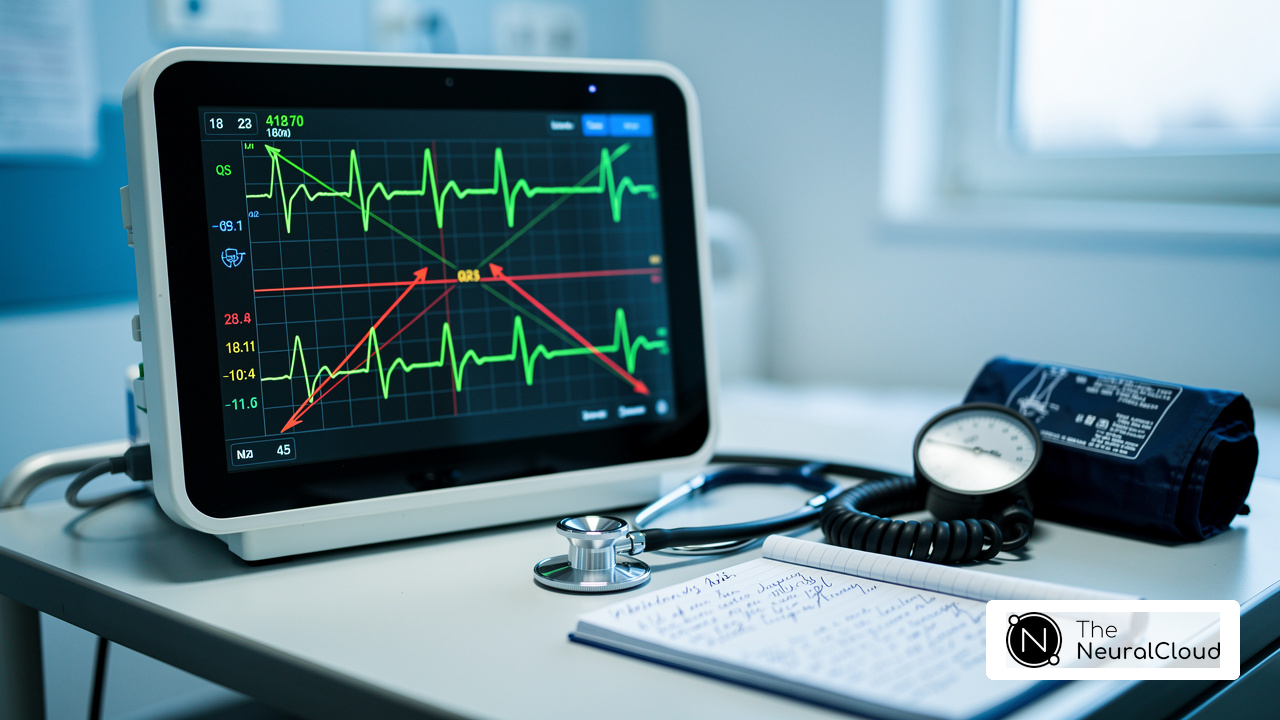
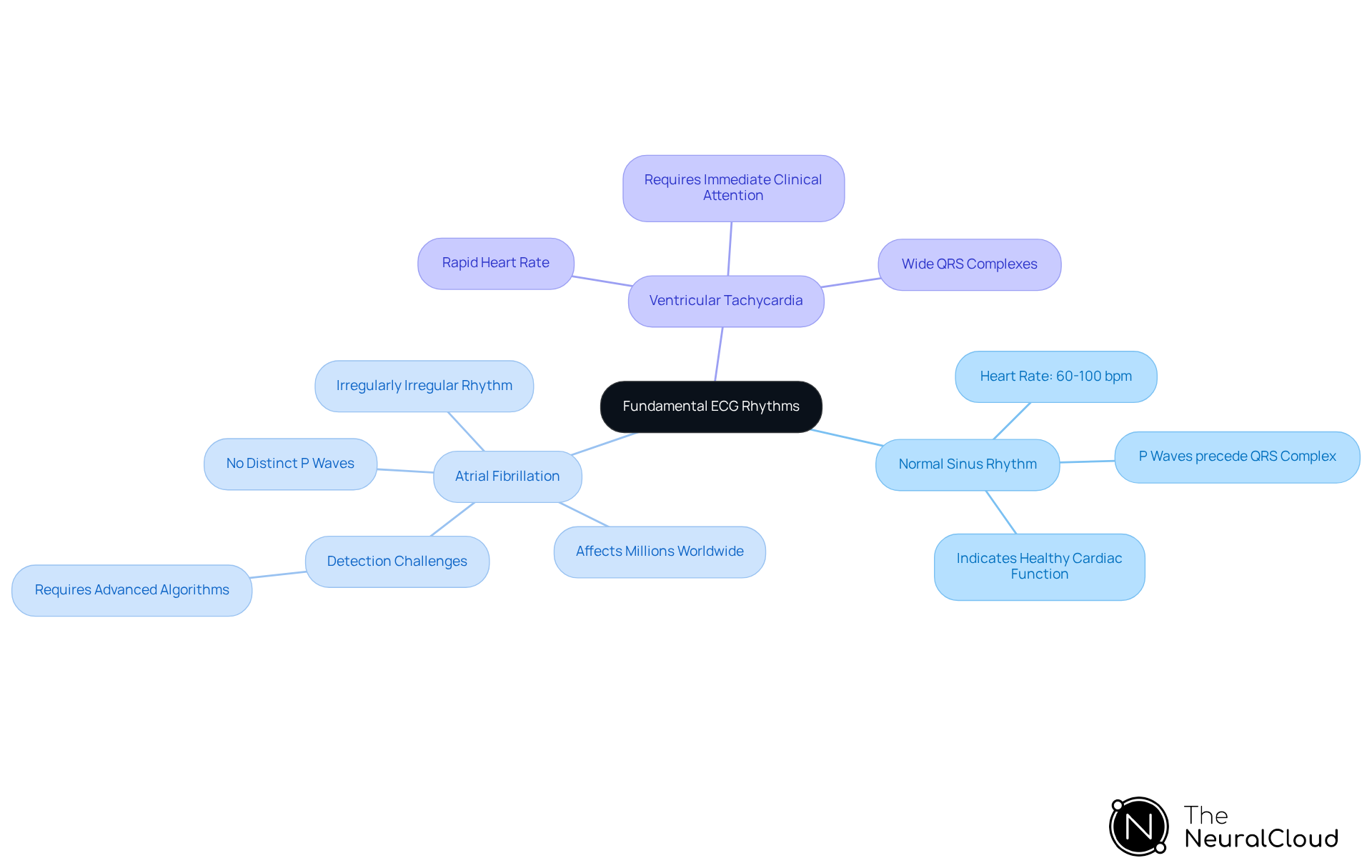
To master the art of ECG interpretation, practitioners must first grasp the fundamental rhythms that characterize cardiac activity. Key rhythms include:
- Normal Sinus Rhythm: This rhythm is recognized by a consistent rate of 60-100 beats per minute, with P waves preceding each QRS complex, indicating healthy cardiac function.
- Atrial Fibrillation: Identified by an irregularly irregular rhythm without distinct P waves, atrial fibrillation poses a significant concern, affecting millions worldwide. Detecting AF often requires careful analysis due to its subtle presentation in ECG readings, which highlights the challenges faced by traditional methods.
- Ventricular Tachycardia: Characterized by a rapid heart rate with wide QRS complexes, this condition necessitates immediate clinical attention due to its potential severity.
To effectively analyze these rhythms, developers should employ advanced algorithms, such as the MaxYield™ system. Integrating the system enhances this process significantly. This platform excels in noise reduction and wave recognition, transforming noisy recordings into clear insights. It automates the labeling process and boosts diagnostic yield, analyzing 200,000 heartbeats in less than 5 minutes.
By combining this foundational knowledge with the advanced features of the MaxYield™ system, healthcare professionals can ultimately enhance patient outcomes.
Leverage Advanced Technology for Enhanced Analysis
Health tech developers face significant challenges in ECG strip interpretation, but advanced technologies like AI and machine learning provide promising solutions. The section exemplifies how these innovations can enhance analysis through several key features.
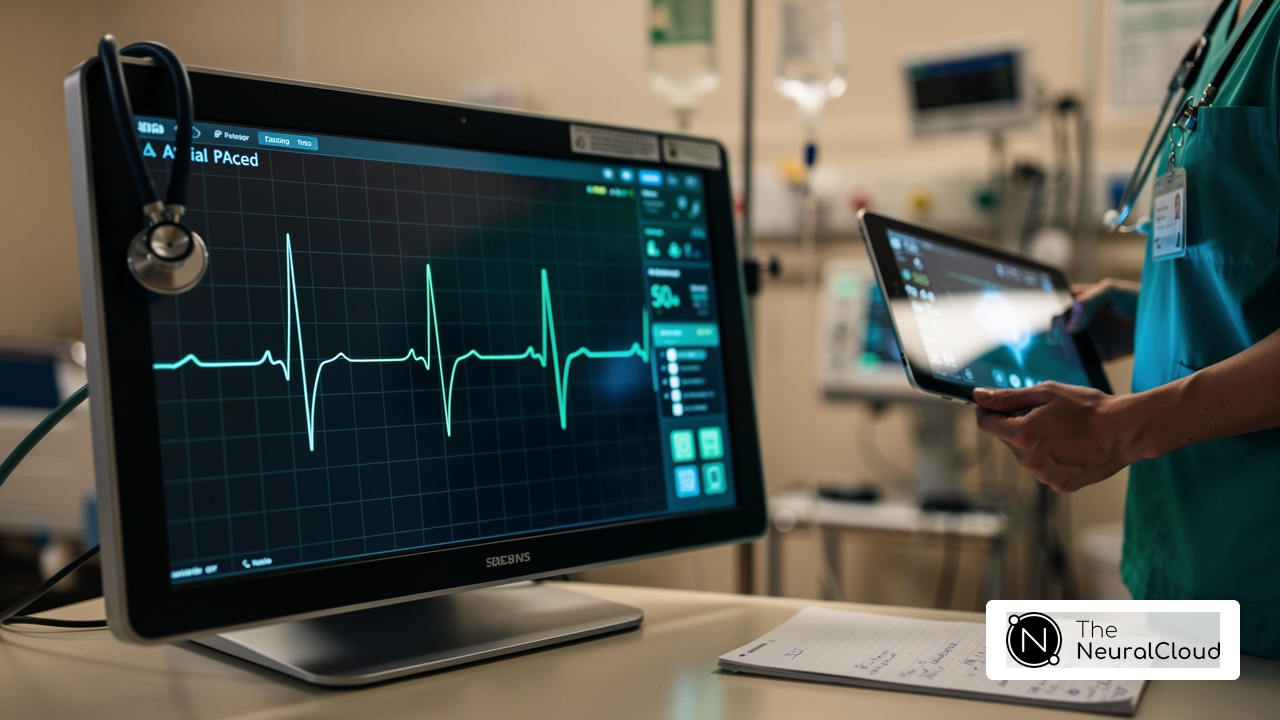
- Detection: This feature implements algorithms that identify key components, including P waves, QRS complexes, and T waves. By effectively mapping ECG signals through noise, the system isolates and labels critical data, even in recordings with high noise levels and artifacts. This capability not only reduces the manual workload but also increases efficiency.
- Real-time processing: The platform utilizes advanced computing techniques to process ECG data in real-time, facilitating immediate analysis. Impressively, it can analyze 200,000 heartbeats in under five minutes, providing timely insights that support confident clinical decisions.
- Adaptive learning: MaxYield™ features an adaptive algorithm that learns from new data inputs, enhancing its accuracy over time. Each use improves its diagnostic yield by refining its evaluations based on past results and adapting to new clinical practices.
By leveraging these advanced technologies, developers can create tools that significantly enhance the speed and accuracy of ECG strip interpretation. This ultimately benefits healthcare providers and patients alike, ensuring better outcomes.

Mitigate Noise and Artifacts in ECG Readings
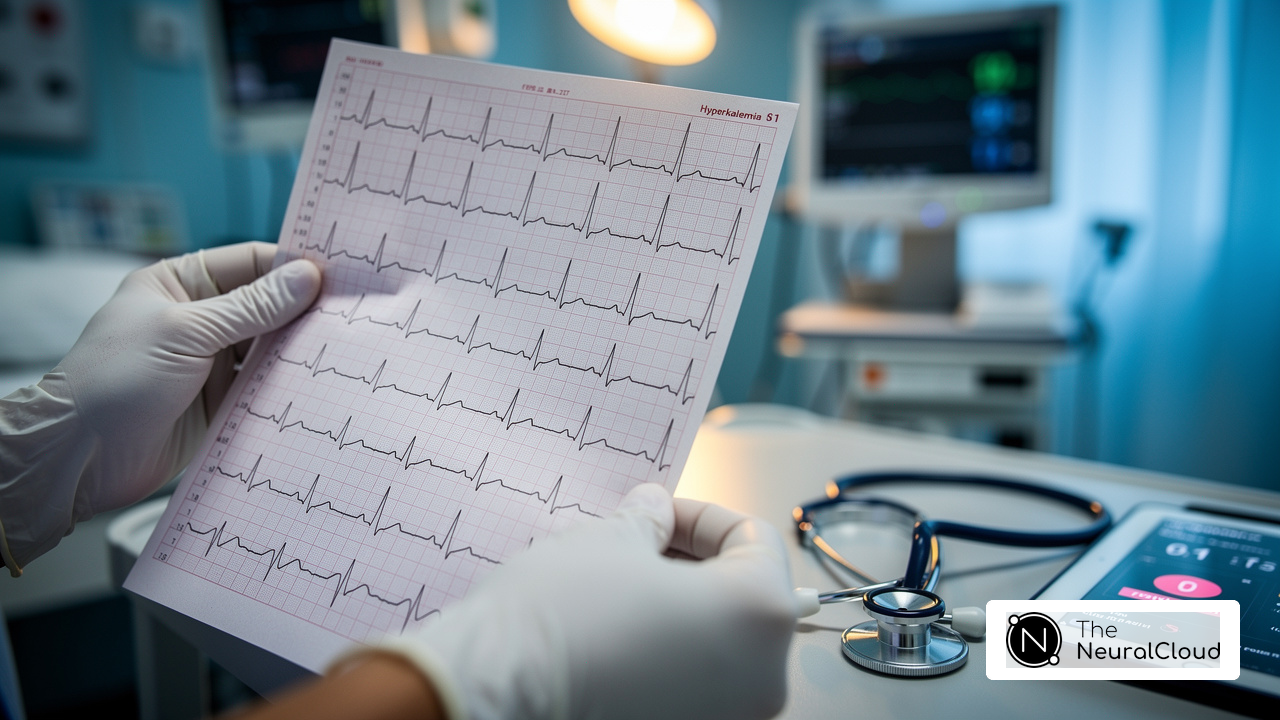
To achieve precise readings, developers must adopt effective strategies to mitigate noise. The platform addresses these challenges through several key features:
- Signal Conditioning: The platform implements advanced algorithms, enhancing the clarity of ECG signals. Techniques such as wavelet transforms and variational mode decomposition (VMD) effectively isolate and remove unwanted noise components, leading to improved signal quality. This ensures that healthcare professionals can focus on critical analysis without distraction.
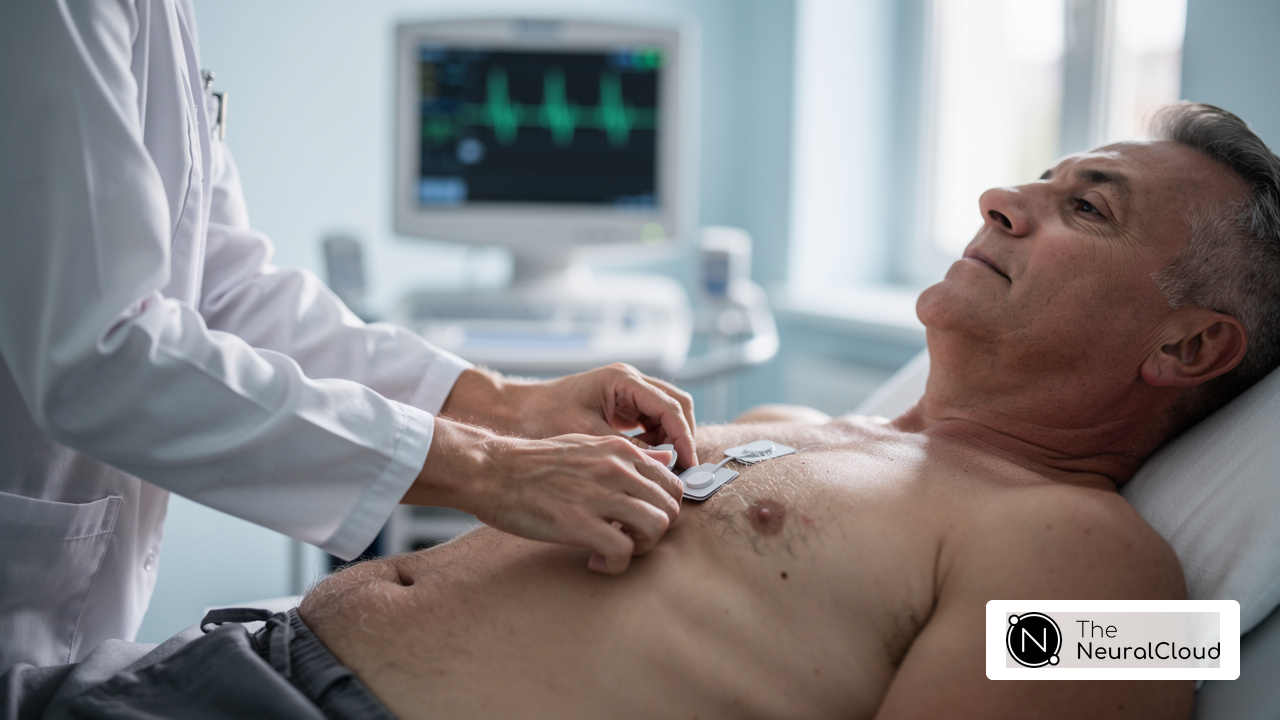
- Electrode Placement and Quality: Proper electrode placement is crucial for accurate ECG readings. The platform educates users on optimal placement techniques and emphasizes the use of high-quality electrodes, significantly reducing artifacts caused by poor contact. Research indicates that incorrect placement can lead to misinterpretation of critical features like the QRS complex, vital for diagnosing arrhythmias. This guidance further enhances diagnostic accuracy.
- Patient Preparation: Ensuring that patients are comfortable and relaxed during ECG recordings is essential to obtaining reliable data. Proper preparation, including cleaning and shaving, enhances electrode contact and improves signal fidelity. Research shows that even minor improvements in patient preparation can lead to substantial gains in data reliability. By integrating these practices with the automation features of MaxYield™, creators can ensure a more reliable ECG data collection process.
By addressing these factors, the platform markedly enhances the reliability of ECG data, facilitating more accurate diagnoses and ultimately improving patient care.

Embrace Continuous Learning and Adaptation
Health tech developers face significant challenges in enhancing ECG assessment solutions. To address these challenges, continuous learning and adaptation are essential. One effective strategy is to prioritize professional development. Encouraging team members to engage in:
- Workshops
- Online courses
- Conferences focused on ECG technology and analysis, particularly in data interpretation
can keep them informed about the latest advancements, such as automated labeling and digital biomarker discovery through solutions like machine learning.
Another crucial strategy is implementing user-centered design. By gathering user feedback on ECG evaluation tools, developers can make iterative enhancements based on real-world usage. This approach ensures that the tools meet the evolving requirements of healthcare professionals. Leveraging insights from Neural Cloud's research can further refine these tools, enhancing their accuracy and efficiency.
Additionally, fostering partnerships is vital. Partnering with academic institutions and research organizations helps developers stay abreast of the latest developments in ECG technology, particularly in the area of signal processing and neural network models for complex signal processing. Such collaboration aids in integrating new findings into product development, ultimately enhancing the effectiveness and reliability of ECG evaluation solutions.
By fostering a culture of continuous learning and leveraging innovative solutions like MaxYield™, developers can ensure that their ECG analysis solutions remain at the forefront of technology. This commitment not only leads to better patient outcomes but also enhances clinical workflows, making a significant impact on healthcare delivery.

Conclusion
Mastering ECG strip interpretation is essential for health tech developers focused on improving patient care. The challenges in ECG analysis can be daunting, but by understanding fundamental rhythms and leveraging advanced technologies, developers can enhance the accuracy and efficiency of ECG analysis. This comprehensive approach not only aids in detecting critical cardiac conditions but also equips healthcare professionals with the necessary tools for timely and informed decision-making.
One standout solution is the MaxYield™ platform, which offers automated signal processing and real-time analysis to streamline ECG interpretation. Its features include:
- Automated Signal Processing: Reduces manual errors and speeds up analysis.
- Real-Time Analysis: Provides immediate feedback, allowing for quicker clinical decisions.
- Noise Mitigation Techniques: Ensures high-quality ECG data by minimizing interference.
These features translate into significant advantages for healthcare professionals. By utilizing MaxYield™, they can expect improved diagnostic accuracy, leading to better clinical outcomes. Additionally, proper electrode placement and patient preparation are crucial for obtaining reliable ECG data, and MaxYield™ supports these practices through user-friendly interfaces and guidelines.
In conclusion, the integration of advanced technology like MaxYield™ and a commitment to continuous improvement are vital for health tech developers in ECG interpretation. By embracing these practices, developers can create innovative solutions that enhance diagnostic accuracy and ultimately lead to better patient care. The future of ECG analysis lies in the ongoing evolution of tools and techniques, ensuring healthcare providers are well-equipped to meet the challenges of cardiac care head-on.
Frequently Asked Questions
What are the fundamental rhythms in ECG interpretation?
The fundamental rhythms include Normal Sinus Rhythm, Atrial Fibrillation, and Ventricular Tachycardia.
What characterizes Normal Sinus Rhythm?
Normal Sinus Rhythm is characterized by a consistent heart rate of 60-100 beats per minute, with P waves preceding each QRS complex, indicating healthy cardiac function.
How is Atrial Fibrillation identified?
Atrial Fibrillation is identified by an irregularly irregular rhythm without distinct P waves. It poses significant concerns and often requires advanced algorithms for detection due to its subtle presentation in ECG readings.
What is Ventricular Tachycardia, and why is it important?
Ventricular Tachycardia is characterized by a rapid heart rate with wide QRS complexes and necessitates immediate clinical attention due to its potential severity.
What is the 7-step evaluation method in ECG analysis?
The 7-step evaluation method is a systematic approach used to analyze ECG rhythms effectively.
How does the MaxYield™ platform enhance ECG analysis?
The MaxYield™ platform enhances ECG analysis by filtering noise, recognizing waves, automating the labeling process, and analyzing 200,000 heartbeats in less than 5 minutes, thus boosting diagnostic yield.
How can combining foundational knowledge with the MaxYield™ system benefit healthcare professionals?
Combining foundational knowledge with the MaxYield™ system can enhance patient outcomes by improving the accuracy and efficiency of ECG interpretation.
List of Sources
- Understand Fundamental ECG Rhythms
- hcplive.com (https://hcplive.com/view/fda-clears-ai-program-powering-kardia-12l-electrogram-for-5-new-cardiac-determinations)
- Normal Sinus Rhythm (https://litfl.com/normal-sinus-rhythm-ecg-library)
- ischool.berkeley.edu (https://ischool.berkeley.edu/projects/2025/pulse-check-arrhythmia-detection-and-classification-edge-devices)
- The Global Impact of Atrial Fibrillation (https://aerjournal.com/articles/global-impact-atrial-fibrillation?language_content_entity=en)
- HeartBeam’s Deep Learning Algorithms Demonstrate High Rates of Accuracy for Detecting Arrhythmias (https://ir.heartbeam.com/news-events/press-releases/detail/102/heartbeams-deep-learning-algorithms-demonstrate-high)
- Leverage Advanced Technology for Enhanced Analysis
- New study finds AI model improves heart attack detection (https://health.ucdavis.edu/news/headlines/new-study-finds-ai-model-improves-heart-attack-detection/2025/11)
- AccurKardia wins FDA clearance for next-generation ECG analysis system | Medical Economics (https://medicaleconomics.com/view/accurkardia-wins-fda-clearance-for-next-generation-ecg-analysis-system)
- pmc.ncbi.nlm.nih.gov (https://pmc.ncbi.nlm.nih.gov/articles/PMC12786525)
- Year in Review: Evidence Around AI in Cardiology Grows (https://tctmd.com/news/year-review-evidence-around-ai-cardiology-grows)
- AI-Powered ECG Analysis Offers Promising Path for Early Detection of Chronic Obstructive Pulmonary Disease, Say Mount Sinai Researchers (https://mountsinai.org/about/newsroom/2026/ai-powered-ecg-analysis-offers-promising-path-for-early-detection-of-chronic-obstructive-pulmonary-disease-say-mount-sinai-researchers)
- Mitigate Noise and Artifacts in ECG Readings
- healio.com (https://healio.com/news/cardiology/20240906/fda-clears-algorithm-to-reduce-ecg-noise-on-ambulatory-monitoring)
- iieta.org (https://iieta.org/journals/mmep/paper/10.18280/mmep.110812)
- pmc.ncbi.nlm.nih.gov (https://pmc.ncbi.nlm.nih.gov/articles/PMC7357458)
- ECG Noise Filtering Improves Clinical Accuracy (https://emjreviews.com/interventional-cardiology/news/ecg-noise-filtering-improves-clinical-accuracy)
- Embrace Continuous Learning and Adaptation
- statsndata.org (https://statsndata.org/report/professional-skills-development-in-healthcare-market-282153)
- Importance of Continuous Education for Healthcare Staff (https://medcyclesolutions.com/why-continuous-education-is-crucial-for-healthcare-staff)
- Healthcare Industry Statistics, Facts, and Trends (https://pit.edu/news/healthcare-industry-statistics-facts-and-trends)
- Healthcare Technology Statistics & Market Size Analysis (https://tateeda.com/blog/healthcare-technology-statistics-and-market-share)
- aihcp.net (https://aihcp.net/2025/02/25/why-continuing-education-is-essential-for-health-professionals)