Introduction
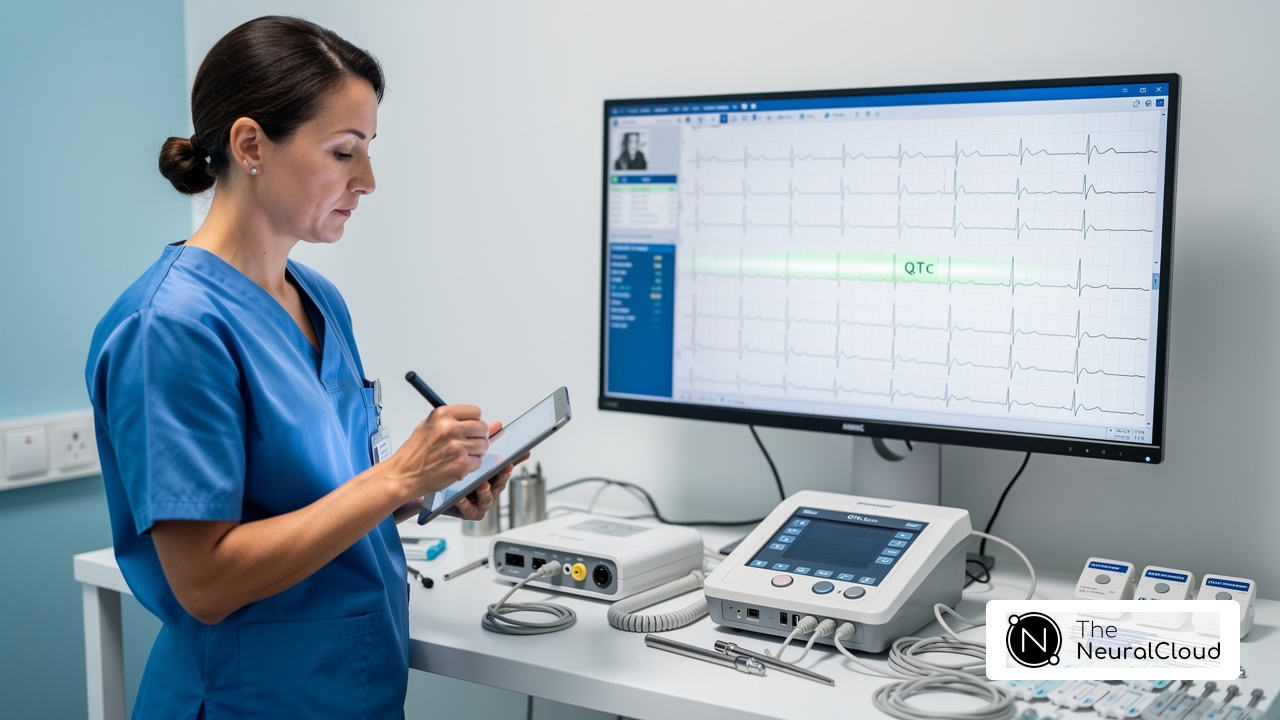
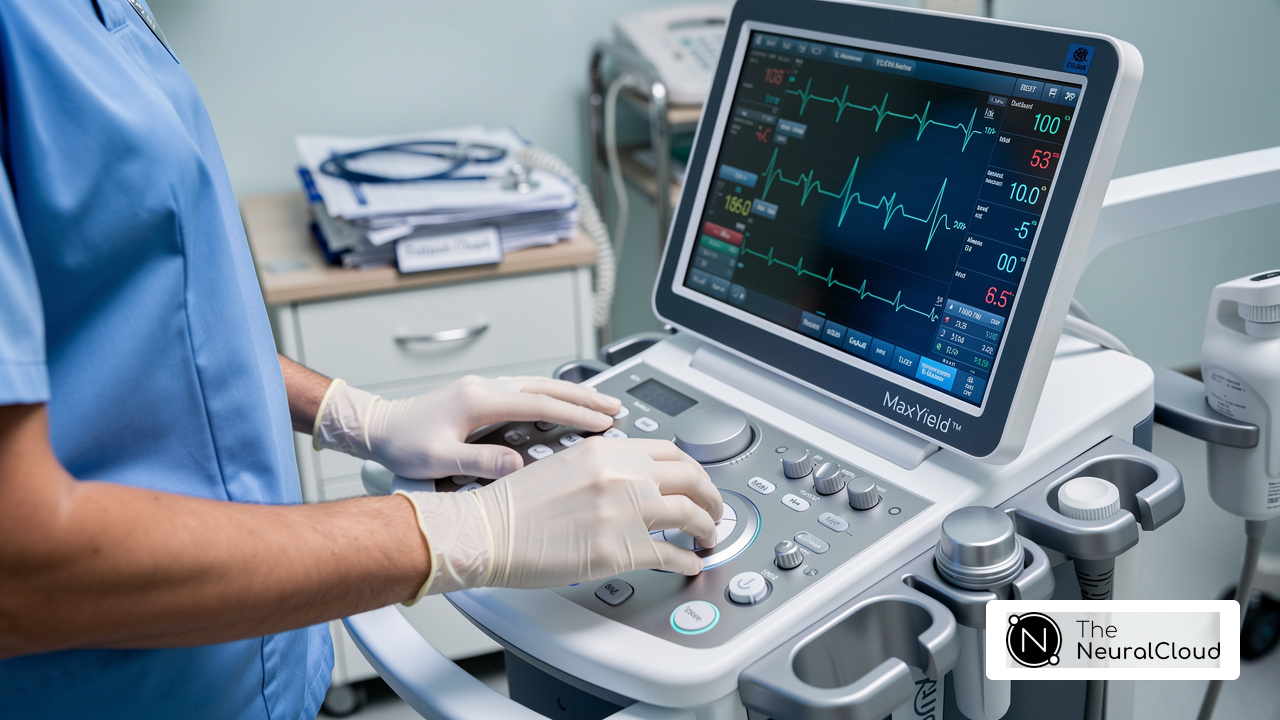
Understanding the challenges of EKG interpretation is crucial for healthcare professionals, as it offers vital insights into cardiac health. Many practitioners encounter difficulties that can lead to misinterpretation, making it essential to navigate these complexities effectively. This guide presents a clear, step-by-step approach to mastering EKG analysis, breaking down complex terminology and systematic techniques that enhance diagnostic accuracy. By focusing on the features, advantages, and benefits of the MaxYield™ platform, we aim to improve ECG analysis and provide direct benefits for healthcare professionals.
Understand EKG Basics and Terminology
To effectively learn how to interpret an EKG, it’s essential to grasp the fundamental components and terminology associated with it. Here are the key elements:
- P wave: This represents atrial depolarization, indicating the electrical activity that triggers atrial contraction.
- QRS complex: Reflecting ventricular depolarization, this is crucial for understanding the heart's pumping action.
- T wave: This indicates ventricular repolarization, showing the recovery phase of the ventricles.
- Interval measurements: Familiarize yourself with the PR duration (the time from atrial depolarization to ventricular depolarization), QT duration (the time for ventricular depolarization and repolarization), and ST segment (the period between the end of the QRS complex and the beginning of the T crest).
- EKG leads: Learn how to place and interpret leads, which are fundamental in diagnosing various cardiac conditions.
By mastering these basics, you will be well-prepared to understand and explore more complex interpretations.

Follow a Systematic Approach to EKG Interpretation
To interpret an EKG effectively, follow these systematic steps:
- Assess the Rate: Count the number of QRS complexes in a 6-second strip and multiply by 10 to estimate the heart rate. This method provides a quick and reliable estimate of the heart's rhythm. MaxYield™ enhances this process by improving accuracy and speed.
- Rhythm Consistency: Determine if the rhythm is consistent or inconsistent by gauging the spaces between R waves. Consistent intervals indicate a regular rhythm, while variations suggest irregularities that may require further investigation. MaxYield™ helps identify these intervals with precision, reducing the risk of oversight.
- Examine the P Oscillations: Check for the presence of P oscillations before each QRS complex to confirm atrial activity. The absence of P signals can suggest atrial fibrillation or other arrhythmias. MaxYield™ automatically labels P waves, making it easier to spot abnormalities.
- Measure the PR Duration: Ensure the PR duration is within the normal range (0.12 to 0.20 seconds) to assess conduction from the atria to the ventricles. Abnormal durations can indicate conduction abnormalities. With MaxYield™, this measurement is streamlined, allowing for quick assessments.
- Measure the QRS Duration: Measure the duration of the QRS complex; a normal duration is less than 0.12 seconds. Prolonged QRS durations may suggest ventricular conduction delays or other cardiac issues. MaxYield™ provides detailed insights into QRS duration, facilitating accurate evaluations.
- Evaluate the T Components: Look for abnormalities in the T components, which can indicate issues such as ischemia or electrolyte imbalances. Alterations in T shape morphology can offer essential insights into the patient's cardiac condition. MaxYield™ highlights T alterations, aiding in the identification of potential problems.
- Assess the ST Segment: Assess the ST segment for elevation or depression, which can signal ischemia or other cardiac conditions. Significant deviations from the baseline can indicate acute coronary syndromes. MaxYield™ automates the detection of ST segment changes, enhancing diagnostic accuracy.
By adhering to this systematic approach and leveraging the capabilities of Neural Cloud Solutions' MaxYield™ platform, healthcare professionals can ensure a thorough and accurate understanding of how to interpret an EKG, ultimately enhancing clinical decision-making and patient care.

Assess Key Components of the EKG
When considering how to interpret an ekg, it’s essential to focus on several key components that can reveal important insights into heart health.
- P wave: Start by examining the form and dimensions of the P wave. A normal P wave is smooth and rounded, while any abnormalities may indicate atrial enlargement or other cardiac issues. Recent studies have shown that changes in morphology can be associated with conditions like atrial fibrillation, highlighting the importance of a thorough assessment.
- QRS complex: Next, assess the morphology of the QRS complex. A wide QRS may suggest a bundle branch block or ventricular hypertrophy. Current research indicates that abnormalities in the QRS complex can also be linked to various cardiac conditions, making a detailed analysis crucial.
- T wave: Evaluate the T wave for its height and symmetry. Inverted T waves can indicate ischemia, while tall T waves may suggest hyperkalemia. Understanding these variations is vital, as they can provide critical information.
- Intervals: Measure the PR and QT intervals. Extended intervals can suggest conduction delays or other cardiac problems. Observing these intervals is essential for evaluating the overall electrical activity of the heart.
- ST segment: Finally, look for elevation or depression in the ST segment. Elevation can indicate an acute myocardial infarction, while depression may suggest ischemia. Recognizing these changes is critical for timely intervention and management of cardiac events.
By carefully assessing these components, healthcare professionals can understand how to interpret an ekg to identify potential cardiac abnormalities and make informed clinical decisions, ultimately enhancing patient care.

Troubleshoot Common EKG Interpretation Challenges
When considering how to interpret an EKG, several common challenges may arise. Here’s how to troubleshoot them effectively:
- Proper electrode placement is crucial, as misplacement can lead to inaccurate readings. Studies indicate that less than 20% of cardiologists correctly position V1 and V2 electrodes, which can result in false-positive findings, including indications of myocardial infarction. Always double-check lead placement if the EKG appears abnormal.
- Artifacts caused by patient movement or electrical interference can obscure EKG readings. For instance, patients in respiratory distress may introduce significant artifacts, particularly in chest leads. If the EKG tracing is unclear, consider repeating the test under controlled conditions to minimize these interferences.
- In cases of arrhythmias, adopt a systematic approach to identify the underlying cause. Utilizing a longer strip can provide a more comprehensive view, aiding in the analysis of complex rhythms.
- If prolonged PR or QT intervals are observed, assess the patient’s medication history for potential causes, such as medications or electrolyte imbalances. Ignoring patient history can lead to inaccurate interpretations, so always correlate findings with clinical context.
- When EKG findings are inconsistent with clinical symptoms, it’s essential to consult with a colleague or refer to additional diagnostic tests for confirmation. Misinterpretations can occur, especially when relying solely on automated readings, which may overlook critical nuances in EKG patterns.
By being aware of these challenges and knowing how to interpret an EKG, you can significantly enhance your skills and improve patient care outcomes.

Conclusion
Mastering EKG interpretation presents challenges for healthcare professionals, yet it is essential for accurately assessing cardiac health and making informed clinical decisions. Understanding the fundamental components of an EKG and employing a systematic approach allows for effective interpretation, helping to identify potential abnormalities that could impact patient care.
This guide explored critical elements such as the P wave, QRS complex, and T wave, along with essential intervals and segments. A structured methodology for interpretation was outlined, highlighting the importance of assessing heart rate and rhythm, measuring durations, and recognizing key abnormalities. Common challenges in EKG interpretation were also addressed, offering practical troubleshooting strategies to enhance accuracy and reliability in readings.
Ultimately, the ability to interpret an EKG not only improves diagnostic capabilities but also significantly contributes to better patient outcomes. By applying the techniques and insights discussed, healthcare professionals can elevate their skills, ensuring they are well-equipped to navigate the complexities of cardiac assessment. Embracing the challenge of mastering EKG interpretation is an invaluable asset in delivering optimal patient care.
Frequently Asked Questions
What is the purpose of understanding EKG basics and terminology?
Understanding EKG basics and terminology is essential for effectively interpreting an EKG and grasping the fundamental components associated with it.
What does the P Wave represent in an EKG?
The P Wave represents atrial depolarization, indicating the electrical activity that triggers atrial contraction.
What is the significance of the QRS Complex in an EKG?
The QRS Complex reflects ventricular depolarization, which is crucial for understanding the heart's pumping action.
What does the T Wave indicate in an EKG reading?
The T Wave indicates ventricular repolarization, showing the recovery phase of the ventricles.
What are intervals and segments in EKG terminology?
Intervals and segments refer to specific time measurements on the EKG, such as the PR duration (time from atrial depolarization to ventricular depolarization), QT duration (time for ventricular depolarization and repolarization), and ST segment (period between the end of the QRS complex and the beginning of the T crest).
Why is it important to learn how to calculate heart rate and assess rhythm regularity?
Learning to calculate heart rate and assess rhythm regularity is fundamental in diagnosing various cardiac conditions.
How can mastering EKG basics help with more complex interpretations?
By mastering EKG basics, individuals will be better prepared to understand and explore more complex interpretations of EKG readings.
List of Sources
- Understand EKG Basics and Terminology
- 1st synthesized 12-lead ECG to launch in 2026 (https://beckershospitalreview.com/supply-chain/1st-synthesized-12-lead-ecg-to-launch-in-2026)
- AI-powered ECG model outperforms doctors in detecting hidden heart disease (https://news-medical.net/news/20250721/AI-powered-ECG-model-outperforms-doctors-in-detecting-hidden-heart-disease.aspx)
- Artificial intelligence in ECG diagnostics - where are we now? (https://escardio.org/communities/councils/cardiology-practice/education/cardiopractice/artificial-intelligence-in-ecg-diagnostics-where-are-we-now)
- Follow a Systematic Approach to EKG Interpretation
- AI-powered ECG analysis shows promise for early COPD detection (https://medicalxpress.com/news/2026-01-ai-powered-ecg-analysis-early.html)
- AI-Powered ECG Analysis Offers Promising Path for Early Detection of Chronic Obstructive Pulmonary Disease, Say Mount Sinai Researchers (https://mountsinai.org/about/newsroom/2026/ai-powered-ecg-analysis-offers-promising-path-for-early-detection-of-chronic-obstructive-pulmonary-disease-say-mount-sinai-researchers)
- FDA clears HeartBeam’s at-home arrhythmia assessment tool (https://medicaldevice-network.com/news/fda-clears-heartbeam-at-home-arrhythmia-assessment-tool)
- 1st synthesized 12-lead ECG to launch in 2026 (https://beckershospitalreview.com/supply-chain/1st-synthesized-12-lead-ecg-to-launch-in-2026)
- Assess Key Components of the EKG
- drugs.com (https://drugs.com/news/ai-powered-ecg-analysis-promising-early-detection-copd-128342.html)
- AI-powered ECG analysis shows promise for early COPD detection (https://medicalxpress.com/news/2026-01-ai-powered-ecg-analysis-early.html)
- Smartwatches Help Detect Hidden Dangerous Heart Rhythm Problems, Clinical Trial Finds (https://usnews.com/news/health-news/articles/2026-01-23/smartwatches-help-detect-hidden-dangerous-heart-rhythm-problems-clinical-trial-finds)
- AI-Powered ECG Analysis Offers Promising Path for Early Detection of Chronic Obstructive Pulmonary Disease, Say Mount Sinai Researchers (https://mountsinai.org/about/newsroom/2026/ai-powered-ecg-analysis-offers-promising-path-for-early-detection-of-chronic-obstructive-pulmonary-disease-say-mount-sinai-researchers)
- int.livhospital.com (https://int.livhospital.com/a-fib-ekg-4-key-ecg-features)
- Troubleshoot Common EKG Interpretation Challenges
- gehealthcare.com (https://gehealthcare.com/insights/article/ecg-lead-misplacement-looking-at-common-issues?srsltid=AfmBOoosuhJEVLBUeuGABMiocQ6VG43reExv_WKjMaloxpIxO39ugLhF)
- products-unlimited.com (https://products-unlimited.com/common-mistakes-in-ecg-interpretation-and-how-to-avoid-them)
- pmc.ncbi.nlm.nih.gov (https://pmc.ncbi.nlm.nih.gov/articles/PMC8087970)
- Report identifies risks in ambulance ECG interpretation and timely STEMI diagnosis — HSSIB (https://hssib.org.uk/news-events-blog/report-identifies-risks-in-ambulance-ecg-interpretation-and-timely-stemi-diagnosis)
- pmc.ncbi.nlm.nih.gov (https://pmc.ncbi.nlm.nih.gov/articles/PMC12137353)