Introduction
Mastering EKG readings is essential for healthcare professionals. Accurately interpreting these vital signs can significantly impact patient care, determining whether timely interventions are made or opportunities are missed. This article explores the challenges faced in ECG analysis, particularly in distinguishing between normal and abnormal results. It highlights the key components that define a healthy heart rhythm and discusses the implications of any deviations.
As we delve deeper, we will introduce the MaxYield™ platform, designed to enhance ECG analysis. This innovative tool addresses common challenges by streamlining the diagnostic process, making it easier for healthcare professionals to interpret EKG readings accurately. By leveraging advanced technology, MaxYield™ not only improves the efficiency of ECG analysis but also enhances patient outcomes through timely and informed decision-making.
In summary, understanding EKG readings is crucial, and with the right tools, healthcare professionals can navigate the complexities of ECG analysis more effectively. The MaxYield™ platform offers features that simplify this process, providing significant advantages for practitioners in the field.
Clarify EKG Fundamentals: Normal vs. Abnormal Readings
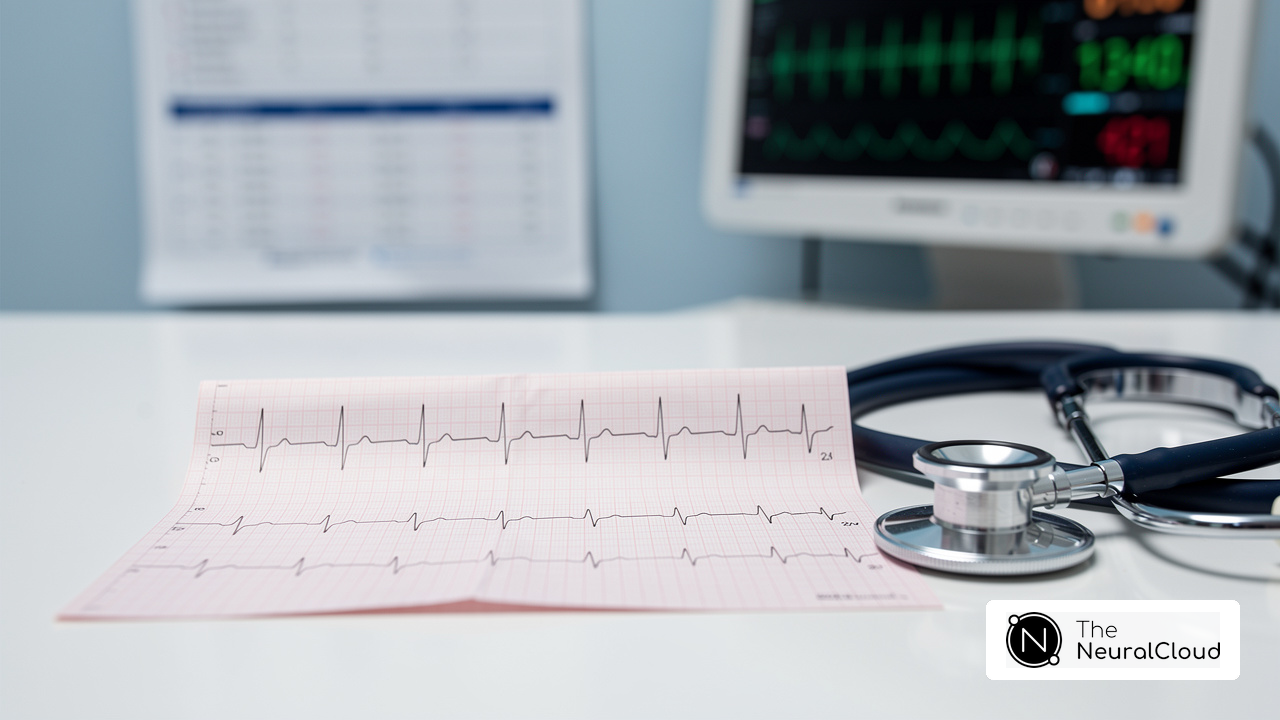
To master EKG readings, it's essential to grasp the fundamental components of an EKG trace. A normal EKG typically shows a consistent pattern of electrical activity. Here’s a detailed breakdown:
- P Wave: This represents atrial depolarization. In a normal EKG, it should be upright in leads I, II, and aVF, indicating proper atrial function. The software can quickly identify and label P waves, ensuring accurate assessment of atrial function even in noisy recordings.
- QRS Complex: This indicates ventricular depolarization, with a normal duration of less than 0.12 seconds. A prolonged QRS complex can suggest a bundle branch block, potentially impacting cardiac efficiency. The software efficiently analyzes QRS complexes, allowing for rapid detection of abnormalities.
- T Wave: This reflects ventricular repolarization and should be upright in most leads. An inverted T wave can indicate ischemia, a critical condition requiring immediate attention. The system enhances the identification of T waves, improving the accuracy of ischemia detection.
Abnormal EKG readings can signal various cardiac issues:
- ST segment changes: Often suggest ischemia, necessitating further investigation. The system aids in the swift identification of these deviations, especially when EKG readings are abnormal.
- QRS duration: May indicate a bundle branch block, which can affect heart function. The platform's rapid analysis helps clinicians respond promptly.
- Irregular rhythms: Could signify atrial fibrillation, a common arrhythmia that increases the risk of stroke. The system automates the detection of irregular rhythms, streamlining the diagnostic process.
In clinical practice, understanding these components and their implications is essential for accurate EKG interpretation. With the integration of Neural Cloud Solutions' platform, healthcare professionals can enhance diagnostic accuracy. The system works efficiently, quickly isolating and labeling key features in every heartbeat, even in recordings with high levels of noise and artifact. This advanced platform not only improves the accuracy of identifying abnormalities but also streamlines workflow efficiency, allowing for confident clinical decisions. Studies show that a significant percentage of abnormalities are observed in routine examinations, underscoring the importance of recognizing deviations. By mastering these fundamentals and leveraging MaxYield™, healthcare professionals can significantly improve patient outcomes.

Identify Common Causes of Abnormal EKG Results
Various conditions can lead to abnormal EKG readings. Here are some common causes:
- Arrhythmias: These conditions like atrial fibrillation or ventricular tachycardia are notable examples.
- Ischemia: This occurs particularly in the form of ST-segment alterations.
- Electrolyte Imbalances: Abnormal levels of potassium, calcium, or magnesium can cause abnormal EKG readings that significantly affect heart rhythm.
- Medications: Certain drugs can cause side effects, which may result in abnormal EKG readings.
- Structural Heart Changes: Conditions like hypertrophy or dilation can lead to abnormal EKG readings in the waveform.
Recognizing these causes is essential for timely intervention and management. The variations often stem from physiological variability and signal artifacts, which can complicate accurate readings.
MaxYield™ offers a solution by integrating wearable technology with Neural Cloud Solutions' platform. This platform enhances EKG analysis through automated labeling and data extraction capabilities.
Features of MaxYield™:
- Advanced analytics.
- Efficient data extraction processes.
- Integration with wearable technology.
Advantages for Healthcare Professionals:
- Streamlined processes that reduce operational costs.
- Improved diagnostic accuracy.
- Enhanced ability to address patient needs.
By leveraging these features, healthcare professionals can significantly improve their ECG analysis, leading to better patient outcomes.

Determine Next Steps: Actions After Abnormal EKG Findings
Upon receiving EKG results, clinicians should follow a structured approach to ensure comprehensive patient care:
- Review Medical History: Patient history, symptoms, and risk factors is essential to contextualize the EKG findings. This evaluation can uncover underlying conditions that may affect the results, such as hypertension or prior cardiovascular issues. As noted by a cardiologist, "Understanding an individual's history is crucial in interpreting EKG results effectively."
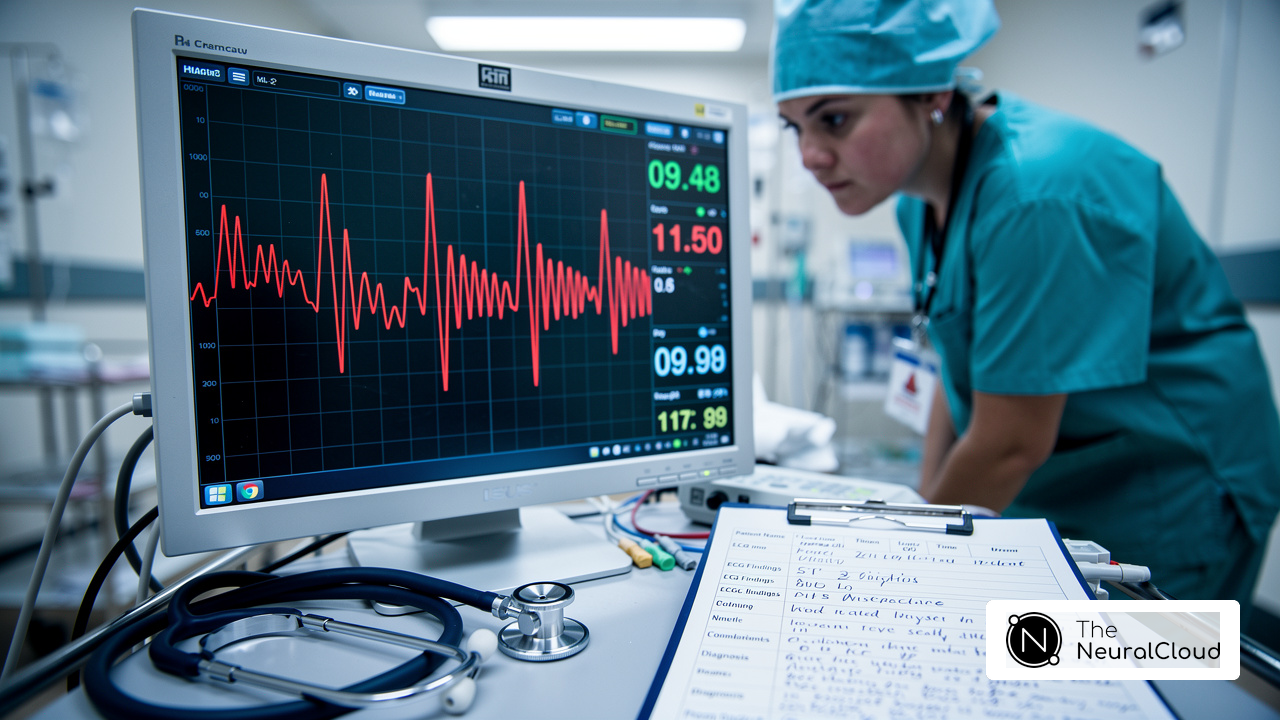
- Conduct Follow-up Tests: Depending on the specific abnormalities detected, additional tests may be necessary. These can include echocardiograms, stress tests, or Holter monitors, which provide deeper insights into the patient's cardiac function over time. EKG readings that are abnormal can suggest an impending heart attack by detecting changes in cardiac activity, such as tissue damage or ischemia, highlighting the urgency of intervention. Utilizing MaxYield™, clinicians can transform lengthy and noisy ECG recordings into clean, crisp signals, facilitating more accurate assessments during these follow-up tests.
- Consult a Specialist: For complex cases or when immediate intervention is necessary, referral to a cardiologist is crucial. This step guarantees that individuals obtain care tailored to their specific cardiovascular health requirements.
- Discuss Findings with the Patient: Communicating results and the proposed next steps is vital. Engaging patients in discussions fosters understanding and compliance, which are essential for effective treatment. A physician may say, "If your cardiologist detects abnormalities in your ECG, they can evaluate the severity and suggest effective solutions to restore a normal heartbeat."
- Implement Treatment Plans: Based on the findings, clinicians should initiate appropriate treatment strategies. These may include lifestyle adjustments, such as dietary alterations and increased physical activity, medications to regulate rhythm or blood pressure, or even surgical procedures if blockages are discovered. A review of current medications is also necessary, as some may affect EKG results.
These steps are not only essential for addressing immediate concerns but also for creating a plan that improves overall cardiovascular health. Regular follow-ups and monitoring are essential to adapt treatment as needed, ensuring that individuals remain informed and engaged in their care. As emphasized in a case study, follow-up care is vital to monitor heart health after the findings of EKG readings that are abnormal. With the incorporation of advanced technology, healthcare professionals can utilize tools to enhance workflow and accuracy in ECG analysis, ultimately improving patient outcomes.
Leverage Advanced Technology for Enhanced EKG Analysis
Incorporating technology presents significant opportunities to enhance diagnostic capabilities. However, challenges persist in ensuring accuracy and efficiency in interpretation. This is where platforms like software come into play, offering innovative solutions that address these issues head-on.
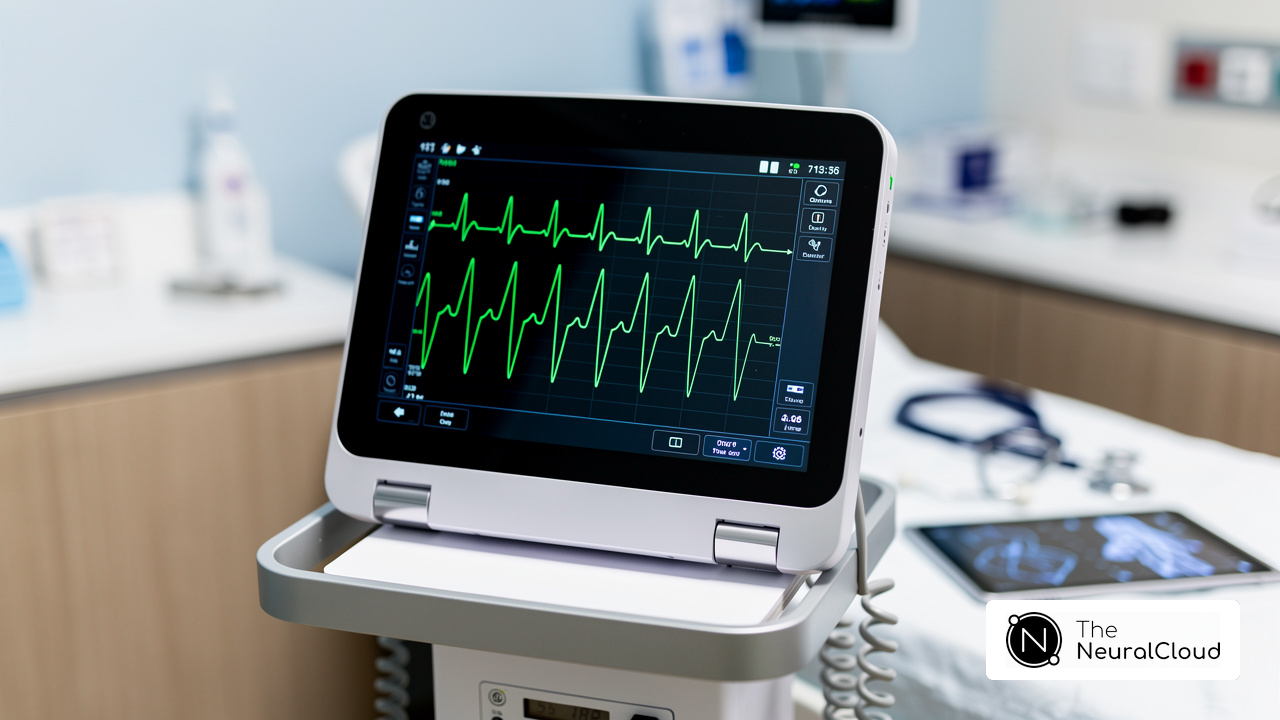
- AI-Powered Analysis: This technology utilizes algorithms, which not only reduces human error but also increases efficiency. This technology processes over 200,000 heartbeats in under five minutes, delivering results that isolates key features such as P-waves and QRS complexes. Additionally, advanced noise filtering techniques enhance signal clarity, streamlining workflow and improving diagnostic accuracy.
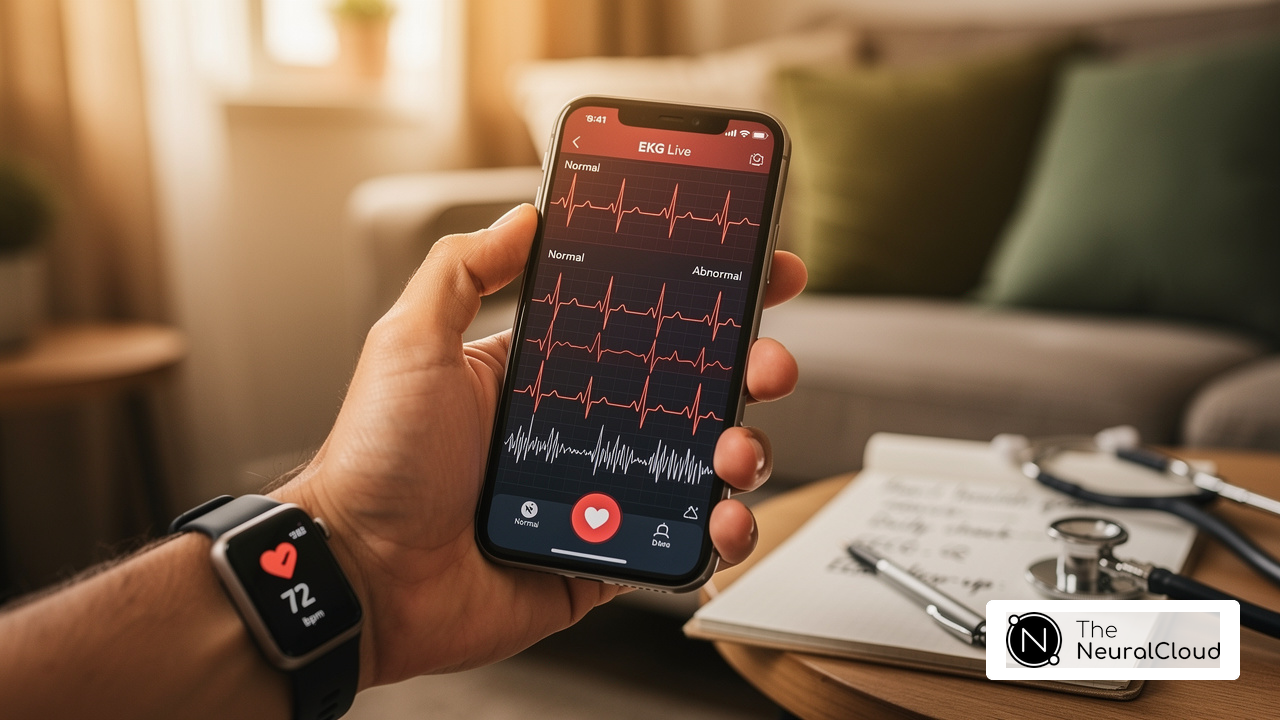
- Real-Time Monitoring: Devices, including smartwatches and ECG patches, continuously track heart rhythms, providing instant data for examination. Research indicates that users of these devices can detect irregularities, which is crucial for preventing strokes and effectively managing cardiovascular health.
- Integration: This solution seamlessly combines EKG data with electronic health records (EHR), allowing for comprehensive management of patient information and streamlined workflows. This integration empowers healthcare providers to make informed decisions based on accurate and reliable cardiac insights.
- Remote Monitoring: Remote EKG monitoring enables healthcare providers to assess heart health from a distance, facilitating timely interventions. This approach is particularly beneficial for individuals recovering from cardiac events, as it allows for continuous oversight without the need for frequent in-person visits.
- Continuous Learning Models: Technologies that adapt and improve over time can significantly enhance diagnostic accuracy. Machine learning's impact in EKG readings, with one model lowering false positives to about 8%, compared to nearly 42% with standard triage. This improvement enhances the overall effectiveness of cardiac care.
By embracing these advanced technologies, healthcare professionals can improve efficiency and optimize patient care, ultimately leading to better health outcomes.

Conclusion
Mastering EKG readings is essential for healthcare professionals who strive to deliver accurate diagnoses and effective patient care. The ability to distinguish between normal and abnormal EKG patterns allows clinicians to quickly identify potential cardiac issues. Advanced technologies, such as AI-driven platforms like MaxYield™, significantly enhance the analysis of EKG data, ensuring that abnormalities are detected with improved accuracy and efficiency.
Key insights include:
- The fundamental components of an EKG
- Common causes of abnormal readings
- A structured approach to responding to these findings
By understanding the significance of each component-P waves, QRS complexes, and T waves-healthcare providers can interpret EKG results confidently. Additionally, leveraging technology to streamline EKG analysis not only reduces operational costs but also improves patient outcomes.
As the field of cardiac care evolves, adopting innovative solutions in EKG analysis becomes increasingly important. Healthcare professionals are encouraged to integrate advanced tools and practices to enhance their diagnostic capabilities. This proactive approach ensures timely interventions, fostering better health outcomes for patients and underscoring the vital role of accurate EKG interpretation in modern medicine.
Frequently Asked Questions
What are the fundamental components of a normal EKG trace?
A normal EKG trace typically shows a consistent pattern of P waves, QRS complexes, and T waves.
What does the P wave represent in an EKG?
The P wave represents atrial depolarization and should be upright in leads I, II, and aVF in a normal EKG, indicating proper atrial function.
What is the significance of the QRS complex in an EKG?
The QRS complex indicates ventricular depolarization and has a normal duration of less than 0.12 seconds. A prolonged QRS duration can suggest a bundle branch block, impacting cardiac efficiency.
What does the T wave indicate in an EKG reading?
The T wave reflects ventricular repolarization and should be upright in most leads. Inverted T waves can indicate ischemia, which requires immediate attention.
What are some abnormal EKG readings and their implications?
Abnormal readings include: - Inverted T waves, which often suggest ischemia. - Prolonged QRS duration, indicating a bundle branch block that can affect heart function. - Absent P waves, which could signify atrial fibrillation, increasing the risk of stroke.
How does the software mentioned in the article assist in EKG analysis?
The software automates ECG analysis by quickly isolating and labeling key features in every heartbeat, improving the accuracy of identifying abnormalities and streamlining workflow efficiency.
Why is it important for healthcare professionals to understand EKG components?
Understanding these components and their implications is essential for accurate EKG interpretation, enabling confident clinical decisions and improving patient outcomes.
List of Sources
- Clarify EKG Fundamentals: Normal vs. Abnormal Readings
- nyit.edu (https://nyit.edu/news/articles/using-ai-to-detect-ecg-abnormalities)
- nyp.org (https://nyp.org/news/nyp-cornell-researchers-discover-electrocardiogram-abnormalities)
- tctmd.com (https://tctmd.com/news/ecg-abnormalities-routine-screening-tied-cvd-events-large-study)
- Accuracy of Physicians’ Electrocardiogram Interpretation (https://jamanetwork.com/journals/jamainternalmedicine/fullarticle/2771093)
- dcri.org (https://dcri.org/news/abnormal-electrocardiography-despite-normal-stress-echocardiography-could-be-warning-sign)
- Identify Common Causes of Abnormal EKG Results
- cedars-sinai.org (https://cedars-sinai.org/newsroom/new-studies-ai-captures-electrocardiogram-patterns-that-could-signal-a-future-sudden-cardiac-arrest)
- arrhythmiaacademy.com (https://arrhythmiaacademy.com/news/ai-enhanced-ecg-model-accurately-predicts-future-complete-heart-block-risk?language_content_entity=en)
- irhythm2024rd.q4web.com (https://irhythm2024rd.q4web.com/news/news-details/2025/iRhythm-Unveils-New-Real-World-Data-at-ACC-25-Demonstrating-the-Benefits-of--Zio-Long-Term-Continuous-Monitoring-for-Arrhythmia-Detection/default.aspx)
- News - Cardiac Rhythm News (https://cardiacrhythmnews.com/news)
- Determine Next Steps: Actions After Abnormal EKG Findings
- pmc.ncbi.nlm.nih.gov (https://pmc.ncbi.nlm.nih.gov/articles/PMC11217891)
- Next Steps After an Abnormal EKG: What You Need to Know | Joliet, IL (https://primarycarejoliet.com/blog/next-steps-after-an-abnormal-ekg-what-you-need-to-know)
- smmgmd.com (https://smmgmd.com/from-testing-to-treatment-what-happens-after-an-abnormal-ecg)
- What’s an EKG? (https://my.clevelandclinic.org/health/diagnostics/16953-electrocardiogram-ekg)
- Abnormal EKG: Results, causes, and next steps (https://medicalnewstoday.com/articles/324922)
- Leverage Advanced Technology for Enhanced EKG Analysis
- AI-Powered ECG Analysis Offers Promising Path for Early Detection of Chronic Obstructive Pulmonary Disease, Say Mount Sinai Researchers (https://mountsinai.org/about/newsroom/2026/ai-powered-ecg-analysis-offers-promising-path-for-early-detection-of-chronic-obstructive-pulmonary-disease-say-mount-sinai-researchers)
- AI-Based ECG Analysis Significantly Improves STEMI Detection, Reduces False Activations - American College of Cardiology (https://acc.org/latest-in-cardiology/articles/2025/10/24/16/56/tues-554pm-ai-tct-2025)
- bch.org (https://bch.org/latest-news/2025/june/dr-robert-shapiro-on-wearable-devices-for-heart-)
- New study finds AI model improves heart attack detection (https://health.ucdavis.edu/news/headlines/new-study-finds-ai-model-improves-heart-attack-detection/2025/11)
- tempus.com (https://tempus.com/cardiology/ecg-ai?srsltid=AfmBOoq40JrUtVAOIJsziNS4Iiuw_5fwnCBVLPC4Gy8EbYrheHwjL-Ob)