Introduction
In the fast-paced realm of healthcare, accurate EKG interpretation is crucial for effective patient care. However, many clinicians encounter common pitfalls that can lead to misdiagnosis. This article explores four essential practices that can significantly enhance EKG analysis, boosting both precision and confidence in clinical decision-making. What strategies can healthcare professionals implement to navigate the challenges of EKG interpretation and utilize advanced technology for better outcomes?
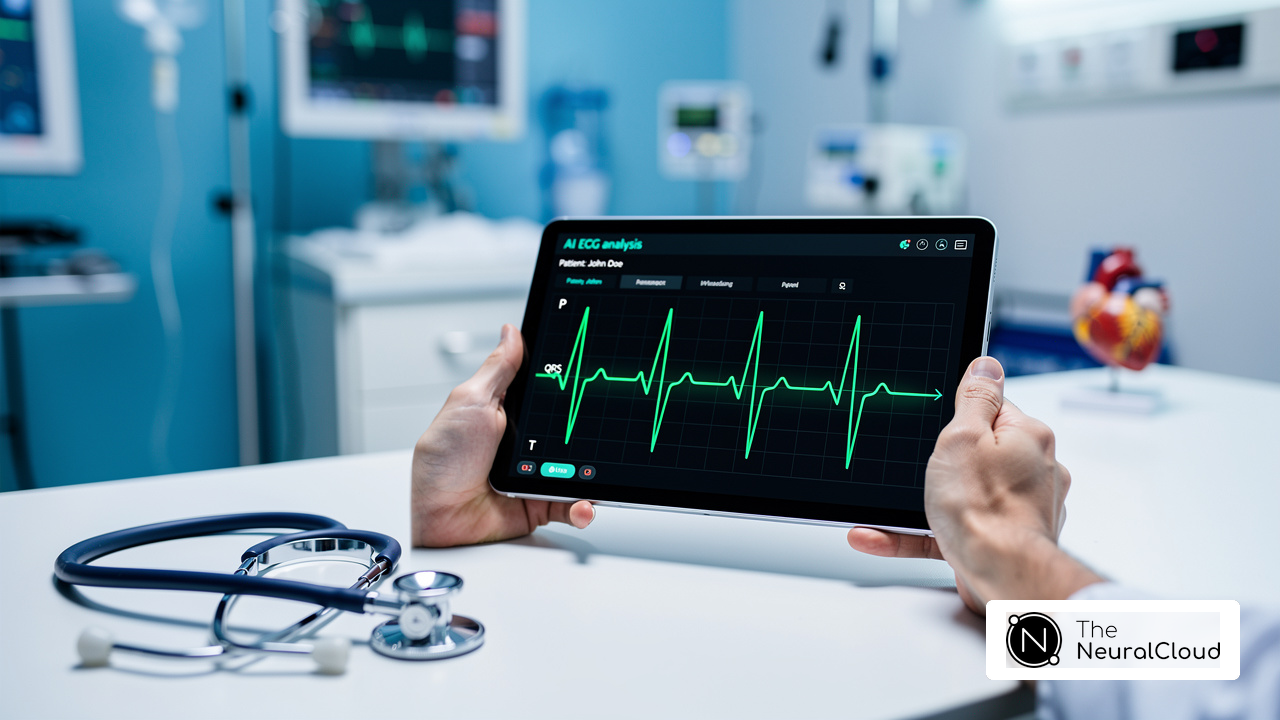
Understanding the complexities of EKG analysis is vital. Clinicians often face difficulties due to the intricate nature of EKG readings, which can result in errors if not approached correctly. By adopting structured practices and leveraging innovative tools like the MaxYield™ platform, healthcare professionals can improve their interpretation skills. This platform offers features designed to streamline the analysis process, making it easier to identify critical patterns and anomalies.
The MaxYield™ platform enhances ECG analysis by providing real-time data insights and user-friendly interfaces. These features not only simplify the interpretation process but also empower clinicians to make informed decisions swiftly. As a result, healthcare professionals can expect improved patient outcomes and reduced misdiagnosis rates. By integrating such advanced technology into their practice, clinicians can transform their approach to EKG interpretation, ultimately benefiting their patients.
Implement a Structured 10-Step EKG Interpretation Process
To achieve accurate EKG analysis, healthcare professionals face several challenges that can impact the accuracy of EKG stat readings. Adopting a structured interpretation process, enhanced by the capabilities of Neural Cloud Solutions' technology, can significantly improve outcomes:
- Confirm Patient Details: Ensure that the patient's identity and clinical history are accurately documented. This step is crucial, as discrepancies can lead to misinterpretation of EKG stat results. The system provides a streamlined interface for documenting patient information.
- Verify Electrode Placement: Verify that the electrodes are placed correctly to avoid misinterpretation due to lead misplacement, which can significantly affect results. The system flags potential lead placement issues based on its analysis.
- Assess the Rhythm: Determine if the rhythm is regular or irregular, a critical factor for identifying arrhythmias and other cardiac conditions. The platform automates rhythm assessment, providing quick insights.
- Calculate Heart Rate: Use the EKG tracing to calculate the heart rate, offering essential insights into the patient's cardiac status. The system provides precise heart rate calculations in real-time.
- Identify P Waves: Look for P waves to assess atrial activity and identify any abnormalities that may indicate underlying issues. The product highlights P wave characteristics for easier identification.
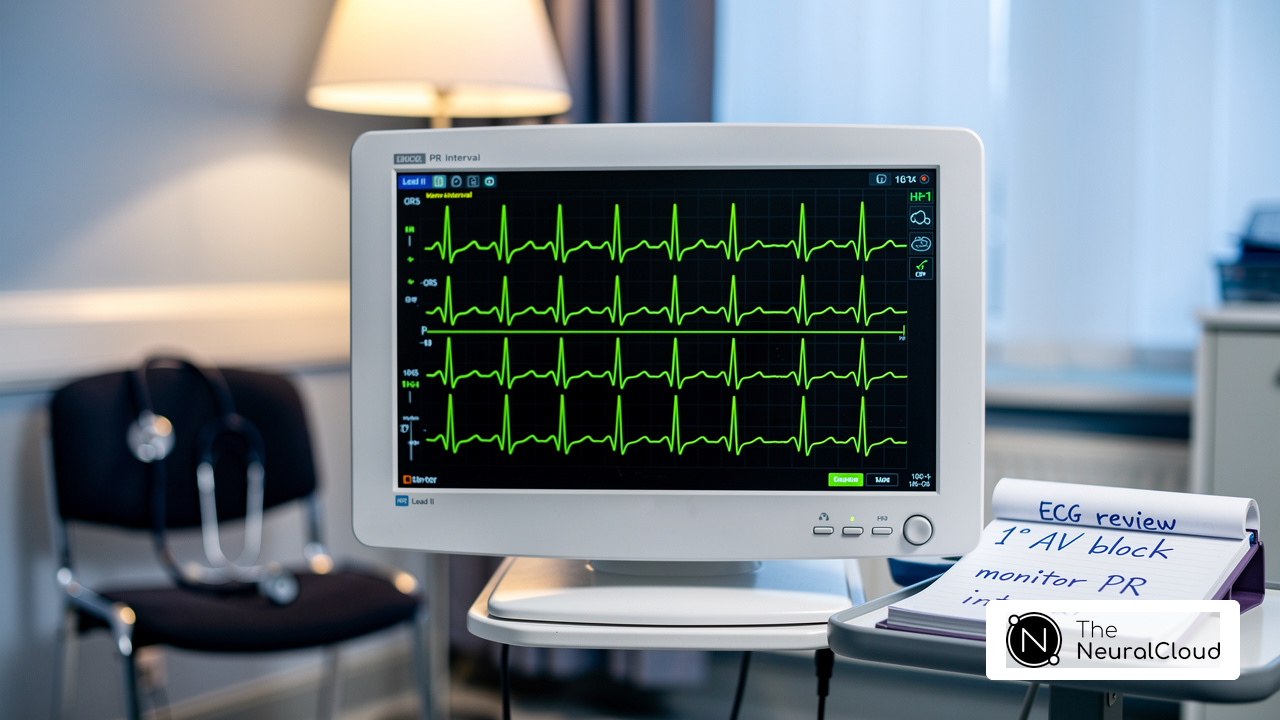
- Measure PR Interval: Evaluate the PR interval to determine conduction delays, which can signal various cardiac problems. The platform provides precise measurements of the PR interval.
- Examine QRS Complex: Examine the QRS complex for width and morphology, as these characteristics can indicate ventricular issues. The system offers detailed analysis of the QRS complex morphology.
- Evaluate ST Segment: Assess the ST segment for elevation or depression, which can signal ischemia or infarction, critical for timely intervention. The platform automatically detects ST segment changes.
- Check T Waves: Look for T wave abnormalities that may indicate issues, vital for comprehensive cardiac assessment. The system assists in identifying T wave irregularities.
- Summarize Findings: Compile the findings into a coherent summary that informs clinical decisions, ensuring that all relevant data is considered. MaxYield™ generates comprehensive reports that facilitate this process.
By following these steps, clinicians can enhance their analytical skills and significantly reduce the chance of mistakes. Research indicates that structured training and adherence to systematic processes can improve accuracy, with post-training assessments showing a median accuracy increase from 54% to 67%. As noted by David A Cook, "Physicians at all training levels may have deficiencies in ECG interpretation, even after educational interventions." This structured approach, combined with the advanced capabilities of the technology, not only aids in accurate diagnosis but also fosters confidence in practitioners.

Leverage Advanced Technology for Automated EKG Analysis
To fully harness the advantages of technology, healthcare providers should implement the following best practices:
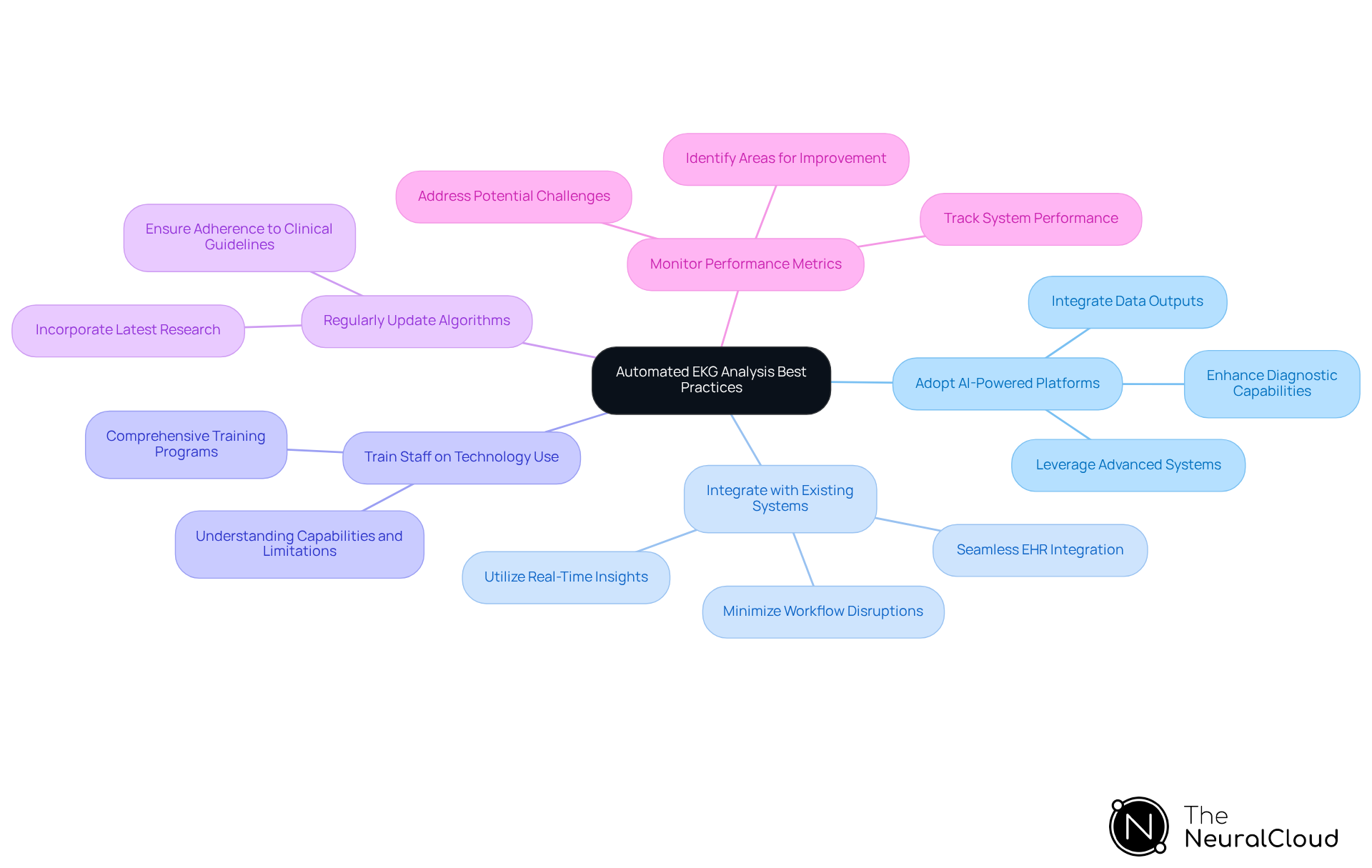
- Adopt Advanced Systems: Leverage platforms such as Neural Cloud Solutions' advanced system, which enables rapid processing of extensive datasets, analyzing over 200,000 heartbeats in under five minutes. Such efficiency significantly enhances diagnostic capabilities. The platform effectively maps ECG signals through noise, isolating and labeling key features in every heartbeat. This process aids in identifying cardiac events and supports confident clinical decisions. Notably, the system boasts a diagnostic accuracy rate much lower than the 41.8% rate for standard triage, underscoring its effectiveness in improving diagnostic accuracy. Additionally, MaxYield™ outputs data in CSV format, facilitating easy integration into existing workflows.
- Ensure Seamless Integration: Ensure that technology integrates seamlessly with existing systems. Successful integration minimizes workflow disruptions and enhances data accessibility. This allows clinicians to make informed decisions based on real-time insights. The FDA's approval of the first AI-ECG algorithm in 2023 further highlights regulatory advancements in this field, adding credibility to the integration of AI-ECG with EHR systems.
- Train Staff on Technology Use: Provide comprehensive training for healthcare professionals on utilizing automated systems effectively. Understanding the technology's capabilities and limitations is essential for accurate assessments and ensuring precise interpretations.
- Regularly Update Algorithms: Keep AI algorithms current by incorporating the latest research findings and clinical guidelines. Continuous updates improve the precision of assessments and ensure adherence to evolving standards in cardiac care.
- Monitor Performance Metrics: Track the performance of automated systems to identify areas for improvement. Regular assessments ensure that these tools meet clinical standards and contribute positively to patient outcomes. Additionally, medical providers should be aware of potential challenges, such as alert fatigue and the need for interpretability of AI models, to prepare for any pitfalls in integration.
By adopting advanced technology and incorporating it with EHR systems, medical providers can greatly enhance the efficiency and precision of EKG interpretations, ultimately resulting in improved patient care, especially when EKG stat is required.
Address Challenges in EKG Interpretation: Noise Reduction and Signal Clarity
To enhance the clarity of EKG signals and reduce noise, healthcare professionals face several challenges that require effective solutions. Implementing effective strategies is crucial, particularly by leveraging advanced solutions like MaxYield™. Here are key approaches:
- Use advanced machines: Investing in advanced EKG machines designed to minimize noise and enhance signal quality is essential. These machines utilize superior technology to ensure optimal performance.
- Ensure proper positioning: Proper electrode positioning and skin preparation are vital. This reduces motion artifacts and enhances contact, which is essential for achieving clear signals.
- Employ digital filtering techniques: Utilizing digital filters can effectively remove baseline wander and high-frequency noise from the ECG signal. The techniques significantly enhance signal clarity.
- Regular calibration: Regular calibration of EKG machines is necessary to maintain accuracy and performance, especially for EKG stat. This ensures compatibility with automated solutions for optimal results.
- Provide training: Training medical professionals on techniques to minimize noise is crucial. Ensuring patient comfort and reducing movement during recording complements the automated processes of the MaxYield™ system.
By addressing these challenges and incorporating MaxYield™ into their methods, clinicians can significantly improve EKG analysis, ensuring an EKG stat response when necessary. This leads to more precise diagnoses, ultimately benefiting patient care.

Commit to Continuous Learning and Adaptation in EKG Practices
To cultivate a culture of continuous improvement in EKG practices, healthcare professionals should:
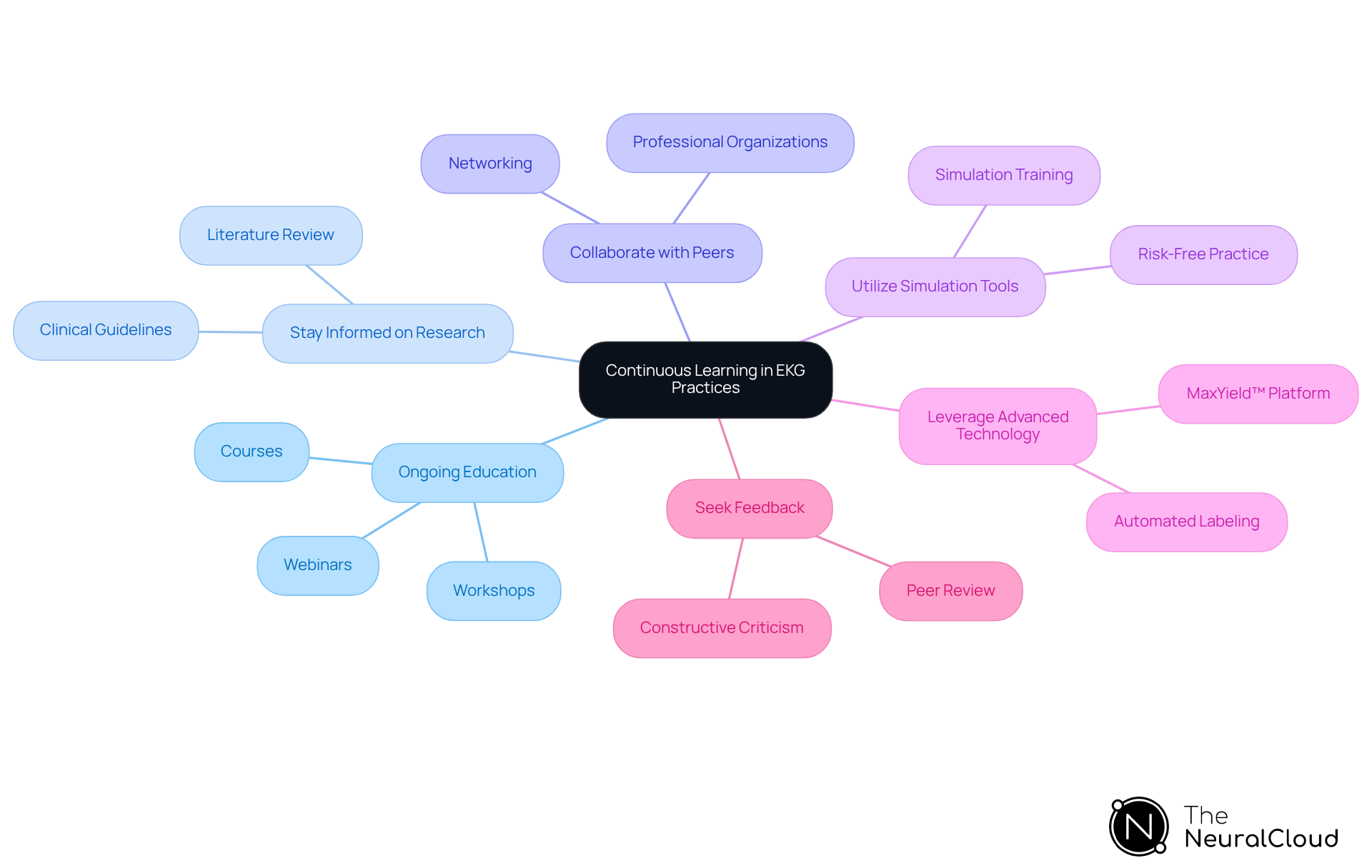
- Engage in workshops, webinars, and courses that focus on the latest advancements in EKG interpretation and technology. A five-hour weekend session can measurably improve skills, demonstrating the importance of dedicated learning time for EKG stat.
- Regularly review current literature and clinical guidelines to remain updated on best practices and emerging trends. Continuous education is vital, as becoming proficient in EKG interpretation is a lifelong journey that requires an 'ekg stat' approach. Many professionals recognize the necessity for ongoing training to enhance their skills.
- Join professional organizations and networks to share knowledge and experiences with colleagues in the field. Engaging with a community of practitioners fosters an environment of support and shared learning, which is crucial for professional growth.
- Utilize Simulation Tools: Incorporate simulation tools to practice in a risk-free environment. This hands-on approach not only enhances skills but also builds confidence in real-world scenarios.
- Leverage Advanced Technology: The technology offers innovative solutions that transform lengthy and noisy ECG recordings into clean, crisp signals. This technology improves the efficiency of ECG analysis through automated labeling and swift data processing. By incorporating MaxYield™ into their workflows, healthcare professionals can focus on analysis rather than manual tasks, streamlining their learning process and enhancing their diagnostic capabilities.
- Seek Feedback: Encourage peer review and input on EKG assessments to identify areas for improvement. Constructive criticism is vital for personal development and helps establish a culture of learning within clinical teams.
By committing to continuous learning and leveraging advanced technologies like MaxYield™, healthcare professionals can significantly enhance their EKG interpretation skills, ensuring they can respond with EKG stat in the evolving landscape of cardiology.
Conclusion
Implementing a structured approach to EKG analysis is crucial for enhancing diagnostic accuracy and improving patient care. Healthcare professionals face various challenges in EKG interpretation, including the risk of errors and the need for confidence in clinical decision-making. By following a comprehensive 10-step interpretation process, these challenges can be significantly mitigated. The integration of advanced technologies, such as Neural Cloud Solutions' MaxYield™ platform, empowers clinicians to achieve precise and efficient EKG interpretations.
The MaxYield™ platform offers several key features that enhance EKG analysis:
- Accurate Patient Details: Ensures that all relevant patient information is considered.
- Proper Lead Placement: Guides clinicians in achieving optimal lead positioning.
- Systematic Assessment: Facilitates a thorough evaluation of EKG components, from rhythm to T waves.
These features translate into substantial advantages for healthcare professionals. By leveraging the MaxYield™ platform, clinicians can reduce the likelihood of errors, improve their diagnostic confidence, and ultimately enhance patient outcomes. Continuous learning and adaptation are emphasized, highlighting the necessity for ongoing education and the use of simulation tools to refine skills. This commitment to education, combined with innovative technologies, allows healthcare providers to overcome challenges in EKG interpretation, such as noise reduction and signal clarity.
In conclusion, embracing a structured methodology and advanced tools like the MaxYield™ platform is essential for mastering EKG analysis. As the field of cardiology evolves, committing to ongoing education and utilizing innovative technologies will ensure that healthcare professionals remain adept at delivering high-quality care. By prioritizing accurate EKG interpretations, the medical community can enhance patient safety and improve clinical outcomes, reinforcing the critical role of EKG analysis in effective healthcare delivery.
Frequently Asked Questions
What is the purpose of implementing a structured 10-step EKG interpretation process?
The purpose is to achieve accurate EKG interpretations and improve outcomes by addressing challenges that can impact the accuracy of EKG stat readings.
What is the first step in the 10-step EKG interpretation process?
The first step is to confirm patient details, ensuring that the patient's identity and clinical history are accurately documented to avoid misinterpretation of EKG stat results.
How does the MaxYield™ platform assist in confirming patient details?
The MaxYield™ platform provides a streamlined interface for documenting patient information, which helps ensure accuracy.
Why is checking lead placement important in EKG interpretation?
Checking lead placement is crucial because incorrect electrode placement can lead to misinterpretation of the EKG, significantly affecting diagnostic accuracy.
What role does the MaxYield™ platform play in checking lead placement?
The platform flags potential lead placement issues based on its analysis to help ensure correct electrode placement.
How is the rhythm assessed in the EKG interpretation process?
The rhythm is assessed to determine if it is regular or irregular, which is critical for identifying arrhythmias and other cardiac conditions.
What features does the MaxYield™ platform provide for rhythm assessment?
The platform automates rhythm assessment, offering quick insights into the patient's cardiac rhythm.
How do you calculate the heart rate from an EKG tracing?
The heart rate is calculated using the EKG tracing, providing essential insights into the patient's cardiac status.
What assistance does the MaxYield™ platform offer in calculating heart rate?
The system provides precise heart rate calculations in real-time.
What is the significance of identifying P waves in EKG interpretation?
Identifying P waves is important for assessing atrial activity and detecting any abnormalities that may indicate underlying issues.
How does the MaxYield™ platform help with P wave identification?
The platform highlights P wave characteristics for easier identification.
Why is measuring the PR interval important?
Measuring the PR interval helps determine conduction delays, which can signal various cardiac problems.
What analysis does the MaxYield™ platform provide for the PR interval?
The platform provides precise measurements of the PR interval.
What should be examined in the QRS complex during EKG interpretation?
The QRS complex should be examined for width and morphology, as these characteristics can indicate ventricular issues.
How does the MaxYield™ platform assist in analyzing the QRS complex?
The system offers detailed analysis of the QRS complex morphology.
What does evaluating the ST segment indicate?
Evaluating the ST segment can indicate elevation or depression, which may signal ischemia or infarction, critical for timely intervention.
How does the MaxYield™ platform aid in assessing the ST segment?
The platform automatically detects ST segment changes.
What should clinicians look for in T waves during EKG interpretation?
Clinicians should look for T wave abnormalities that may indicate electrolyte imbalances or ischemia.
How does the MaxYield™ platform help with T wave assessment?
The system assists in identifying T wave irregularities.
What is the final step in the 10-step EKG interpretation process?
The final step is to summarize findings into a coherent report that informs clinical decision-making.
How does the MaxYield™ platform facilitate the summarization of findings?
MaxYield™ generates comprehensive reports that compile all relevant data for clinical decision-making.
What impact does structured training have on EKG interpretation accuracy?
Research indicates that structured training and adherence to systematic processes can improve diagnostic accuracy, with assessments showing a median accuracy increase from 54% to 67%.
What is emphasized about physicians' skills in ECG interpretation?
It is noted that physicians at all training levels may have deficiencies in ECG interpretation, even after educational interventions.
List of Sources
- Implement a Structured 10-Step EKG Interpretation Process
- uc.edu (https://uc.edu/news/articles/2024/10/uc-cardiologist-looks-at-the-effectiveness-of-a-portable-ekg-patch.html)
- heart.org (https://heart.org/en/news/2023/11/06/can-ekgs-read-by-ai-save-lives-its-possible-researchers-say)
- Accuracy of Physicians’ Electrocardiogram Interpretation (https://jamanetwork.com/journals/jamainternalmedicine/fullarticle/2771093)
- Accuracy of Physicians’ Electrocardiogram Interpretations: A Systematic Review and Meta-analysis - PMC (https://pmc.ncbi.nlm.nih.gov/articles/PMC7522782)
- Leverage Advanced Technology for Automated EKG Analysis
- AI-ECG Finds STEMI Faster, Cuts False-Positive Cath Lab Activations (https://tctmd.com/news/ai-ecg-finds-stemi-faster-cuts-false-positive-cath-lab-activations)
- AI-driven ECG improves detection of severe heart attacks (https://news-medical.net/news/20251029/AI-driven-ECG-improves-detection-of-severe-heart-attacks.aspx)
- pmc.ncbi.nlm.nih.gov (https://pmc.ncbi.nlm.nih.gov/articles/PMC12504586)
- viz.ai (https://viz.ai/news/new-data-show-viz-ais-ai-enabled-ecg-screening-increases-detection)
- Current and Future Use of Artificial Intelligence in Electrocardiography - PMC (https://pmc.ncbi.nlm.nih.gov/articles/PMC10145690)
- Commit to Continuous Learning and Adaptation in EKG Practices
- nature.com (https://nature.com/articles/s41591-025-03751-2)
- AI-ECG Finds STEMI Faster, Cuts False-Positive Cath Lab Activations (https://tctmd.com/news/ai-ecg-finds-stemi-faster-cuts-false-positive-cath-lab-activations)
- newsnetwork.mayoclinic.org (https://newsnetwork.mayoclinic.org/discussion/alumni-the-ekg-guy)
- allnurses.com (https://allnurses.com/ekg-resources-t656796)
- Effectiveness of electrocardiogram interpretation education program using mixed learning methods and webpage - BMC Medical Education (https://link.springer.com/article/10.1186/s12909-024-05960-8)