Introduction
Understanding the complexities of inferolateral STEMI is crucial for healthcare professionals. This condition can lead to severe cardiac complications if not promptly addressed. With advancements in technology, particularly in ECG analysis, there is a significant opportunity to improve diagnostic accuracy and patient outcomes. However, the challenge remains: how can clinicians effectively harness these technological solutions to navigate the intricacies of inferolateral STEMI and ensure timely interventions?
The MaxYield™ platform addresses these challenges by enhancing ECG analysis. It offers features that streamline the diagnostic process, allowing for quicker and more accurate interpretations. By leveraging advanced algorithms, the platform reduces the likelihood of misdiagnosis, which is critical in emergency situations.
The advantages of using MaxYield™ are clear. Healthcare professionals can expect improved patient outcomes through timely interventions, as the platform provides real-time data and insights. This not only aids in decision-making but also enhances overall workflow efficiency in clinical settings.
In summary, the MaxYield™ platform represents a significant advancement in ECG analysis, offering features that directly benefit healthcare professionals. By improving diagnostic accuracy and facilitating timely interventions, it plays a vital role in managing conditions like inferolateral STEMI.
Define Inferolateral STEMI: Clinical Significance and Pathophysiology
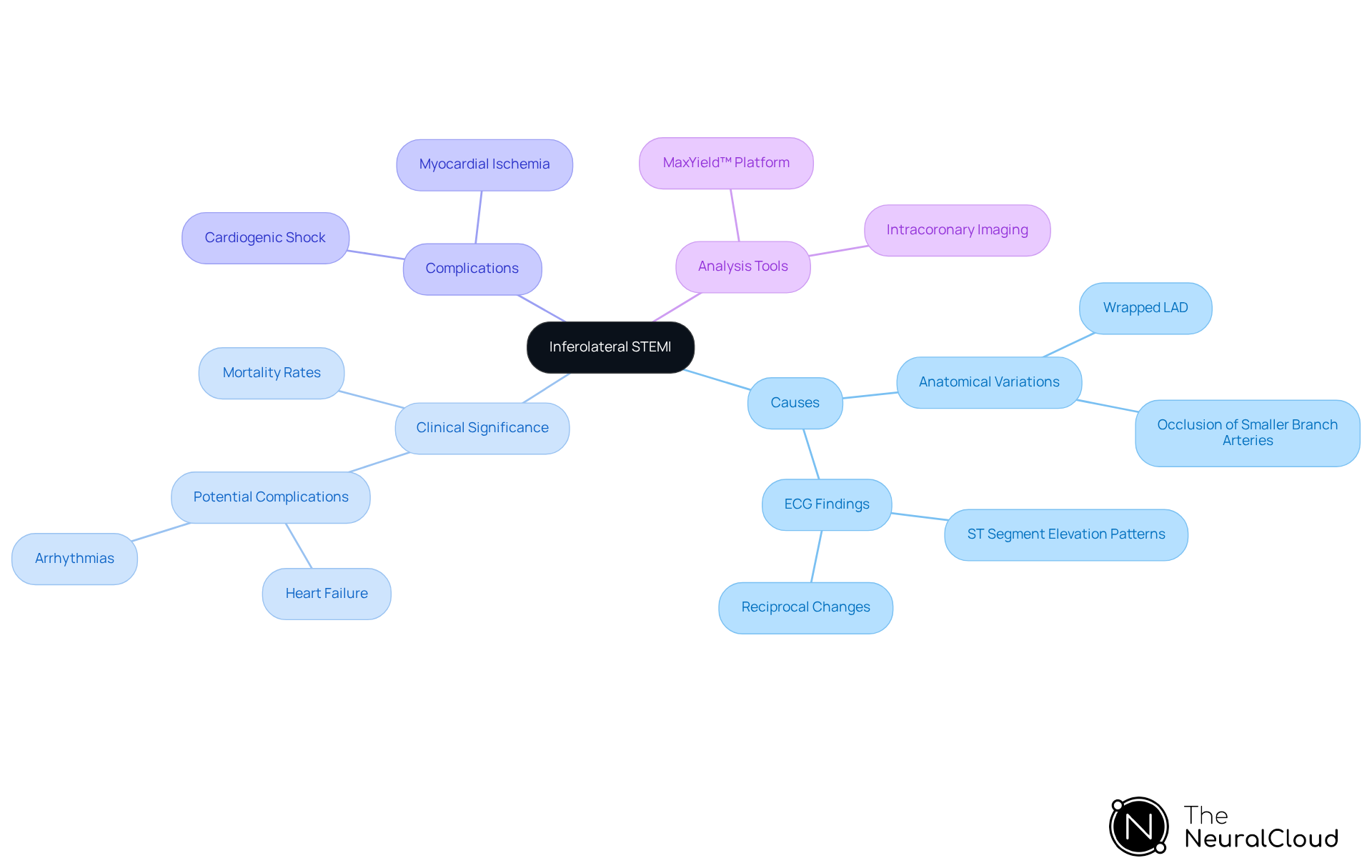
affects the inferior and lateral walls of the heart, primarily due to blockages in the coronary arteries, especially the left circumflex artery (LCx) and right coronary artery (RCA), resulting in serious complications. This condition is marked by ST elevation in leads II, III, aVF, and V5-V6 on the ECG. The clinical significance of inferolateral STEMI lies in its potential to cause severe complications, such as heart failure and arrhythmias, if it is not promptly identified and treated. Myocardial injury results from reduced blood flow, leading to tissue necrosis, which necessitates immediate intervention to restore perfusion and minimize damage.
Recent studies show that untreated inferolateral STEMI can lead to poorer clinical outcomes, with patients experiencing higher rates of adverse events and mortality. For example, patients with simultaneous anterior and inferior STEMI often have distal left anterior descending (LAD) lesions, complicating treatment and increasing the risk of significant myocardial damage. Key causes of misdiagnosis include anatomical variations, such as a wrapped LAD, which can obscure typical ECG findings and lead to misdiagnosis. Cardiologists stress the importance of accurate ECG interpretation in these cases, as timely diagnosis and intervention are crucial for improving patient outcomes.
In this context, integrating advanced tools like the MaxYield™ system can significantly enhance ECG analysis. This system automates ECG labeling and data extraction, effectively addressing challenges such as noise and signal artifacts that are common in traditional ECG monitoring. By providing beat-by-beat analysis and isolating key features in every heartbeat, the MaxYield™ system supports healthcare professionals in making informed decisions swiftly.
Dr. Venu Menon highlights that cardiogenic shock is associated with a mortality rate of 45%-50%, even with optimal revascularization of the infarct-related artery, underscoring the urgency of timely intervention. Understanding these factors is essential for developing treatment protocols that can aid healthcare professionals in making informed decisions.
Identify ECG Changes: Key Indicators of Inferolateral STEMI
Key ECG changes indicative of inferolateral STEMI include:
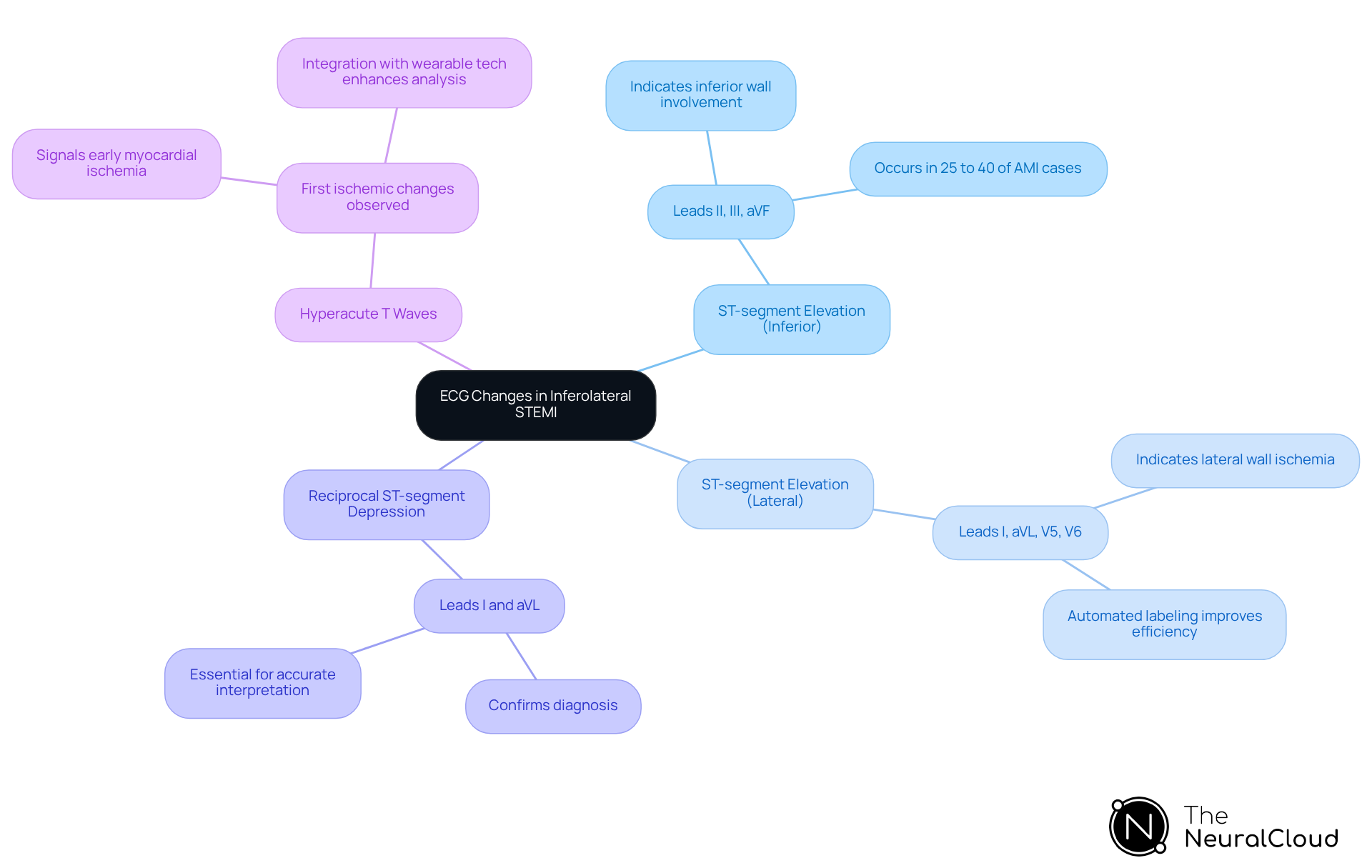
- Elevation in leads II, III, and aVF, reflecting inferior wall involvement. Approximately 25% to 40% of acute myocardial infarction (AMI) cases are attributed to STEMI. The technology enhances the identification of these changes through advanced noise filtering, ensuring that critical data is accurately captured even in challenging recording conditions.
- Elevation in leads I, aVL, V5, V6 indicates lateral wall ischemia, which is crucial for assessing the extent of myocardial damage. The system automates the labeling of these segments, improving efficiency and precision for healthcare professionals.
- Reciprocal ST-segment depression in leads I and aVL can further confirm the diagnosis and is essential for accurate interpretation. The adaptability of the system allows it to evolve with each use, enhancing diagnostic yield over time.
- Ischemic changes, often the first observed, may also be present initially, signaling myocardial injury. The integration of wearable technology with the system facilitates continuous monitoring, reducing costs and enhancing the overall analysis process.
Recognizing these changes is vital for patient management, guiding clinicians in making rapid decisions regarding treatment strategies. For instance, a patient presenting with ST elevation, characterized by simultaneous ST elevation in inferior and lateral leads, may indicate a complex occlusion scenario, necessitating immediate action to optimize outcomes. The phrase "time is muscle" underscores the urgency in addressing these ECG findings to minimize myocardial damage.
Utilize Advanced Technology: Enhancing ECG Analysis with MaxYield™
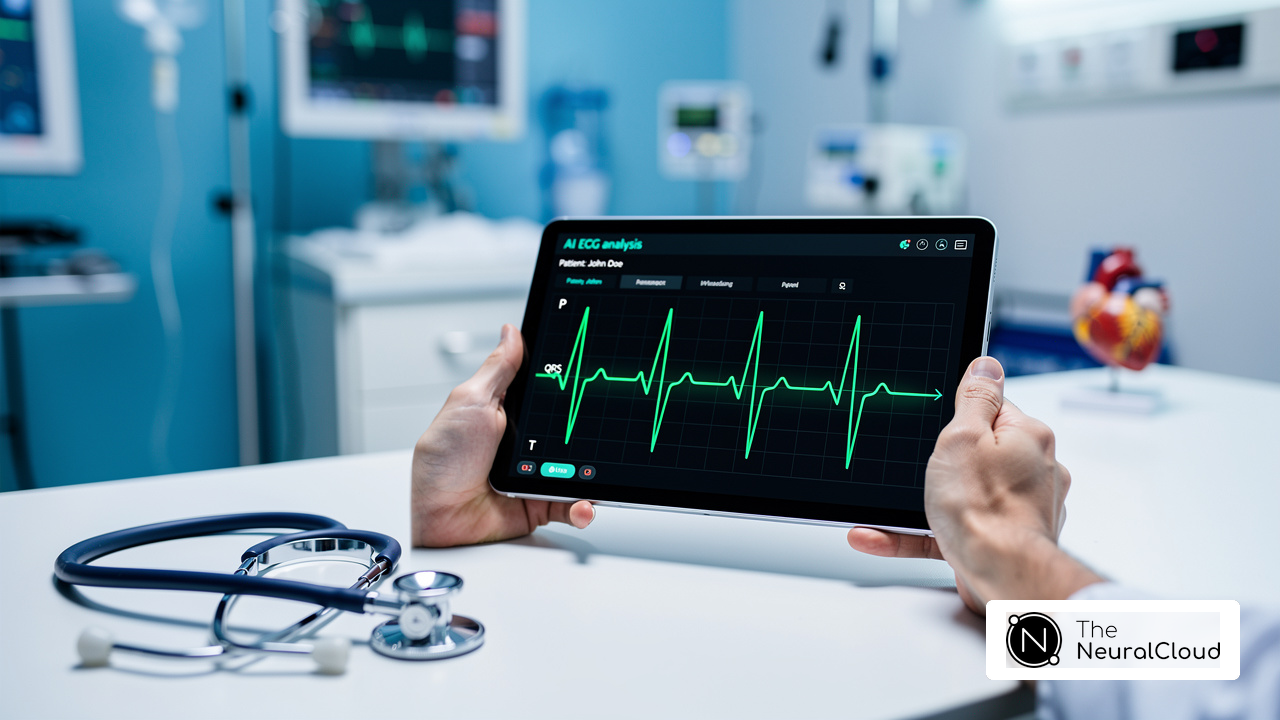
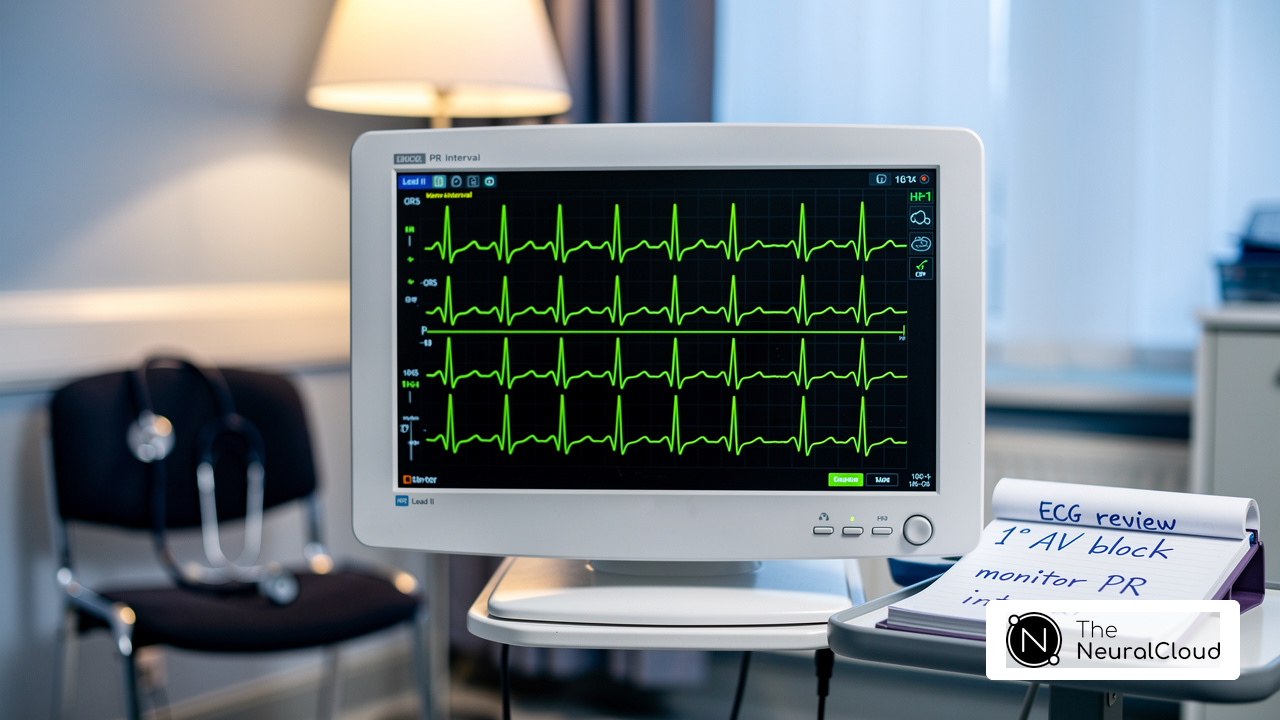
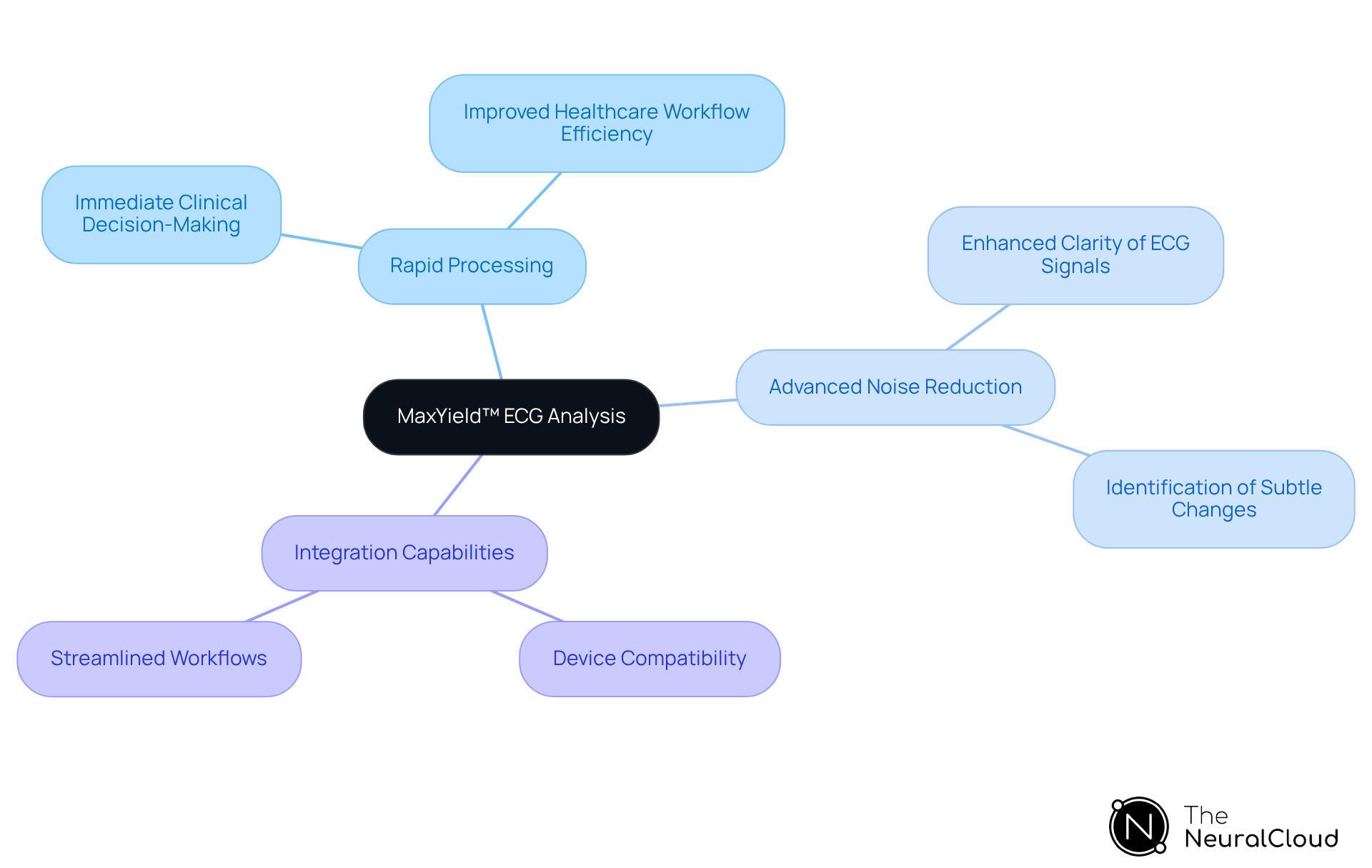
ECG analysis presents several challenges, particularly in accurately identifying and tagging essential waveform characteristics. The technology addresses these issues by providing solutions, focusing on key elements such as P-waves, QRS complexes, and T-wave intervals.
- Rapid processing: The platform can analyze over 200,000 heartbeats in under five minutes, facilitating immediate clinical decision-making and improving healthcare workflow efficiency.
- Noise reduction: It effectively handles noise and artifacts, enhancing the clarity of ECG signals. This capability allows for the identification of abnormalities that may indicate ischemia, as the system maps ECG signals through noise, isolating and labeling key features in each heartbeat.
- Device compatibility: The platform is compatible with various ECG devices, enabling clinicians to use it across different clinical settings. Being device-agnostic, it captures ECG recordings from any 1-lead or 3-lead device effortlessly. By leveraging AI algorithms, MaxYield™ not only enhances diagnostic accuracy but also streamlines workflows, allowing healthcare professionals to focus more on patient care rather than manual data processing.
Manage Inferolateral STEMI: Treatment Protocols and Best Practices
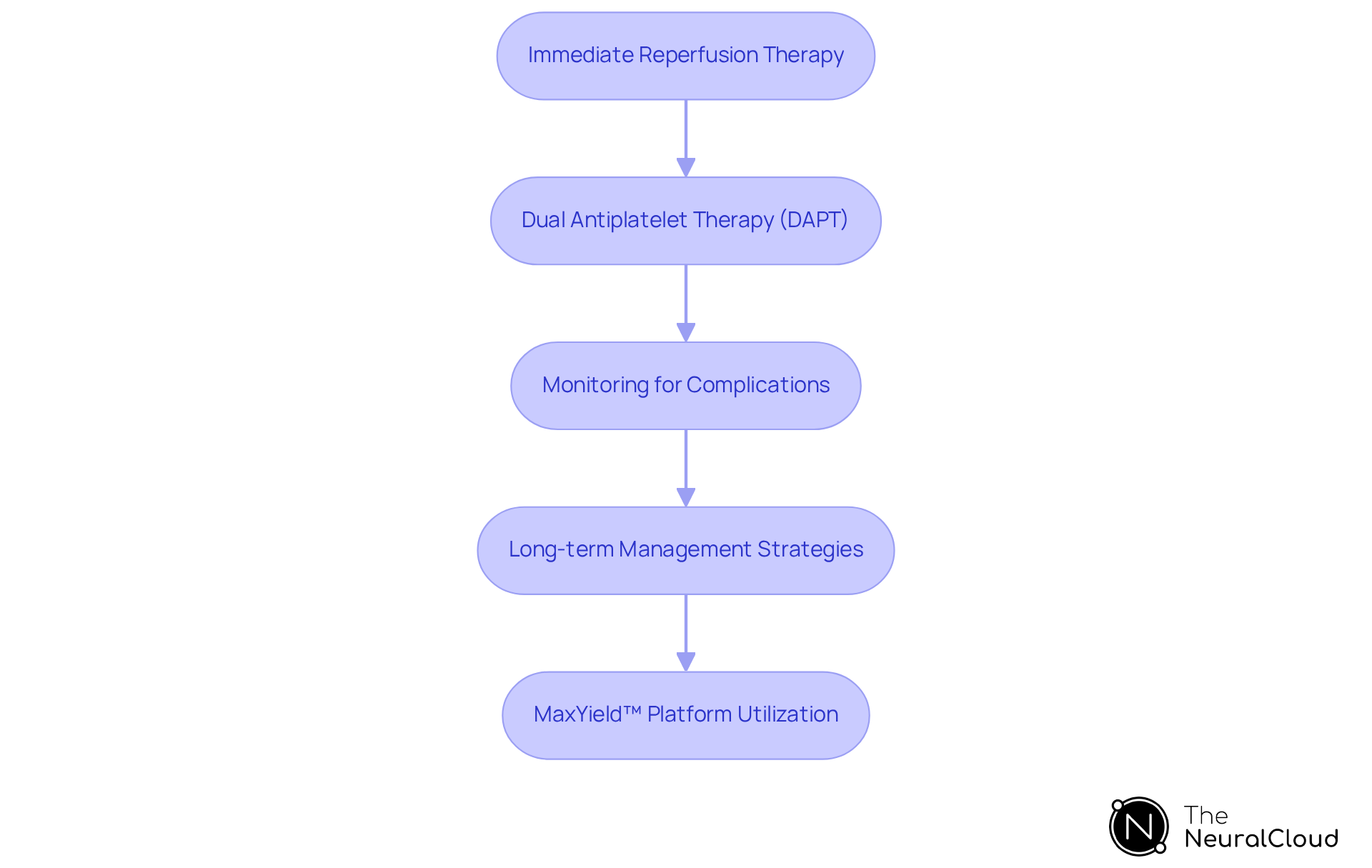
Management of Inferolateral STEMI typically involves several critical steps:
- Immediate reperfusion therapy: This includes percutaneous coronary intervention (PCI) or thrombolysis, aimed at restoring blood flow to the affected myocardium.
- Dual antiplatelet therapy: Administering aspirin alongside a P2Y12 inhibitor helps prevent thrombus formation after PCI.
- Monitoring for complications: Healthcare providers must keep an eye out for potential issues like arrhythmias and heart failure, which can occur due to significant myocardial damage.
- Long-term management strategies: These include lifestyle modifications and pharmacotherapy to lower the risk of future cardiovascular events. Following the latest guidelines, timely intervention and continuous assessment of the patient's condition are essential for optimizing outcomes.
In this context, the MaxYield™ platform offers advanced technology that significantly enhances the ECG analysis process. It transforms lengthy and noisy ECG recordings into clear, distinct signals, enabling healthcare providers to make informed decisions and continuously evaluate the patient's condition. This optimization is crucial in managing the condition known as Inferolateral STEMI. Users have noted, "MaxYield™ has improved our workflow, providing clarity that was previously unattainable." Such feedback highlights the importance of timely intervention and ongoing assessment in improving patient outcomes.
Conclusion
Inferolateral STEMI is a critical cardiovascular condition that requires immediate recognition and intervention. Understanding its clinical significance and the underlying pathophysiology helps healthcare professionals navigate the complexities of this condition. Timely identification of ECG changes, such as ST-segment elevations in specific leads, is essential for optimizing patient outcomes and minimizing the risk of severe complications.
The article emphasizes several key insights, particularly the role of advanced technology like the MaxYield™ platform in enhancing ECG analysis. This platform streamlines the identification of vital ECG changes, improving the overall efficiency of clinical workflows. With features such as rapid processing and advanced noise reduction, MaxYield™ enables clinicians to make informed decisions swiftly, leading to better management of inferolateral STEMI.
In conclusion, integrating advanced technological solutions in ECG interpretation is crucial for effectively managing inferolateral STEMI. As the field evolves, staying informed about the latest research and advancements is essential for healthcare professionals. Embracing these tools and insights can significantly enhance diagnostic accuracy and improve patient care, highlighting the importance of timely intervention in this life-threatening condition.
Frequently Asked Questions
What is inferolateral STEMI?
Inferolateral STEMI is a type of heart attack that affects the inferior and lateral walls of the heart, primarily due to blockages in the coronary arteries, particularly the left circumflex artery (LCx) and right coronary artery (RCA).
How is inferolateral STEMI identified on an ECG?
Inferolateral STEMI is marked by ST-segment elevation in leads II, III, aVF, and V5-V6 on the ECG.
What are the clinical significance and potential complications of inferolateral STEMI?
The clinical significance lies in its potential to cause severe complications, such as heart failure and arrhythmias, if not promptly identified and treated. Myocardial ischemia from reduced blood flow can lead to tissue necrosis, necessitating immediate intervention.
What are the consequences of untreated inferolateral STEMI?
Untreated inferolateral STEMI can lead to poorer clinical outcomes, including higher rates of adverse events and mortality.
What complicates the treatment of patients with inferolateral STEMI?
Patients with simultaneous anterior and inferior ST elevation often have distal left anterior descending (LAD) lesions, complicating treatment and increasing the risk of significant myocardial damage.
What anatomical variations can affect the diagnosis of inferolateral STEMI?
Anatomical variations, such as a wrapped LAD, can obscure typical ECG findings and lead to misdiagnosis.
Why is accurate ECG interpretation crucial in cases of inferolateral STEMI?
Accurate ECG interpretation is essential because timely recognition and intervention are crucial for improving patient outcomes.
How can advanced tools like the MaxYield™ platform assist in ECG analysis?
The MaxYield™ platform automates ECG labeling and data extraction, addressing challenges like physiological variability and signal artifacts, and supports healthcare professionals in making informed decisions quickly.
What is the mortality rate associated with cardiogenic shock in the context of inferolateral STEMI?
The mortality rate associated with cardiogenic shock is 45%-50%, even with optimal revascularization of the infarct-related artery, highlighting the urgency of timely intervention.
List of Sources
- Define Inferolateral STEMI: Clinical Significance and Pathophysiology
- New Guideline on Acute Coronary Syndromes: Key Takeaways (https://consultqd.clevelandclinic.org/new-guideline-on-acute-coronary-syndromes-key-takeaways-for-cardiologists)
- pmc.ncbi.nlm.nih.gov (https://pmc.ncbi.nlm.nih.gov/articles/PMC6931950)
- researchgate.net (https://researchgate.net/figure/Inferolateral-STEMI-There-is-STE-in-the-inferior-leads-STE-in-III-II-indicating-RCA_fig3_357814896)
- litfl.com (https://litfl.com/lateral-stemi-ecg-library)
- acc.org (https://acc.org/latest-in-cardiology/articles/2025/10/24/16/56/tues-254pm-combo-mi-tct-2025)
- Identify ECG Changes: Key Indicators of Inferolateral STEMI
- pmc.ncbi.nlm.nih.gov (https://pmc.ncbi.nlm.nih.gov/articles/PMC6931950)
- ecgwaves.com (https://ecgwaves.com/topic/stemi-st-elevation-myocardial-infarction-criteria-ecg)
- researchgate.net (https://researchgate.net/figure/Inferolateral-STEMI-There-is-STE-in-the-inferior-leads-STE-in-III-II-indicating-RCA_fig3_357814896)
- STEMI - Electrocardiogram - M3 Curriculum | SAEM (https://saem.org/about-saem/academies-interest-groups-affiliates2/cdem/for-students/online-education/m3-curriculum/group-electrocardiogram-(ecg)-rhythm-recognition/stemi)