Introduction
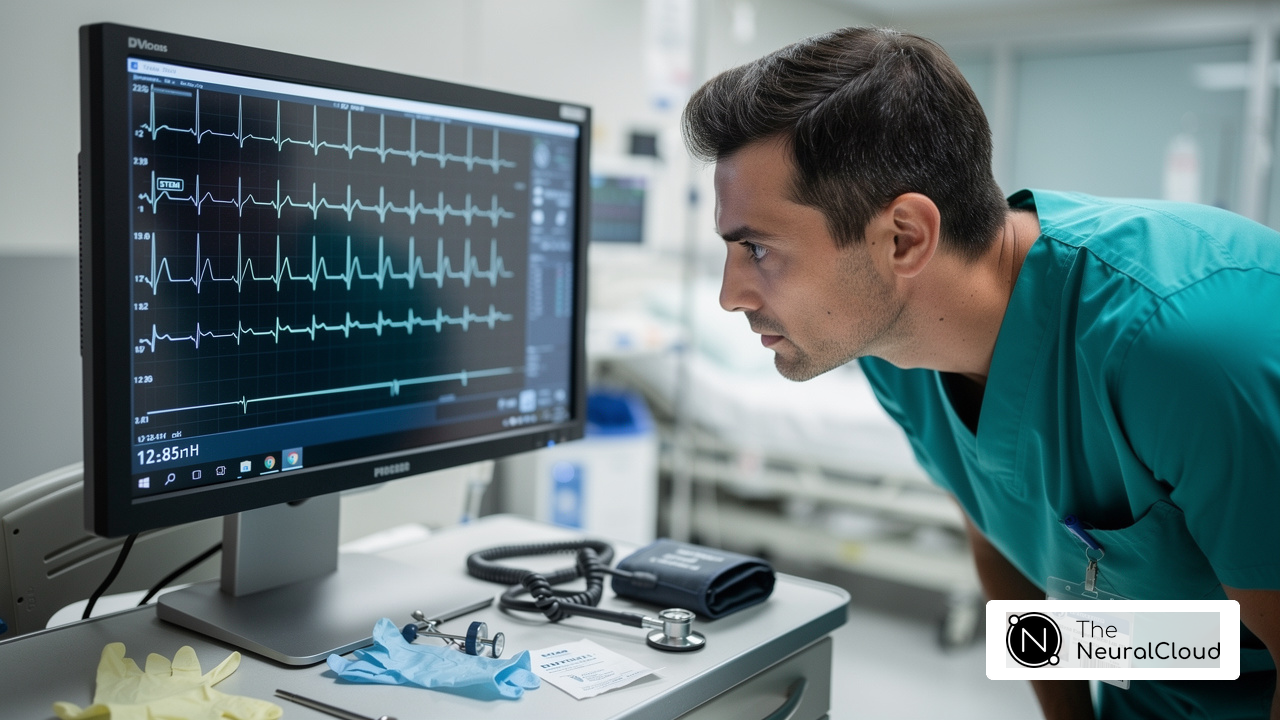
Left Bundle Branch Block (LBBB) poses a significant challenge in diagnosing ST-segment elevation myocardial infarction (STEMI), often masking essential ECG indicators that clinicians depend on. Understanding how LBBB interacts with STEMI is vital for healthcare professionals aiming to improve diagnostic accuracy and patient outcomes. As the medical community increasingly adopts advanced technologies like the MaxYield™ platform, it raises an important question: how can these innovations transform the diagnosis of STEMI in patients with LBBB, and what implications do they have for timely intervention?
The MaxYield™ platform offers several key features that enhance ECG analysis. It utilizes advanced algorithms to accurately interpret ECG readings, even in the presence of LBBB. This capability allows clinicians to identify critical changes associated with STEMI more effectively. Moreover, the platform provides real-time data analysis, which is crucial for making swift clinical decisions.
The advantages of using the MaxYield™ platform are significant. By improving the accuracy of ECG interpretations, healthcare professionals can make more informed decisions, leading to better patient outcomes. Additionally, the platform's user-friendly interface ensures that both technical and non-technical users can navigate it with ease, promoting widespread adoption across various healthcare settings.
In summary, the integration of the MaxYield™ platform into clinical practice not only addresses the challenges posed by LBBB in STEMI diagnosis but also enhances the overall efficiency of ECG analysis. This innovation represents a step forward in ensuring timely and effective patient care.
Clarify LBBB and Its Role in STEMI Diagnosis
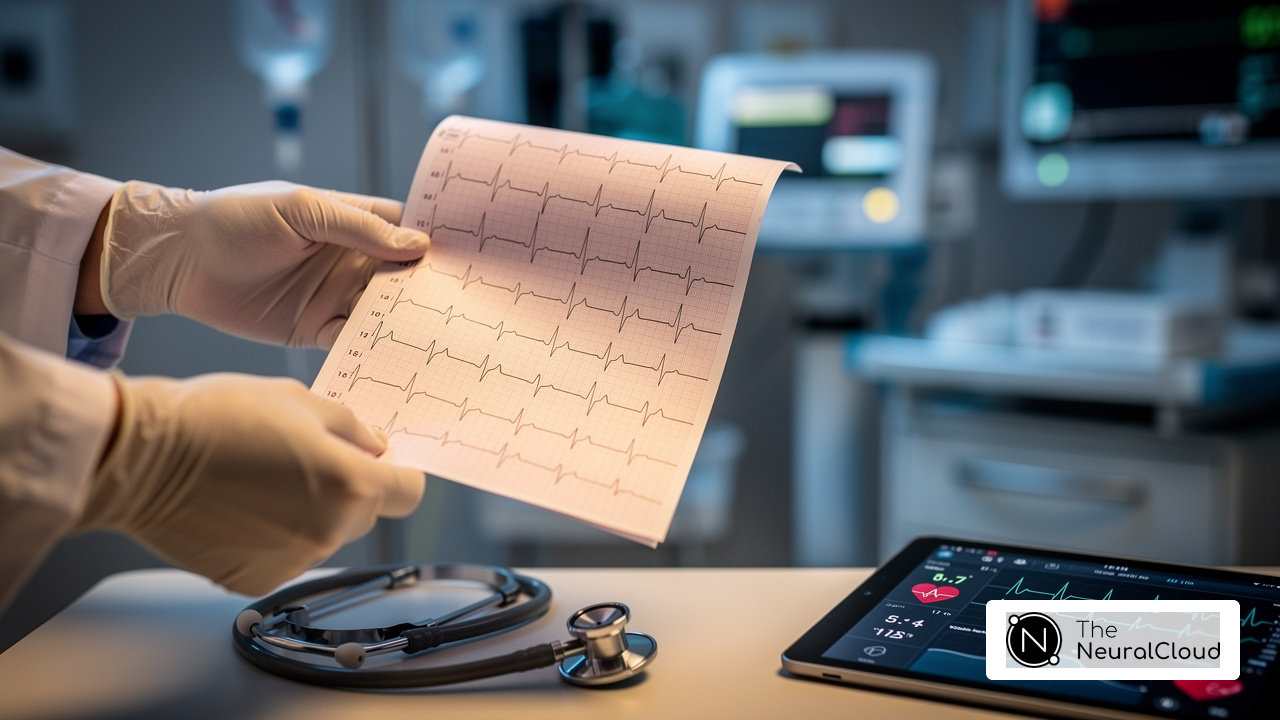
occurs when electrical impulses are delayed or obstructed in the left bundle branch, resulting in a widened QRS complex on an ECG. This alteration can obscure critical signs of STEMI based on the ECG findings, complicating the identification of myocardial infarction. Recent studies indicate that LBBB can mask typical indicators of STEMI, leading to diagnostic challenges for clinicians. For instance, the updated Sgarbossa criteria have been developed to improve sensitivity in detecting STEMI in patients with LBBB, effectively addressing the shortcomings of the original criteria that often resulted in false positives.
Clinicians must recognize that while LBBB may suggest underlying cardiac issues, it does not automatically indicate an acute event. The presence of LBBB can alter standard ECG patterns, making it essential for healthcare providers to adopt a nuanced approach when assessing individuals with chest pain or other ischemic symptoms. Real-world examples show that patients with new or suspected new LBBB and signs of hemodynamic instability should be prioritized for prompt intervention, as they may be at greater risk for adverse outcomes.
Moreover, the prevalence of LBBB in the general population ranges from 0.06% to 0.1%, with higher rates observed in older adults. This underscores the importance of accurate diagnosis, as LBBB can hinder the identification of acute coronary syndromes. Leveraging advanced technologies like Neural Cloud Solutions' ECG analysis platform, which employs machine learning and distinct wave recognition, can significantly enhance the accuracy and efficiency of diagnosis.
Features of ECG Analysis Platform
- Noise Reduction: Reduces interference in ECG readings.
- Distinct Wave Recognition: Improves identification of critical waveforms.
- Automated Labeling Process: Streamlines diagnosis for healthcare professionals.
By consistently learning from each application, the ECG analysis platform assists healthcare professionals in managing the complexities of LBBB and adhering to best practices for diagnosis. This ultimately enhances outcomes for individuals, ensuring timely and accurate interventions.
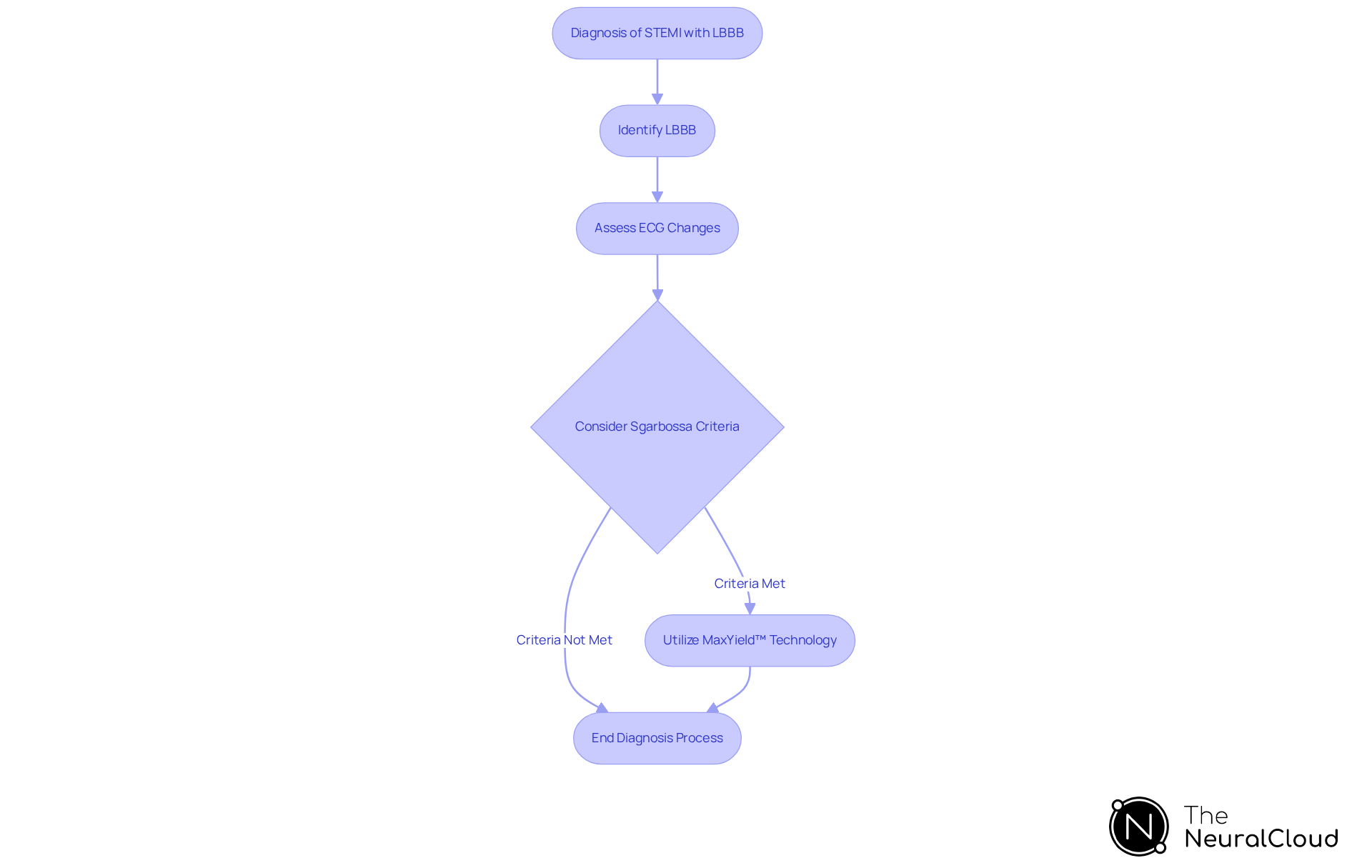
Explore Sgarbossa Criteria for STEMI in LBBB
The criteria play a crucial role in identifying STEMI in patients with Left Bundle Branch Block, comprising three essential components:
- Concordant: This criterion requires an elevation in leads that show a positive QRS complex.
- Concordant: An elevation in leads V1, V2, or V3 suggests potential ischemia.
- Discordant: This involves depression in any lead.
These criteria provide a structured framework for clinicians, enhancing the accuracy of ECG interpretation in the context of LBBB.
Recent studies indicate that the revised criteria, which incorporate the Sgarbossa criteria, significantly boost diagnostic sensitivity to 80%, compared to the original standards' sensitivity of around 50%. This improvement underscores the importance of these criteria in clinical settings, as these criteria facilitate timely and effective treatment decisions, ultimately improving patient outcomes. Furthermore, incorporating advanced solutions like ECG analysis from Neural Cloud Solutions can streamline this process by automating interpretation, minimizing noise, and offering detailed insights into each heartbeat. The system provides beat-by-beat analysis, enabling healthcare professionals to swiftly identify cardiac events and make informed clinical decisions.
However, it is essential to acknowledge that the adjusted criteria have not been extensively validated in large physician groups, raising concerns about their practicality and inter-rater consistency. The multicenter nature of the studies validating these standards enhances the external validity of the findings. Integrating the Sgarbossa criteria into routine practice, supported by tools like advanced ECG analysis, can lead to more accurate diagnoses and improved management of patients presenting with STEMI.

Apply Sgarbossa Criteria: Case Studies and Examples
Overview of Sgarbossa Criteria
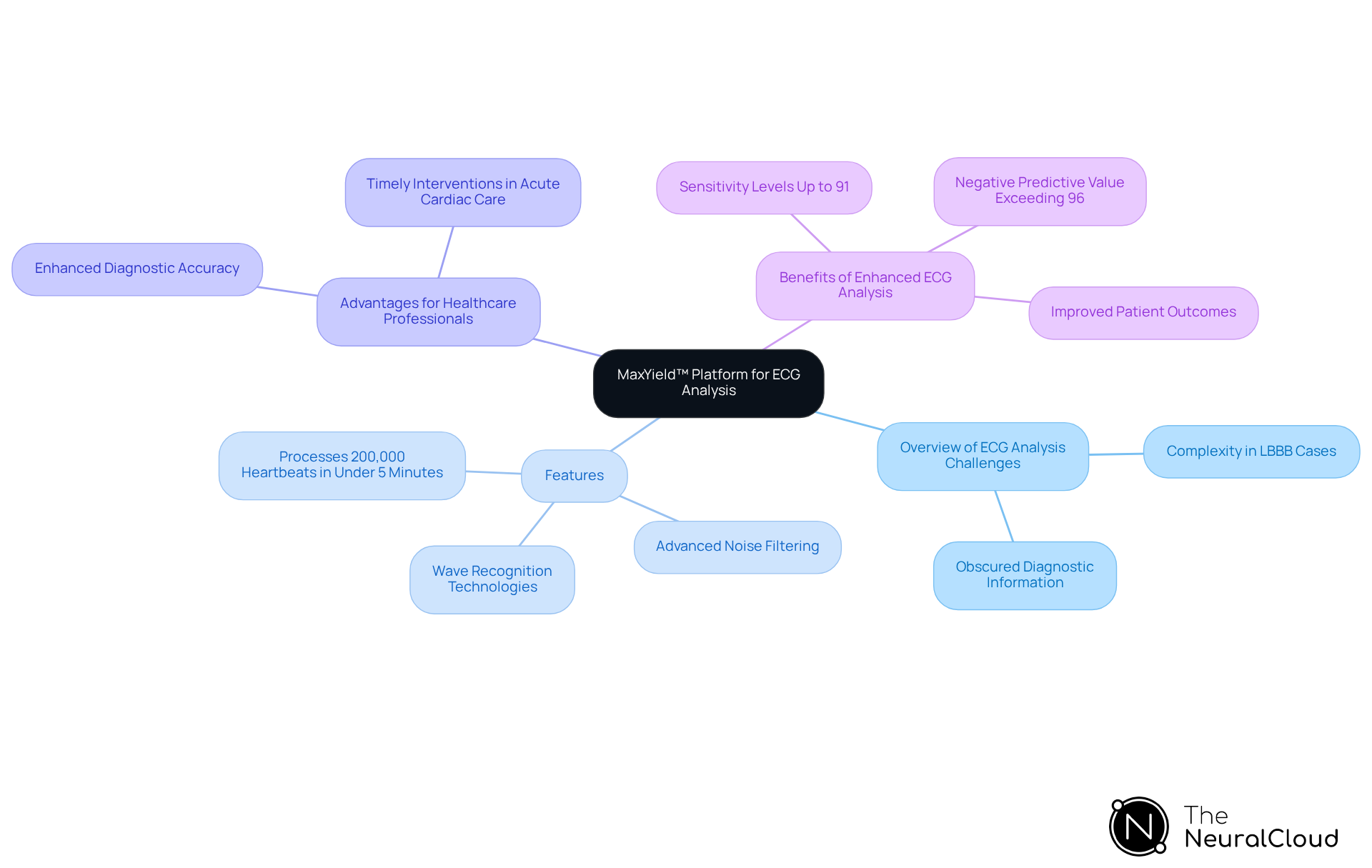
ECG analysis can be complex, particularly in patients with left bundle branch block (LBBB). The presence of LBBB can obscure critical diagnostic information, making it challenging for clinicians to accurately assess cardiac conditions. This complexity underscores the need for advanced tools that enhance the clarity of ECG readings.
Features of the MaxYield™ platform
The MaxYield™ platform offers a range of features designed to improve ECG analysis. It processes over 200,000 heartbeats in under five minutes, utilizing advanced algorithms and wave recognition technologies. These capabilities allow for rapid and accurate interpretation of ECG data, even in challenging cases.
Advantages for Healthcare Professionals
By incorporating the MaxYield™ platform into clinical practice, healthcare professionals can significantly enhance their diagnostic capabilities. The platform's ability to filter noise and recognize waveforms leads to clearer ECG readings, which is crucial for timely interventions. This is particularly important in emergency situations, where every moment counts.
Benefits of Enhanced ECG Analysis
The benefits of using the MaxYield™ platform extend beyond improved accuracy. With sensitivity levels reaching up to 91% and a negative predictive value exceeding 96%, the data demonstrate the platform's effectiveness in identifying STEMI. This precision not only aids in diagnosis but also improves patient outcomes by facilitating prompt treatment.
Conclusion
In summary, the MaxYield™ platform revolutionizes ECG analysis by addressing the challenges posed by LBBB. Its advanced features enhance diagnostic clarity, ultimately benefiting both healthcare professionals and patients. By integrating such technology into their practice, clinicians can ensure they are equipped to make informed decisions in acute cardiac situations.
Integrate Advanced ECG Analysis Technologies for Enhanced Diagnosis
The integration of advanced ECG analysis technologies, particularly artificial intelligence, is transforming the detection of STEMI in individuals based on the electrocardiogram. Traditional ECG analysis often struggles with the complexities of left bundle branch block, which can lead to potential misdiagnoses. This is where the technology from Neural Cloud Solutions comes into play.
Features of MaxYield™:
- Real-time Analysis: MaxYield™ processes extensive ECG data, uncovering patterns that may elude human interpretation.
- Automated Labeling: It automates the labeling of ECG waveforms, allowing clinicians to focus on high-level decision-making rather than labor-intensive manual interpretation.
- Advanced Noise Filtering: The platform can map ECG signals through noise, transforming noisy recordings into detailed insights.
Advantages of MaxYield™:
These features significantly enhance the sensitivity and specificity of the diagnosis, providing alerts for potential STEMI. With this technology, healthcare professionals can improve outcomes and minimize false positives. Notably, studies indicate that accuracy improves to 90%, compared to only 71% with traditional methods.
Benefits for Healthcare Professionals:
The urgency of improving diagnosis and treatment times is paramount, especially considering that only 17% of STEMI patients from non-PCI centers receive timely intervention. Dr. Timothy D. Henry emphasizes that AI can save lives, underscoring AI's critical role in modern cardiac care. Additionally, the Queen of Hearts™ model has achieved a false-positive rate of just 7.9%, a significant improvement over the 41.8% rate associated with standard triage methods. This highlights the advantages of AI-driven analysis in patient care.
Conclusion
Mastering the criteria for Left Bundle Branch Block (LBBB) in the context of ST-segment elevation myocardial infarction (STEMI) is crucial for accurate diagnosis and timely intervention. LBBB can obscure critical ECG indicators, presenting challenges for healthcare professionals. By integrating advanced technologies like the MaxYield™ platform, clinicians can enhance their diagnostic capabilities, ensuring they do not overlook potential STEMI cases.
This tutorial has highlighted the significance of the Sgarbossa criteria, which provide a structured framework for identifying STEMI in patients with LBBB. Key components such as concordant ST elevation, concordant ST depression, and discordant ST elevation are vital tools for clinicians. Incorporating updated Sgarbossa standards alongside advanced ECG analysis technologies can improve diagnostic sensitivity, facilitating more accurate and timely treatment decisions that ultimately lead to better patient outcomes.
In the evolving landscape of cardiac care, embracing advanced ECG analysis technologies is essential. The healthcare community aims to reduce misdiagnoses and improve patient care, and leveraging tools like MaxYield™ can transform how STEMI is detected and managed. By prioritizing education and applying these innovative solutions, healthcare professionals can enhance their diagnostic accuracy and ensure that patients receive timely interventions.
Frequently Asked Questions
What is Left Bundle Branch Block (LBBB)?
Left Bundle Branch Block occurs when electrical impulses are delayed or obstructed in the left bundle branch, resulting in a widened QRS complex on an ECG.
How does LBBB affect the diagnosis of STEMI?
LBBB can obscure critical signs of ST-segment elevation myocardial infarction (STEMI), complicating the identification of acute myocardial infarction due to altered ECG patterns.
What are the Sgarbossa criteria?
The updated Sgarbossa criteria have been developed to improve sensitivity in identifying STEMI in individuals with LBBB, addressing the shortcomings of the original criteria that often resulted in false positives.
Does the presence of LBBB indicate an acute cardiac event?
No, while LBBB may suggest underlying cardiac issues, it does not automatically indicate an acute event. It is essential for clinicians to assess each case carefully.
What should clinicians do when encountering patients with new or suspected LBBB?
Clinicians should prioritize patients with new or suspected LBBB and signs of hemodynamic instability for prompt intervention, as they may be at greater risk for adverse outcomes.
What is the prevalence of LBBB in the general population?
The prevalence of LBBB in the general population ranges from 0.06% to 0.1%, with higher rates observed in older adults.
How can advanced technologies assist in ECG analysis for LBBB?
Technologies like Neural Cloud Solutions' MaxYield™ enhance ECG analysis by employing sophisticated noise filtering and distinct wave recognition, improving accuracy and efficiency.
What are the key features of MaxYield™?
Key features of MaxYield™ include sophisticated noise filtering, distinct wave recognition, and an automated labeling process that streamlines ECG analysis for healthcare professionals.
List of Sources
- Clarify LBBB and Its Role in STEMI Diagnosis
- ncbi.nlm.nih.gov (https://ncbi.nlm.nih.gov/books/NBK482167)
- coreem.net (https://coreem.net/core/stemi-lbbb)
- mdpi.com (https://mdpi.com/2075-4426/14/7/771)
- ahajournals.org (https://ahajournals.org/doi/10.1161/JAHA.121.023275)
- Explore Sgarbossa Criteria for STEMI in LBBB
- coreem.net (https://coreem.net/journal-reviews/modified-sgarbossa-criteria)
- ahajournals.org (https://ahajournals.org/doi/10.1161/JAHA.121.023275)
- journalfeed.org (https://journalfeed.org/article-a-day/2017/why-we-use-the-sgarbossa-rule-in-lbbb)
- Apply Sgarbossa Criteria: Case Studies and Examples
- litfl.com (https://litfl.com/sgarbossa-criteria-ecg-library)
- theneuralcloud.com (https://theneuralcloud.com/post/10-key-insights-on-ecg-st-elevation-mi-for-health-tech-developers)
- theneuralcloud.com (https://theneuralcloud.com/post/10-key-insights-on-lbbb-sgarbossa-criteria-for-health-tech-developers)
- Sgarbossa Criteria: Diagnosing OMI on ECG (https://powerfulmedical.com/blog/sgarbossa-criteria)
- emdocs.net (https://emdocs.net/ecg-pointers-sgarbossing-it-up)
- Integrate Advanced ECG Analysis Technologies for Enhanced Diagnosis
- Queen of Hearts AI Hits 92% STEMI Accuracy (https://powerfulmedical.com/blog/pmcardio-reports-positive-rct-results-and-late-breaking-clinical-science-for-stemi-detection)
- AI-ECG Finds STEMI Faster, Cuts False-Positive Cath Lab Activations (https://tctmd.com/news/ai-ecg-finds-stemi-faster-cuts-false-positive-cath-lab-activations)
- New study finds AI model improves heart attack detection (https://health.ucdavis.edu/news/headlines/new-study-finds-ai-model-improves-heart-attack-detection/2025/11)
- AI-Based ECG Analysis Significantly Improves STEMI Detection, Reduces False Activations - American College of Cardiology (https://acc.org/latest-in-cardiology/articles/2025/10/24/16/56/tues-554pm-ai-tct-2025)