Introduction
The electrocardiogram (ECG) is fundamental in cardiac diagnostics, offering vital insights into the heart's electrical activity. However, challenges in ECG analysis persist, particularly regarding lead placement. Even minor errors in this area can lead to significant misinterpretations, which may compromise patient care. Fortunately, with the advent of advanced technologies and AI-driven solutions, healthcare professionals now have powerful tools to enhance the accuracy and efficiency of ECG analysis.
One such tool is the MaxYield™ platform, designed specifically to address these challenges. It streamlines the lead placement process, ensuring that clinicians can achieve optimal diagnostic outcomes. By providing real-time feedback and guidance, MaxYield™ minimizes the risk of errors, allowing for more reliable interpretations of ECG data.
The advantages of using MaxYield™ are clear. Healthcare professionals benefit from improved diagnostic accuracy, which can lead to better patient outcomes. Additionally, the platform's user-friendly interface makes it accessible to both technical and non-technical users, ensuring that all clinicians can leverage its capabilities effectively.
In conclusion, as the complexities of lead placement continue to evolve, tools like MaxYield™ are essential for navigating these challenges. By integrating advanced technology into ECG analysis, clinicians can enhance their diagnostic capabilities, ultimately improving patient care.
Understand the Basics of ECG and Its Importance
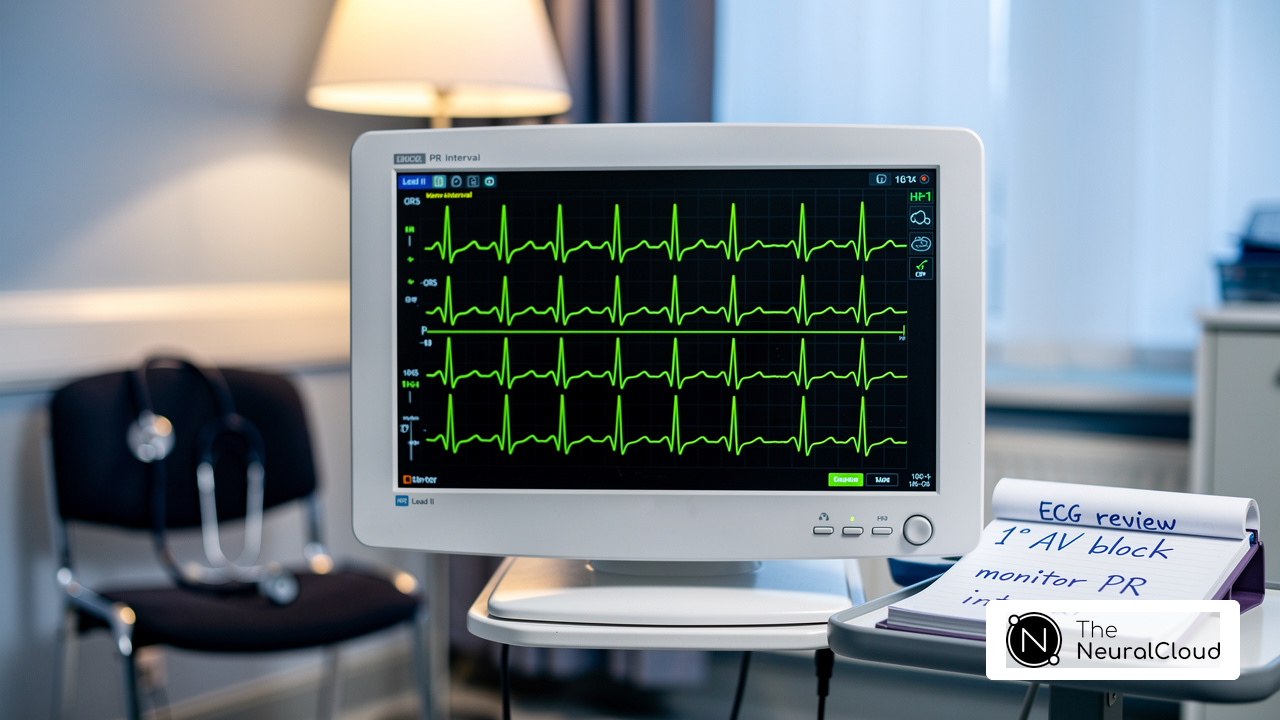
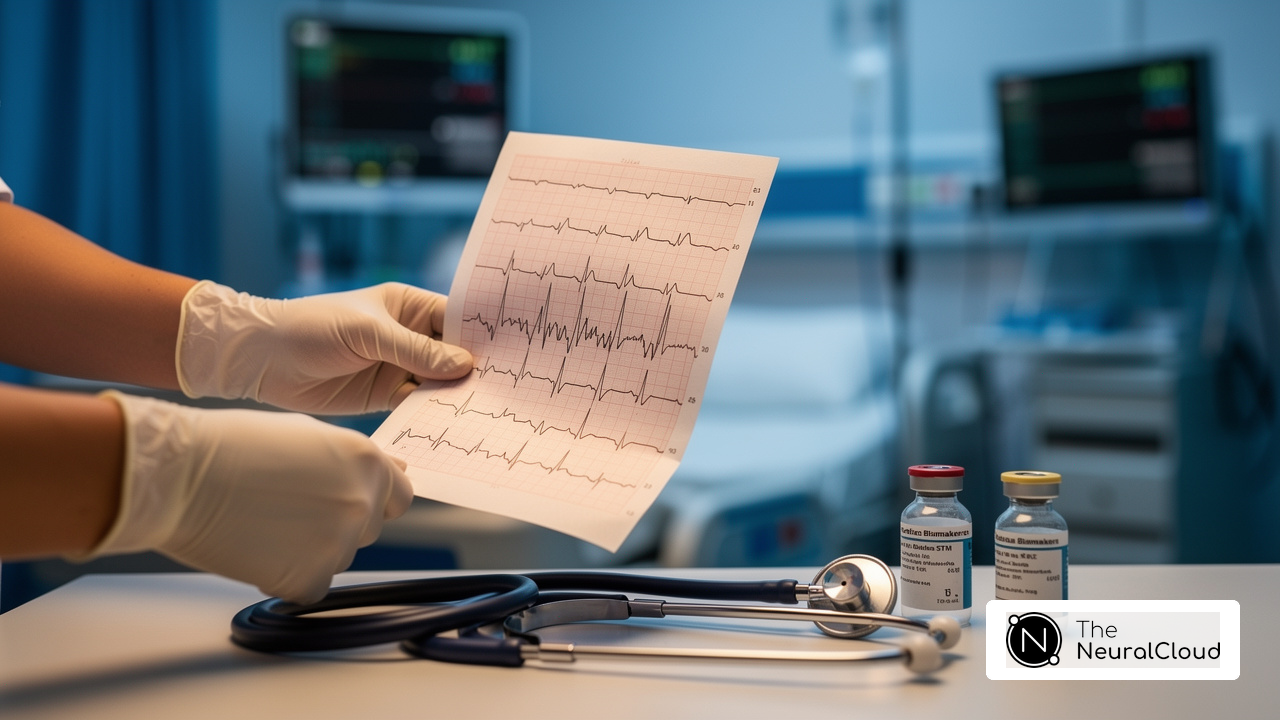
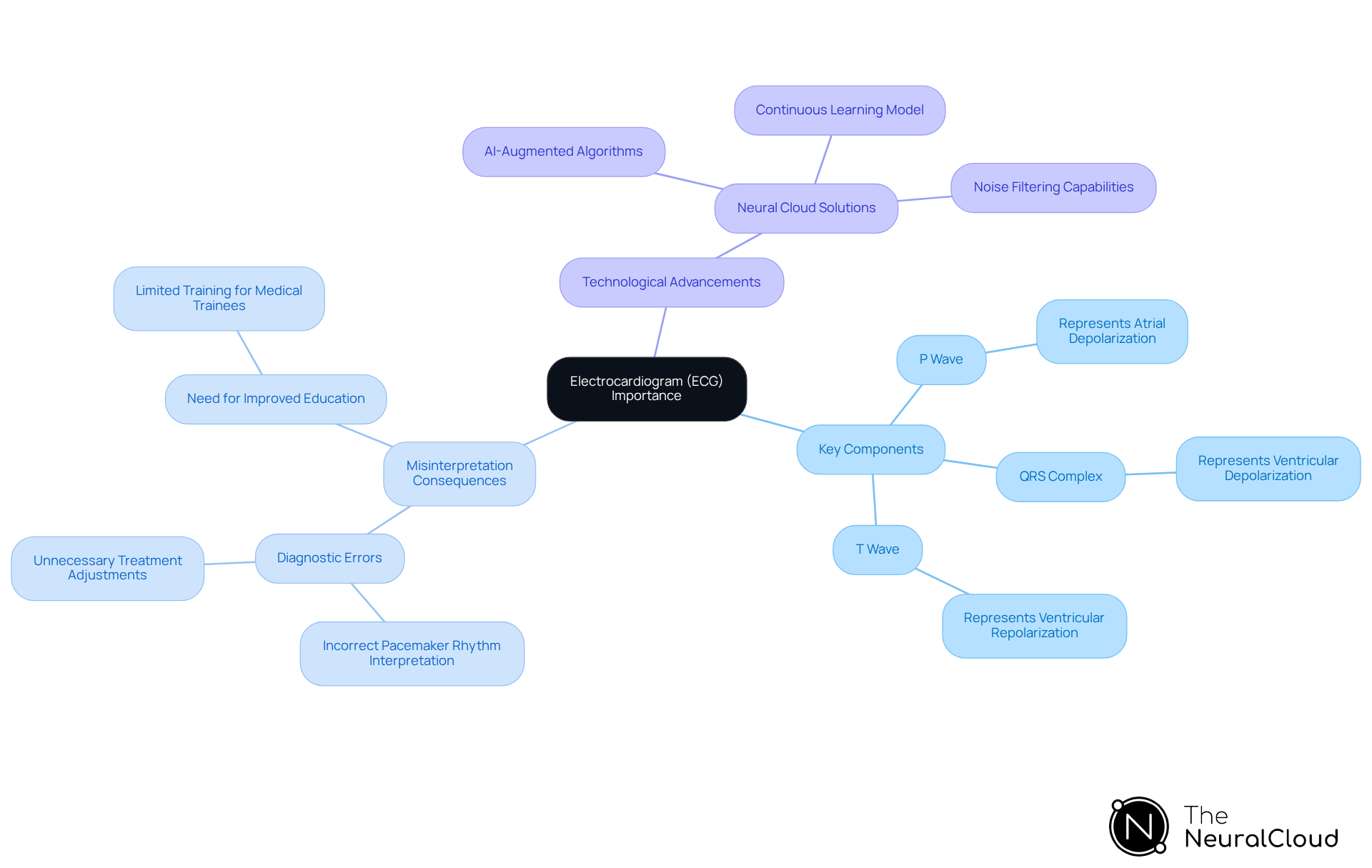
An electrocardiogram (ECG) is a vital diagnostic tool that relies on electrodes to capture the heart's electrical activity over time. It provides essential insights into heart rate, rhythm, and conduction, which are crucial for diagnosing various cardiac conditions. The ECG highlights key components such as the P wave, QRS complex, and T wave, each representing specific electrical events within the heart. Misinterpretation of these components can lead to significant diagnostic errors, emphasizing the necessity for healthcare professionals to receive proper training.
Recent studies indicate that about 70% of healthcare professionals rely on ECGs for diagnosing heart disease, underscoring its importance in clinical practice. However, concerns have arisen regarding the accuracy of computerized interpretations, with evidence suggesting that these interpretations can be less reliable than those made by trained cardiologists. For example, a systemic assessment revealed that computerized interpretations were 6.6% less accurate than those of cardiologists, emphasizing the need for clinician oversight.
Real-world examples of ECG misinterpretation illustrate the potential consequences of inaccuracies. In one notable case, a patient was misdiagnosed due to an incorrect interpretation of a pacemaker rhythm, leading to unnecessary treatment adjustments. Such incidents highlight the critical need for comprehensive education, as many medical trainees receive limited formal training in ECG interpretation, resulting in a lack of confidence in their skills.
Expert opinions reinforce the significance of accurate ECG interpretation in clinical settings. Cardiologists emphasize that proper training is essential for diagnosing conditions such as myocardial infarction and arrhythmias, which can significantly alter patient management strategies. Recent advancements, including technologies like those offered by Neural Cloud Solutions, are poised to enhance diagnostic accuracy and clinical workflow, making it imperative for healthcare professionals to stay informed about these developments as they emerge in 2025.
Neural Cloud Solutions' technology addresses these challenges by employing advanced noise filtering and distinct wave recognition capabilities. This innovative solution rapidly analyzes recordings affected by baseline wander, movement, and muscle artifact, salvaging previously obscured sections of lengthy Holter, 1-Lead, and patch monitor recordings. By leveraging a continuous learning model, MaxYield™ evolves with each use, enhancing diagnostic yield and improving accuracy over time.
Implement Effective 5-Lead ECG Placement Techniques
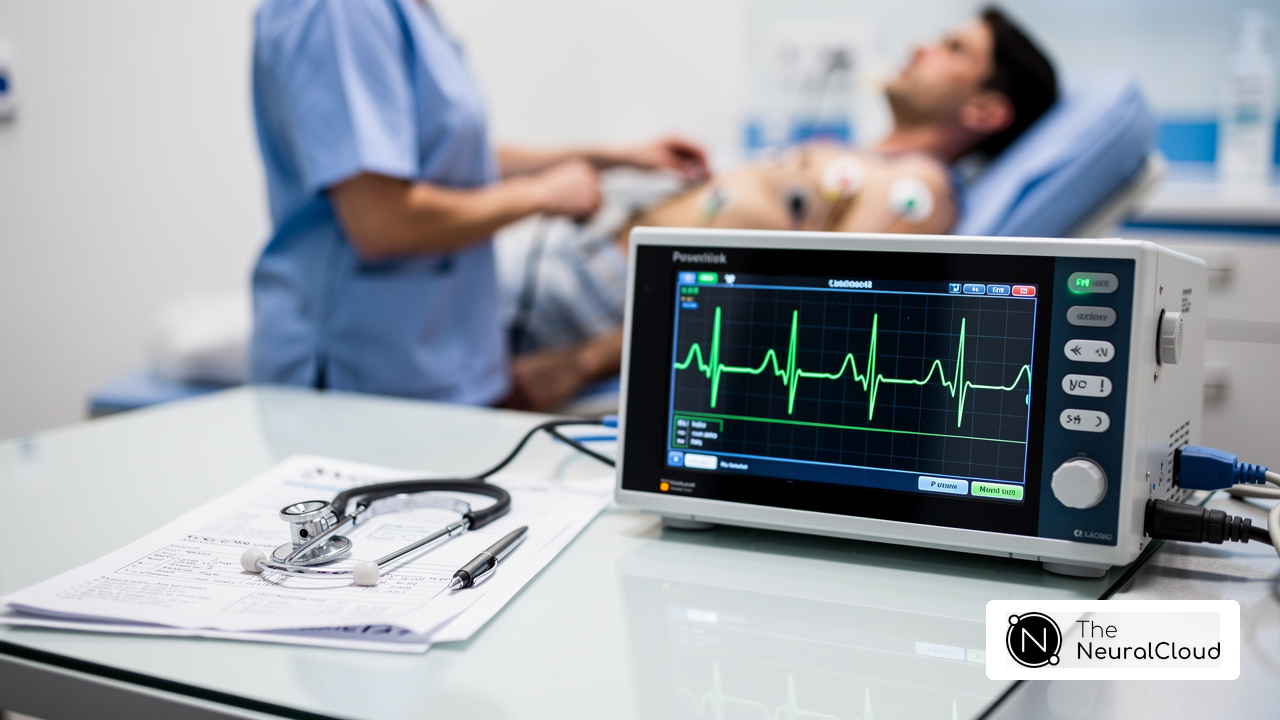
Accurate ECG readings hinge on proper placement, particularly within the 5-lead system. This system includes electrodes on the right arm (RA), left arm (LA), right leg (RL), left leg (LL), and a precordial electrode (V). Here are some best practices:
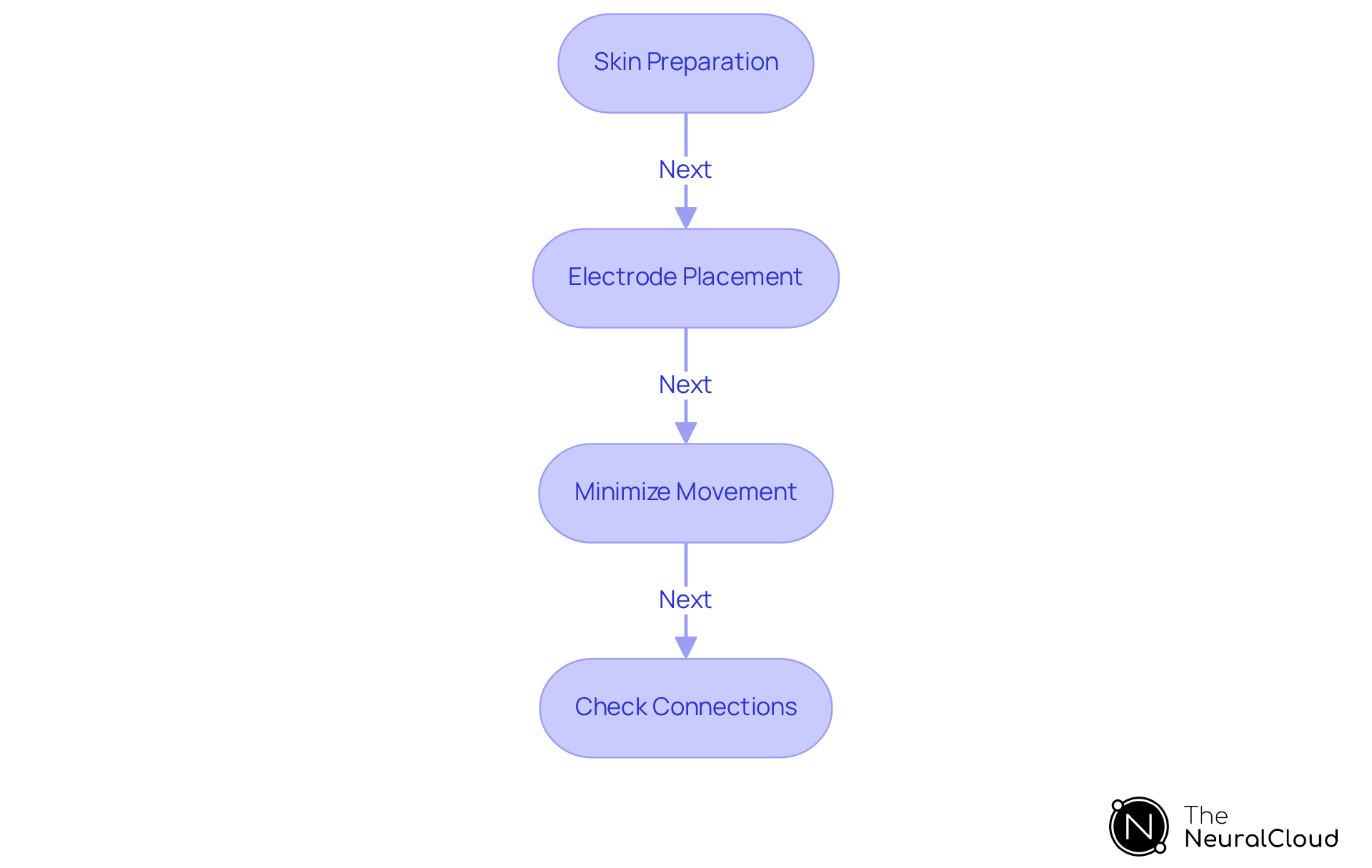
- Preparation: Clean the skin with an alcohol wipe to eliminate oils and dirt. This enhances electrode adhesion and improves signal quality.
- Placement: Position the RA and LA wires on the distal forearms, about 1-2 inches below the clavicle. The RL and LL electrodes should be placed on the lower abdomen near the iliac crests, while the precordial electrode (V) is situated in the 5th intercostal space at the midclavicular line.
- Stability: Ensure the patient remains calm and stationary during the ECG recording. This reduces motion artifacts that can distort measurements.
- Connection: Confirm that all leads are securely connected to the ECG machine. This prevents signal loss and ensures accurate data capture.
Adhering to these techniques significantly enhances the quality of the ECG readings. This, in turn, facilitates more accurate diagnosis and treatment.
Leverage Technology for Enhanced ECG Analysis
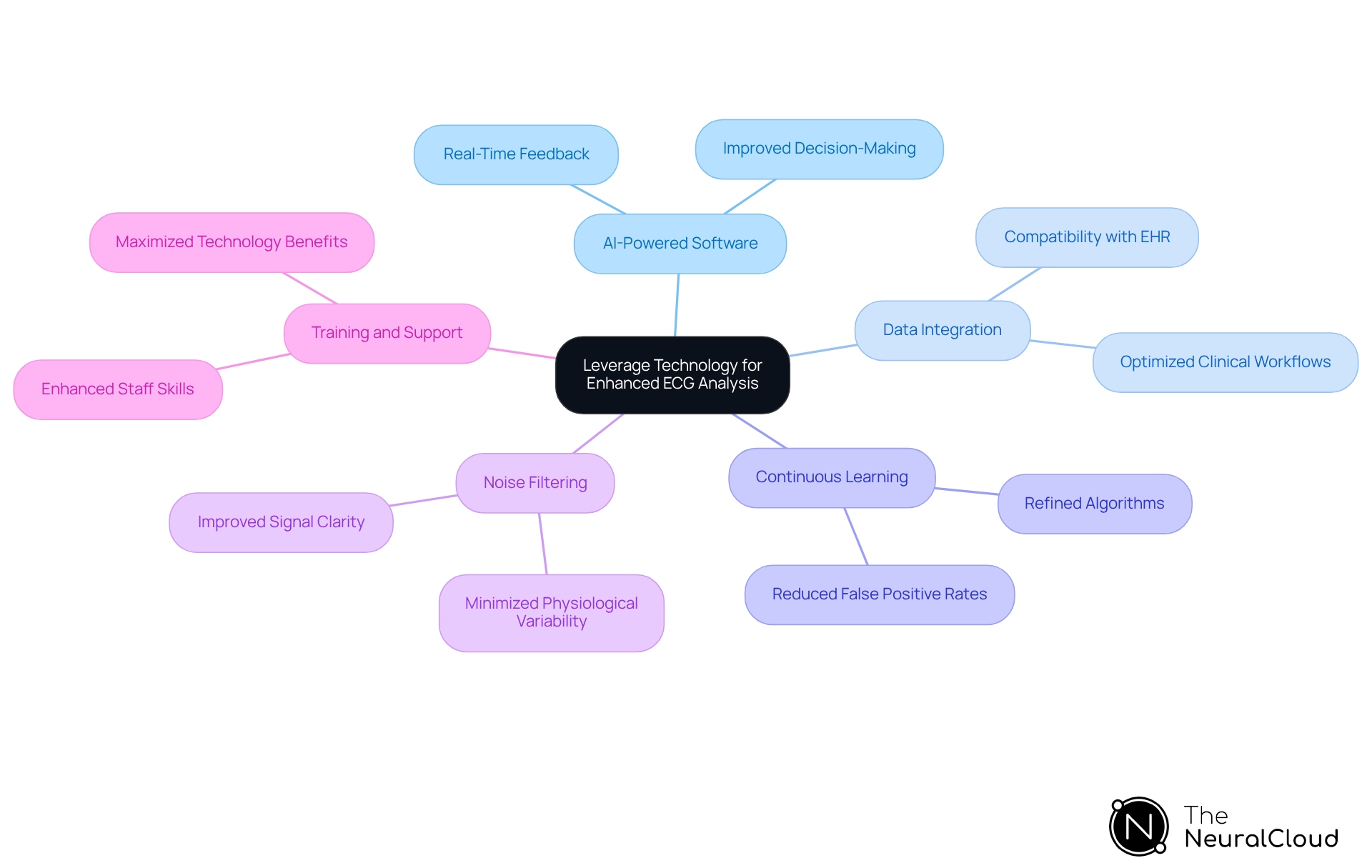
The integration of technology in ECG analysis has fundamentally transformed the field, particularly through the application of solutions like those found in Neural Cloud Solutions' MaxYield™. This innovative solution streamlines processes, significantly reducing analysis time while enhancing accuracy. However, challenges remain in ensuring effective implementation. Here are key features, advantages, and benefits of leveraging technology in this area:
- AI-Powered Software: MaxYield™ implements algorithms that swiftly identify abnormalities and provide real-time feedback to clinicians. This capability improves decision-making processes, allowing healthcare professionals to act quickly and confidently.
- Data Integration: The platform ensures compatibility with electronic health records (EHR), facilitating seamless data sharing. This integration enhances clinical workflows and patient management through various devices, including wearable technology.
- Continuous Learning: MaxYield™ employs machine learning to continuously refine its algorithms based on new data. This feature enhances predictive accuracy. For instance, studies have shown that AI models can significantly reduce false positive rates from nearly 42% to about 8%, demonstrating their effectiveness in real-world applications.
- Noise Filtering: Advanced noise filtering techniques incorporated within the system improve the clarity of ECG signals. This ensures more precise interpretations and minimizes the influence of physiological variability, leading to better patient outcomes.
- Training and Support: Ongoing education is essential to maximize the benefits of these technologies. By equipping staff to effectively interpret AI-generated insights, healthcare providers can enhance their diagnostic accuracy.
By adopting these technological advancements through Neural Cloud Solutions' MaxYield™, healthcare providers can significantly enhance the accuracy and efficiency of ECG analysis. This ultimately leads to improved patient care and outcomes. The ongoing evolution of AI in this domain underscores its potential to revolutionize cardiac diagnostics, making it a critical component of modern healthcare.
Avoid Common Pitfalls in ECG Lead Placement
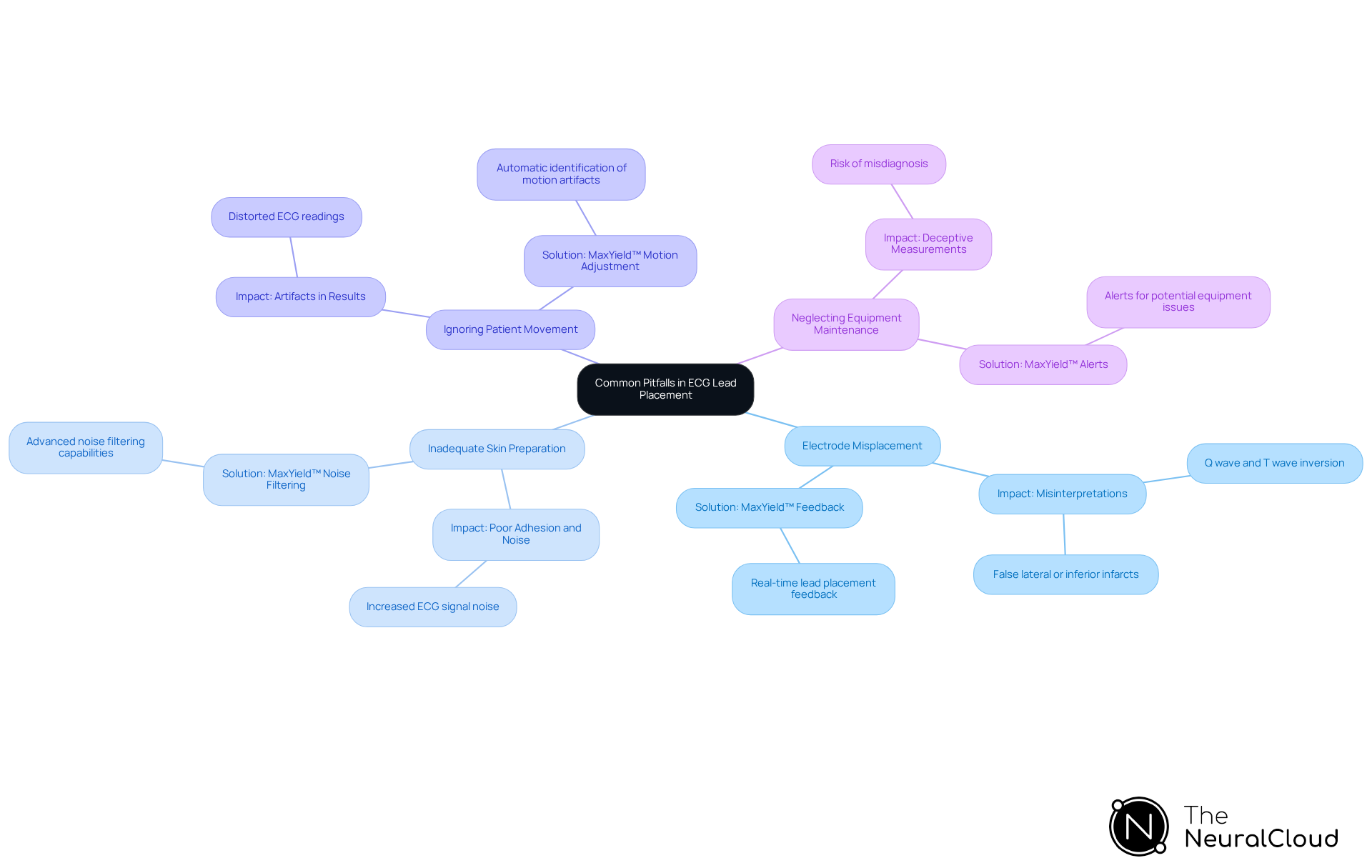
Despite the apparent simplicity of ECG lead placement, several common pitfalls can significantly compromise the accuracy of readings. Here are essential mistakes to avoid:
- Incorrectly positioning wires, such as exchanging the right arm wire with the left, can lead to significant misinterpretations. Studies indicate that misplacement occurs in up to 64% of cases, underscoring the need for vigilance. The technology can assist by offering real-time feedback on precision, decreasing the chances of misinterpretation.
- Failing to prepare the skin properly can result in poor electrode adhesion and increased noise in the ECG signal. Thoroughly cleaning the skin is crucial to ensure optimal performance and precise measurements. MaxYield™'s adhesive properties can mitigate the effects of poor adhesion, ensuring clearer signals even in less-than-ideal conditions.
- Patient movement during the ECG recording can introduce artifacts that distort the results. It is vital to instruct patients to remain still and relaxed throughout the procedure to minimize this risk. MaxYield™ can automatically identify and adjust for specific types of motion artifacts, improving the dependability of the measurements.
- Regular maintenance and checks of ECG equipment are essential for ensuring optimal performance. Defective equipment can cause deceptive measurements, which may lead to unnecessary treatments or misdiagnoses. Clinicians should ensure that electrodes are within their recommended usage time to maintain the integrity of ECG measurements. The monitoring system can alert users to potential equipment issues, further ensuring accurate results.
By recognizing these common pitfalls and implementing strategies to mitigate them, healthcare professionals can significantly enhance the accuracy of readings. Leveraging advanced technologies like MaxYield™ from Neural Cloud Solutions not only transforms lengthy and noisy ECG recordings into clean, crisp signals but also improves overall diagnostic confidence.
Conclusion
Mastering lead placement in ECG is essential for accurate assessments of heart activity and reducing the risk of misdiagnosis. Understanding the fundamentals of ECG, along with effective techniques and technological advancements, can significantly enhance diagnostic accuracy and improve patient outcomes.
Key practices include proper skin preparation, precise electrode placement, and minimizing patient movement, all of which are crucial for obtaining reliable ECG readings. The integration of AI-driven technology, such as Neural Cloud Solutions' MaxYield™, stands out for its ability to enhance analysis efficiency and reduce human error in ECG interpretation. By addressing common pitfalls and leveraging advanced tools, healthcare professionals can ensure they deliver the highest standard of care in cardiac diagnostics.
The MaxYield™ platform offers several key features:
- AI-Driven Analysis: Automates ECG interpretation, reducing the potential for human error.
- Real-Time Feedback: Provides immediate insights, allowing for quicker decision-making.
- User-Friendly Interface: Simplifies the process for both technical and non-technical users.
These features translate into significant advantages for healthcare providers. By utilizing MaxYield™, professionals can make confident, accurate diagnoses that profoundly impact patient health. As the field of electrocardiography evolves, staying informed about best practices and innovations is crucial. Embracing these advancements is not just beneficial; it is essential for the future of cardiac care.
Frequently Asked Questions
What is an electrocardiogram (ECG) and why is it important?
An electrocardiogram (ECG) is a diagnostic tool that captures the heart's electrical activity over time, providing essential insights into heart rate, rhythm, and conduction, which are crucial for diagnosing various cardiac conditions.
What are the key components of an ECG?
The key components of an ECG include the P wave, QRS complex, and T wave, each representing specific electrical events within the heart.
Why is accurate interpretation of ECG components crucial?
Accurate interpretation of ECG components is crucial because misinterpretation can lead to significant diagnostic errors, affecting patient management and treatment.
How prevalent is the use of ECGs among healthcare professionals?
Approximately 70% of healthcare professionals rely on ECGs for diagnosing heart disease, highlighting its importance in clinical practice.
What concerns exist regarding computerized ECG interpretations?
Concerns exist about the accuracy of computerized ECG interpretations, as studies have shown they can be less reliable than those made by trained cardiologists, with computerized interpretations being 6.6% less accurate.
Can you provide an example of ECG misinterpretation?
One example of ECG misinterpretation involved a patient being misdiagnosed due to an incorrect interpretation of a pacemaker rhythm, which led to unnecessary treatment adjustments.
What is the current state of ECG education among healthcare professionals?
Many medical trainees receive limited formal training in ECG interpretation, resulting in a lack of confidence in their skills.
Why do cardiologists emphasize the importance of ECG analysis?
Cardiologists emphasize ECG analysis because accurate interpretation is essential for diagnosing conditions such as myocardial infarction and arrhythmias, which can significantly influence patient management strategies.
What advancements are being made in ECG technology?
Recent advancements include AI-augmented algorithms, such as those offered by Neural Cloud Solutions, which aim to enhance diagnostic accuracy and clinical workflow.
How does Neural Cloud Solutions' technology improve ECG interpretation?
Neural Cloud Solutions' technology employs advanced noise filtering and distinct wave recognition capabilities to isolate ECG waves from recordings affected by interference, improving diagnostic yield and accuracy over time through a continuous learning model.
List of Sources
- Understand the Basics of ECG and Its Importance
- reuters.com (https://reuters.com/business/healthcare-pharmaceuticals/health-rounds-ai-expands-usefulness-common-heart-test-2025-07-18)
- New study finds AI model improves heart attack detection (https://health.ucdavis.edu/news/headlines/new-study-finds-ai-model-improves-heart-attack-detection/2025/11)
- mdpi.com (https://mdpi.com/2673-3846/2/4/39)
- Study Shows Promising Results for ECG Technology (https://dicardiology.com/content/study-shows-promising-results-ecg-technology)
- AI-driven ECG improves detection of severe heart attacks (https://news-medical.net/news/20251029/AI-driven-ECG-improves-detection-of-severe-heart-attacks.aspx)
- Implement Effective 5-Lead ECG Placement Techniques
- ausmed.com (https://ausmed.com/learn/articles/5-lead-ecg)
- ECG Electrode Placement: Risks, Tech, and Growing Demand in 2025- (https://intcomedical.com/news/info/What-You-Need-to-Know-About-ECG-Electrode-Placement-in-2025.html)
- Assessing the Accuracy of ECG Chest Electrode Placement by EMS and Clinical Personnel Using Two Evaluation Methods | International Journal of Paramedicine (https://internationaljournalofparamedicine.com/index.php/ijop/article/view/2897)
- clinicalview.gehealthcare.com (https://clinicalview.gehealthcare.com/article/power-correct-placement-ecg-leadwires)
- Accuracy of ECG chest electrode placements by paramedics: an observational study - PMC (https://pmc.ncbi.nlm.nih.gov/articles/PMC8312365)
- Leverage Technology for Enhanced ECG Analysis
- New Data Show Viz.ai’s AI-Enabled ECG Screening Increases Detection and Accelerates Diagnosis of Hypertrophic Cardiomyopathy (https://viz.ai/news/new-data-show-viz-ais-ai-enabled-ecg-screening-increases-detection)
- Queen of Hearts AI Hits 92% STEMI Accuracy (https://powerfulmedical.com/blog/pmcardio-reports-positive-rct-results-and-late-breaking-clinical-science-for-stemi-detection)
- New study finds AI model improves heart attack detection (https://health.ucdavis.edu/news/headlines/new-study-finds-ai-model-improves-heart-attack-detection/2025/11)
- AI-Based ECG Analysis Significantly Improves STEMI Detection, Reduces False Activations - American College of Cardiology (https://acc.org/latest-in-cardiology/articles/2025/10/24/16/56/tues-554pm-ai-tct-2025)
- AI-driven ECG improves detection of severe heart attacks (https://news-medical.net/news/20251029/AI-driven-ECG-improves-detection-of-severe-heart-attacks.aspx)
- Avoid Common Pitfalls in ECG Lead Placement
- ECG Electrode Placement: Risks, Tech, and Growing Demand in 2025- (https://intcomedical.com/news/info/What-You-Need-to-Know-About-ECG-Electrode-Placement-in-2025.html)
- gehealthcare.com (https://gehealthcare.com/insights/article/ecg-lead-misplacement-looking-at-common-issues?srsltid=AfmBOorTaTb-LVb-1N7fbqz1SWYoB3GA8vFhBGCBGRp0r7jC5TywgVuM)