Introduction
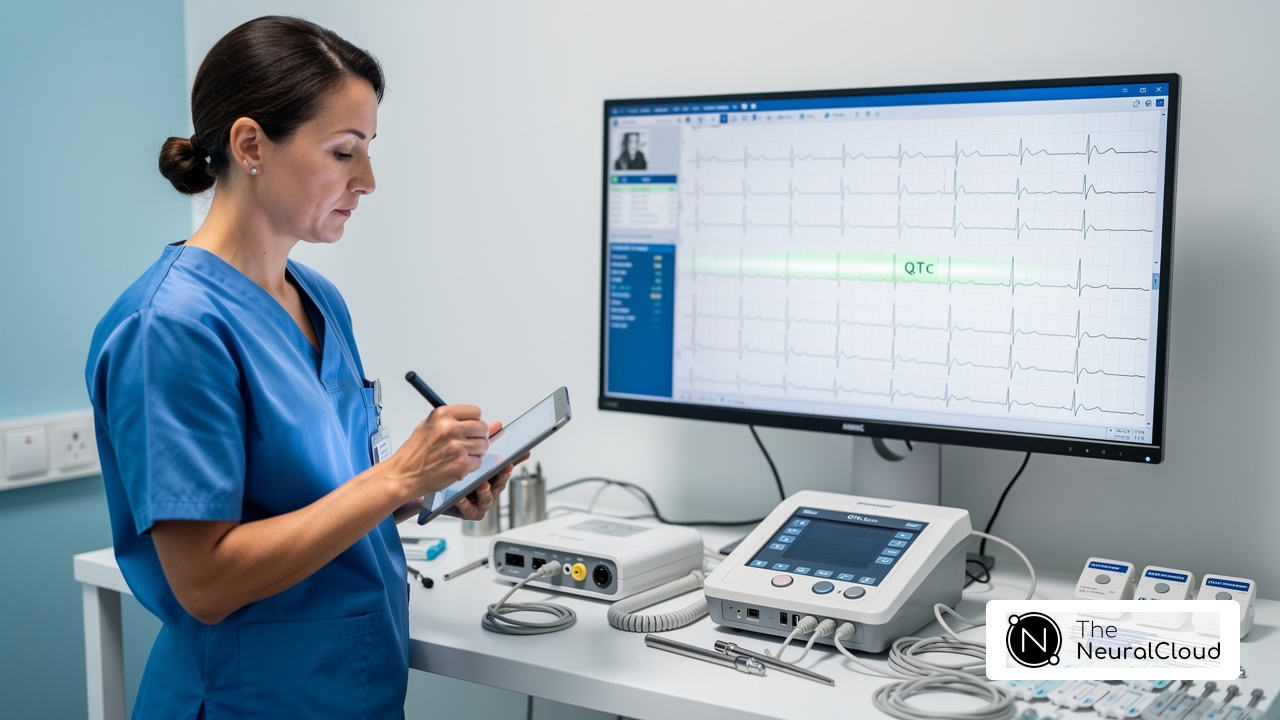
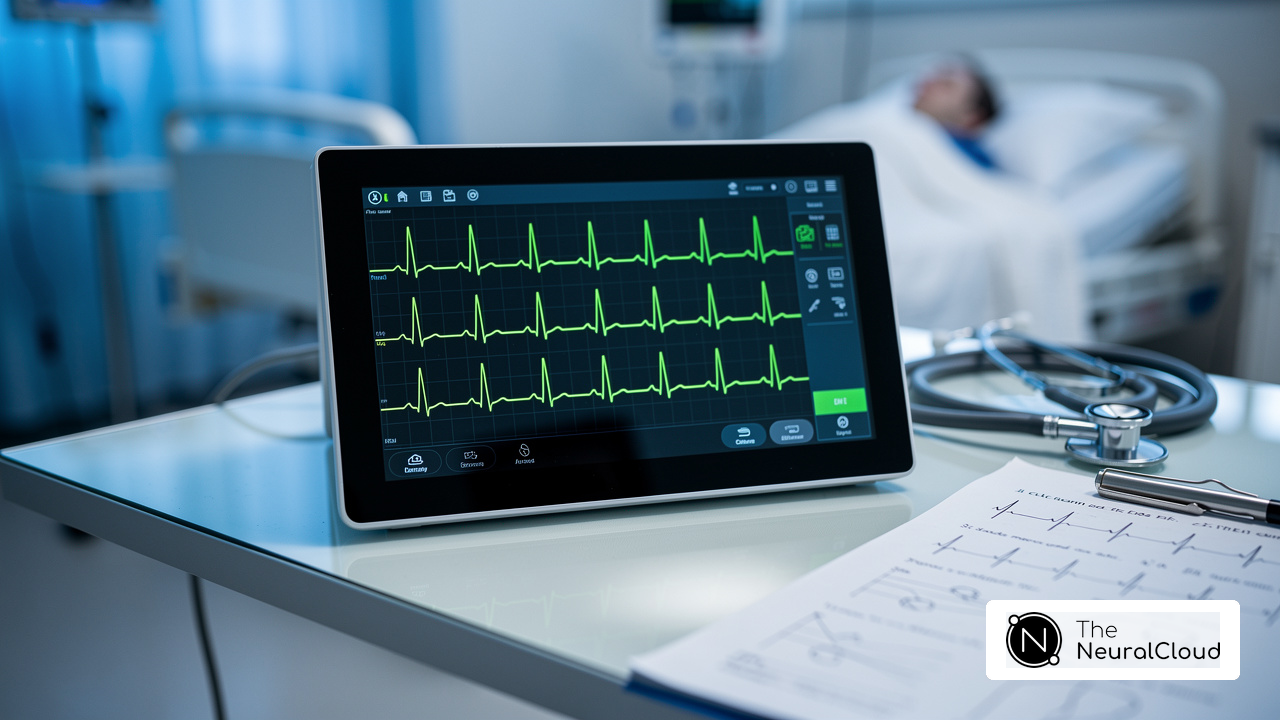
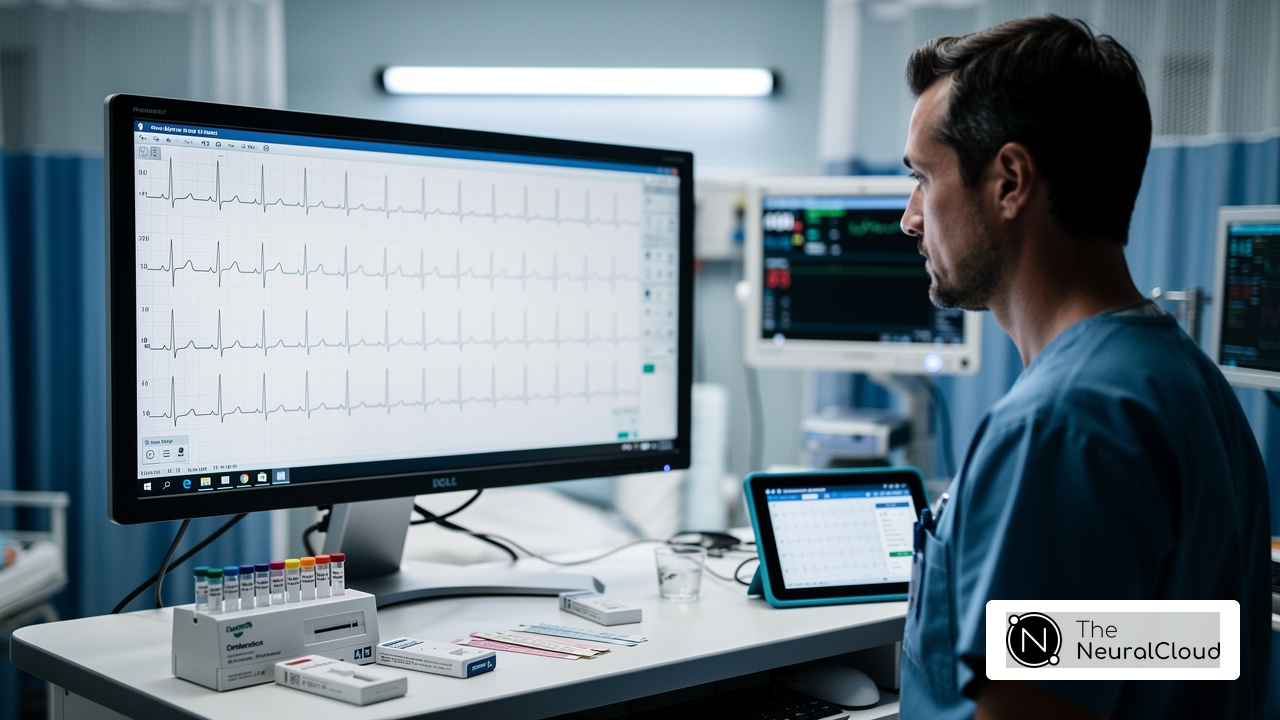
Understanding the nuances of non-ST elevation myocardial infarction (non-STEMI) ECG interpretation is essential for healthcare professionals seeking to improve diagnostic accuracy. ECG analysis presents several challenges, including distinguishing artifacts and navigating the complexities of heart rate variability. As technology evolves, solutions like Neural Cloud Solutions' MaxYield™ are transforming how clinicians analyze ECGs.
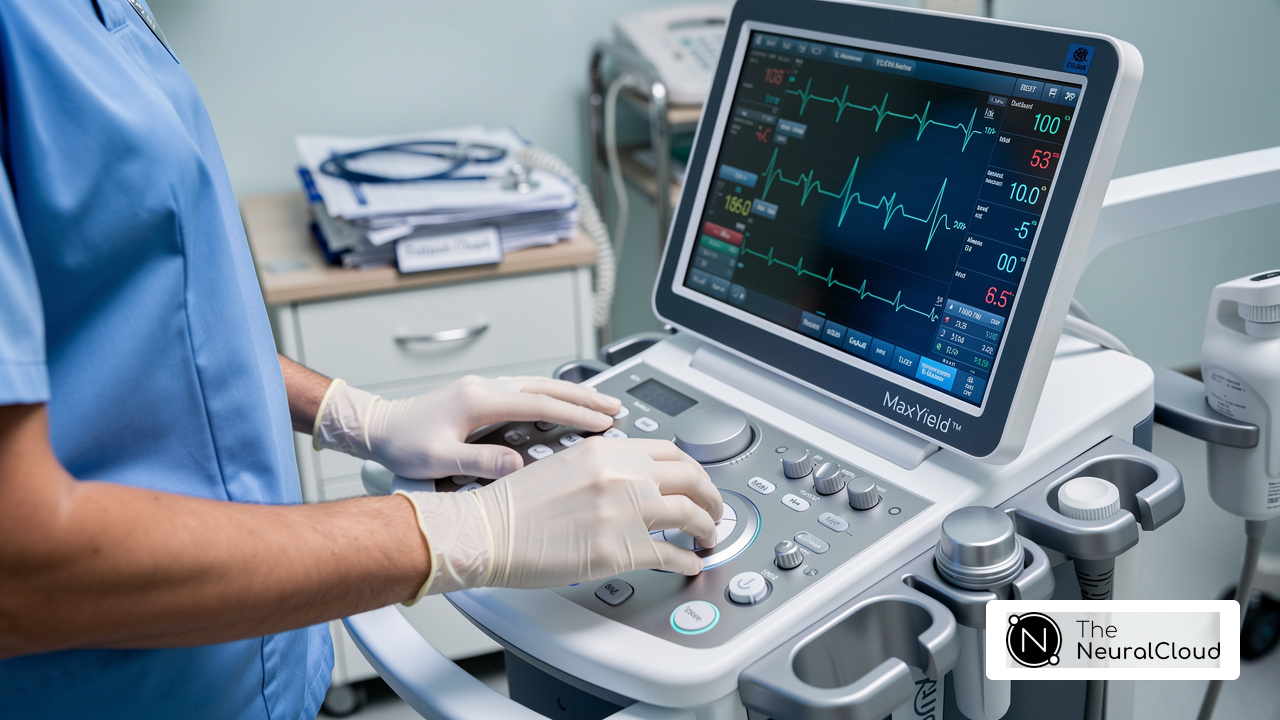
MaxYield™ offers automated insights that streamline the identification of ischemic changes, making it easier for healthcare providers to interpret ECGs accurately. Key features of the platform include:
- Advanced algorithms that enhance the detection of critical patterns
- Real-time analysis that supports timely decision-making
These features not only improve the efficiency of ECG interpretation but also reduce the likelihood of misdiagnosis.
The advantages of using MaxYield™ are significant. By leveraging this technology, healthcare professionals can enhance their diagnostic capabilities, ultimately leading to better patient outcomes. The platform's user-friendly interface ensures that both technical and non-technical users can navigate it with ease, making it a valuable tool in any clinical setting.
In conclusion, while challenges in ECG interpretation remain, tools like MaxYield™ provide healthcare providers with the resources needed to address these issues effectively. By harnessing the power of advanced technology, clinicians can improve their diagnostic accuracy and deliver optimal care to their patients.
Understand Non-STEMI ECG Characteristics
To effectively interpret readings, like Neural Cloud Solutions' technology can be invaluable. Understanding the following characteristics is essential:
- Look for common indicators of ischemia in individuals with heart conditions. The platform automates the labeling of these changes, significantly enhancing analysis efficiency.
- Pay attention to any new changes, especially in leads V2 to V6, as these can indicate myocardial ischemia. The platform's tools facilitate quick identification of these critical features.
- The results are crucial for the diagnosis. Assess the heart rate; individuals with ischemic conditions may exhibit bradycardia or tachycardia depending on the severity of ischemia. The system streamlines monitoring of heart rate changes over time, making it easier to track patient status.
- Clinical Context: Always consider the individual's history, including symptoms like chest pain or shortness of breath, which provide additional context for ECG findings. The integration of technology with clinical data allows for real-time data collection, enhancing clinical decision-making.
- Changes: Recognize that ECG changes can evolve, necessitating serial monitoring to capture dynamic changes in the patient's condition. The software reduces the time spent on noise filtering and annotating, allowing for more efficient monitoring.
By mastering these characteristics and leveraging advanced technology, healthcare professionals will be better equipped to identify cases of non-STEMI and differentiate them from other cardiac events.
Follow a Systematic Analysis Process
To conduct a thorough analysis for Non-STEMI, follow these systematic steps:
- Initial Assessment: Start by reviewing the patient's history and presenting symptoms. This context is crucial for interpreting the ECG findings accurately.
- Lead Confirmation: Confirm that the ECG leads are correctly positioned. Proper placement is essential to prevent misinterpretation due to technical errors.
- Rhythm Analysis: Analyze the ECG to determine the heart rhythm. Look for any irregularities that may suggest arrhythmias.
- Measure Intervals: Calculate the PR interval, QRS duration, and QT interval. Understanding these measurements is vital for diagnosis, with normal values serving as a benchmark.
- Ischemic Signs: Search for ST-segment depression, T-wave inversions, or other ischemic signs. Document your findings meticulously to ensure accurate records.
- Previous Recordings: If available, compare the current ECG with previous recordings. This comparison can help identify changes over time, providing valuable insights.
- Consult Clinical Guidelines: Refer to established guidelines. This ensures your interpretation aligns with best practices in the field.
By following this systematic process, you can enhance your diagnostic capabilities and ultimately improve patient outcomes.
Troubleshoot Common Interpretation Challenges
Interpreting non stemi ecg presents several common challenges that necessitate careful troubleshooting. Understanding these challenges is crucial for healthcare professionals aiming to improve patient care.
Addressing artifacts is essential. Artifacts can arise from movement or electrical interference, potentially leading to misinterpretation. Techniques such as relocating electrodes to less affected areas and utilizing filters can significantly reduce these artifacts, enhancing signal clarity.
Recognizing T-wave inversions is often misread as signs of ischemia. A study indicated that T-wave inversion occurs in 14% of patients presenting with unstable angina. This underscores the importance of recognizing T-wave morphology and other ECG features to avoid misdiagnosis.
Validating automated ECG evaluations can lead to false positives or negatives. Studies indicate that approximately 39% of ECGs were inaccurately assessed. Therefore, validating computer-generated results with clinical judgment is essential to ensure accurate diagnoses.
Analyzing rapid heart rates can obscure ischemic changes, complicating analysis. Utilizing longer ECG strips can help capture more data, allowing for a more comprehensive assessment and potential ischemic indicators.
Considering factors such as electrolyte imbalances or medications can significantly influence ECG readings. For example, the adjusted QT interval surpassing 450 ms in certain individuals emphasizes the necessity to modify assessments according to each person's circumstances.
By proactively addressing these challenges, healthcare professionals can enhance their accuracy in interpreting non stemi ecg results. This ultimately leads to better patient outcomes, reinforcing the importance of thorough analysis and clinical correlation.

Leverage Technology for Enhanced Analysis
To maximize the effectiveness of your ECG interpretation, consider integrating the following technologies:
- MaxYield™ Platform: The MaxYield™ platform leverages advanced AI algorithms to automate ECG interpretation. This significantly reduces analysis time and enhances accuracy. With the ability to process over 200,000 heartbeats in under five minutes, it allows for rapid decision-making.
- Wearable ECG Monitors: Incorporating data from wearable ECG monitors can continuously track heart rhythms, offering valuable insights into individual conditions outside of clinical settings. Recent studies indicate that these devices enhance monitoring for arrhythmias such as atrial fibrillation, particularly in high-risk populations.
- Digital Denoising Software: Employing digital denoising software enhances signal clarity, which is crucial for accurately identifying subtle changes in ECG readings. This technology mitigates the impact of noise and artifacts, ensuring clinicians can focus on critical cardiac events.
- Telemedicine Solutions: Implementing telemedicine solutions enables remote ECG monitoring and analysis, facilitating care for individuals in need. This approach enhances access to care and optimizes clinical workflows by allowing healthcare professionals to monitor individuals from various locations.
- Machine Learning Systems: Engaging with systems that utilize machine learning ensures your ECG interpretation remains at the forefront of technological advancements. These systems evolve based on new data, enhancing diagnostic accuracy and efficiency.
By leveraging these technologies, you can significantly enhance your capabilities in ECG interpretation. This leads to improved patient outcomes and more efficient clinical workflows.

Conclusion
Mastering non-STEMI ECG interpretation is crucial for accurate diagnosis and effective patient care. However, healthcare professionals often face challenges in identifying critical ECG characteristics that signal ischemia. This is where advanced technologies like Neural Cloud Solutions' MaxYield™ come into play. By enhancing analytical capabilities, MaxYield™ streamlines the interpretation process, allowing clinicians to make informed decisions based on real-time data.
The MaxYield™ platform offers several key features that significantly improve ECG analysis:
- Enhanced Analytical Tools: These tools help identify ST-segment changes, T-wave inversions, and heart rate variability more effectively.
- Real-Time Data Integration: Clinicians can access up-to-date information, ensuring timely interventions.
- User-Friendly Interface: Designed for ease of use, it caters to both technical and non-technical users.
The advantages of utilizing MaxYield™ are clear. By embracing this technology, healthcare professionals can improve diagnostic accuracy, leading to better patient outcomes. As the landscape of cardiac care evolves, staying informed about the latest tools and best practices is essential. Prioritizing education and technological integration will enhance the ability to accurately identify non-STEMI cases, ultimately improving patient care and clinical efficiency.
In conclusion, integrating advanced technologies in ECG analysis is not merely a trend; it is a vital step toward enhancing diagnostic precision and patient outcomes. As healthcare continues to advance, leveraging tools like MaxYield™ will be crucial for professionals aiming to provide the best care possible.
Frequently Asked Questions
What are the key characteristics to look for in non-STEMI ECG readings?
Key characteristics include ST-segment depression or transient ST-segment elevation, new T-wave inversions (especially in leads V2 to V6), and variations in heart rate such as bradycardia or tachycardia.
How does MaxYield™ assist in interpreting non-STEMI ECG readings?
MaxYield™ automates the labeling of ECG changes, enhances analysis efficiency, facilitates quick identification of critical features like T-wave inversions, and streamlines monitoring of heart rate changes over time.
Why is clinical context important when interpreting non-STEMI ECG results?
Clinical context, including symptoms such as chest pain or shortness of breath, provides additional information that can help healthcare professionals understand the significance of ECG findings.
What role does wearable technology play in non-STEMI ECG analysis?
Wearable technology integrated with MaxYield™ allows for real-time data collection, which enhances clinical decision-making by providing continuous monitoring of patient status.
Why is serial ECG monitoring necessary for non-STEMI patients?
Serial ECG monitoring is necessary because ECG changes can evolve over time, and capturing these dynamic changes is crucial for accurately assessing the patient's condition.
How does MaxYield™ improve the efficiency of ECG monitoring?
MaxYield™ reduces the time spent on noise filtering and annotating ECGs, allowing healthcare professionals to focus more on monitoring and interpreting the results effectively.
List of Sources
- Understand Non-STEMI ECG Characteristics
- ahajournals.org (https://ahajournals.org/doi/10.1161/JAHA.124.039601)
- New study finds AI model improves heart attack detection (https://health.ucdavis.edu/news/headlines/new-study-finds-ai-model-improves-heart-attack-detection/2025/11)
- link.springer.com (https://link.springer.com/article/10.1186/s12873-025-01289-7)
- NSTEMI vs STEMI; Diagnosis, and Treatment | The BaleDoneen Method (https://baledoneen.com/blog/nstemi-vs-stemi)
- NSTEMI: Non-ST-Segment Elevation Myocardial Infarction - The Cardiology Advisor (https://thecardiologyadvisor.com/ddi/nstemi)
- Troubleshoot Common Interpretation Challenges
- Guide to Understanding ECG Artifact (https://smmgmd.com/guide-to-understanding-ecg-artifact)
- Reducing ECG artifact (https://numed.co.uk/news/reducing-ecg-artifact)
- pmc.ncbi.nlm.nih.gov (https://pmc.ncbi.nlm.nih.gov/articles/PMC7403675)
- Cardiac and non-cardiac causes of T-wave inversion in the precordial leads in adult subjects: A Dutch case series and review of the literature - PMC (https://pmc.ncbi.nlm.nih.gov/articles/PMC4325305)
- Frontiers | The most common errors in automatic ECG interpretation (https://frontiersin.org/journals/physiology/articles/10.3389/fphys.2025.1590170/full)
- Leverage Technology for Enhanced Analysis
- AI-powered ECG analysis shows promise for early COPD detection (https://medicalxpress.com/news/2026-01-ai-powered-ecg-analysis-early.html)
- AI-Powered ECG Analysis Offers Promising Path for Early Detection of Chronic Obstructive Pulmonary Disease, Say Mount Sinai Researchers (https://mountsinai.org/about/newsroom/2026/ai-powered-ecg-analysis-offers-promising-path-for-early-detection-of-chronic-obstructive-pulmonary-disease-say-mount-sinai-researchers)
- cardiovascularbusiness.com (https://cardiovascularbusiness.com/topics/cardiac-imaging/electrocardiography-ecg/fda-clears-next-generation-platform-ai-enabled-ecg-evaluations)
- AccurKardia wins FDA clearance for next-generation ECG analysis system | Medical Economics (https://medicaleconomics.com/view/accurkardia-wins-fda-clearance-for-next-generation-ecg-analysis-system)