Introduction
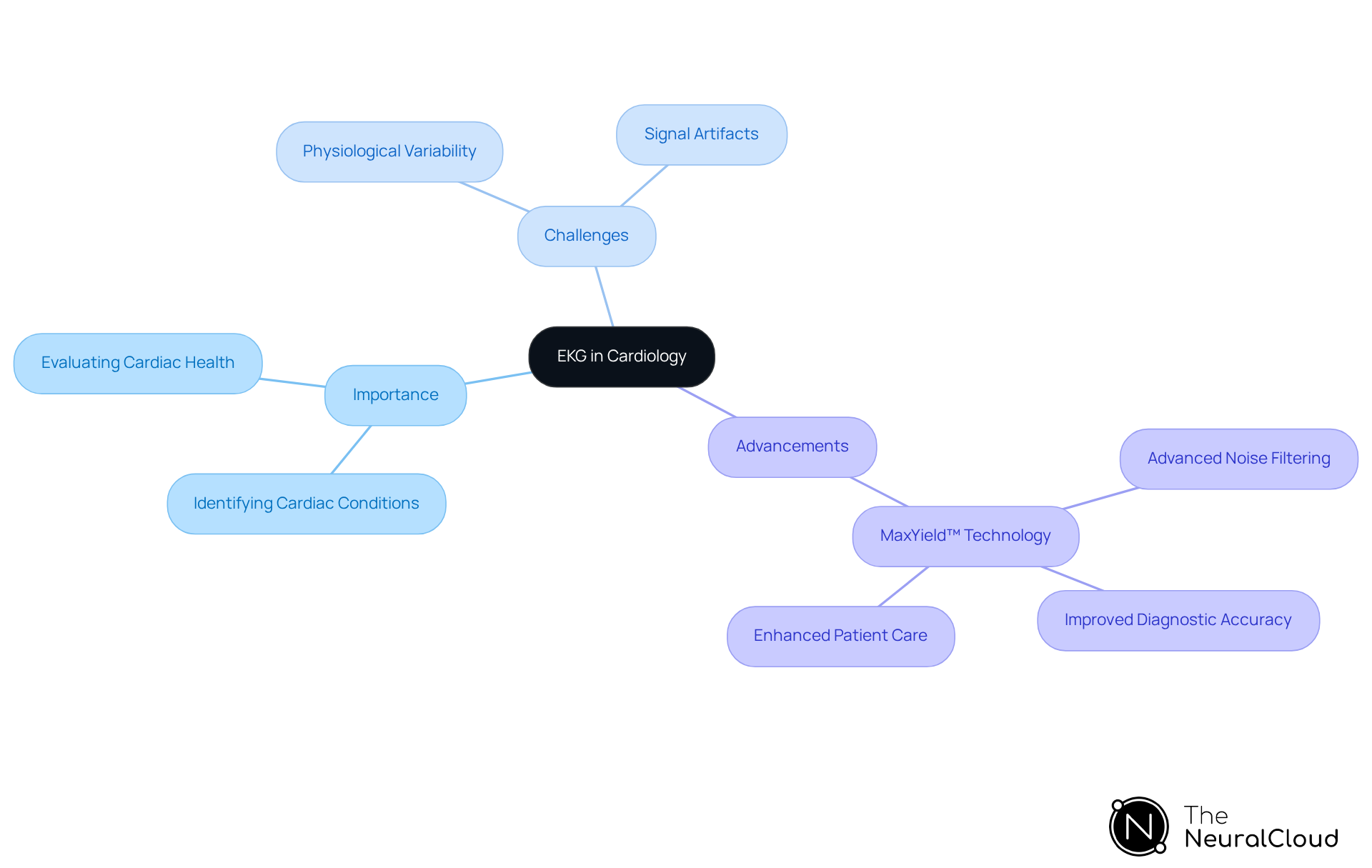
The electrocardiogram (EKG) is a fundamental tool in cardiology, offering vital insights into the heart's electrical activity and assisting in diagnosing various cardiac conditions. However, as healthcare technology advances, developers face significant challenges in ECG analysis, including physiological variability and signal artifacts. These complexities raise an important question: how can developers effectively address these issues to enhance patient outcomes and streamline clinical workflows?
Enter the MaxYield™ platform, a cutting-edge solution designed to improve the accuracy and reliability of EKG analysis. This platform harnesses advanced algorithms and tools that not only refine the analysis process but also provide healthcare professionals with clearer, more actionable data. By leveraging the features of MaxYield™, developers can significantly reduce the impact of noise and artifacts, leading to more precise readings.
The advantages of the MaxYield™ platform extend beyond mere accuracy. With its user-friendly interface and robust analytical capabilities, healthcare professionals can make informed decisions quickly, ultimately improving patient care. The platform's ability to integrate seamlessly into existing workflows means that clinicians can adopt it without significant disruption, enhancing overall efficiency in cardiac care.
Define EKG: Importance and Function in Cardiology
An electrocardiogram (EKG or ECG) is a crucial diagnostic tool over time. It plays a vital role in identifying various heart conditions, including arrhythmias and myocardial infarctions. By providing a visual representation of the heart's electrical impulses, EKGs enable healthcare professionals to evaluate rhythm, rate, and overall cardiac health.
However, clinicians face challenges such as physiological variability and noise, which can complicate the interpretation of results. Recent advancements in EKG technology, particularly with platforms like AI-driven software, have significantly improved diagnostic accuracy. This technology features advanced noise filtering and signal recognition, transforming noisy recordings into clear insights.
The advantages of using advanced EKG technology are substantial for patient care. By addressing common challenges in EKG interpretation, the platform enhances the reliability of results, ultimately leading to better patient outcomes. With its ability to provide clearer data, the technology supports clinicians in making informed decisions, ensuring that they can effectively meet clinical needs.
Analyze EKG Components: Intervals and Waveforms Explained
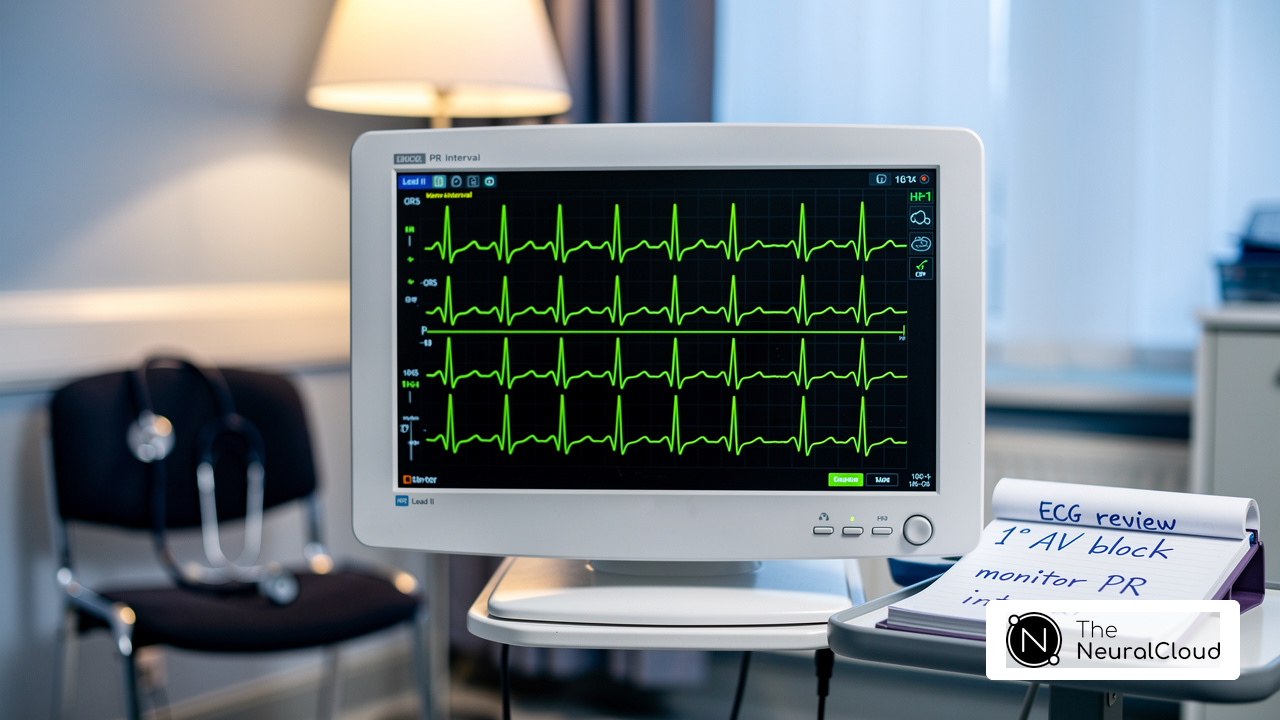
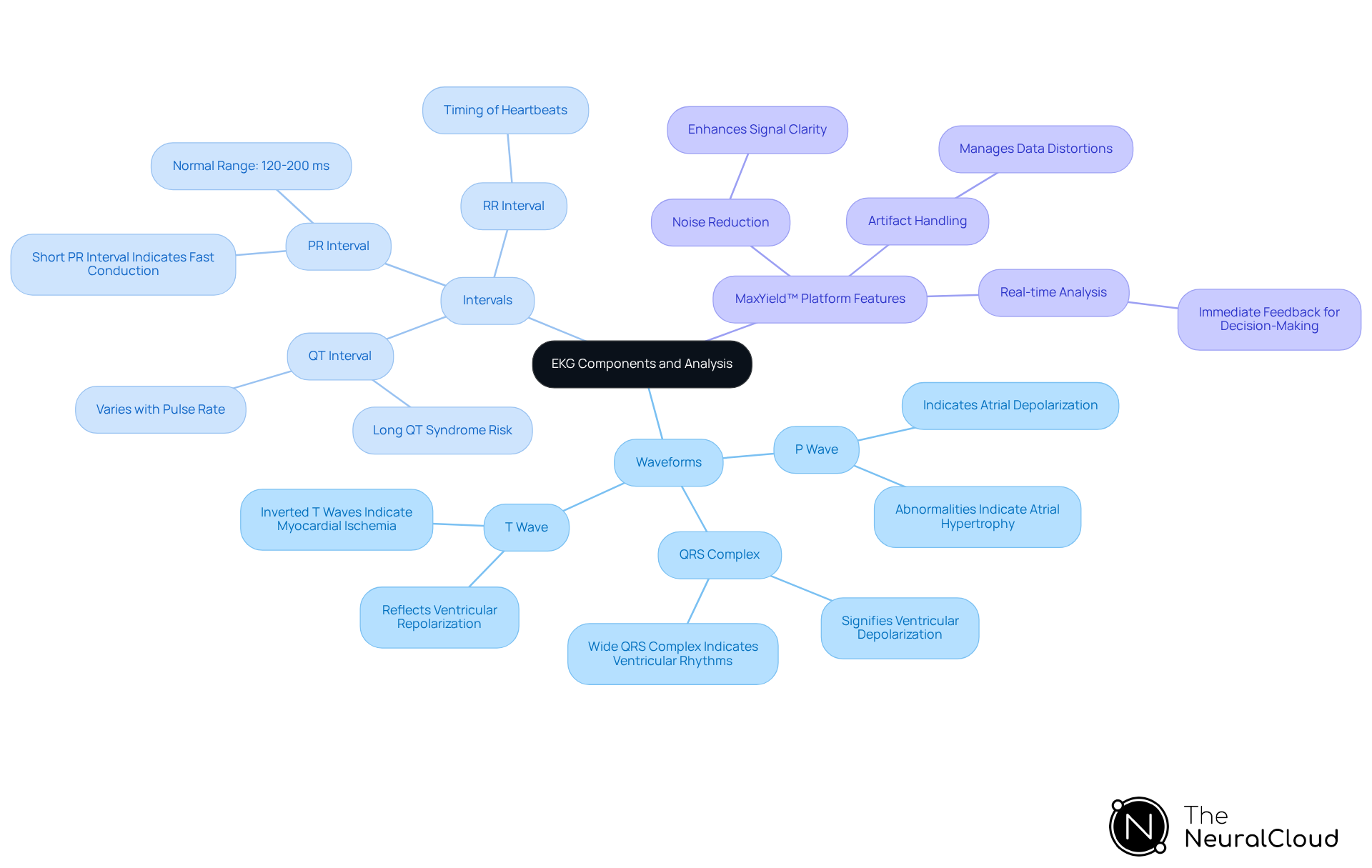
EKGs consist of several essential elements: the waves, each representing different phases of the heart's electrical cycle. The P wave indicates atrial depolarization, while the QRS complex signifies ventricular depolarization, and the T wave reflects ventricular repolarization. Additionally, important intervals like the PR interval provide crucial timing details regarding the heart's electrical activity. For instance, a typical PR interval spans from 120 to 200 milliseconds, while the QT interval varies depending on pulse rate, underscoring the importance of precise measurement for diagnosing conditions such as arrhythmias.
Understanding these components is vital for developers aiming to create algorithms that analyze ECG data, including waveform detection. Recent advancements in AI algorithms have shown remarkable performance in waveform identification, significantly enhancing diagnostic accuracy and alleviating the financial burden associated with structural cardiac disease (SHD). By mastering the intricacies of EKG components and intervals, developers can play a key role in the evolution of ECG analysis, ultimately improving patient outcomes and healthcare efficiency, which can be illustrated with case studies.
The MaxYield™ platform from Neural Cloud Solutions addresses the challenges in ECG analysis through advanced features:
- Signal Enhancement: Enhances signal clarity by minimizing interference.
- Artifact Handling: Effectively manages distortions that can obscure data accuracy.
- Real-Time Feedback: Provides immediate feedback for timely decision-making.
These features translate into significant advantages for healthcare professionals. By leveraging the MaxYield™ platform, developers can enhance diagnostic capabilities, streamline workflows, and ultimately improve patient care. This innovative approach not only addresses traditional challenges but also sets a new standard in ECG analysis.
Conduct EKG Testing: Preparation, Execution, and Result Interpretation
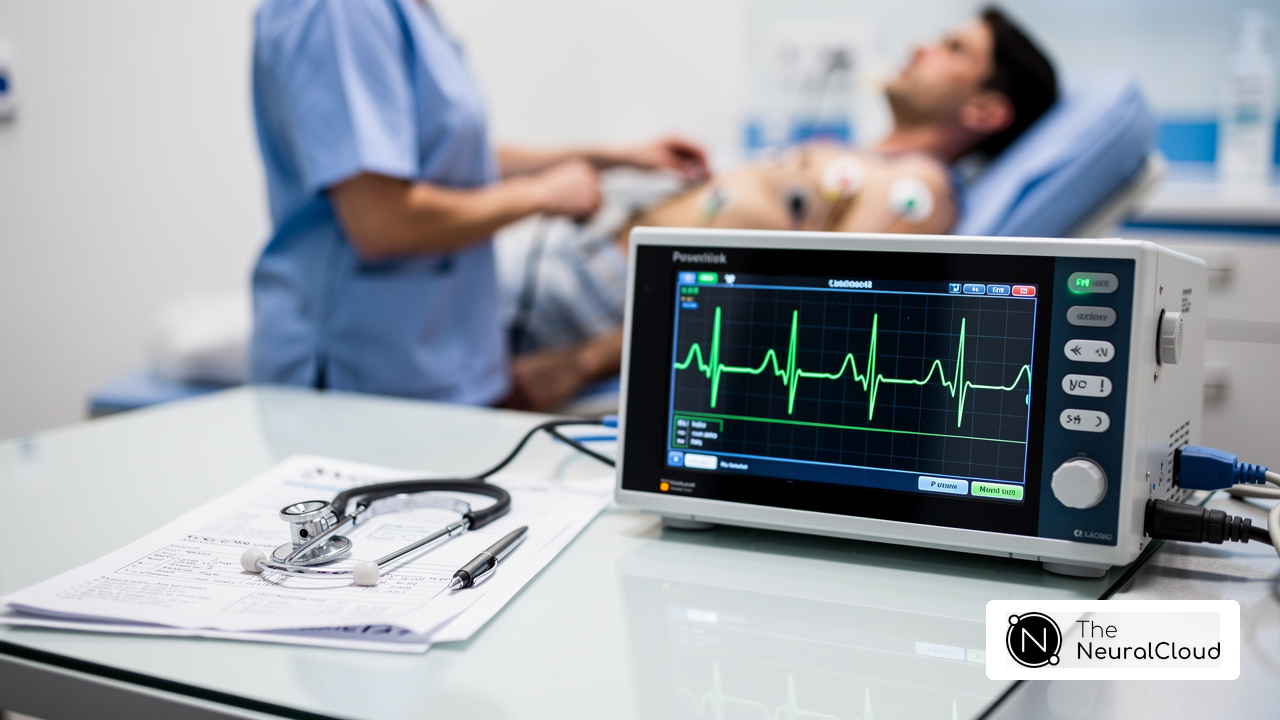
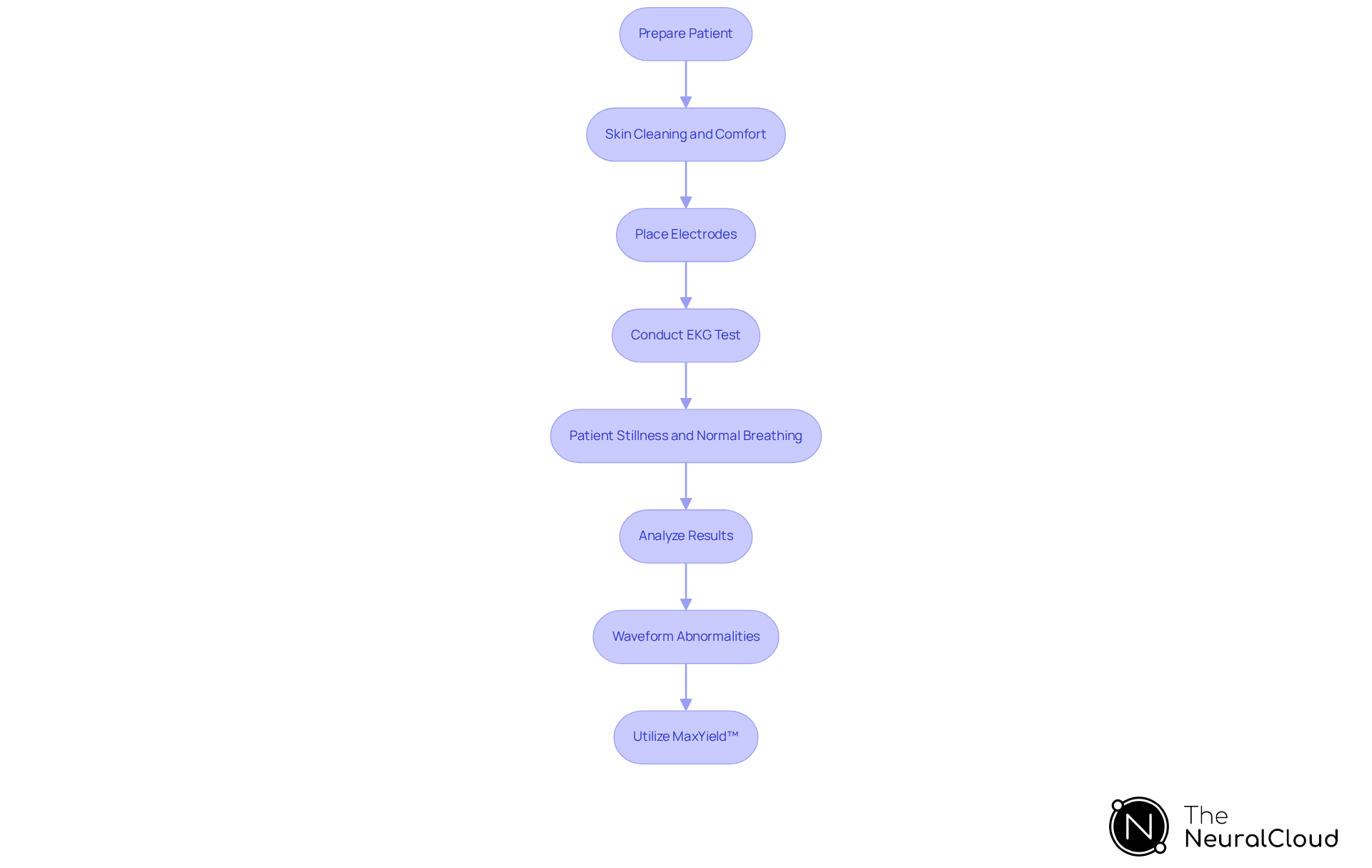
Preparing for an EKG involves meticulous attention to patient comfort and skin preparation. The skin must be clean and devoid of oils or lotions to ensure optimal electrode adhesion and signal clarity. During the test, electrodes are strategically placed on the patient's chest, arms, and legs to accurately capture the heart's electrical signals. It's crucial for the patient to remain still and breathe normally throughout the recording to minimize artifacts that could distort the results.
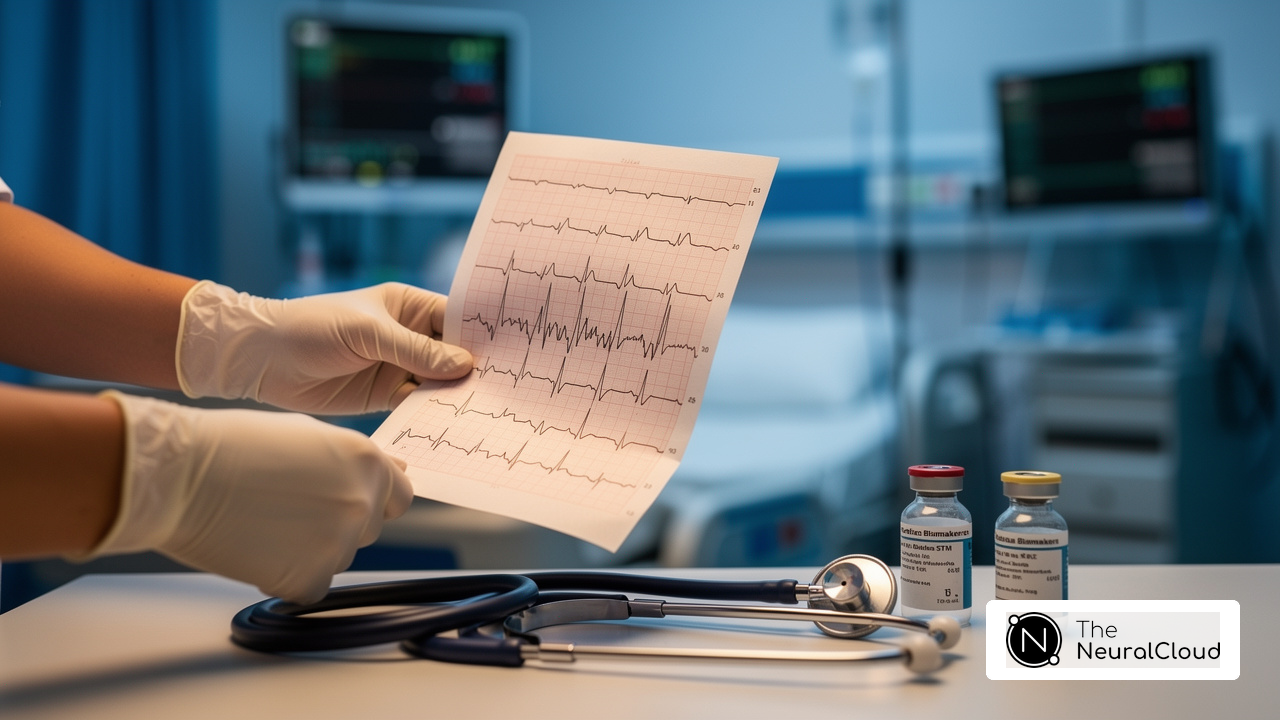
Once the EKG is completed, healthcare professionals analyze the results, such as irregular rhythms or abnormalities. For instance, in cases of atrial fibrillation, the EKG may show an irregular pattern, indicating the need for further management. Developers of ECG analysis tools, like Neural Cloud Solutions' MaxYield™, must integrate these clinical standards into their designs, ensuring that the tools facilitate accurate interpretation.
This allows for the identification of critical issues, even in recordings with significant noise and artifacts. By adhering to established criteria for diagnosing left ventricular hypertrophy, developers can improve the effectiveness of their solutions, ultimately enhancing patient outcomes. Additionally, practical applications of MaxYield™ in user manuals can guide healthcare professionals in effectively utilizing its features.
Integrate Advanced Technology: Utilizing AI for Enhanced EKG Analysis
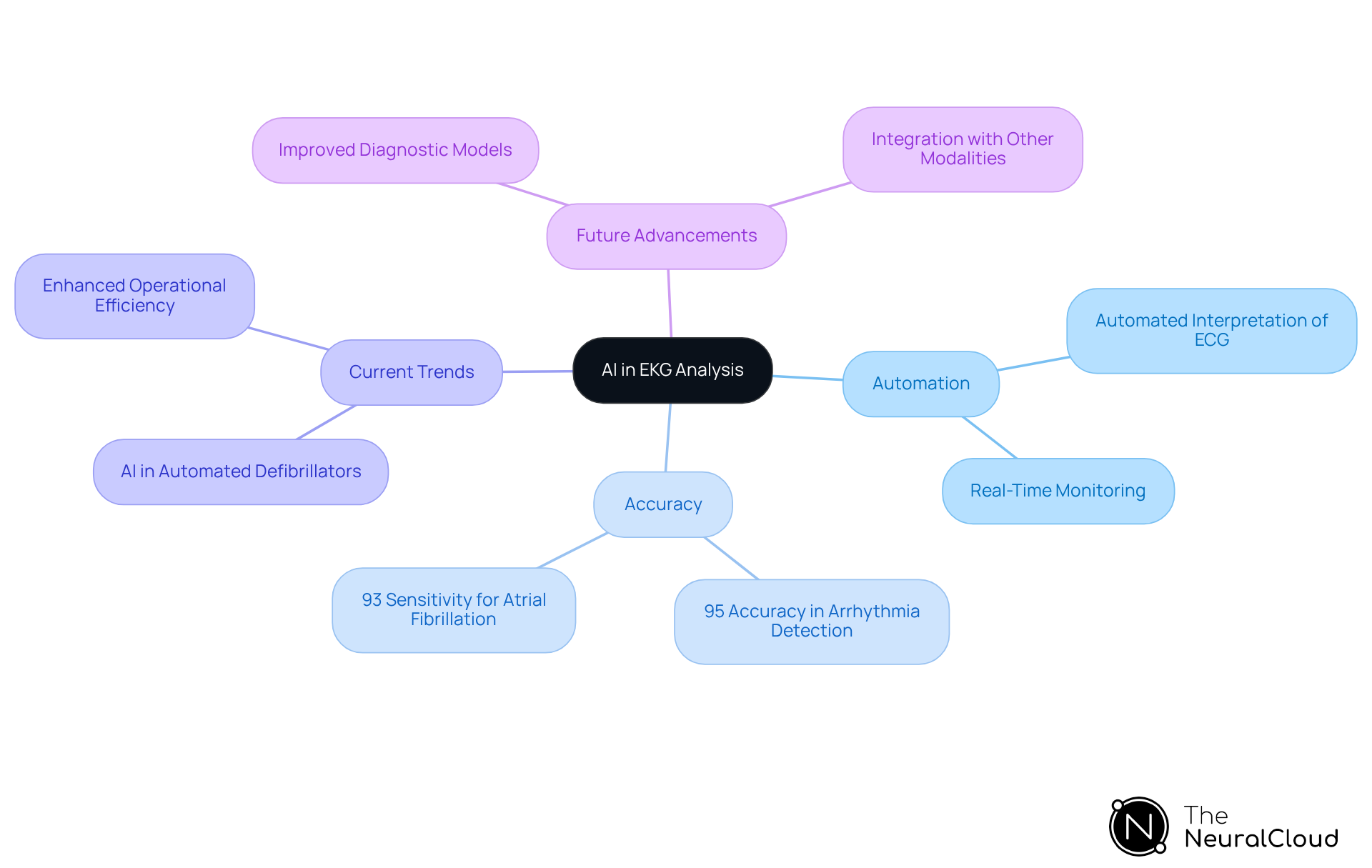
Artificial Intelligence (AI) is transforming EKG analysis by providing advanced tools. AI can quickly process large ECG datasets, identifying abnormalities that may be missed by human eyes. Techniques like machine learning and deep learning enable the development of innovative algorithms. For example, a CNN model has achieved an impressive overall accuracy of 95% in detecting arrhythmias, highlighting AI's potential in clinical environments. Additionally, AI has shown a sensitivity of 93% for detecting atrial fibrillation, emphasizing its effectiveness in recognizing critical cardiac conditions.
Current trends show an increasing reliance on AI technologies. Studies indicate that AI can enhance diagnostic capabilities. For instance, the integration of AI in automated external defibrillators has proven effective in improving response times, potentially saving lives in emergencies. As health tech developers incorporate AI into their systems, they enhance operational efficiency and empower clinicians to make informed decisions based on accurate and reliable data. This ultimately leads to better patient outcomes. The future of ECG diagnostics is set for further advancements as AI continues to evolve, promising even greater accuracy and efficiency in cardiac care.
Conclusion
Mastering EKG analysis is crucial for health tech developers who want to improve cardiac diagnostics. This article highlights the essential role of electrocardiograms in detecting heart conditions and showcases advancements in technology that enhance diagnostic accuracy and patient care. By utilizing innovative platforms like MaxYield™, developers can simplify the complexities of EKG interpretation into actionable insights, benefiting both clinicians and patients.
Key insights include the fundamental components of EKGs, such as the P wave, QRS complex, and T wave, along with the importance of precise intervals in diagnosing cardiac conditions. The integration of AI technologies revolutionizes EKG analysis by automating data interpretation and boosting diagnostic capabilities. Addressing challenges like noise and artifacts, advancements in EKG technology enable clearer data capture, leading to more informed clinical decisions.
As cardiac care evolves, mastering EKG analysis remains vital. Health tech developers are encouraged to embrace these technological advancements and incorporate them into their solutions. This not only enhances diagnostic accuracy but also contributes to improved patient outcomes in the rapidly advancing field of cardiology. The future of EKG diagnostics looks promising, with potential for even greater innovations ahead, underscoring the need for continuous learning and adaptation in this critical area of healthcare.
Frequently Asked Questions
What is an EKG and what does it measure?
An electrocardiogram (EKG or ECG) is a diagnostic tool that records the heart's electrical activity over time, measuring the heart's rhythm, rate, and overall cardiac health.
Why is an EKG important in cardiology?
EKGs are vital for identifying various cardiac conditions, such as arrhythmias and myocardial infarctions, by providing a visual representation of the heart's electrical impulses.
What challenges are associated with ECG analysis?
ECG analysis can face challenges such as physiological variability and signal artifacts, which may complicate the interpretation of results.
How has EKG technology advanced recently?
Recent advancements, particularly with platforms like MaxYield™, have improved diagnostic accuracy by featuring advanced noise filtering and signal recognition, which helps transform noisy recordings into clear insights.
What are the benefits of using MaxYield™ for EKG analysis?
MaxYield™ enhances the reliability of EKG results by addressing common challenges in ECG analysis, ultimately leading to better patient care and supporting clinicians in making informed decisions.
List of Sources
- Define EKG: Importance and Function in Cardiology
- njprimary.com (https://njprimary.com/the-importance-of-ekg-testing-and-cardiac-assessment)
- AI-driven ECG improves detection of severe heart attacks (https://news-medical.net/news/20251029/AI-driven-ECG-improves-detection-of-severe-heart-attacks.aspx)
- Memorable Cardiology Quotes | TheKnowHow Blog (https://theknowhow.ae/memorable-cardiology-quotes-heart)
- bookey.app (https://bookey.app/book/the-ecg-made-easy/quote)
- uc.edu (https://uc.edu/news/articles/2024/10/uc-cardiologist-looks-at-the-effectiveness-of-a-portable-ekg-patch.html)
- Analyze EKG Components: Intervals and Waveforms Explained
- AI-powered ECG model outperforms doctors in detecting hidden heart disease (https://news-medical.net/news/20250721/AI-powered-ECG-model-outperforms-doctors-in-detecting-hidden-heart-disease.aspx)
- bookey.app (https://bookey.app/book/the-ecg-made-easy/quote)
- STEMI - Electrocardiogram - M3 Curriculum | SAEM (https://saem.org/about-saem/academies-interest-groups-affiliates2/cdem/for-students/online-education/m3-curriculum/group-electrocardiogram-(ecg)-rhythm-recognition/stemi)
- Normal Electrocardiography (ECG) Intervals: Normal Electrocardiography Intervals (https://emedicine.medscape.com/article/2172196-overview)
- Conditions (https://myhealth.alberta.ca/Health/pages/conditions.aspx?hwid=zm2308)
- Conduct EKG Testing: Preparation, Execution, and Result Interpretation
- ECG Case Studies | Interpretation & Answers | Geeky Medics (https://geekymedics.com/ecg-case-studies)
- Integrate Advanced Technology: Utilizing AI for Enhanced EKG Analysis
- Year in Review: Evidence Around AI in Cardiology Grows (https://tctmd.com/news/year-review-evidence-around-ai-cardiology-grows)
- Artificial Intelligence–Assisted ECG Interpretation versus Conventional Reporting in Predicting Arrhythmias in Acute Coronary Syndrome: A Diagnostic Accuracy Study (https://healthcare-bulletin.co.uk/article/artificial-intelligence-assisted-ecg-interpretation-versus-conventional-reporting-in-predicting-arrhythmias-in-acute-coronary-syndrome-a-diagnostic-accuracy-study-4252)
- pmc.ncbi.nlm.nih.gov (https://pmc.ncbi.nlm.nih.gov/articles/PMC10145690)
- The Use of Artificial Intelligence in ECG Interpretation in the Outpatient Setting: A Scoping Review (https://cureus.com/articles/405923-the-use-of-artificial-intelligence-in-ecg-interpretation-in-the-outpatient-setting-a-scoping-review)
- AI-Based ECG Analysis Significantly Improves STEMI Detection, Reduces False Activations - American College of Cardiology (https://acc.org/latest-in-cardiology/articles/2025/10/24/16/56/tues-554pm-ai-tct-2025)