Introduction
Understanding the complexities of normal sinus rhythm is essential for anyone involved in cardiac care. This fundamental EKG pattern reflects the heart's electrical activity and serves as a critical benchmark for identifying potential abnormalities that could threaten patient health. Healthcare professionals face a significant challenge: how can they effectively master the nuances of normal sinus rhythm analysis amidst the intricacies of EKG interpretation?
This tutorial explores the essential characteristics of normal sinus rhythm, the advanced tools available for accurate analysis, and the implications of variations that clinicians must recognize to ensure optimal patient outcomes. By leveraging these insights, healthcare providers can enhance their diagnostic capabilities and improve patient care.
Define Normal Sinus Rhythm and Its Importance in ECG Analysis
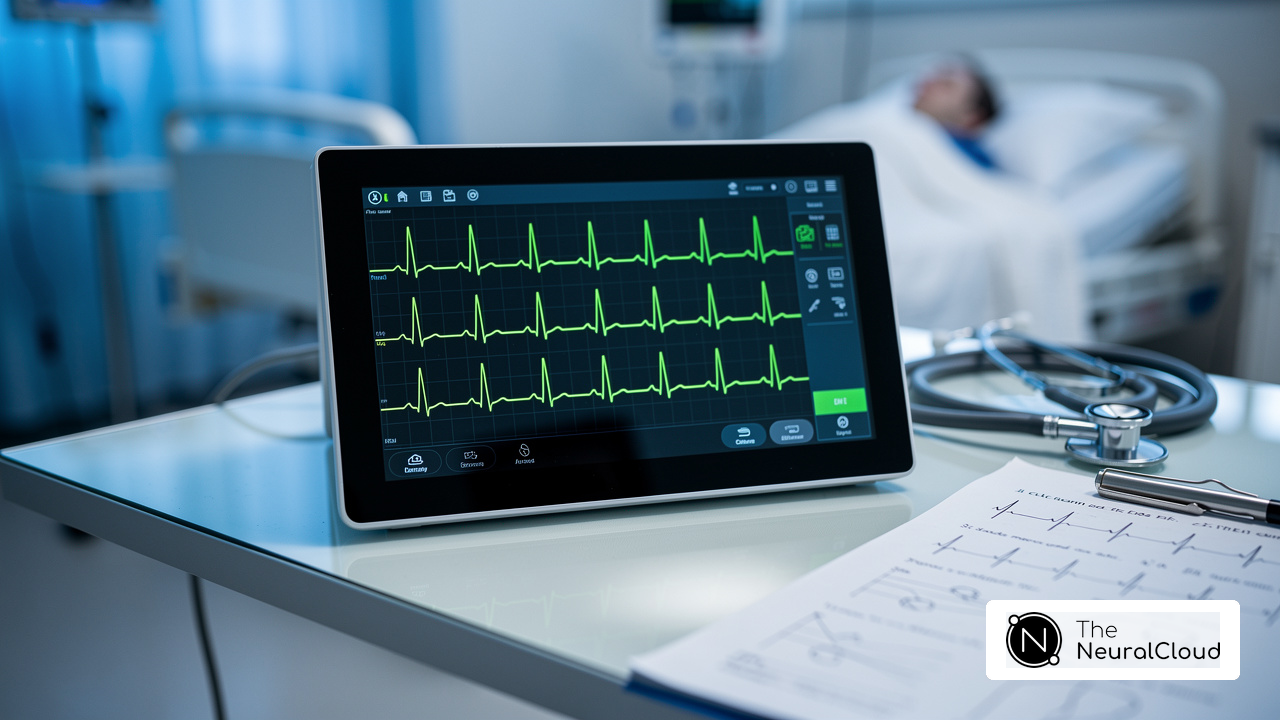
The electrocardiogram (ECG) represents the electrical activity of the heart, originating from the sinoatrial (SA) node. It is a normal sinus rhythm, typically ranging from 60 to 100 beats per minute (bpm). Each heartbeat begins with an impulse from the SA node, resulting in a coordinated contraction of the atria and ventricles. Recognizing the normal sinus rhythm is vital for clinicians, as it serves as the baseline, ensuring effective blood circulation and oxygen delivery throughout the body.
Deviations from NSR can indicate underlying cardiac issues, which may require further investigation and intervention. Recent studies reveal that about 30% of individuals with atrial fibrillation - a common arrhythmia - did not receive appropriate anticoagulant therapy. This highlights the importance of EKG strip analysis to prevent serious complications. In clinical practice, the normal sinus rhythm is foundational for diagnosing various cardiac conditions, guiding treatment decisions, and ultimately improving patient outcomes.
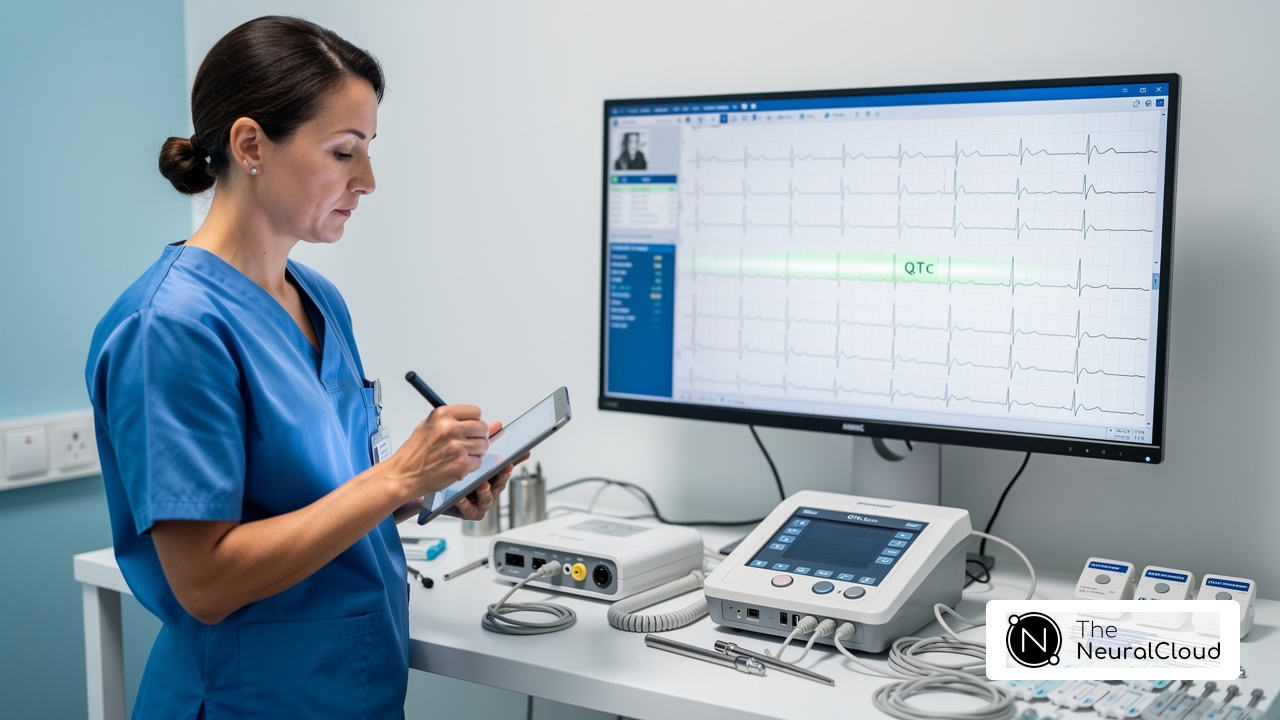
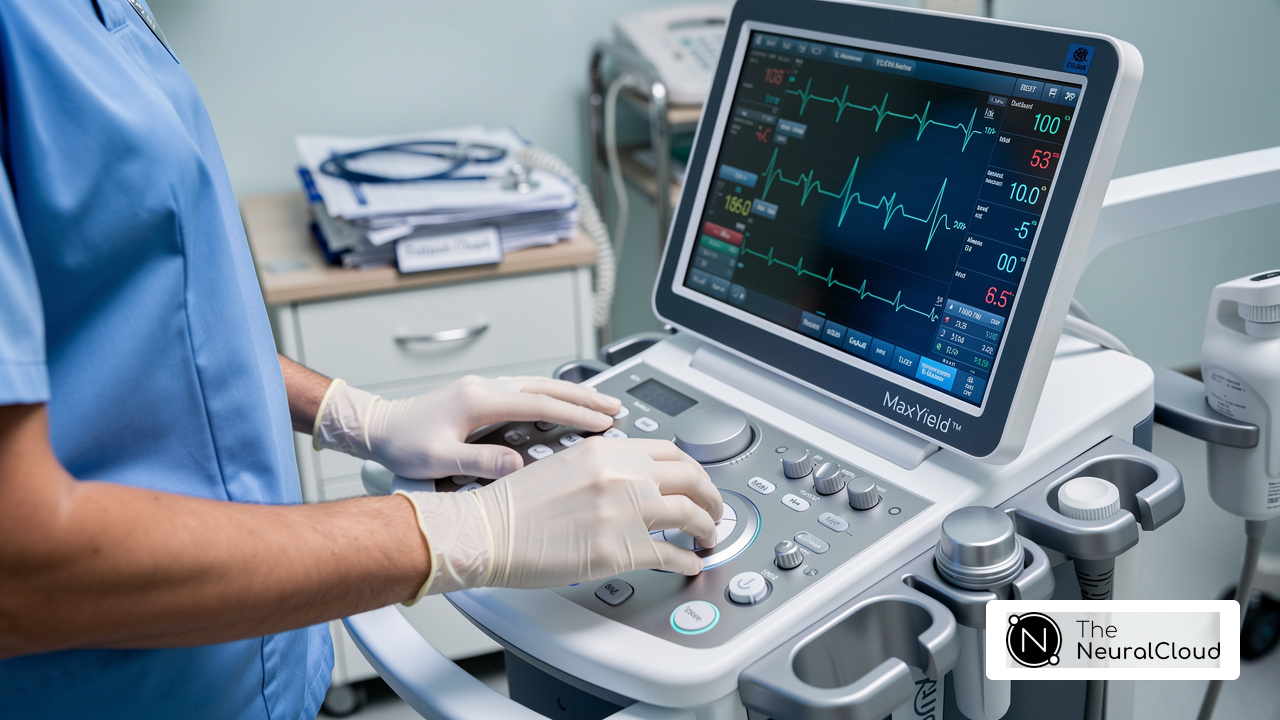
The MaxYield™ platform enhances ECG analysis by automating the process and delivering beat-by-beat insights. Its algorithms evolve with each use, effectively isolating and labeling key features in ECG signals. This addresses challenges such as noise reduction and physiological variability, ensuring clearer data for clinical interpretation.
Key Features of MaxYield™:
- Automation of ECG analysis
- Beat-by-beat insights
- Noise reduction and physiological variability handling
As Dr. Robert A. Harrington, a member of the scientific advisory board, stated, "The ability for patients to collect clinically meaningful ECG data at that exact moment can allow physicians to gain a much clearer understanding of a patient’s condition and take more timely action." This underscores the importance of timely intervention in effective cardiac care, further supported by the capabilities of the MaxYield™ platform.

Identify Key Features of Normal Sinus Rhythm on EKG Strips
Identifying the normal sinus rhythm can be challenging due to various factors that may obscure key characteristics. However, the analysis significantly enhances by addressing these challenges through advanced features.
Key Features of MaxYield™:
- Regular Rhythm: The rhythm should be consistent, with equal intervals between R-R intervals, indicating a stable heart rate. MaxYield™ filters out noise that may obscure these intervals, making identification easier.
- Pulse Rate: The pulse rate must fall within the range of 60-100 beats per minute (bpm). This can be determined by counting the number of R peaks in a 6-second strip and multiplying by 10. This system ensures precise heart rate calculation, even in recordings impacted by artifacts.
- P Waves: Each P wave should be preceded by a QRS complex. The platform's wave recognition capabilities assist in clearly identifying these P waves amidst noise.
- PR Interval: The PR interval should be within normal limits, reflecting normal conduction through the atrioventricular (AV) node. The system aids in accurately measuring this interval by isolating the relevant segments of the ECG.
- QRS Duration: The duration of the QRS complex should be less than 120 milliseconds, indicating normal ventricular depolarization. With this advanced tool, clinicians can confidently evaluate the QRS duration, even in challenging recordings.
Recognizing these features is crucial for differentiating a normal sinus rhythm from other rhythms, such as atrial fibrillation or ventricular tachycardia. Statistics indicate that approximately 60-70% of ECGs in clinical practice show the characteristics of a normal sinus rhythm, underscoring its prevalence in healthy individuals. EKG strips that demonstrate these characteristics can serve as valuable references for accurate analysis.
Advantages of Using MaxYield™:
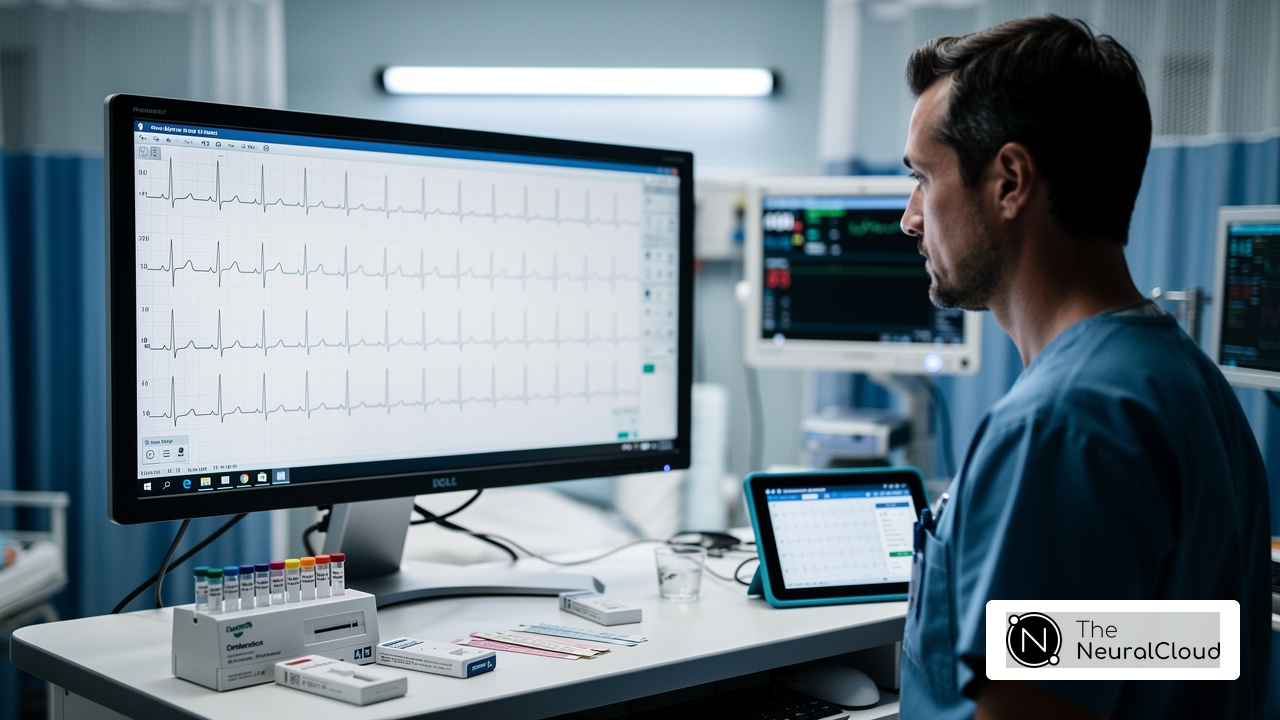
The system employs advanced algorithms and unique signal recognition to improve accuracy. By rapidly isolating ECG waves from recordings affected by baseline wander, movement, and muscle artifact, the system salvages previously obscured sections of lengthy Holter, 1-Lead, and patch monitor recordings. This capability ensures that the normal sinus rhythm can be accurately identified, even in challenging conditions, ultimately improving diagnostic yield and efficiency.

Explore Variations and Abnormalities of Normal Sinus Rhythm
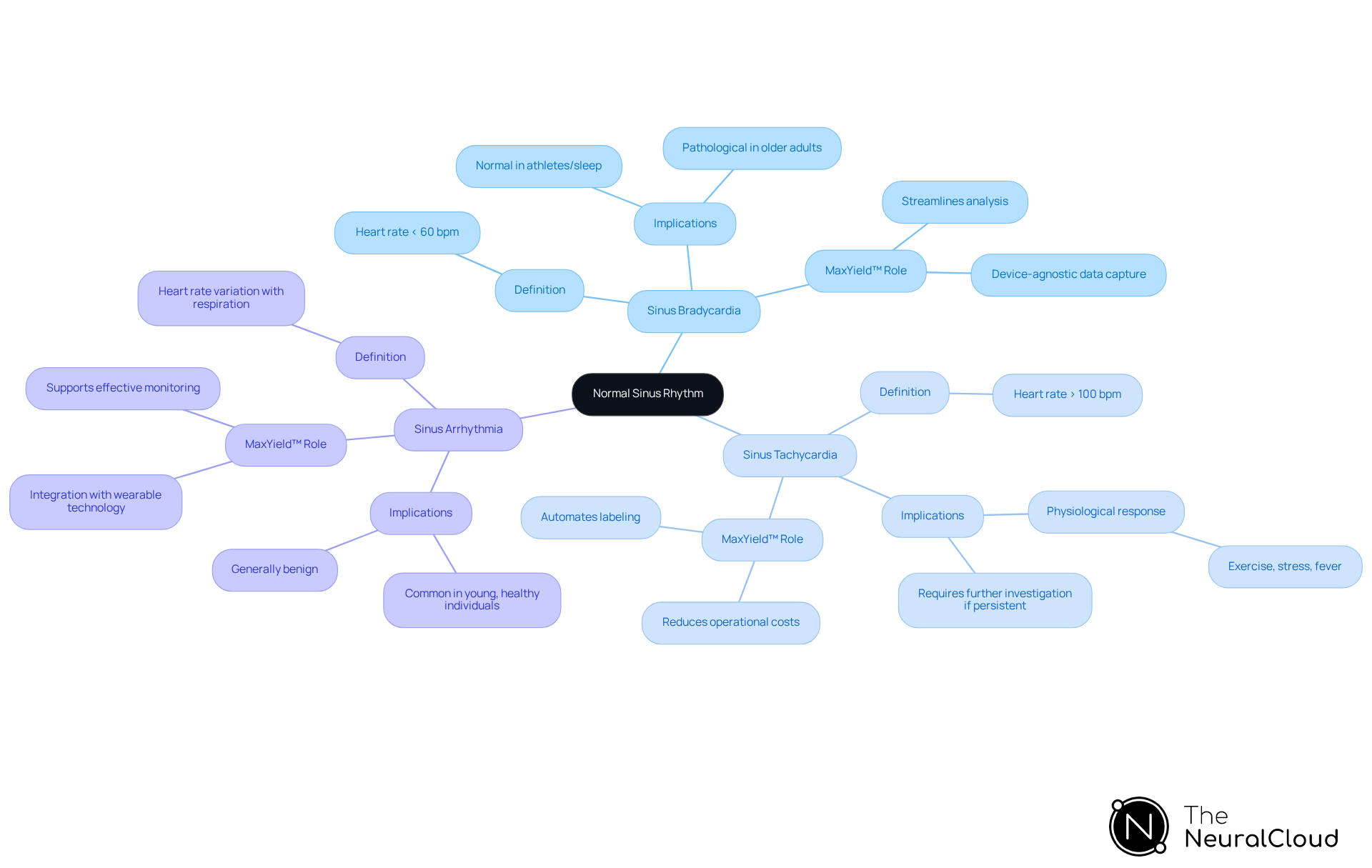
can exhibit variations that remain within acceptable limits, each with distinct implications, especially when analyzed through advanced platforms like MaxYield™ from Neural Cloud Solutions. Understanding these variations is crucial for clinicians, as it enables them to distinguish between normal physiological responses and conditions that may necessitate intervention.
Bradycardia: This condition is defined as a heart rate of fewer than 60 beats per minute (bpm). Bradycardia can be a normal finding in athletes or during sleep. However, in other patients, it may indicate underlying pathology, particularly in older adults or those with cardiovascular issues. Approximately one in 600 adults over 65 experiences sinus node dysfunction, highlighting the need for careful evaluation in this demographic. The MaxYield™ system streamlines the analysis of such cases, ensuring accurate and timely evaluations while being device-agnostic, capturing data from various ECG devices.
Tachycardia: Defined by a pulse rate surpassing 100 bpm, tachycardia frequently occurs as a physiological reaction to elements like exercise, stress, or fever. While typically benign, persistent tachycardia warrants further investigation to rule out potential cardiac issues. With the MaxYield™ system, clinicians can conduct comprehensive assessments, significantly reducing operational costs and enhancing the efficiency of ECG analysis.
Sinus arrhythmia: This condition involves a variation in heart rate that correlates with respiration, where the heart rate increases during inhalation and decreases during exhalation. Sinus arrhythmia is commonly observed in younger, healthy individuals and is generally considered benign. Its prevalence in this population underscores its normalcy, with few complications associated. The integration of sinus arrhythmia monitoring with the MaxYield™ system allows for seamless data capture, further supporting clinicians in monitoring these variations effectively.
The abnormalities include conditions such as atrial fibrillation and sick sinus syndrome, emphasizing the importance of thorough evaluation and history-taking in clinical practice. By utilizing the features of the advanced MaxYield™ system, healthcare professionals can enhance their clinical decision-making and improve patient outcomes.
Interpret EKG Strips: A Step-by-Step Guide to Normal Sinus Rhythm
To accurately interpret EKG strips for using Neural Cloud Solutions' technology, clinicians can follow these systematic steps:
- Start by determining if the rhythm is regular or irregular. Measure the R-R intervals; a normal rhythm shows consistent intervals. The software helps efficiently analyze these intervals, ensuring accuracy.
- Count the number of R peaks in a 6-second strip and multiply by 10 to find the beats per minute (bpm). Normal heart rate ranges from 60 to 99 bpm. The MaxYield™ system simplifies this process, providing precise heart rate calculations.
- Check for P waves before each QRS complex. They should be upright in leads I and II, indicating proper atrial depolarization. The technology enhances the clarity of these signals, aiding in accurate evaluations.
- Use calipers or a ruler to measure the PR interval, ensuring it falls between 120-200 milliseconds. A prolonged PR interval may suggest an AV block. MaxYield™ helps identify such anomalies quickly, improving diagnostic accuracy.
- Confirm that the QRS duration is under 120 milliseconds and that it follows each P deflection. Normal QRS complexes are typically narrow, measuring 0.04-0.10 seconds. The platform's automated labeling reduces the time spent on this analysis, enhancing efficiency.
- Ensure that T waves follow each QRS complex and are of normal shape, typically upright in leads with tall R waves. The system supports healthcare professionals by providing consistent signal quality, enhancing the reliability of T wave assessments.
By adhering to these steps and leveraging the capabilities of MaxYield™, clinicians can effectively identify the EKG strip and recognize any deviations that may require further investigation. This structured approach not only enhances interpretation accuracy but also aligns with current training practices for healthcare professionals, emphasizing the importance of systematic analysis in clinical settings.

Conclusion
Mastering the identification and analysis of normal sinus rhythm (NSR) on EKG strips is essential for effective cardiac care. Understanding NSR establishes a baseline for heart function and helps recognize deviations that may indicate underlying health issues. The MaxYield™ platform enhances diagnostic capabilities, ensuring timely and accurate assessments for clinicians.
This article explored key aspects of normal sinus rhythm, including its definition, significance in clinical practice, and the features that characterize it. Regular rhythms, pulse rates, and specific waveforms are crucial for differentiating NSR from other arrhythmias. Variations such as sinus bradycardia, tachycardia, and arrhythmia were also examined, highlighting the need for careful evaluation in diverse patient scenarios.
The ability to accurately interpret EKG strips through systematic steps enhances clinical decision-making and improves patient outcomes. Advanced technologies like MaxYield™ empower healthcare professionals to refine their skills in ECG analysis, equipping them to manage and respond to cardiac conditions effectively. As cardiac care evolves, mastering normal sinus rhythm remains a foundational skill that significantly impacts patient health and safety.
Frequently Asked Questions
What is normal sinus rhythm (NSR)?
Normal sinus rhythm (NSR) is the electrical activity of the heart that originates from the sinoatrial (SA) node, characterized by a regular rhythm typically ranging from 60 to 100 beats per minute (bpm).
Why is recognizing normal sinus rhythm important in ECG analysis?
Recognizing normal sinus rhythm is vital for clinicians as it serves as a benchmark for assessing heart function, ensuring effective blood circulation and oxygen delivery throughout the body.
What can deviations from normal sinus rhythm indicate?
Deviations from normal sinus rhythm can indicate potential cardiac abnormalities that may require further investigation and intervention.
What percentage of individuals with atrial fibrillation did not receive appropriate anticoagulant therapy?
Recent studies reveal that about 30% of individuals with atrial fibrillation did not receive appropriate anticoagulant therapy.
How does the MaxYield™ platform enhance ECG analysis?
The MaxYield™ platform enhances ECG analysis by automating the process, delivering beat-by-beat insights, and utilizing advanced AI-driven algorithms for noise reduction and handling physiological variability.
What are the key features of the MaxYield™ platform?
Key features of the MaxYield™ platform include automation of ECG analysis, beat-by-beat insights, advanced AI-driven algorithms, and capabilities for noise reduction and physiological variability handling.
How does the ability to collect clinically meaningful ECG data benefit physicians?
The ability for patients to collect clinically meaningful ECG data allows physicians to gain a clearer understanding of a patient's condition and take more timely action, which is essential for effective cardiac care.
List of Sources
- Define Normal Sinus Rhythm and Its Importance in ECG Analysis
- hmpgloballearningnetwork.com (https://hmpgloballearningnetwork.com/site/eplab/news/heartbeam-receives-fda-clearance-first-ever-cable-free-synthesized-12-lead-ecg-home)
- Electrocardiogram - StatPearls - NCBI Bookshelf (https://ncbi.nlm.nih.gov/books/NBK549803)
- jacc.org (https://jacc.org/doi/10.1016/j.jacadv.2024.101330)
- The Normal ECG | Normal 12-lead ECG | Geeky Medics (https://geekymedics.com/the-normal-ecg)
- Identify Key Features of Normal Sinus Rhythm on EKG Strips
- Normal Sinus Rhythm (https://litfl.com/normal-sinus-rhythm-ecg-library)
- Mastering EKG interpretation: 10 steps for accurate rhythm identification (https://ems1.com/ems-products/medical-monitoring/articles/ecg-interpretation-10-steps-for-rhythm-identification-HlbOvohuSltPKAL2)
- Electrocardiogram - StatPearls - NCBI Bookshelf (https://ncbi.nlm.nih.gov/books/NBK549803)
- Normal Electrocardiography (ECG) Intervals: Normal Electrocardiography Intervals (https://emedicine.medscape.com/article/2172196-overview)
- Explore Variations and Abnormalities of Normal Sinus Rhythm
- ncbi.nlm.nih.gov (https://ncbi.nlm.nih.gov/books/NBK537011)
- pmc.ncbi.nlm.nih.gov (https://pmc.ncbi.nlm.nih.gov/articles/PMC10689927)
- ncbi.nlm.nih.gov (https://ncbi.nlm.nih.gov/books/NBK493201)
- news.llu.edu (https://news.llu.edu/health-wellness/cardiologists-guide-living-arrhythmias)
- Interpret EKG Strips: A Step-by-Step Guide to Normal Sinus Rhythm
- Electrocardiogram - StatPearls - NCBI Bookshelf (https://ncbi.nlm.nih.gov/books/NBK549803)
- Mastering EKG interpretation: 10 steps for accurate rhythm identification (https://ems1.com/ems-products/medical-monitoring/articles/ecg-interpretation-10-steps-for-rhythm-identification-HlbOvohuSltPKAL2)
- Normal Sinus Rhythm (https://litfl.com/normal-sinus-rhythm-ecg-library)
- ECG Case Studies | Interpretation & Answers | Geeky Medics (https://geekymedics.com/ecg-case-studies)