Introduction
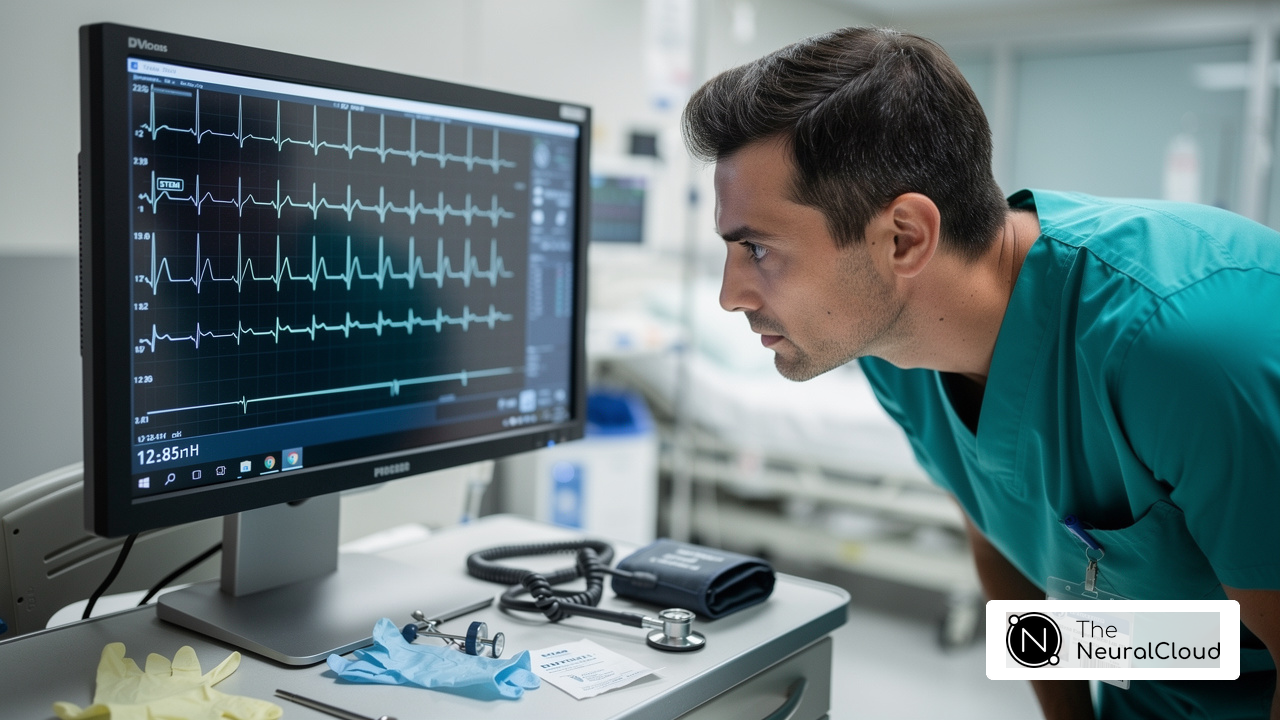
Understanding the complexities of a normal ECG is crucial for healthcare professionals and developers, as it serves as a foundational tool in cardiac assessment. This article explores the challenges in ECG analysis, particularly the need for accurate identification of the normal ventricular rate, which ranges from 60 to 100 beats per minute. The question arises: how can developers create tools that interpret these vital signs while enhancing clinical decision-making and patient outcomes?
Enter the MaxYield™ platform, designed to address these challenges head-on. This innovative tool offers advanced features that streamline ECG analysis, making it easier for healthcare professionals to interpret results accurately. By leveraging cutting-edge technology, the platform enhances diagnostic accuracy, ultimately benefiting patient care.
The advantages of the MaxYield™ platform are significant. It not only simplifies the ECG analysis process but also empowers healthcare providers with the insights needed to make informed decisions. With improved accuracy and efficiency, professionals can focus more on patient care rather than getting bogged down by complex data interpretation.
In summary, the MaxYield™ platform represents a vital advancement in ECG analysis, offering features that directly benefit healthcare professionals. By embracing this technology, providers can enhance their clinical practices and improve patient outcomes.
Explore the Characteristics of a Normal ECG
A normal ECG presents a sequence of waves that illustrate the heart's electrical activity, characterized by several key features:
- Heart Rate: A typical resting heart rate ranges from 60 to 100 beats per minute (bpm). Rates below 60 bpm indicate bradycardia, while those exceeding 100 bpm signify tachycardia, conditions prevalent in various adult populations.
- Rhythm: The rhythm should be consistent, originating from the sinoatrial node, the heart's natural pacemaker, ensuring a reliable heartbeat.
- Waveforms: The ECG comprises several essential waveforms:
- P Wave: Signifies atrial depolarization, with each P wave preceding a QRS complex.
- QRS Complex: Represents ventricular depolarization, with a duration of less than 0.12 seconds being normal.
- T Wave: Indicates ventricular repolarization, typically upright in most leads except aVR.
- PR Interval: Normal range is 120-200 milliseconds, crucial for assessing conduction time.
- QT Interval: Should be adjusted for heart frequency, generally less than 440 milliseconds, to avoid misinterpretation of repolarization time.
Understanding these characteristics is vital for developers to ensure their systems can accurately interpret and flag abnormalities, such as identifying a normal ventricular rate, which enhances clinical decision-making.
The platform from Neural Cloud Solutions addresses the challenges in ECG analysis by providing advanced features. This feature not only saves time and resources but also enhances clarity in analysis. By adapting to physiological variability, the platform ensures accurate interpretation of diverse ECG patterns.
In summary, the solution offers healthcare professionals a powerful tool to improve diagnostics, streamline workflows, and ultimately enhance patient care.

Analyze Key Measurements and Intervals in ECG
Important measurements and durations in an ECG are essential for assessing cardiac function. Developers should prioritize the following aspects:
-
Heart rate: The heart rate can be determined using various methods:
- For regular rhythms, count the number of R waves in a 6-second strip and multiply by 10.
- For irregular rhythms, use the small square method by dividing 1500 by the number of small squares between R-R periods.
PR interval: This period is measured from the onset of the P wave to the beginning of the QRS complex. A typical PR interval is between 120-200 milliseconds. Prolongation beyond this range may indicate first-degree AV block, which can be associated with increased risks of atrial fibrillation and other complications. Precise assessment of the PR interval is vital for diagnosing cardiac conduction abnormalities.
QRS duration: This duration reflects the time required for ventricular depolarization, with a normal duration being less than 0.12 seconds. A widened QRS complex may suggest a conduction delay, necessitating further evaluation.
QT interval: Measured from the start of the QRS complex to the end of the T wave, the corrected QT interval (QTc) should ideally be less than 440 milliseconds. Extended QT intervals can result in severe arrhythmias, emphasizing the significance of precise measurement.
ST segment: This segment lies between the end of the QRS complex and the beginning of the T wave. Elevation or depression of the ST segment can indicate ischemia or myocardial infarction, making it a critical component of ECG interpretation.
By mastering these measurements, developers can design algorithms that effectively assess and identify potential issues, ultimately enhancing patient care.
Integrating Neural Cloud Solutions' technology can significantly improve ECG analysis. This platform effectively filters noise and recognizes distinct ECG waves, even in recordings with high levels of artifacts. Such capabilities allow for the salvage of previously obscured sections of lengthy Holter, 1-Lead, and patch monitor recordings, ultimately improving diagnostic accuracy.
It's also important to consider that typical PR interval durations can vary by age, with values generally ranging from 120-200 milliseconds for adults, while children may have different usual ranges. Integrating case studies, such as those involving atrial fibrillation or AV block, can further illustrate the practical applications of these measurements.

Apply Knowledge to Identify Normal Ventricular Rate in Clinical Practice
Identifying the normal ventricular rate is crucial for patient care, especially when it comes to cardiac health. However, challenges persist in accurately monitoring and interpreting these vital signs. Developers can significantly enhance their tools by implementing several strategies that leverage the capabilities of advanced technology.
- Regular Monitoring: Clinicians should consistently monitor ECGs, particularly in patients with existing cardiac conditions, to establish a baseline for heart rate. This practice is essential for timely interventions, ensuring that any deviations from the norm are promptly addressed.
- Utilizing Algorithms: By incorporating algorithms that automatically calculate heart rate, clinicians can receive alerts when values deviate from the normal range of 60-100 bpm. This automation not only streamlines the decision-making process but also leads to improved patient outcomes. With Neural Cloud Solutions' technology, developers can utilize tools to rapidly label P, QRS, and T Wave onsets, offsets, and time-series intervals, making the analysis more efficient.
- Visual Indicators: Creating user interfaces that visually emphasize unusual heart rate levels can enable prompt identification of potential problems. Advanced software transforms lengthy and noisy ECG recordings into clean, crisp signals, enhancing the clarity of data and aiding in quicker assessments.
- Training and Support: Comprehensive training for clinicians on interpreting data from tools is vital. Understanding the significance of heart rate is essential for effective patient care and management. By leveraging insights from research, developers can support the discovery of new digital biomarkers, further enhancing patient monitoring.
By integrating these practices and the capabilities of advanced technology, developers can create tools that not only assist in identifying normal ventricular rates but also significantly improve patient outcomes.

Leverage Advanced Technologies for Enhanced ECG Analysis
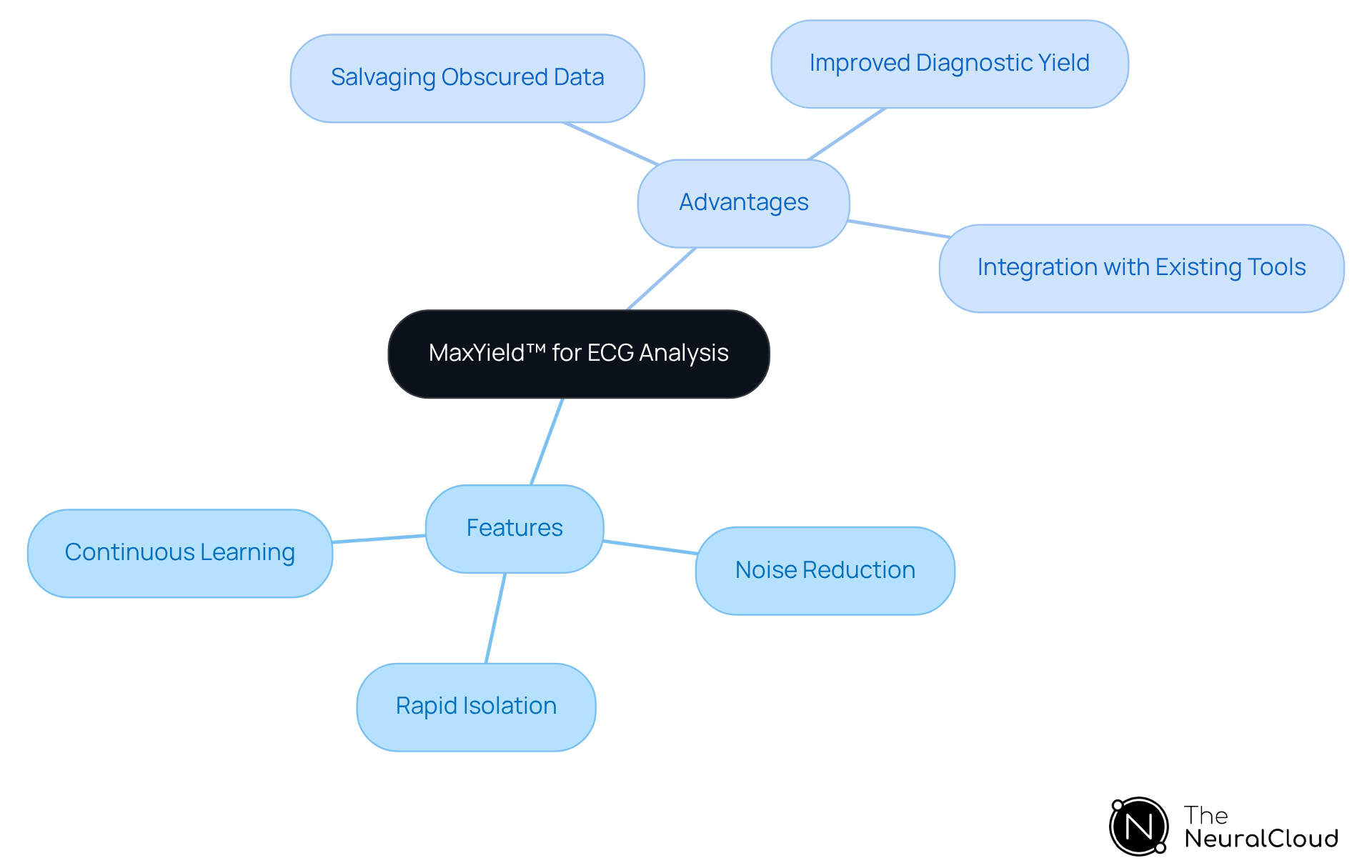
Incorporating advanced technologies into ECG analysis presents significant challenges, particularly in ensuring accurate and timely diagnoses. One solution that stands out is MaxYield™, an advanced platform designed to enhance ECG analysis by addressing these challenges head-on.
Features of MaxYield™:
- Noise Reduction: MaxYield™ effectively identifies and labels critical data even in recordings affected by high levels of noise and artifact.
- Rapid Isolation: It quickly isolates ECG waves from recordings impacted by baseline wander, movement, and muscle artifact.
- Adaptive Learning: The platform evolves with each use, learning from new data to continuously improve accuracy and efficiency.
Advantages for Healthcare Providers:
By utilizing MaxYield™, healthcare providers can salvage previously obscured sections of lengthy ECG, 1-Lead, and patch monitor recordings. This capability not only enhances diagnostic accuracy but also ensures that critical information is not lost, ultimately leading to better patient outcomes.
Moreover, the integration of MaxYield™ with existing technologies allows for a more comprehensive view of a patient's heart health, facilitating timely interventions.
In summary, by leveraging the advanced features of MaxYield™, developers can create tools that are efficient and capable of delivering high-quality, actionable insights for healthcare providers. This not only improves diagnostic processes but also enhances overall patient care.
Conclusion
Mastering the interpretation of a normal ventricular rate on an ECG is crucial for healthcare professionals and developers. Accurately assessing heart rate and rhythm not only aids in diagnosing potential cardiac issues but also enhances overall patient care. Understanding the characteristics of a normal ECG, including heart rate ranges, waveforms, and critical intervals, allows developers to create tools that facilitate precise ECG analysis, ultimately supporting clinical decision-making.
The MaxYield™ platform offers several key features that address the challenges in ECG analysis. It employs advanced algorithms to streamline interpretation, ensuring that healthcare providers can swiftly identify deviations from normal rates. This capability is essential for improving patient outcomes. Additionally, the integration of technologies like Neural Cloud Solutions enhances the platform's effectiveness, allowing for continuous learning and noise reduction in ECG analysis tools.
By leveraging these features, healthcare professionals can significantly enhance their diagnostic accuracy. The emphasis on regular monitoring and the use of innovative solutions fosters a more effective approach to cardiac health monitoring. As the landscape of ECG analysis evolves, embracing these advanced methodologies is crucial for better patient management and care.
In conclusion, prioritizing accurate ECG interpretation and implementing the MaxYield™ platform can pave the way for improved health outcomes in the future. By utilizing these insights and tools, the medical community can foster a more effective approach to cardiac health, ultimately benefiting both patients and healthcare providers.
Frequently Asked Questions
What is a normal ECG and what does it illustrate?
A normal ECG presents a sequence of waves that illustrate the heart's electrical activity, characterized by specific features such as heart rate, rhythm, waveforms, and intervals.
What is the typical heart rate for a normal ECG?
A typical resting heart rate ranges from 60 to 100 beats per minute (bpm). Rates below 60 bpm indicate bradycardia, while rates exceeding 100 bpm signify tachycardia.
How is the rhythm determined in a normal ECG?
The rhythm should be consistent and originate from the sinoatrial node, the heart's natural pacemaker, ensuring a reliable heartbeat.
What are the key waveforms present in a normal ECG?
The key waveforms in a normal ECG include: - P Wave: Signifies atrial depolarization and precedes a QRS complex. - QRS Complex: Represents ventricular depolarization, with a normal duration of less than 0.12 seconds. - T Wave: Indicates ventricular repolarization, typically upright in most leads except aVR.
What are the important intervals to consider in a normal ECG?
Important intervals include: - PR Interval: Normal range is 120-200 milliseconds, crucial for assessing conduction time. - QT Interval: Should be adjusted for heart frequency, generally less than 440 milliseconds, to avoid misinterpretation of repolarization time.
Why is understanding these ECG characteristics important for developers?
Understanding these characteristics is vital for developers to ensure their ECG analysis tools can accurately interpret and flag abnormalities, enhancing clinical decision-making.
What features does the MaxYield™ platform offer for ECG analysis?
The MaxYield™ platform from Neural Cloud Solutions provides automated ECG signal labeling, saving time and resources while enhancing clarity in analysis. It adapts to physiological variability for accurate interpretation of diverse ECG patterns, crucial for identifying actionable insights in clinical settings.
How does the MaxYield™ platform improve patient care?
The MaxYield™ platform improves ECG analysis, streamlines workflows, and ultimately enhances patient care by providing healthcare professionals with a powerful tool for accurate ECG interpretation.
List of Sources
- Explore the Characteristics of a Normal ECG
- nyit.edu (https://nyit.edu/news/articles/using-ai-to-detect-ecg-abnormalities)
- AI-powered ECG analysis shows promise for early COPD detection (https://medicalxpress.com/news/2026-01-ai-powered-ecg-analysis-early.html)
- New study finds AI model improves heart attack detection (https://health.ucdavis.edu/news/headlines/new-study-finds-ai-model-improves-heart-attack-detection/2025/11)
- heart.org (https://heart.org/en/healthy-living/fitness/fitness-basics/target-heart-rates)
- Study Shows Promising Results for ECG Technology (https://dicardiology.com/content/study-shows-promising-results-ecg-technology)
- Analyze Key Measurements and Intervals in ECG
- PR Interval (https://litfl.com/pr-interval-ecg-library)
- droracle.ai (https://droracle.ai/articles/48948/what-is-a-normal-pr-interval-p-r-interval)
- ECG Rate Interpretation (https://litfl.com/ecg-rate-interpretation)
- ECG Case Studies | Interpretation & Answers | Geeky Medics (https://geekymedics.com/ecg-case-studies)
- Apply Knowledge to Identify Normal Ventricular Rate in Clinical Practice
- powerfulmedical.com (https://powerfulmedical.com/blog/case-study-how-pmcardio-helps-paramedics-diagnose-acute-patients-faster-and-more-accurately)
- researchgate.net (https://researchgate.net/publication/5826582_Pulling_It_All_Together_Case_Studies_on_ECG_Monitoring)
- Frequency of Cardiac Rhythm Abnormalities in a Half Million Adults | Circulation: Arrhythmia and Electrophysiology (https://ahajournals.org/doi/10.1161/circep.118.006273)
- pubmed.ncbi.nlm.nih.gov (https://pubmed.ncbi.nlm.nih.gov/19166681)
- acc.org (https://acc.org/latest-in-cardiology/ten-points-to-remember/2017/10/04/12/26/update-to-practice-standards-for-electrocardiographic-monitoring)
- Leverage Advanced Technologies for Enhanced ECG Analysis
- New study finds AI model improves heart attack detection (https://health.ucdavis.edu/news/headlines/new-study-finds-ai-model-improves-heart-attack-detection/2025/11)
- brieflands.com (https://brieflands.com/journals/ijcp/articles/143437)
- icthealth.org (https://icthealth.org/news/ai-detects-hidden-heart-disease-with-standard-ecg)
- AI-ECG Finds STEMI Faster, Cuts False-Positive Cath Lab Activations (https://tctmd.com/news/ai-ecg-finds-stemi-faster-cuts-false-positive-cath-lab-activations)
- Artificial Intelligence–Assisted ECG Interpretation versus Conventional Reporting in Predicting Arrhythmias in Acute Coronary Syndrome: A Diagnostic Accuracy Study (https://healthcare-bulletin.co.uk/article/artificial-intelligence-assisted-ecg-interpretation-versus-conventional-reporting-in-predicting-arrhythmias-in-acute-coronary-syndrome-a-diagnostic-accuracy-study-4252)