Introduction
Portable EKGs have transformed cardiac monitoring, enabling healthcare professionals to track heart activity in real-time, no matter where they are. This article explores the critical setup, interpretation, and integration of pocket EKGs, emphasizing the valuable insights they provide for timely interventions and better patient outcomes. As the demand for these devices increases, healthcare systems face the challenge of effectively incorporating them. How can they overcome integration hurdles while ensuring accurate data analysis?
The rise of portable EKGs addresses significant challenges in traditional ECG analysis. These devices offer features such as:
- Real-time monitoring
- Portability
- User-friendly interfaces
The advantages are clear: healthcare professionals can make informed decisions quickly, leading to improved patient care. By integrating pocket EKGs into their practices, healthcare systems can enhance their cardiac monitoring capabilities, ultimately benefiting patients through timely and accurate interventions.
Define Pocket EKGs and Their Importance in Cardiac Monitoring
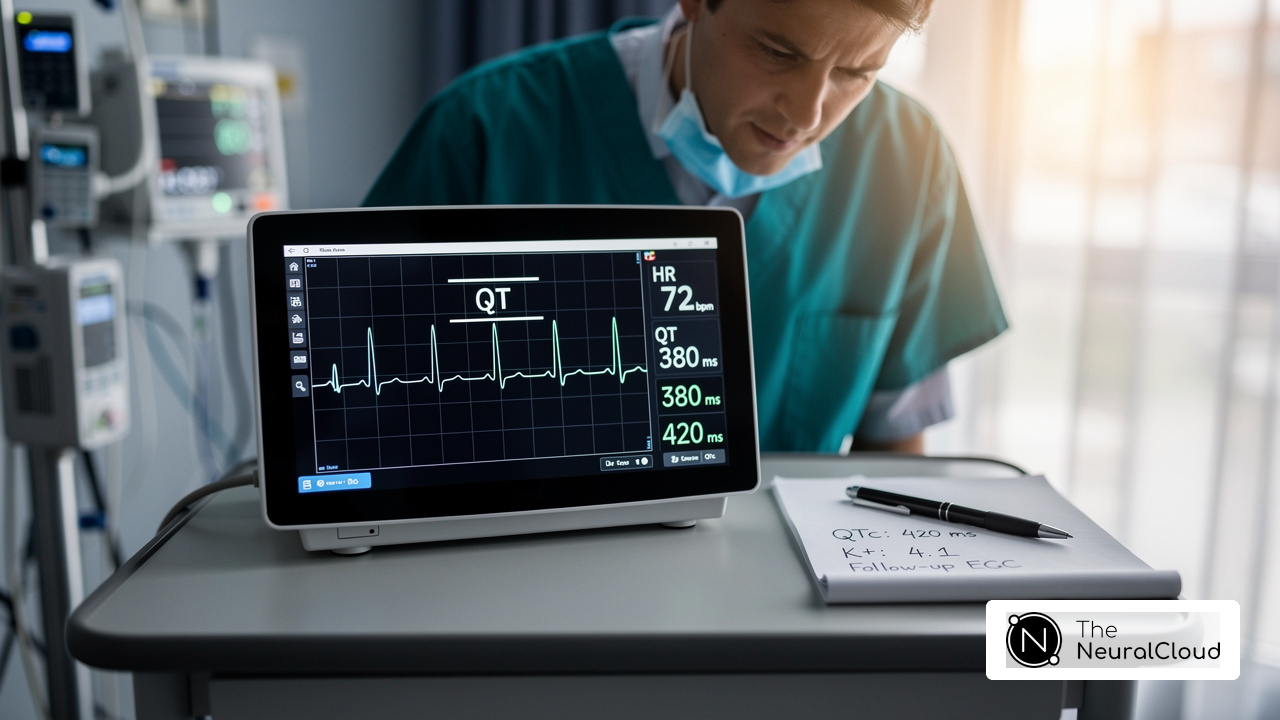
Portable EKGs, also known as compact electrocardiograms, are small devices designed to monitor and document the heart's electrical activity. Unlike traditional ECG devices, which are often large and stationary, pocket EKGs provide portability, allowing for continuous monitoring in various settings, such as at home or during physical activities. This capability is crucial for cardiac monitoring, as it provides real-time data that enables healthcare professionals to quickly identify arrhythmias and other cardiac irregularities. Such immediacy can facilitate faster interventions and better patient outcomes, especially for those with existing heart conditions or those at risk of cardiac events.
The MaxYield™ platform from Neural Cloud Solutions exemplifies how AI and machine learning are integrated into pocket EKGs. This platform enhances the clarity and accuracy of the data collected through advanced noise filtering techniques, including P, QRS, and T Wave highlighting, as well as effective artifact handling. These features streamline the workflow for healthcare professionals, making the analysis process more efficient. By automating repetitive tasks and delivering beat-by-beat analysis of 200,000 heartbeats in under five minutes, MaxYield™ transforms noisy recordings into detailed insights.
Features of MaxYield™:
- Advanced noise filtering for clearer data.
- Automated beat-by-beat analysis.
- Quick processing time of under five minutes for 200,000 heartbeats.
Advantages for Healthcare Professionals:
- Improved accuracy in ECG analysis.
- Enhanced workflow efficiency.
- Faster identification of cardiac issues, leading to timely interventions.
In summary, pocket EKGs, especially those that utilize the MaxYield™ platform, are invaluable tools in modern cardiology. They not only facilitate ongoing cardiac monitoring but also empower healthcare professionals with the tools needed for swift and accurate analysis, ultimately improving patient care.

Set Up and Operate Pocket EKGs: Step-by-Step Instructions
-
Unbox and Inspect the Device: Start by carefully unboxing the EKG. Check for any visible damage and confirm that all components, including electrodes and cables, are included. This initial step ensures that you have everything needed for a successful monitoring session.
-
Before use, charge the device according to the manufacturer's instructions for the Pocket EKG. A fully charged device is crucial for optimal performance during monitoring, allowing for accurate and reliable readings.
-
Prepare the Individual: Clearly explain the procedure to the individual to ensure their comfort. Clean the skin where electrodes will be placed to enhance conductivity and improve signal quality, which is vital for accurate ECG readings.
-
Electrode Placement: Securely attach the electrodes to the individual's skin, typically on the chest, wrists, and ankles. Proper placement is essential to avoid signal loss and ensure accurate readings. The MaxYield™ platform can assist in determining optimal electrode placement, enhancing signal quality and reliability.
-
To power on the device, activate the pocket EKG and select the appropriate tracking settings, such as continuous or event-triggered modes, based on clinical requirements. This flexibility allows healthcare professionals to tailor monitoring to specific patient needs.
-
Start Observation: Initiate the observation session, instructing the patient to remain still and avoid excessive movement. This is crucial for maintaining the accuracy of the readings. The MaxYield™ platform automates ECG signal labeling, significantly reducing time spent on noise filtering and enhancing overall efficiency in data analysis.
-
Review Information: After the observation period, examine the gathered information directly on the device or transfer it to compatible software for thorough analysis. The advanced neural networks utilized in MaxYield™ ensure clear interpretation of ECG signals, even amidst physiological variability and noise artifacts. Always ensure that all data is saved and backed up as necessary for future reference.
-
Clean Up: Once the observation is complete, carefully remove the electrodes and clean the patient's skin. Ensure that you store the pocket EKG in a safe location for future use, so it remains ready for the next monitoring session.

Interpret EKG Readings: Key Patterns and Clinical Significance
-
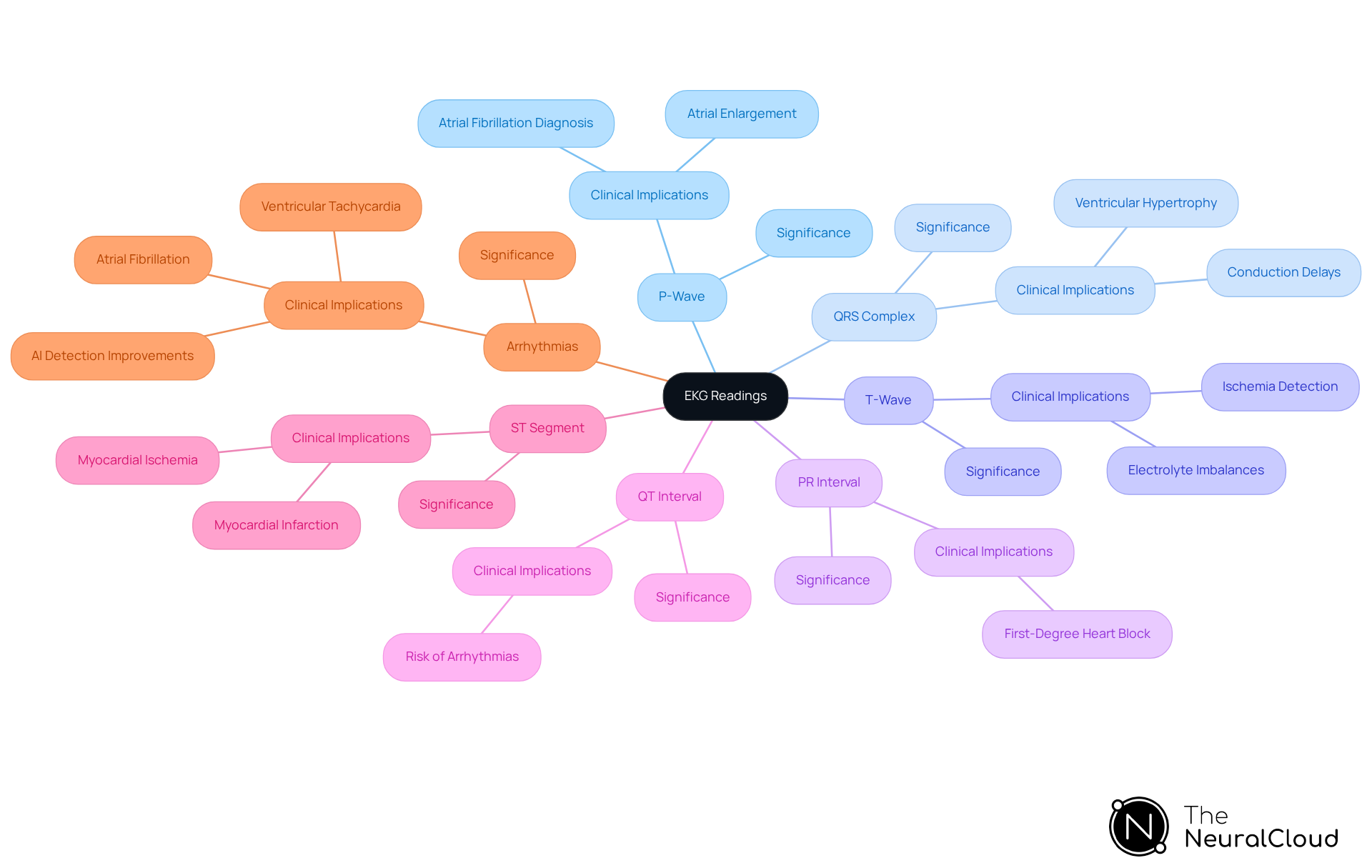
P-Wave: This wave signifies atrial depolarization. A normal P-wave indicates proper atrial function, while abnormalities - such as a peaked or absent P-wave - may suggest atrial enlargement or other cardiac issues. Recognizing these changes is critical for diagnosing conditions like atrial fibrillation, which can significantly impact patient care.
-
QRS Complex: The QRS complex represents ventricular depolarization. A narrow QRS complex typically indicates normal conduction, whereas a wide QRS may suggest conduction delays or ventricular hypertrophy. Both scenarios can have significant clinical implications, making accurate interpretation essential for effective treatment.
-
T-Wave: This wave reflects ventricular repolarization. Inverted T-waves can indicate ischemia or electrolyte imbalances. Recognizing these changes is vital, as they may signal underlying cardiac distress that requires prompt attention.
-
PR Interval: The PR interval measures the time from the onset of the P-wave to the start of the QRS complex. A prolonged PR interval may suggest first-degree heart block, necessitating further evaluation to ensure patient safety and appropriate management.
-
QT Interval: The QT interval spans from the start of the QRS complex to the end of the T-wave. A prolonged QT interval is associated with an increased risk of arrhythmias, making its monitoring essential in at-risk populations to prevent potential complications.
-
ST Segment: Changes in the ST segment, such as elevation or depression, can indicate myocardial ischemia or infarction. Timely recognition of these alterations is crucial for effective intervention and management, ultimately improving patient outcomes.
-
Arrhythmias: Identifying irregular rhythms, including atrial fibrillation or ventricular tachycardia, is essential for appropriate management and treatment decisions. Recent studies have shown that AI can enhance the detection of these arrhythmias, improving diagnostic accuracy and outcomes for individuals.
Integrate Pocket EKGs into Healthcare Systems: Challenges and Solutions
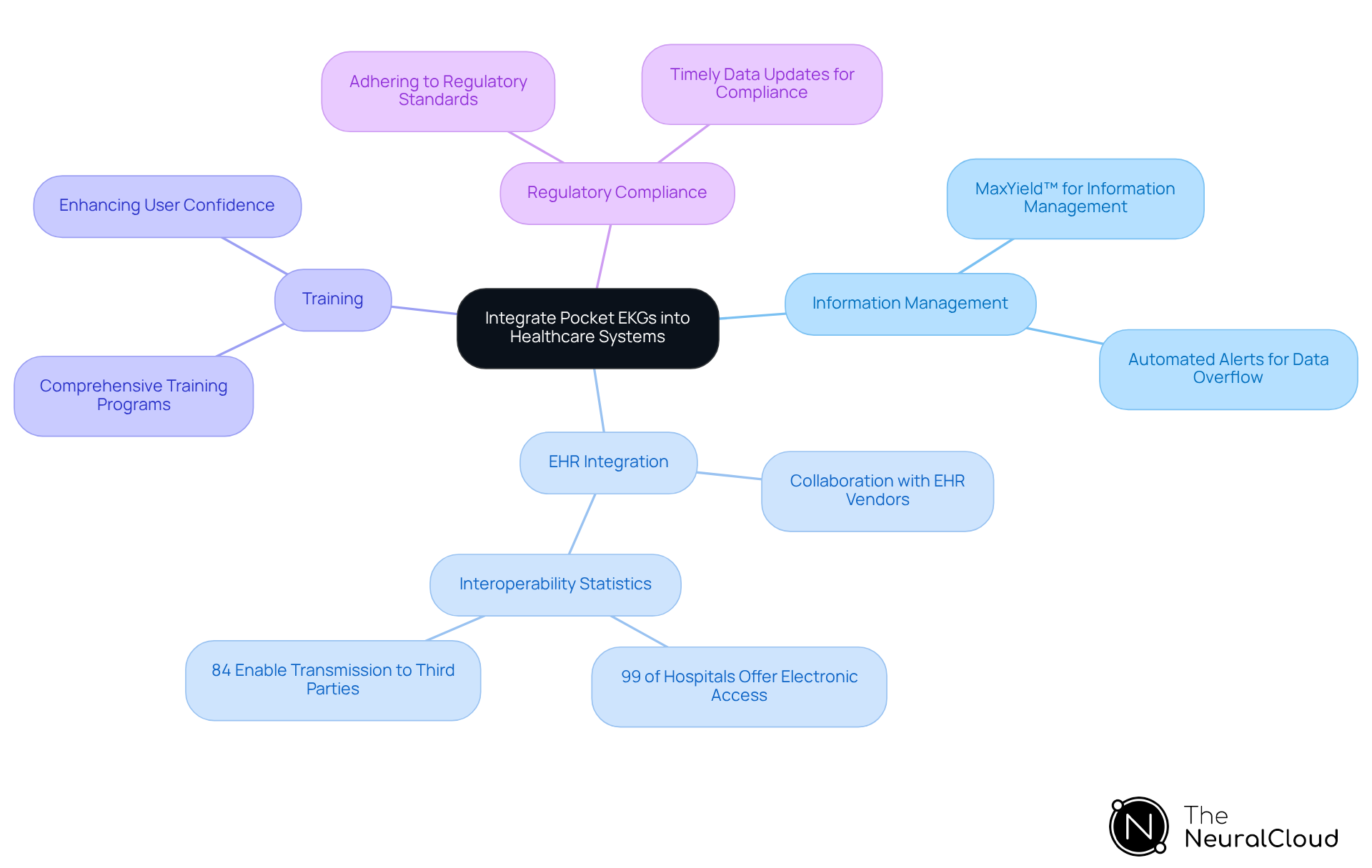
One of the main challenges in ECG analysis is managing the influx of information generated by the pocket EKG. Implementing robust information management systems capable of handling large volumes of patient records is essential. Neural Cloud Solutions offers MaxYield™, which rapidly labels P, QRS, and T Wave onsets, offsets, and time-series intervals. This feature provides beat-by-beat tabulation in CSV format, facilitating easy integration into current workflows. As a result, healthcare professionals can examine more information in less time, leading to clearer sets and cleaner signals.
In 2024, over 80% of non-federal acute care hospitals reported at least one challenge in submitting public health information via EHR or related systems. This statistic underscores the pressing need for effective management solutions. Ensuring that pocket EKGs can seamlessly integrate with existing electronic health record (EHR) systems is crucial. MaxYield™ supports this integration by creating neural network models for complex signal processing, which extract key features from signals recorded by sensors. Collaborating with EHR vendors to develop compatible interfaces can facilitate smoother data transfer. Notably, in 2024, 99% of hospitals offered electronic access to health records, with 96% allowing downloads and 84% enabling transmission to third parties, highlighting the growing importance of interoperability in healthcare technology.
Healthcare professionals must receive adequate training to use portable EKGs effectively. Providing comprehensive training programs and ongoing support enhances user confidence and proficiency. Encouraging individuals to actively engage in their monitoring can significantly improve outcomes. Offering instruction on the significance of utilizing EKG devices and how to analyze their information can boost patient involvement.
Adhering to regulatory standards for medical devices is vital. Neural Cloud Solutions' MaxYield™ identifies and labels essential information, even in recordings with high levels of noise and artifact, ensuring compliance and enhancing diagnostic yield. Staying informed about changes in regulations and ensuring that pocket EKG devices meet all necessary compliance requirements is essential for successful integration. Timely data updates enhance member services by ensuring accurate information on eligibility, benefits, and personalized care interventions, ultimately improving member engagement and outcomes.
Conclusion
Portable EKGs mark a significant leap in cardiac monitoring, empowering healthcare professionals to perform real-time assessments of heart activity across various environments. The compact design and advanced features of platforms like MaxYield™ not only boost the accuracy of readings but also streamline workflows, ultimately enhancing patient care.
This article has underscored the importance of proper setup, operation, and interpretation of pocket EKGs. Key steps include:
- Ensuring the device is fully charged
- Accurately placing electrodes
- Grasping essential EKG components such as the P-wave, QRS complex, and T-wave
Moreover, the challenges of integrating these devices into existing healthcare systems have been discussed, emphasizing the necessity for effective data management and training for healthcare providers.
Integrating pocket EKGs into daily clinical practice is more than just a technological upgrade; it signifies a shift towards personalized and responsive patient care. As the healthcare landscape evolves, adopting these tools will be crucial for enhancing diagnostic capabilities and improving patient outcomes. Engaging with the latest trends in cardiac monitoring technology and advocating for their use can empower both patients and healthcare professionals, fostering a proactive approach to heart health.
Frequently Asked Questions
What are pocket EKGs?
Pocket EKGs, also known as compact electrocardiograms, are small devices designed to monitor and document the heart's electrical activity, providing portability for continuous monitoring in various settings.
Why are pocket EKGs important for cardiac monitoring?
They enable real-time data collection, allowing healthcare professionals to quickly identify arrhythmias and other cardiac irregularities, facilitating faster interventions and better patient outcomes, especially for those with existing heart conditions or at risk of cardiac events.
What is the MaxYield™ platform?
The MaxYield™ platform from Neural Cloud Solutions integrates AI and machine learning into pocket EKGs, enhancing the clarity and accuracy of collected data through advanced noise filtering and artifact handling.
What features does the MaxYield™ platform offer?
Key features include advanced noise filtering for clearer data, automated beat-by-beat analysis, and a quick processing time of under five minutes for analyzing 200,000 heartbeats.
How does MaxYield™ benefit healthcare professionals?
It improves accuracy in ECG analysis, enhances workflow efficiency, and allows for faster identification of cardiac issues, leading to timely interventions.
What is the overall significance of pocket EKGs in modern cardiology?
Pocket EKGs, particularly those using the MaxYield™ platform, are invaluable tools that facilitate ongoing cardiac monitoring and empower healthcare professionals with efficient analysis capabilities, ultimately improving patient care.