Introduction
Understanding the complexities of inferior myocardial infarction (IMI) is crucial for healthcare professionals, as timely diagnosis can greatly influence patient outcomes. This article explores advanced analysis techniques that improve the interpretation of ECG indicators linked to IMI, shedding light on the key features that indicate ischemia in the heart's lower wall. However, challenges such as electrode misplacement and artifact interference can complicate accurate readings.
So, how can clinicians ensure they interpret ECGs correctly to prevent misdiagnosis and deliver optimal care?
Define Inferior Myocardial Infarction and Its ECG Indicators
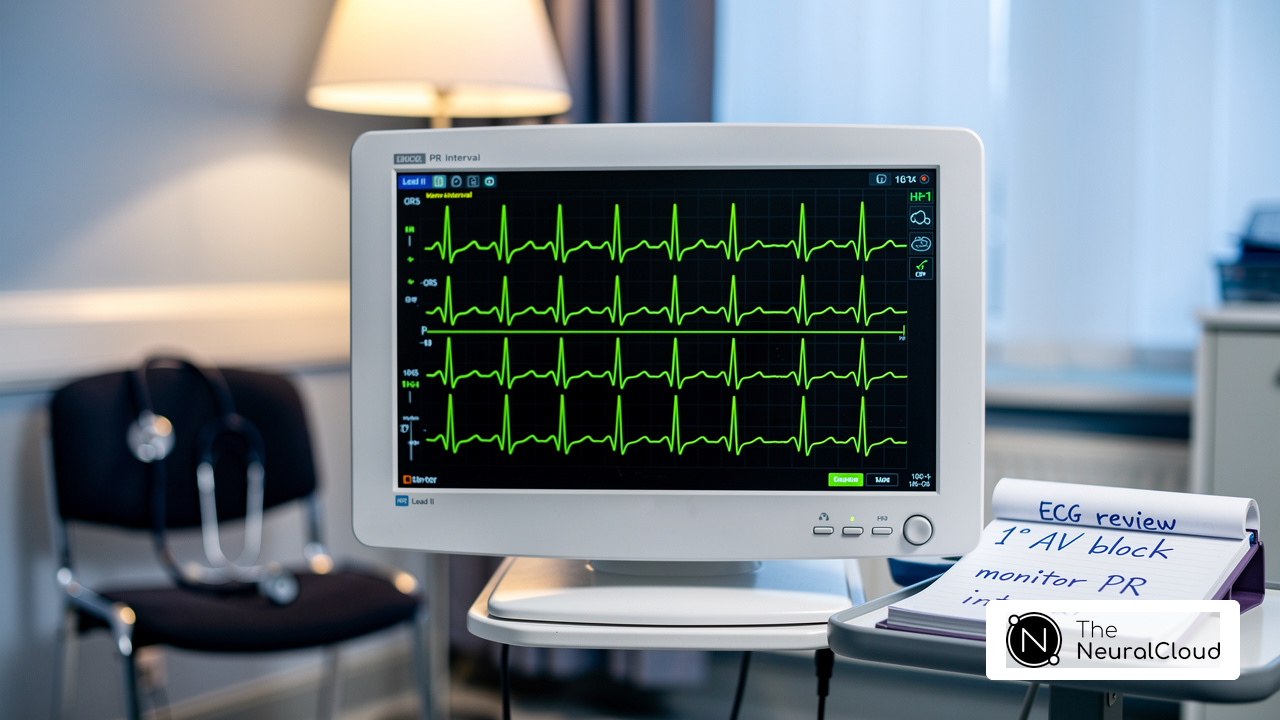
(IMI) occurs when blood flow to the lower wall of the heart is compromised, typically due to occlusion of the RCA. Clinically, IMI is marked by specific ECG alterations, mainly in positions II, III, and aVF, which may suggest a problem related to the lower wall of the heart. This elevation signifies ischemia in this region and is a critical indicator for diagnosis. Additionally, changes may be observed in leads I and aVL, further aiding in the diagnostic process.
Recent studies indicate that approximately 40% of inferior myocardial infarctions also involve the right ventricle, complicating the clinical picture and increasing mortality rates, particularly when right ventricular infarction is present. Grasping these ECG markers is crucial for prompt intervention, as individuals with inferior myocardial infarction may indicate a need for urgent coronary angiography, aiming for a door-to-balloon time of under 90 minutes. The ability to accurately interpret these changes can significantly affect outcomes for individuals.
Neural Cloud Solutions' platform addresses the challenges in ECG interpretation by utilizing advanced analysis and wave recognition techniques. This platform allows for the rapid isolation and labeling of critical ECG data, even in recordings with high levels of noise and artifact. Key features of MaxYield™ include:
- Algorithms to enhance signal clarity.
- Wave recognition techniques for accurate data labeling.
- Rapid analysis capabilities to support timely clinical decisions.
These features lead to significant advantages for healthcare professionals. By integrating MaxYield™ into their workflows, health tech developers can enhance the efficiency of ECG analysis, ensuring that the latest advancements in analysis techniques are leveraged for optimal patient care. Ultimately, this results in improved patient outcomes, as healthcare providers can make more assured clinical decisions based on clear and precise ECG data.

Identify Key ECG Features of Inferior Infarcts
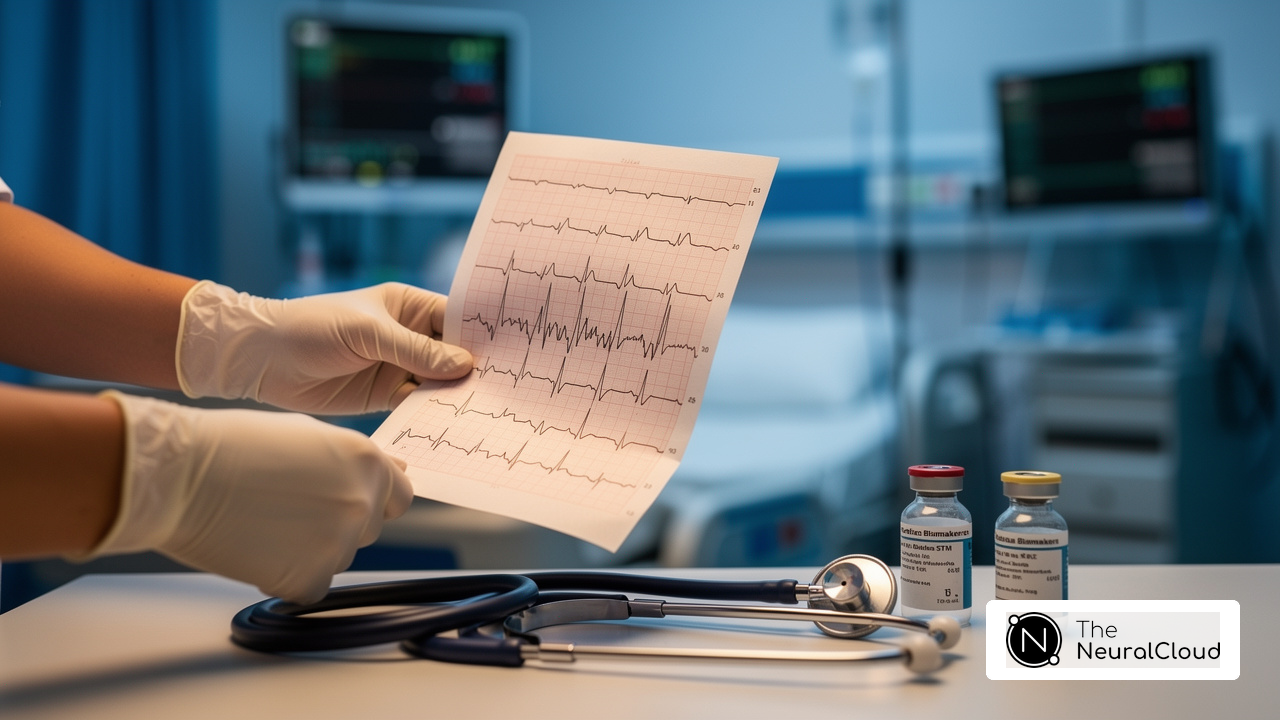
Key ECG features of inferior myocardial infarction (IMI) are essential for accurate diagnosis and timely intervention. The hallmark of IMI is ST-segment elevation, indicating that the lower wall of the heart is compromised. This elevation is often accompanied by T-wave inversion, reflecting the electrical changes occurring in the heart due to the infarction. Such reciprocal changes are significant, as they can help confirm the diagnosis of a lower wall myocardial infarction.
Over time, Q waves may develop in the lower electrodes, suggesting a more established infarction and indicating that necrosis has occurred. Additionally, hyperacute T waves can serve as an early sign of ischemia, often appearing before ST-segment changes manifest. Recognizing these features is critical for clinicians, as they provide essential insights into the severity and extent of myocardial damage, guiding treatment decisions.
Recent studies have highlighted the importance of these ECG changes, noting that inferior myocardial infarctions account for 40% to 50% of all myocardial infarctions, with a significant impact on patient outcomes. Understanding the prevalence of inferior infarcts further emphasizes the need for careful ECG interpretation in clinical practice.
Key Technologies:
- Maps ECG signals through noise
- Highlights critical features of ECG data
By integrating MaxYield™, healthcare professionals can enhance diagnostic accuracy. This platform transforms the way clinicians interpret ECG data, ultimately improving patient outcomes. The ability to visualize complex information through diagrams or infographics enhances understanding, making the analysis more accessible to both technical and non-technical readers.

Address Challenges in ECG Interpretation of Inferior Infarcts
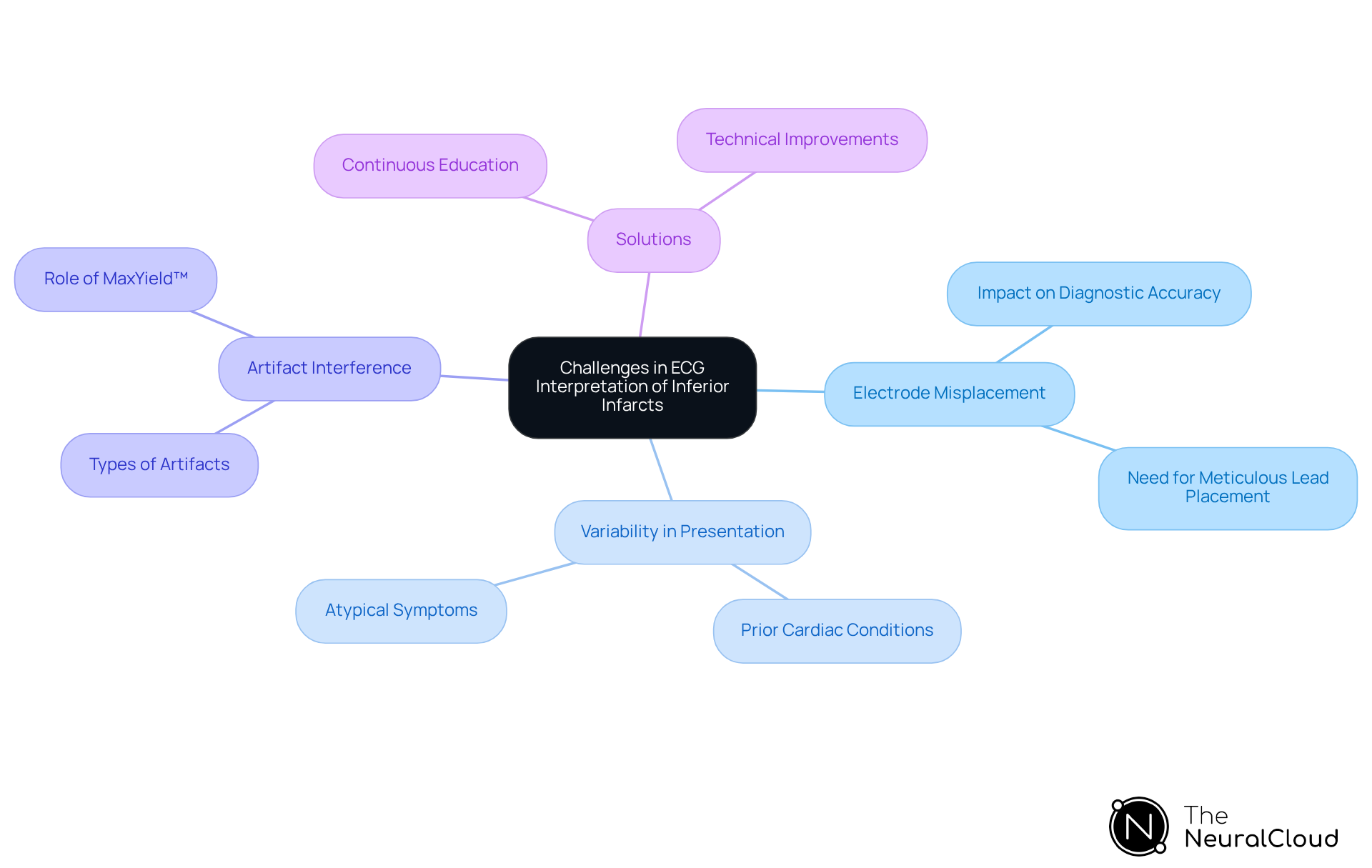
Interpreting ECGs for a myocardial infarction presents several challenges that can significantly impact diagnostic accuracy. One major concern is lead misplacement, which can lead to erroneous interpretations of the ECG. Studies indicate that over 50% of ECGs may experience errors, obscuring true cardiac signals and resulting in misdiagnoses. For instance, a review of 9,424 adult ECGs found that 10.8% were potentially misinterpreted, revealing a misdiagnosis due to incorrect lead positioning. This highlights the need for meticulous attention during ECG placement.
Additionally, patient variability can complicate the interpretation of a myocardial infarction. Patients with prior cardiac conditions or those exhibiting atypical symptoms may not display the expected ECG patterns, making it challenging for clinicians to accurately identify ischemic changes. This variability necessitates a nuanced understanding of each individual's unique clinical context.
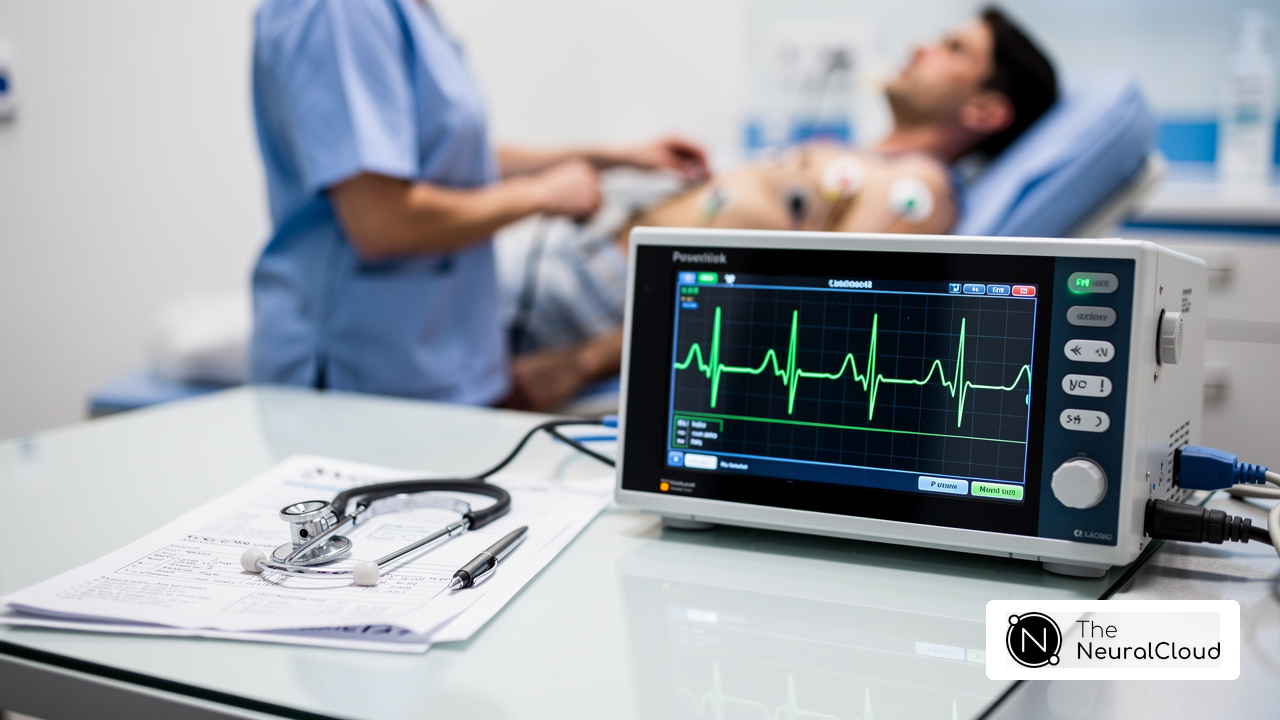
Environmental factors, such as muscle tremors or electrical noise, can also mimic or obscure a myocardial infarction. This is where Neural Cloud Solutions' technology comes into play. MaxYield™ identifies and labels critical data, even in recordings with high levels of noise and artifact. It rapidly isolates ECG waves from recordings affected by baseline wander, movement, and muscle artifact. By leveraging advanced noise filtering and distinct wave recognition, clinicians can more effectively distinguish artifacts from true cardiac events, thereby reducing the risk of misdiagnosis.
Continuous education and hands-on experience in ECG interpretation are essential for healthcare professionals to navigate these challenges effectively. Notably, interventions aimed at improving lead placement have shown a reduction in misplacement errors from 4.8% to 1.2%, underscoring the importance of ongoing training and technical improvements. By addressing these factors and utilizing MaxYield™, clinicians can enhance the accuracy of their ECG analyses and improve outcomes for individuals.
Leverage Advanced Technologies for Enhanced ECG Analysis
faces significant challenges, particularly in accurately interpreting complex data. Advanced technologies, especially artificial intelligence, are addressing these issues by improving accuracy. Neural Cloud Solutions' platform stands out in this evolution, automating ECG interpretation and efficiently processing large volumes of data.
MaxYield™ offers several key features that enhance ECG analysis:
- It effectively maps ECG signals through noise, isolating and labeling critical features associated with the heart's electrical activity.
- This platform can deliver real-time results, providing insights from 200,000 heartbeats in under five minutes. Such efficiency significantly boosts diagnostic yield, allowing healthcare providers to make quicker, more informed decisions.
The advantages of using MaxYield™ are substantial:
- For example, the AI model has successfully reduced false positives from nearly 42% to about 8%.
- Additionally, its integration with electronic health records enables seamless data sharing and analysis. This empowers healthcare professionals to act swiftly, improving diagnostic capabilities and reducing treatment delays.
By embracing innovations like machine learning and offsets in a CSV format, clinicians can streamline workflows. This not only enhances efficiency but also supports healthcare providers in delivering timely and effective care.

Conclusion
Understanding inferior myocardial infarction (IMI) and its ECG indicators is crucial for timely diagnosis and intervention. This article explores the challenges of interpreting ECGs for possible inferior infarcts, emphasizing the importance of recognizing specific patterns such as ST-segment elevation in leads II, III, and aVF. The MaxYield™ platform enhances ECG interpretation through advanced analysis techniques, improving accuracy and efficiency, which ultimately leads to better patient outcomes.
Key insights include:
- The critical role of accurate lead placement
- The impact of artifact interference
- The necessity for continuous education in ECG interpretation
The article highlights the prevalence of inferior wall MIs and the associated challenges, such as electrode misplacement and variability in patient presentation, which can complicate diagnosis. By leveraging advanced technologies like AI and machine learning, healthcare professionals can streamline ECG analysis, reduce diagnostic errors, and facilitate quicker clinical decisions.
In conclusion, advancements in ECG analysis not only enhance diagnostic capabilities but also underscore the importance of precision in interpreting inferior myocardial infarction. Embracing technologies like MaxYield™ can significantly improve patient care, making it imperative for healthcare providers to adopt these tools for optimal outcomes. Continuous education and adaptation to new methodologies will empower clinicians to navigate the complexities of ECG interpretation effectively, ensuring timely and accurate diagnoses in the face of potential myocardial infarctions.
Frequently Asked Questions
What is inferior myocardial infarction (IMI)?
Inferior myocardial infarction occurs when blood flow to the lower wall of the heart is compromised, usually due to the occlusion of the right coronary artery (RCA).
What are the key ECG indicators of inferior myocardial infarction?
The primary ECG indicators of inferior myocardial infarction include ST-segment elevation in leads II, III, and aVF, suggesting ischemia in the lower wall of the heart. Reciprocal ST-segment depression may also be observed in leads I and aVL.
How prevalent is right ventricular involvement in inferior wall MIs?
Recent studies indicate that approximately 40% of inferior wall myocardial infarctions also involve the right ventricle, which complicates the clinical picture and increases mortality rates.
Why is it important to recognize ECG changes associated with inferior myocardial infarction?
Recognizing these ECG changes is crucial for prompt intervention, as individuals with ST-segment elevation may indicate a possible inferior infarct and should receive urgent coronary angiography, ideally within a door-to-balloon time of under 90 minutes.
What is the MaxYield™ platform and how does it assist in ECG analysis?
Neural Cloud Solutions' MaxYield™ platform addresses challenges in ECG analysis by utilizing advanced noise filtering and wave recognition techniques, allowing for rapid isolation and labeling of critical ECG data even in recordings with high noise levels.
What are the key features of the MaxYield™ platform?
Key features of MaxYield™ include advanced noise filtering for enhanced signal clarity, wave recognition techniques for accurate data labeling, and rapid analysis capabilities to support timely clinical decisions.
How does the MaxYield™ platform benefit healthcare professionals?
By integrating MaxYield™ into their workflows, healthcare professionals can enhance the efficiency of ECG analysis, leading to improved patient care and better clinical decision-making based on clear and precise ECG data.
List of Sources
- Define Inferior Myocardial Infarction and Its ECG Indicators
- Inferior Myocardial Infarction - StatPearls - NCBI Bookshelf (https://ncbi.nlm.nih.gov/books/NBK470572)
- Top 5 MI ECG Patterns You Must Know (https://healio.com/cardiology/learn-the-heart/ecg-review/ecg-interpretation-tutorial/stemi-mi-ecg-pattern)
- healio.com (https://healio.com/cardiology/learn-the-heart/ecg-review/ecg-topic-reviews-and-criteria/inferior-wall-st-elevation-mi-review)
- Identify Key ECG Features of Inferior Infarcts
- Inferior Myocardial Infarction - StatPearls - NCBI Bookshelf (https://ncbi.nlm.nih.gov/books/NBK470572)
- ahajournals.org (https://ahajournals.org/doi/10.1161/circulationaha.116.027118)
- STEMI ECG Criteria: ST-Elevation Thresholds (https://powerfulmedical.com/blog/stemi-ecg-criteria)
- pmc.ncbi.nlm.nih.gov (https://pmc.ncbi.nlm.nih.gov/articles/PMC3028157)
- Address Challenges in ECG Interpretation of Inferior Infarcts
- researchgate.net (https://researchgate.net/publication/5826582_Pulling_It_All_Together_Case_Studies_on_ECG_Monitoring)
- manualofmedicine.com (https://manualofmedicine.com/ecgs/ecg-interpretations/ecg-case-53-acute-inferior-and-posterior-mi)
- jems.com (https://jems.com/ems-operations/ems-equipment-gear/misleading-clinical-implicatio)
- Precordial ECG Lead Mispositioning: Its Incidence and Estimated Cost to Healthcare - PMC (https://pmc.ncbi.nlm.nih.gov/articles/PMC7343296)
- sciencedirect.com (https://sciencedirect.com/science/article/abs/pii/S0022073610002037)
- Leverage Advanced Technologies for Enhanced ECG Analysis
- AccurKardia wins FDA clearance for next-generation ECG analysis system | Medical Economics (https://medicaleconomics.com/view/accurkardia-wins-fda-clearance-for-next-generation-ecg-analysis-system)
- New study finds AI model improves heart attack detection (https://health.ucdavis.edu/news/headlines/new-study-finds-ai-model-improves-heart-attack-detection/2025/11)
- sciencedirect.com (https://sciencedirect.com/science/article/pii/S1936879825026007)
- One moment, please... (https://hospitalnews.com/research-study-makes-heart-screening-faster-more-accessible-using-ai)
- icthealth.org (https://icthealth.org/news/ai-ecg-boosts-heart-attack-detection-and-cuts-false-alarms)