Introduction
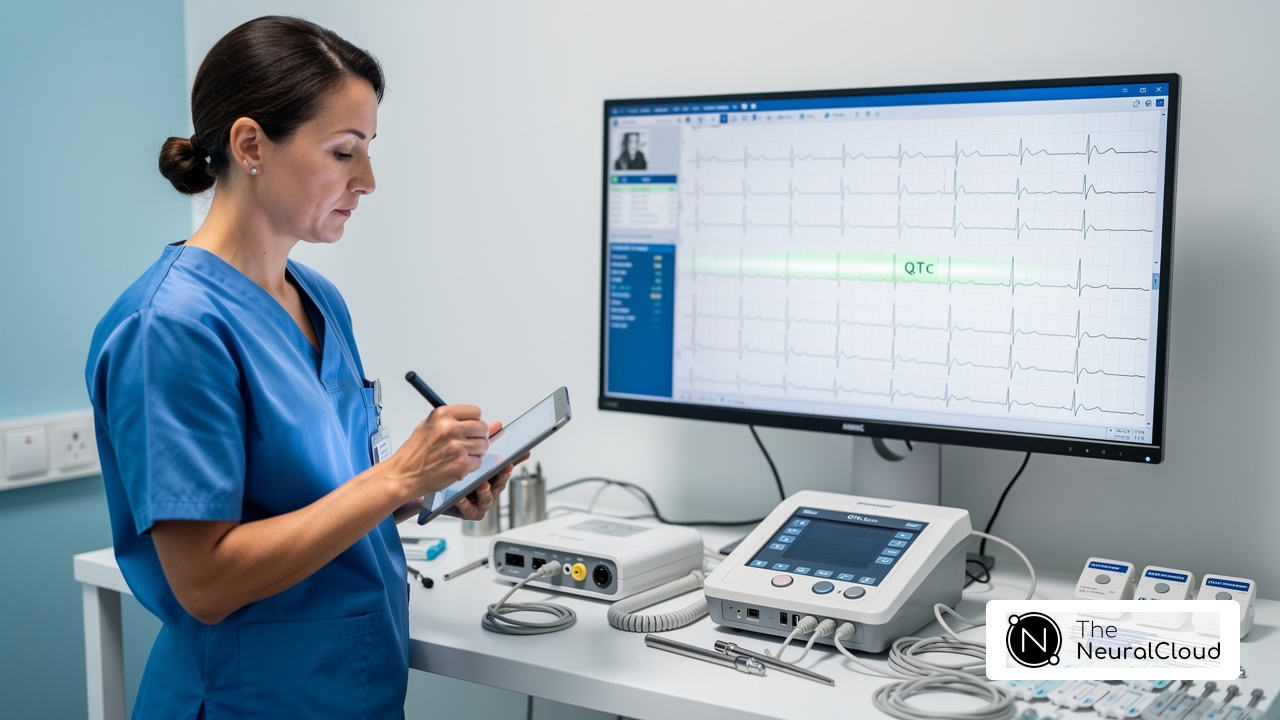
Right ventricular infarction (RVI) presents unique challenges, especially during inferior wall myocardial infarctions, complicating patient management and heightening the risk of severe complications. We’ll explore key techniques for accurately diagnosing RVI through ECG and the importance of timely identification and intervention.
How can healthcare professionals use advanced diagnostic tools, including right-sided leads and technologies like MaxYield™, to improve patient outcomes in RVI cases?
Define Right Ventricular Infarction and Its Clinical Importance
Right ventricular infarction in ECG presents significant challenges in patient management due to its impact on blood circulation and associated complications. RVI occurs when blood flow to the ventricle is reduced or halted, typically due to a blockage in the coronary artery. Clinically, right ventricular infarction in ECG complicates approximately 30% to 50% of inferior wall myocardial infarctions (MI), significantly affecting patient outcomes. Patients with RVI face a heightened risk of severe complications, such as:
- Hypotension
- Bradycardia
- Cardiogenic shock
For instance, studies indicate that RVI is associated with a mortality rate of 7%, with females experiencing a proportional mortality rate of 67%. This underscores the need for gender-specific considerations in treatment. Recognizing right ventricular infarction in ECG is essential, as failing to diagnose and manage it quickly can increase patient risks. Understanding the clinical implications of right ventricular infarction in ECG enables healthcare providers to prioritize interventions that stabilize patients and improve overall outcomes. Recent studies have shown that echocardiography can identify ventricular dysfunction sooner than traditional tests, highlighting the significance of a collaborative team approach in managing RVI effectively. Furthermore, timely revascularization and hemodynamic stability are favorable prognostic indicators, emphasizing the critical role of swift and coordinated care in enhancing patient survival rates. In this context, MaxYield™ from Neural Cloud Solutions Inc. revolutionizes ECG analysis by providing automated beat-to-beat interpretation and noise resilience. With this advanced technology, healthcare professionals can quickly obtain immediate and accurately labeled PQRST datasets, directly addressing the clinical challenges posed by right ventricular infarction in ECG. As Claudia Dima, MD, FACC, observes, 'The potential hemodynamic derangements linked to the ventricular infarction render the afflicted patient unusually sensitive to diminished preload and loss of atrioventricular synchrony.' The integration of MaxYield™ into clinical practice can significantly enhance the management of right ventricular infarction in ECG, ultimately improving patient survival rates.

Identify ECG Diagnostic Criteria for Right Ventricular Infarction
Timely identification of right ventricular infarction in ECG is crucial for effective patient management, yet it remains a challenge in ECG analysis. Key indicators for diagnosing RVI include:
- ST-segment elevation in leads V4R, V3R, and V1: These leads are pivotal for evaluating right ventricular function. Notably, an ST elevation of ≥1.0 mm in V4R is particularly diagnostic of right ventricular infarction in ECG, with a sensitivity of 88% and specificity of 78% for detecting RVI.
- Reciprocal ST-segment depression: This phenomenon may be observed in the inferior recordings (II, III, aVF) when right ventricular infarction in ECG is present, indicating the extent of myocardial involvement.
- Loss of R wave: In positions V3R and V4R, the absence of the R wave may indicate significant right ventricular infarction in ECG, which is crucial for assessing the severity of the injury.
- Clinical correlation: Symptoms such as hypotension and elevated jugular venous pressure should prompt further evaluation for right ventricular infarction in ECG, particularly in patients presenting with inferior myocardial infarctions (MIs). The presence of these clinical signs, combined with ECG findings, allows for rapid diagnosis and intervention.
Without accurate ECG interpretation, the timely diagnosis of right ventricular infarction in ECG can be compromised, leading to potential delays in treatment. For example, a patient with inferior STEMI may show ST elevation in channel III greater than channel II, alongside isoelectric ST segments in V1 and marked ST depression in V2, confirming the diagnosis of RVI. It's essential to use right-sided ECG electrodes to fully understand the extent and distribution of the infarction, as right ventricular infarction in ECG complicates up to 40% of inferior STEMIs.
Recent research underscores the significance of ST-segment elevation in diagnosing right ventricular infarction in ECG, with studies showing that clinical examination can achieve high sensitivity and specificity in detecting severe right ventricular infarction in ECG. Recognizing the ECG criteria, particularly for right ventricular infarction in ECG, not only enhances diagnostic accuracy but also significantly impacts patient care and outcomes in cases of inferior myocardial infarctions.

Utilize Right-Sided Leads for Enhanced ECG Analysis
Diagnosing right ventricular infarction in ECG presents unique challenges that require precise techniques and tools. To effectively diagnose right ventricular infarction in ECG, the use of lateral precordial electrodes (V3R to V6R) is essential. Here’s how to implement this technique:
- Lead Positioning: Place V3R, V4R, V5R, and V6R on the correct side of the chest, mirroring the standard left-sided placements. This configuration allows for direct visualization of the right ventricle, which is essential for the accurate assessment of right ventricular infarction in ECG.
- ECG Analysis: Watch for ST-segment elevation in these positions, especially in V4R, which acts as a strong sign of RVI. Additionally, assess for reciprocal alterations in the left-sided electrodes, as these can provide further diagnostic insight into right ventricular infarction in ECG.
- Clinical Context: Always correlate ECG findings with clinical symptoms. In individuals undergoing inferior myocardial infarctions (MIs), the presence of ST elevation in right-sided electrodes necessitates prompt assessment for right ventricular infarction in ECG, as this condition complicates up to 40% of inferior STEMIs. Notably, studies indicate that ST-segment elevation in position V4R is a powerful predictor of right ventricular infarction in ECG, with many cases resolving within 10 hours.
- Documentation: Ensure that findings from the right-sided electrodes are meticulously recorded in the patient's records. This practice facilitates informed management and treatment decisions, enhancing patient care outcomes.
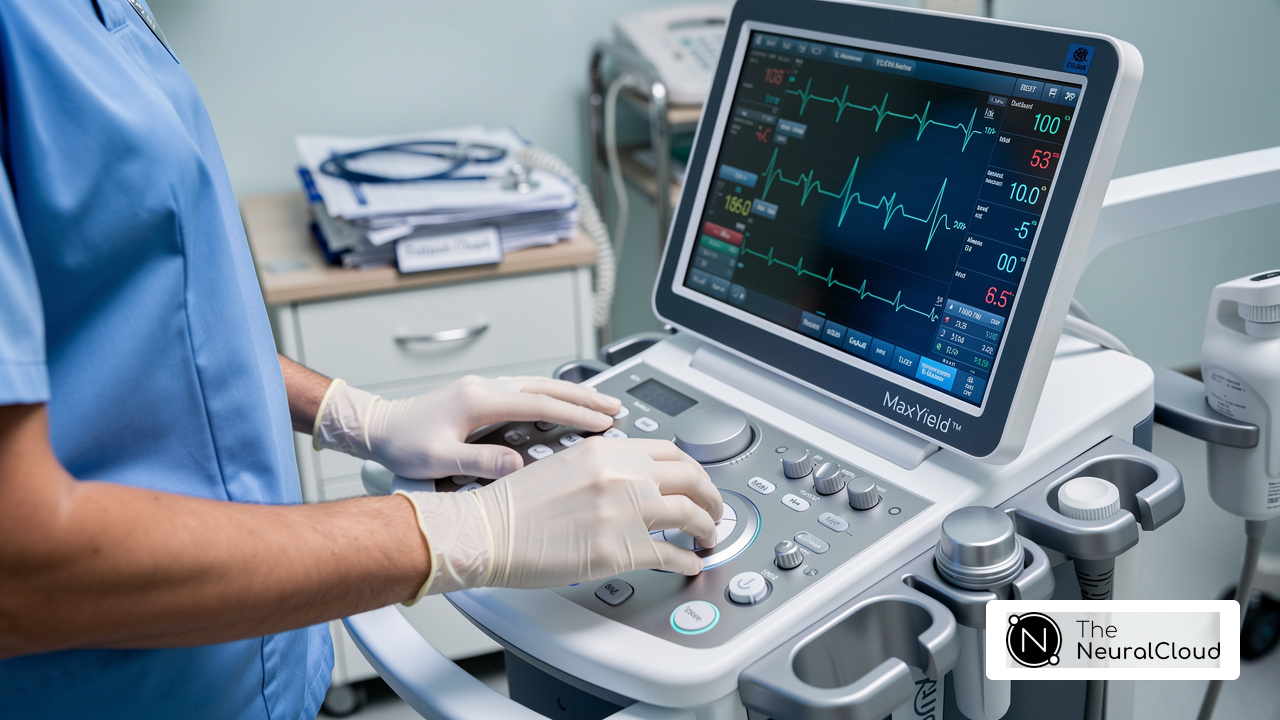
MaxYield™ enhances the accuracy and efficiency of ECG analysis in diagnosing RVI. The platform maps ECG signals through noise, isolating and labeling key features in every heartbeat, which is particularly beneficial when interpreting recordings with high levels of noise and artifact. Its ability to deliver beat-by-beat analysis and identify critical data allows healthcare professionals to make confident clinical decisions. Furthermore, MaxYield™ evolves with each use, continuously improving its accuracy and efficiency, and can salvage previously obscured sections of lengthy Holter, 1-Lead, and patch monitor recordings. Right-sided electrodes are crucial in diagnosing right ventricular infarction in ECG, significantly improving accuracy. Additionally, it is essential to consider that 43% of patients with inferior MIs may present with RVI, with 72% having mild RVI and 28% having severe RVI. Incorporating these techniques effectively can result in timely interventions and improved management of patients with right ventricular infarction in ECG.

Analyze Practical ECG Examples of Right Ventricular Infarction
Understanding right ventricular infarction in ECG is crucial for accurate interpretation and timely patient management. Let’s analyze some practical ECG examples to solidify this understanding:
- Example 1: A 65-year-old male presents with chest pain and hypotension. You’ll notice ST elevation in channels II, III, aVF, and V4R on the ECG. This pattern suggests an inferior myocardial infarction (MI) with right ventricular infarction in ECG involvement. The right-sided electrodes confirm the diagnosis, showing significant ST elevation in V4R, which is essential for precise evaluation.
- Example 2: A 72-year-old female with a history of coronary artery disease presents with syncope. The ECG reveals ST elevation in V1 and V4R, along with reciprocal ST depression in V2. This finding indicates right ventricular infarction in ECG, emphasizing the need for urgent intervention to stabilize the patient’s hemodynamics.
- Example 3: A patient with an inferior wall MI shows ST elevation in position III greater than in position II, prompting a right-sided ECG. The findings in V4R confirm right ventricular infarction in ECG, highlighting the necessity of using right-sided leads in instances of suspected right ventricular involvement.
Reviewing these examples helps clinicians understand the manifestations of right ventricular infarction in ECG, ultimately enhancing their diagnostic accuracy. Notably, studies indicate that total ST elevation of ≥3 mm has a sensitivity of 92% for detecting severe RVI, underscoring the significance of these patterns in clinical practice. Recognizing these ECG patterns can significantly impact treatment decisions and improve patient outcomes in cases of right ventricular infarction in ECG.

Conclusion
Right ventricular infarction (RVI) poses significant challenges in ECG interpretation, impacting patient management and outcomes. Grasping the nuances of diagnosing RVI is vital for healthcare professionals. Timely identification can change treatment pathways and boost survival rates. We’ve explored why recognizing RVI in inferior myocardial infarctions is so crucial, emphasizing the need for meticulous ECG analysis and the integration of advanced technologies like MaxYield™ to enhance diagnostic accuracy.
Key insights discussed include the critical ECG diagnostic criteria for RVI, such as:
- ST-segment elevation in specific leads
- The use of right-sided electrodes for better visualization of the right ventricle
The heightened risks associated with RVI, including hypotension and cardiogenic shock, necessitate swift clinical interventions. Without prompt intervention, the risks associated with RVI can escalate rapidly. The potential of recent advancements, particularly in automated ECG analysis, enables healthcare providers to make informed and timely decisions. This shift towards advanced technologies can lead to more effective patient management and better survival rates.
Recognizing the significance of right ventricular infarction in ECG is not just about mastering diagnostic techniques; it’s about fostering a proactive approach to patient care. Clinicians are encouraged to adopt these practices in their daily assessments, leveraging the insights from this article to enhance their diagnostic accuracy and intervention strategies. By embracing these insights, healthcare professionals can transform their approach to managing RVI, ultimately enhancing patient care.
Frequently Asked Questions
What is right ventricular infarction (RVI)?
Right ventricular infarction occurs when blood flow to the right ventricle is reduced or halted, typically due to a blockage in the coronary artery. It presents significant challenges in patient management due to its impact on blood circulation.
How common is right ventricular infarction in patients with inferior wall myocardial infarctions?
Right ventricular infarction complicates approximately 30% to 50% of inferior wall myocardial infarctions (MI), significantly affecting patient outcomes.
What are the major complications associated with right ventricular infarction?
Patients with right ventricular infarction face a heightened risk of severe complications such as hypotension, bradycardia, and cardiogenic shock.
What is the mortality rate associated with right ventricular infarction?
Right ventricular infarction is associated with a mortality rate of 7%, with females experiencing a proportional mortality rate of 67%.
Why is it important to recognize right ventricular infarction in ECG?
Recognizing right ventricular infarction in ECG is essential because failing to diagnose and manage it quickly can increase patient risks and complications.
How can echocardiography aid in the management of right ventricular infarction?
Echocardiography can identify ventricular dysfunction sooner than traditional tests, highlighting the significance of a collaborative team approach in managing right ventricular infarction effectively.
What are favorable prognostic indicators for patients with right ventricular infarction?
Timely revascularization and hemodynamic stability are favorable prognostic indicators, emphasizing the critical role of swift and coordinated care in enhancing patient survival rates.
How does MaxYield™ from Neural Cloud Solutions Inc. contribute to the management of right ventricular infarction?
MaxYield™ provides automated beat-to-beat interpretation and noise resilience in ECG analysis, enabling healthcare professionals to quickly obtain immediate and accurately labeled PQRST datasets, addressing the clinical challenges posed by right ventricular infarction.
What does Claudia Dima, MD, FACC, say about the effects of ventricular infarction?
Claudia Dima notes that the potential hemodynamic derangements linked to ventricular infarction render the afflicted patient unusually sensitive to diminished preload and loss of atrioventricular synchrony.
List of Sources
- Define Right Ventricular Infarction and Its Clinical Importance
- Right Ventricular Myocardial Infarction - StatPearls - NCBI Bookshelf (https://ncbi.nlm.nih.gov/books/NBK431048)
- ijcdw.org (https://ijcdw.org/right-ventricular-infarction-in-inferior-wall-myocardial-infarction)
- emedicine.medscape.com (https://emedicine.medscape.com/article/157961-overview)
- A study of Right ventricular involvement in acute inferior wall myocardial infarction in tertiary care center of India. (https://healthcare-bulletin.co.uk/article/a-study-of-right-ventricular-involvement-in-acute-inferior-wall-myocardial-infarction-in-tertiary-care-center-of-india--3736)
- Identify ECG Diagnostic Criteria for Right Ventricular Infarction
- Right Ventricular Infarction (https://litfl.com/right-ventricular-infarction-ecg-library)
- hospitalhandbook.ucsf.edu (https://hospitalhandbook.ucsf.edu/05-right-ventricular-rv-myocardial-infarction/05-right-ventricular-rv-myocardial-infarction)
- Right Ventricular Myocardial Infarction - StatPearls - NCBI Bookshelf (https://ncbi.nlm.nih.gov/books/NBK431048)
- ijcdw.org (https://ijcdw.org/right-ventricular-infarction-in-inferior-wall-myocardial-infarction)
- gemr.org (https://gemr.org/blog/15/when-should-a-right-side-12-lead-ecg-be-performed)
- Utilize Right-Sided Leads for Enhanced ECG Analysis
- gemr.org (https://gemr.org/blog/15/when-should-a-right-side-12-lead-ecg-be-performed)
- Right Ventricular Infarction (https://litfl.com/right-ventricular-infarction-ecg-library)
- ijcdw.org (https://ijcdw.org/right-ventricular-infarction-in-inferior-wall-myocardial-infarction)
- emedicine.medscape.com (https://emedicine.medscape.com/article/157961-workup)
- Analyze Practical ECG Examples of Right Ventricular Infarction
- ijcdw.org (https://ijcdw.org/right-ventricular-infarction-in-inferior-wall-myocardial-infarction)
- pmc.ncbi.nlm.nih.gov (https://pmc.ncbi.nlm.nih.gov/articles/PMC8907765)
- Right Ventricular Myocardial Infarction - StatPearls - NCBI Bookshelf (https://ncbi.nlm.nih.gov/books/NBK431048)