Introduction
Understanding T waves is crucial for accurate ECG interpretation. These deflections provide insights into the heart's electrical activity and can indicate various cardiac conditions. As high T wave abnormalities become more common in patients with heart disease, recognizing these patterns is vital for effective clinical decision-making. However, healthcare professionals face challenges in ECG analysis that can hinder their diagnostic capabilities.
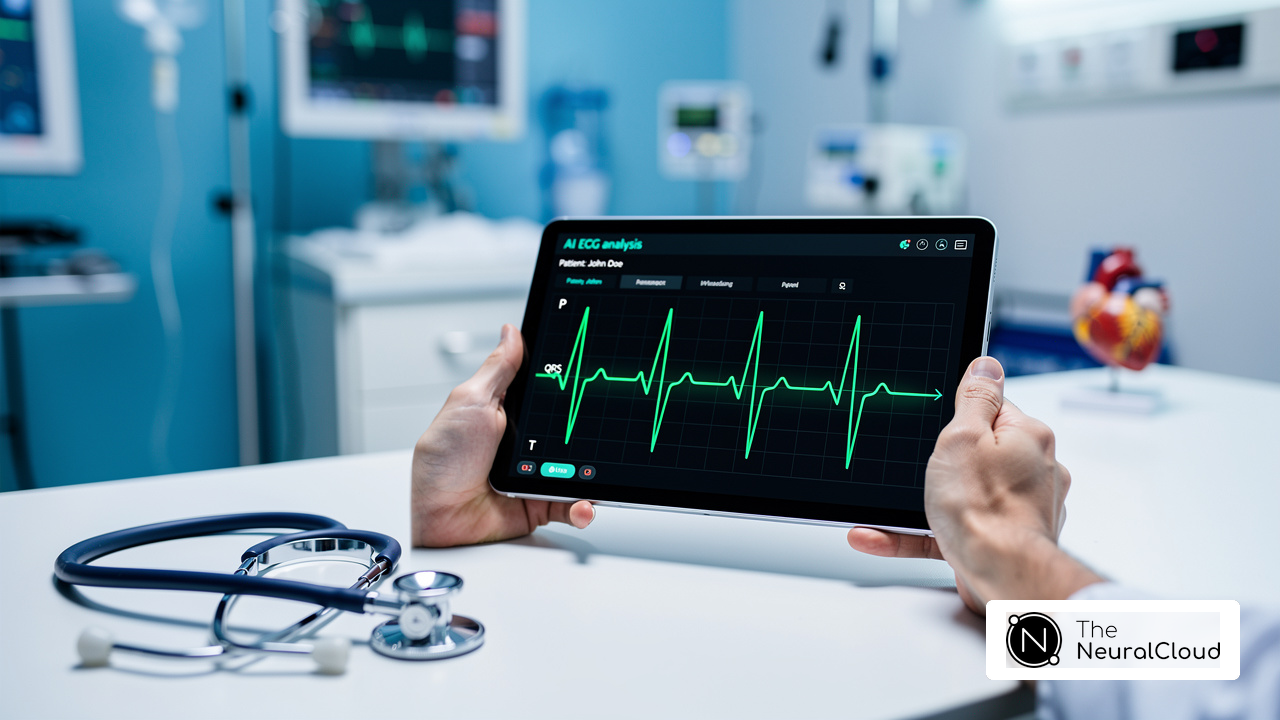
The MaxYield™ platform addresses these challenges by offering advanced features designed to enhance ECG analysis. It streamlines the interpretation process, allowing for quicker and more accurate assessments. By leveraging cutting-edge technology, healthcare professionals can improve their diagnostic capabilities, ultimately leading to better patient outcomes.
The benefits of using the MaxYield™ platform are significant. It not only simplifies the analysis of complex ECG data but also empowers healthcare providers with the tools they need to make informed decisions. This results in more effective treatment plans and improved patient care, making it an essential resource in the clinical setting.
Define T Waves and Their Role in ECG Interpretation
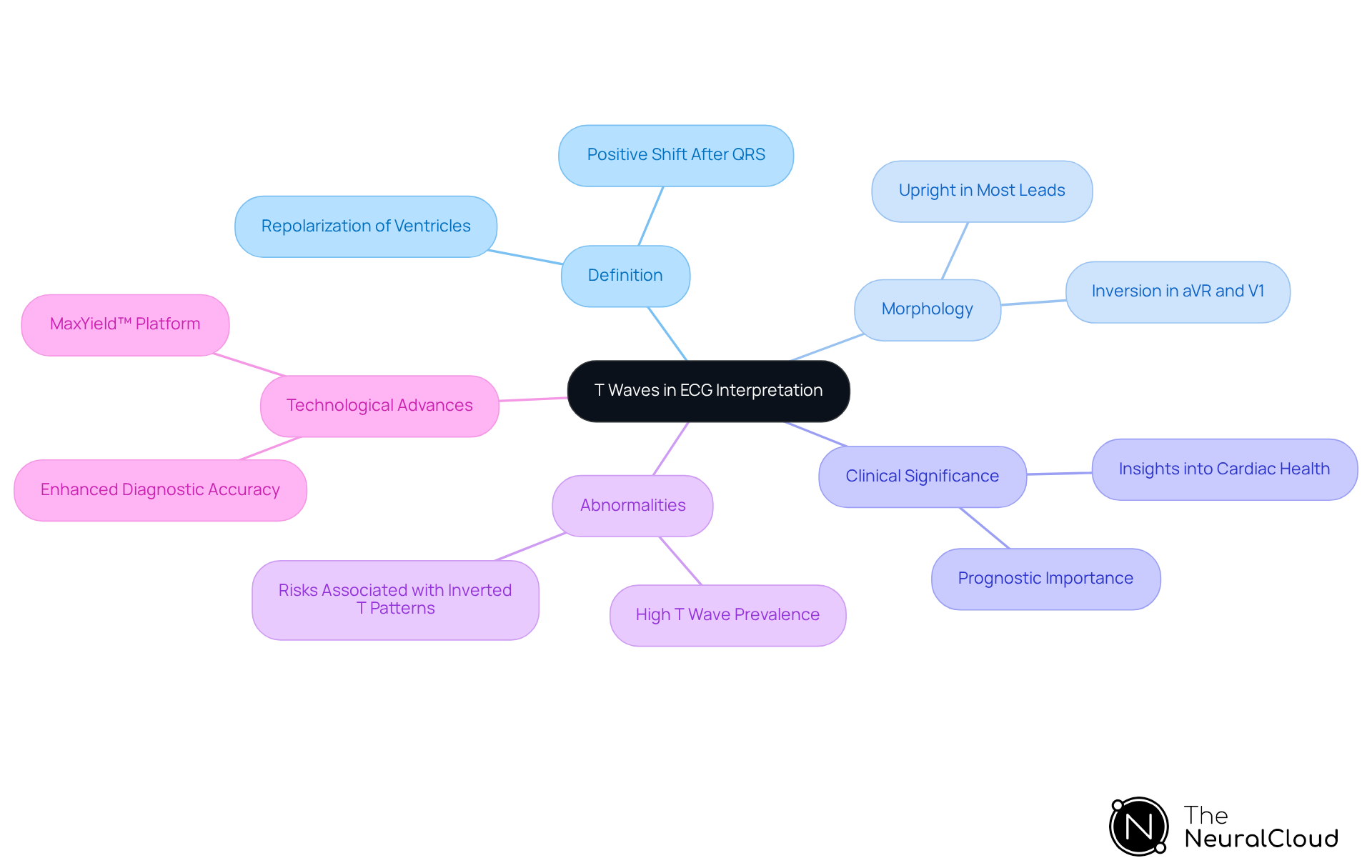
T deflections represent the repolarization of the ventricles in the heart, appearing as a positive shift following the QRS complex on an ECG. Their morphology is essential for assessing the heart's electrical activity and can indicate various conditions. Typically, T deflections are upright in most leads, except in aVR and V1, where they may be inverted. The amplitude and shape of T waves, particularly when a high T wave is present, provide crucial insights into cardiac health; abnormalities can suggest issues such as ischemia, electrolyte imbalances, or structural heart disease.
Studies show that high T wave amplitudes are prevalent in patients with cardiovascular conditions, with a prevalence of 1.3% in the general population and even higher rates among those with existing heart disease. Clinical case studies reveal that high T waves in leads other than V1 are linked to increased risks of negative outcomes, including hospitalization for cardiac-related issues and higher mortality rates. Current research underscores the prognostic importance of T wave morphology, especially in populations with diabetes, where morphology correlates with elevated risks of all-cause mortality and major coronary heart disease.
Recognizing these patterns is vital for clinicians to make informed decisions regarding patient care. Advanced technologies, such as Neural Cloud Solutions' ECG analysis tools, enhance the clarity and analysis of ECG data. MaxYield™ features advanced noise filtering and artifact management, enabling precise identification of T wave abnormalities. This capability facilitates improved diagnostic accuracy and patient outcomes, ultimately benefiting healthcare professionals in their practice.
Explore Normal and Abnormal T Wave Characteristics
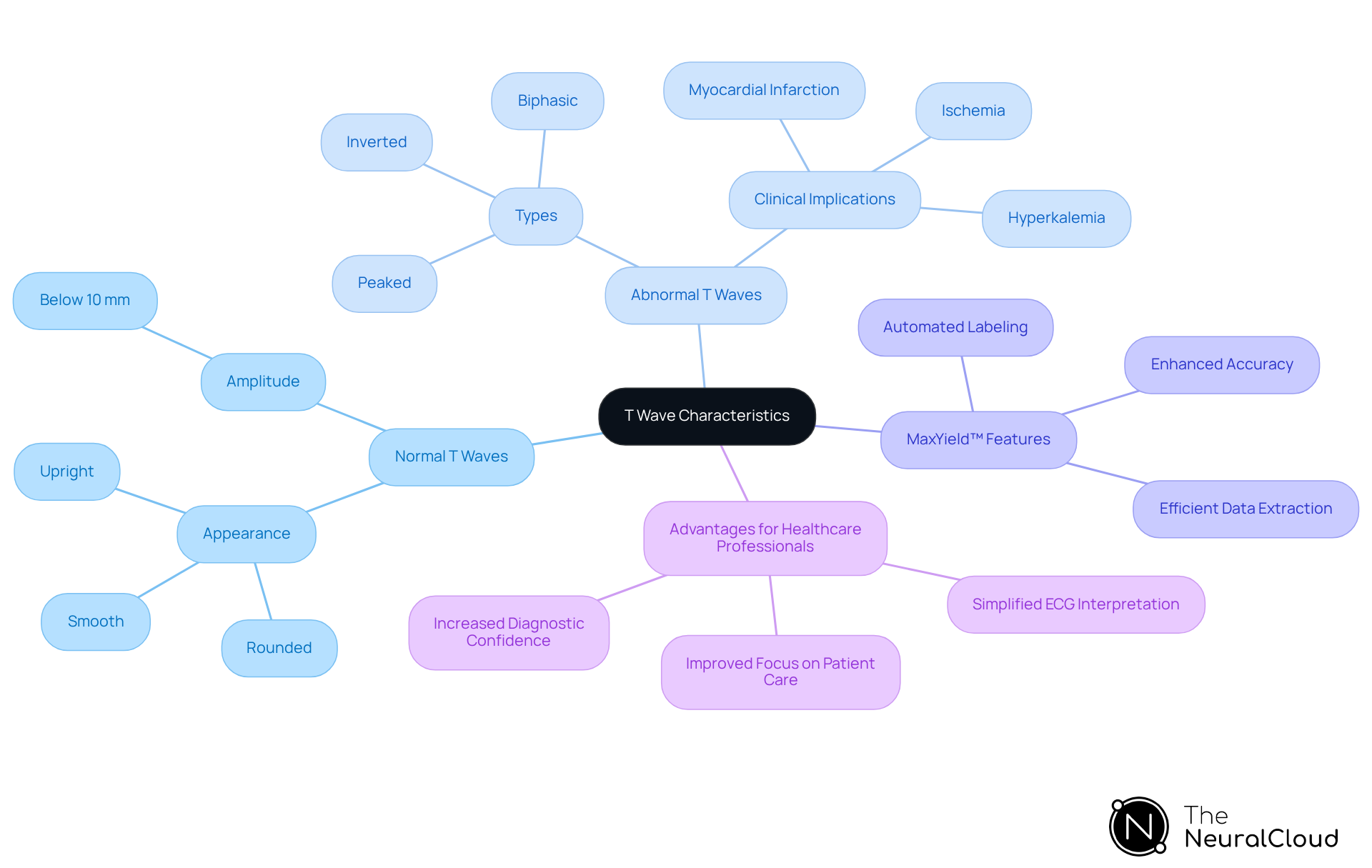
Normal T deflections typically exhibit a smooth, rounded, and upright appearance in leads I, II, and V3-V6, with amplitudes generally below 10 mm in precordial leads. In contrast, abnormal T shapes may present as peaked, inverted, or biphasic forms, each associated with specific clinical implications. For instance, high T waves can indicate hyperkalemia or other electrolyte imbalances, especially when symptoms like chest pain or dyspnea are present. Abnormal T waves often suggest ischemia or other cardiac conditions, warranting further investigation.
Recent studies underscore the prevalence of these abnormalities in clinical populations, highlighting their diagnostic significance. High T waves, characterized by broad and asymmetrically peaked shapes, are frequently observed in the early stages of ST elevation myocardial infarction (STEMI) and can precede more severe ECG changes. Understanding these characteristics is crucial for clinicians, as they provide essential insights into the severity of a patient's cardiac condition and inform appropriate management strategies.
The MaxYield™ platform addresses the challenges in ECG analysis by offering advanced features, including automated labeling and data extraction. These features enhance the accuracy and efficiency of identifying T wave abnormalities, ultimately improving patient outcomes. By utilizing MaxYield™, healthcare professionals can streamline the ECG interpretation process, allowing them to focus on critical decision-making and patient care.
Features of MaxYield™:
- Automated labeling of ECG data
- Efficient data extraction for quick analysis
Advantages for Healthcare Professionals:
- Improved focus on patient care and decision-making
- Increased diagnostic confidence and efficiency
Incorporating these innovative solutions into clinical practice not only aids in the timely identification of cardiac issues but also supports better overall patient management.
Analyze Clinical Significance of High T Waves
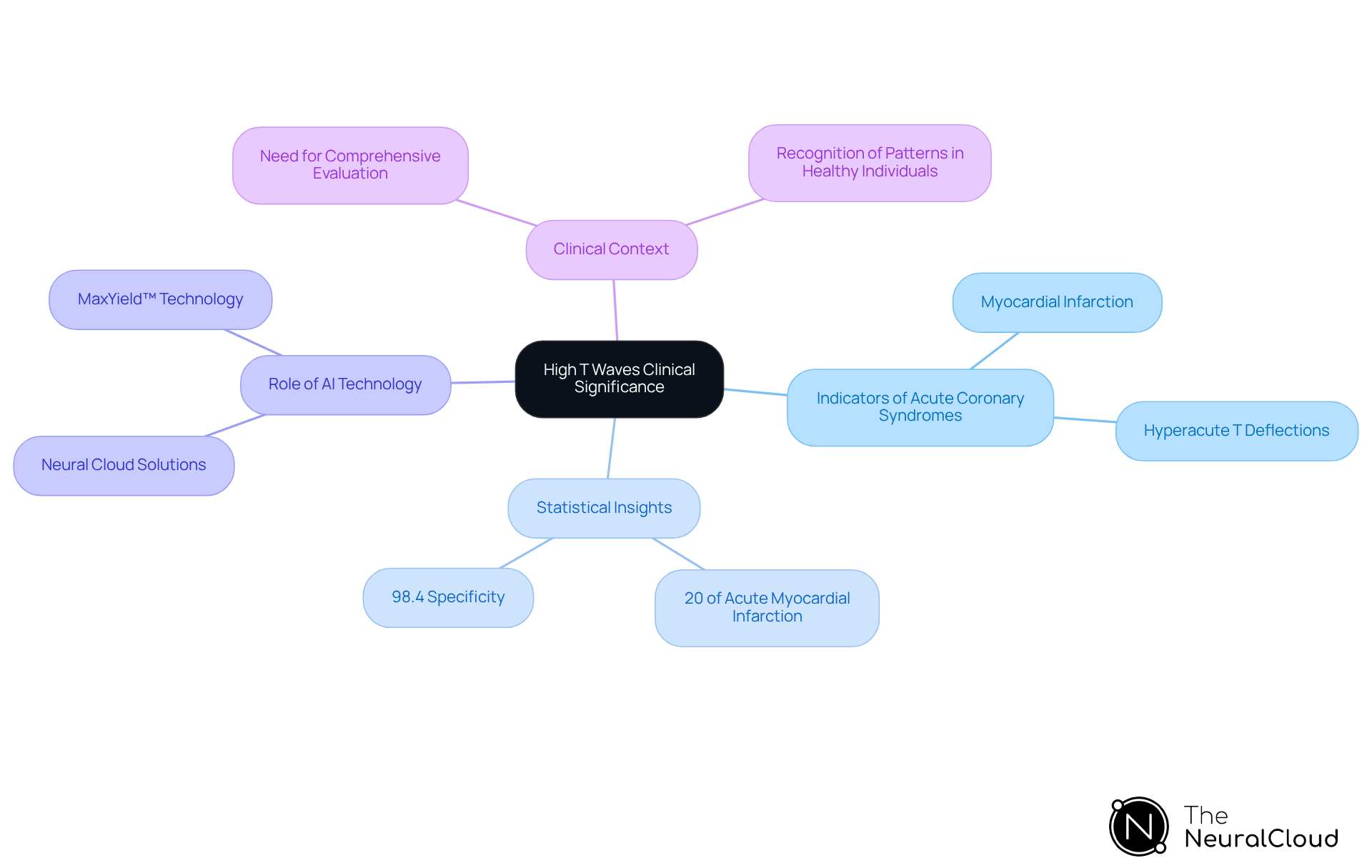
especially those that are broad and peaked, serve as crucial indicators associated with conditions, including myocardial infarction. These changes can appear within minutes of coronary artery occlusion, highlighting their significance for early diagnosis. Recent studies indicate that high T waves are observed in approximately 20% of individuals experiencing acute coronary syndrome, underscoring their role in risk assessment and clinical decision-making. However, it's essential for clinicians to recognize that high T wave patterns may also be present in healthy individuals, especially athletes, which necessitates a comprehensive clinical context for accurate interpretation.
High T waves have emerged as distinct indicators for occlusive myocardial infarction, demonstrating a remarkable 98.4% specificity in identifying acute coronary occlusion in patients without ST-segment elevation criteria. This underscores the necessity for advanced diagnostics and the integration of AI, such as those provided by Neural Cloud Solutions. As Dr. Alan Rabinowitz states, "The Neural Cloud and their AI technology are revolutionizing the way ECG data is recorded and processed," highlighting the effectiveness of their solutions.
The MaxYield™ platform employs advanced algorithms, including superior artifact filtering and automated labeling of P-Waves and QRS-onsets, to enhance the precision of ECG interpretation. By optimizing workflows and delivering clear, actionable insights, Neural Cloud Solutions significantly improves the ability to analyze high T wave signals. This capability can influence treatment decisions and patient management, ultimately leading to better outcomes in cases of acute coronary syndrome.
Integrate Advanced Technology for Enhanced ECG Analysis
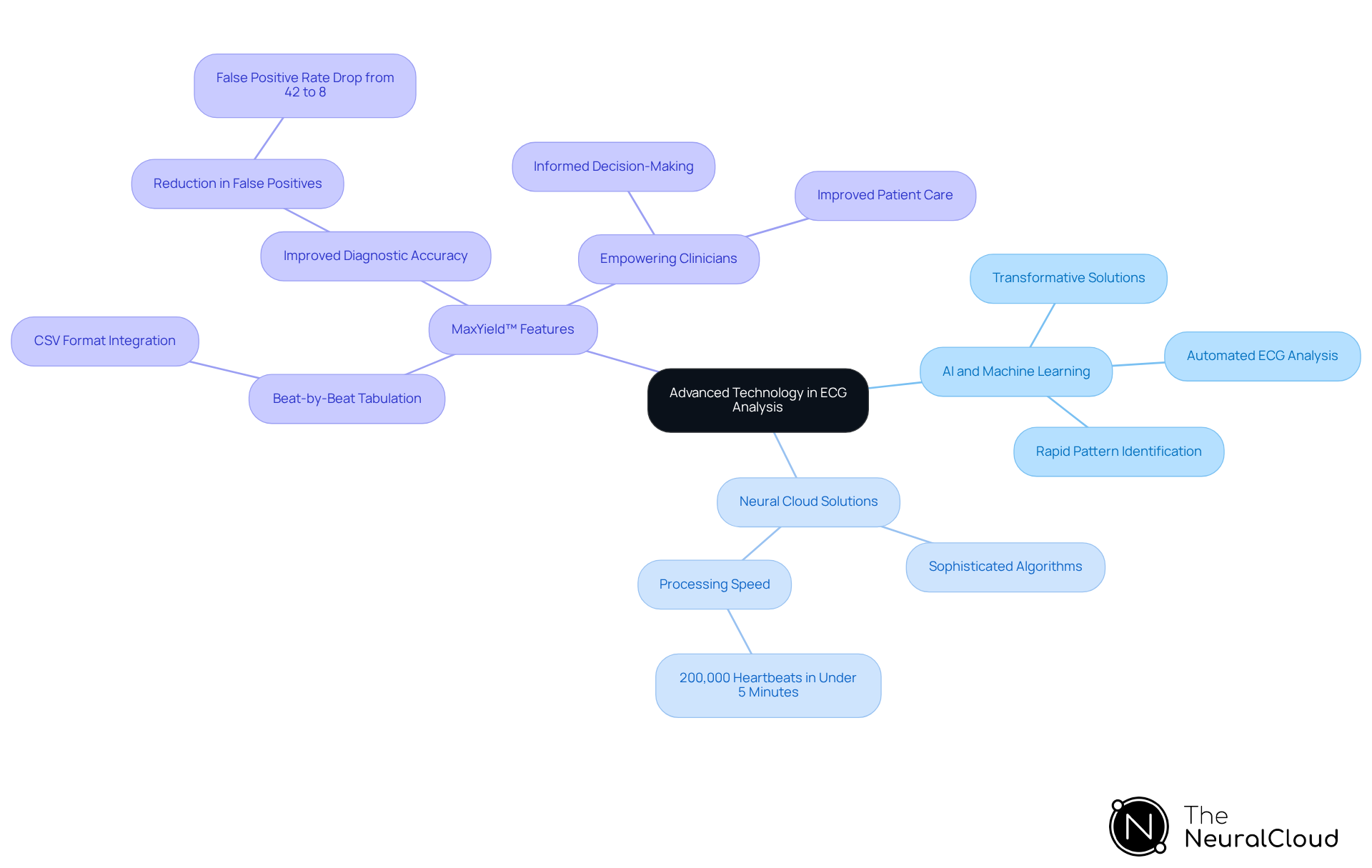
has faced significant challenges, particularly in the detection and classification of abnormalities related to T waves. Advanced technologies, especially AI and machine learning, have emerged as transformative solutions. Platforms like Neural Cloud Solutions' systems employ sophisticated algorithms to automate ECG analysis, drastically improving efficiency. For example, these systems can process over 200,000 heartbeats in under five minutes, allowing for the rapid identification of critical patterns that might be missed by human analysts.
The platform offers several key features that enhance ECG interpretation:
- It provides beat-by-beat tabulation of P, QRS, and T wave onsets and offsets in CSV format, facilitating easy integration into existing workflows.
- This automation not only improves diagnostic accuracy but also significantly reduces workload.
- Studies indicate a drop in false-positive cath-lab activations from 42% to just 8% when utilizing advanced algorithms, showcasing the platform's effectiveness.
The advantages of using MaxYield™ extend beyond just speed and accuracy. By empowering clinicians with reliable data, the platform enables more informed decision-making, ultimately leading to better patient outcomes. The ongoing evolution of these technologies, including a focus on real-time analytics, is expected to further refine ECG analysis, solidifying its role as a vital tool in modern cardiology.
Conclusion
High T waves are crucial indicators in cardiac health, reflecting various heart conditions. Their morphology aids in interpreting electrocardiograms (ECGs) and offers insights into a patient's cardiovascular status. For healthcare professionals, grasping the nuances of T wave characteristics and their clinical implications is essential for making informed decisions that can significantly affect patient outcomes.
Recognizing both normal and abnormal T wave patterns is vital, as high T waves can indicate serious conditions like myocardial infarction and hyperkalemia. The prevalence of T wave abnormalities in clinical populations underscores the need for advanced diagnostic tools. Neural Cloud Solutions' MaxYield™ platform enhances ECG analysis through automation and improved accuracy. This cutting-edge technology streamlines the interpretation process, allowing clinicians to concentrate on critical decision-making and patient care.
As cardiology evolves, adopting advanced technology and AI-driven solutions in ECG analysis is key to enhancing diagnostic precision and improving patient management. By prioritizing the understanding of T wave abnormalities and utilizing innovative tools, healthcare professionals can navigate the complexities of cardiac care more effectively. This ultimately leads to better health outcomes and a deeper understanding of heart health.
Challenges in ECG Analysis
ECG analysis can be complex, often requiring meticulous attention to detail. High T waves, while significant, can be easily overlooked without the right tools. This is where the MaxYield™ platform comes into play, offering features that enhance the accuracy of ECG readings.
Features of MaxYield™
- Automation: Reduces manual errors in ECG interpretation.
- Improved Accuracy: Provides precise readings, minimizing misdiagnosis.
- User-Friendly Interface: Simplifies the analysis process for clinicians.
Advantages for Healthcare Professionals
By integrating MaxYield™ into their practice, healthcare professionals can expect:
- Enhanced diagnostic precision, leading to better patient outcomes.
- More time to focus on patient care rather than data interpretation.
- Increased confidence in diagnosing complex cardiac conditions.
In conclusion, embracing advanced technology like the MaxYield™ platform is essential for improving ECG analysis and ultimately enhancing patient care.
Frequently Asked Questions
What do T waves represent in an ECG?
T waves represent the repolarization of the ventricles in the heart and appear as a positive shift following the QRS complex on an ECG.
What is the typical morphology of T waves in ECG leads?
T waves are typically upright in most leads, except in aVR and V1, where they may be inverted.
Why is T wave morphology important in ECG interpretation?
The morphology of T waves is essential for assessing the heart's electrical activity and can indicate various cardiac conditions. Abnormalities in T waves can suggest issues such as ischemia, electrolyte imbalances, or structural heart disease.
What are high T wave abnormalities (TWA) and their prevalence?
High T wave abnormalities (TWA) are prevalent in patients with cardiovascular conditions, with a prevalence of 1.3% in the general population and even higher rates among those with existing heart disease.
What is the significance of inverted T patterns in ECG leads?
Inverted T patterns in leads other than V are linked to increased risks of negative outcomes, including hospitalization for cardiac-related issues and higher mortality rates.
How do T wave abnormalities correlate with diabetes and cardiovascular health?
Research shows that high T wave morphology correlates with elevated risks of all-cause mortality and major coronary heart disease, particularly in populations with diabetes.
How can advanced technologies aid in the analysis of T waves?
Advanced technologies, such as Neural Cloud Solutions' MaxYield™ platform, enhance the clarity and analysis of ECG data by providing advanced noise filtering and artifact management, which facilitates improved diagnostic accuracy and clinical decision-making.
List of Sources
- Define T Waves and Their Role in ECG Interpretation
- The T-wave: physiology, variants and ECG features – (https://ecgwaves.com/the-t-wave-physiology-variants-and-ecg-features)
- ahajournals.org (https://ahajournals.org/doi/10.1161/circulationaha.112.098681)
- tandfonline.com (https://tandfonline.com/doi/full/10.1080/10641963.2023.2185252)
- link.springer.com (https://link.springer.com/article/10.1007/s00125-020-05337-8)
- Explore Normal and Abnormal T Wave Characteristics
- EKG- Disorders of T Waves (https://cancertherapyadvisor.com/home/decision-support-in-medicine/hospital-medicine/ekg-disorders-of-t-waves)
- Home - Rheumatology Advisor (https://rheumatologyadvisor.com/news/st-t-t-wave-changes-most-common-ecg-abnormalities-sle-lupus)
- T wave (https://litfl.com/t-wave-ecg-library)
- bjcardio.co.uk (https://bjcardio.co.uk/2024/11/transient-t-wave-oversensing-as-a-result-of-covid-19-a-case-report)
- Analyze Clinical Significance of High T Waves
- link.springer.com (https://link.springer.com/article/10.1007/s42399-025-02226-2)
- sciencedirect.com (https://sciencedirect.com/science/article/pii/S2772963X25005459)
- academic.oup.com (https://academic.oup.com/eurheartj/article/46/Supplement_1/ehaf784.2109/8308417)
- Hyperacute T-Waves: ECG Signs of Early MI (https://powerfulmedical.com/blog/hyperacute-t-waves)
- pmc.ncbi.nlm.nih.gov (https://pmc.ncbi.nlm.nih.gov/articles/PMC5863057)
- Integrate Advanced Technology for Enhanced ECG Analysis
- cureus.com (https://cureus.com/articles/405923-the-use-of-artificial-intelligence-in-ecg-interpretation-in-the-outpatient-setting-a-scoping-review)
- AI-Based ECG Analysis Significantly Improves STEMI Detection, Reduces False Activations - American College of Cardiology (https://acc.org/latest-in-cardiology/articles/2025/10/24/16/56/tues-554pm-ai-tct-2025)
- Year in Review: Evidence Around AI in Cardiology Grows (https://tctmd.com/news/year-review-evidence-around-ai-cardiology-grows)
- AI-ECG Finds STEMI Faster, Cuts False-Positive Cath Lab Activations (https://tctmd.com/news/ai-ecg-finds-stemi-faster-cuts-false-positive-cath-lab-activations)
- AI-Enabled ECG Analysis Improves Diagnostic Accuracy and Reduces False STEMI Activations: A Multicenter U.S. Registry | PMcardio: AI-Powered ECG Interpretation | Powerful Medical (https://powerfulmedical.com/research/ai-enabled-ecg-analysis-improves-diagnostic-accuracy-and-reduces-false-stemi-activations-a-multicenter-u-s-registry)