Introduction
Understanding the nuances of low normal systolic function is essential for healthcare professionals dealing with the complexities of cardiac health. Patients with left ventricular ejection fraction (LVEF) values between 50% and 55% may not show obvious symptoms, yet they face an increased risk of serious cardiovascular events, including heart failure.
How can clinicians effectively identify and manage these patients to prevent potential complications? This article explores the clinical implications, diagnostic strategies, and proactive measures necessary to improve patient outcomes for those with low normal systolic function.
Define Low Normal Systolic Function
Low normal systolic function is characterized by a left ventricular ejection fraction between 50% and 55%. This range indicates that the heart is operating at the lower end of its typical performance. While an LVEF within this threshold may not immediately suggest severe dysfunction, it is crucial for clinicians to recognize that values below 50% can signal a risk for heart failure, potentially leading to hospitalization or other cardiovascular complications.
The Multi-Ethnic Study of Atherosclerosis (MESA) highlights that low normal systolic function is prevalent in asymptomatic adults. It serves as an independent predictor for future cardiovascular events. This underscores the importance of early detection, particularly in populations at risk for cardiac failure, such as individuals with:
- Hypertension
- A history of heart disease
Clinicians should be proactive in identifying patients with low normal systolic function, as early intervention can significantly influence the course of cardiac health. Understanding these nuances is vital for effective patient management and optimizing treatment strategies. By recognizing the implications of low normal systolic function, healthcare professionals can better address the needs of their patients.

Explore Clinical Implications of Low Ejection Fraction
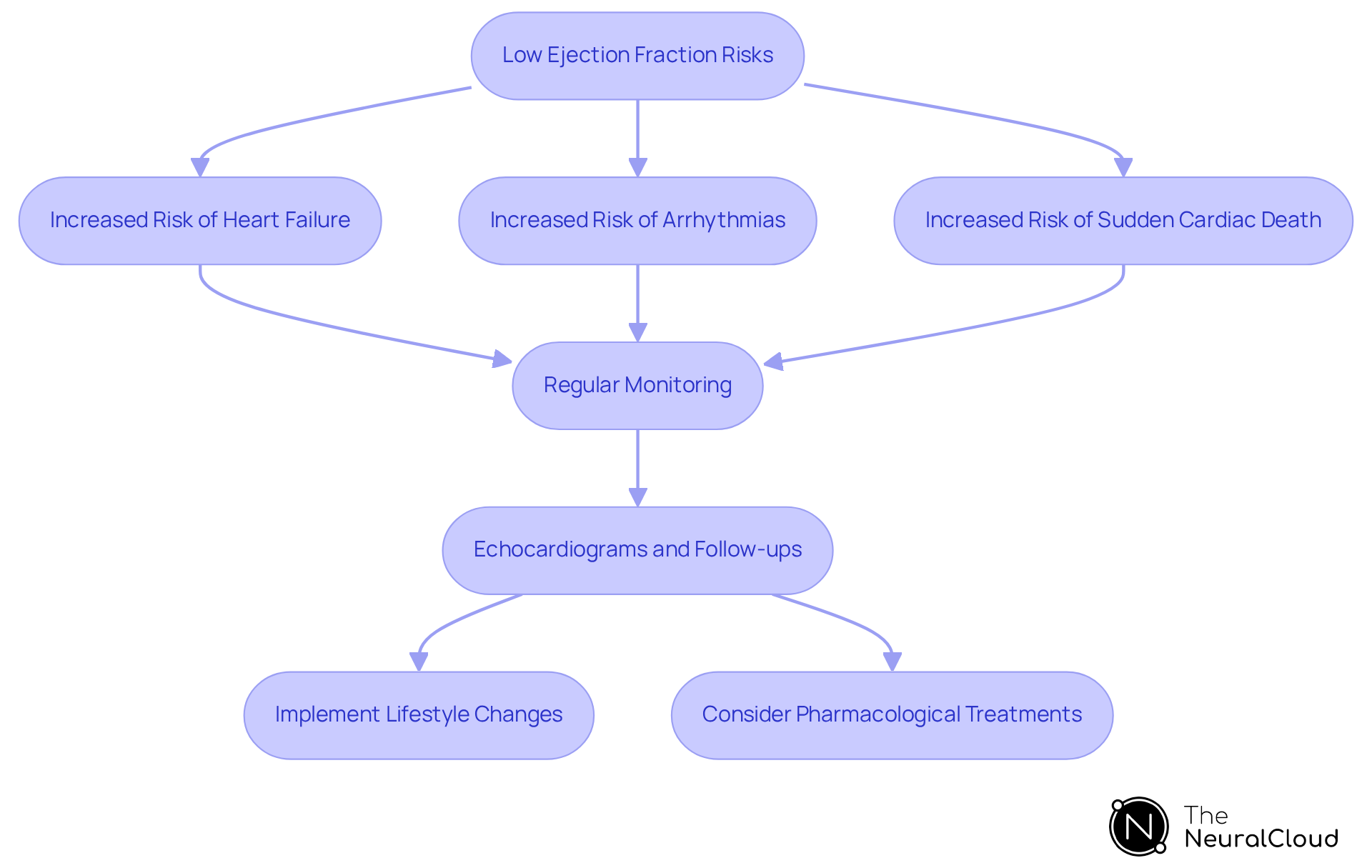
Individuals with reduced ejection fraction, especially those in the low typical range, face heightened risks for complications, such as heart failure, arrhythmias, and sudden cardiac death. Research indicates that even minor reductions in left ventricular ejection fraction can lead to significantly increased hospitalization rates and mortality. For instance, individuals with low ejection fraction are over three times more likely to develop heart failure compared to those with standard LVEF. This highlights the critical need for healthcare providers to closely monitor these patients, implement treatment strategies, and consider interventions aimed at improving outcomes.
Regular follow-ups, including echocardiograms, are vital for evaluating changes in ejection fraction and effectively tailoring treatment plans. Cardiologists emphasize that early detection is crucial; timely interventions can mitigate the risks associated with low ejection fraction and improve patient outcomes. By prioritizing these strategies, healthcare professionals can enhance the quality of care for patients with reduced ejection fraction, ultimately leading to better health results.
Detail Diagnostic Approaches for Low Normal Systolic Function
The diagnostic evaluation typically begins with a comprehensive clinical assessment, including a history taking, for risk factors. Key diagnostic tools include:
- Echocardiography: This primary imaging modality is essential for assessing left ventricular ejection fraction (LVEF). It provides real-time images of the heart's structure and function, enabling accurate measurement of ejection fraction.
- Electrocardiogram: An ECG is essential for detecting arrhythmias or other electrical abnormalities that may occur alongside heart disease. The technology allows healthcare professionals to rapidly isolate critical data even in recordings with high levels of noise and artifacts.
- Cardiac MRI: This advanced imaging technique provides detailed information about cardiac anatomy, particularly useful in complex cases. It has been validated as a reliable reference method for evaluating AI-based LVEF measurements, ensuring accurate assessments in challenging scenarios.
- Biomarkers: Blood tests measuring levels of natriuretic peptides, such as BNP or NT-proBNP, provide further insights into heart failure status and can guide treatment decisions. These biomarkers are instrumental in identifying patients at risk for future congestive heart failure (CHF).
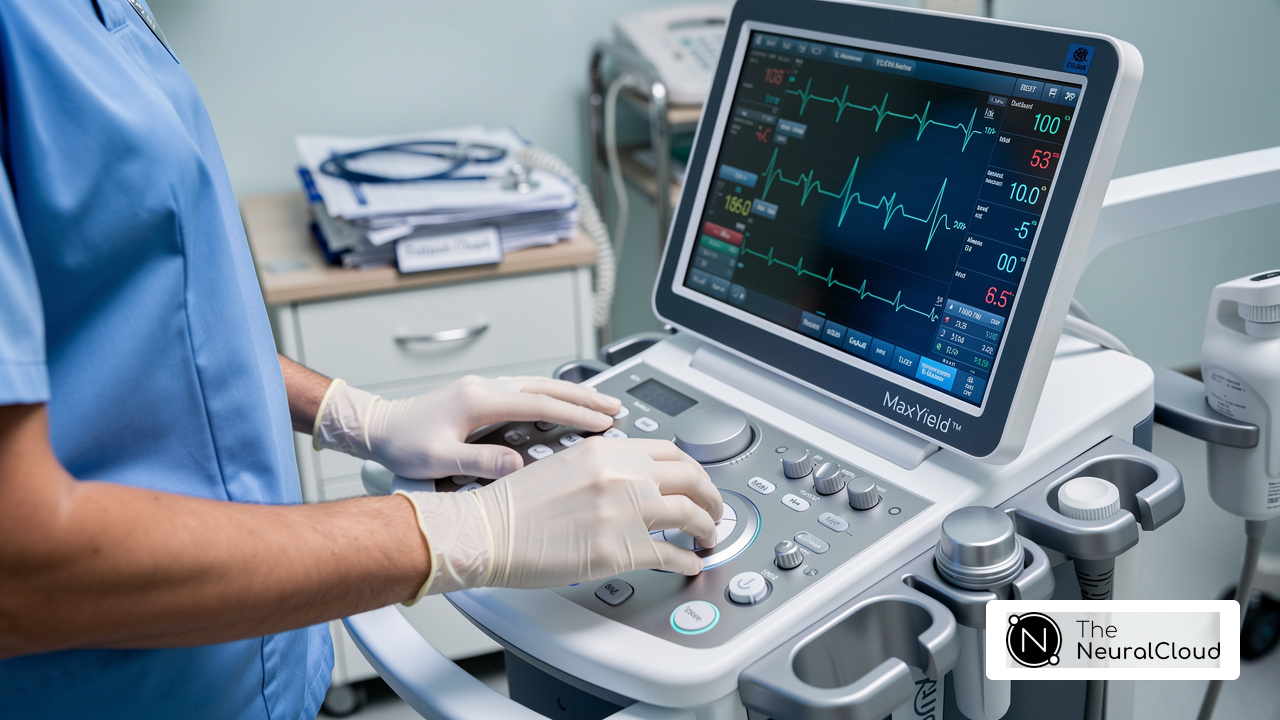
- Holter monitoring: Holter monitoring helps detect transient arrhythmias that may not be evident during a standard ECG. The MaxYield™ platform enhances diagnostics by salvaging previously obscured sections of lengthy recordings, thus improving diagnostic yield.
By utilizing a combination of these diagnostic approaches, clinicians can develop a thorough understanding of a patient's cardiac health. This enables tailored management strategies that specifically address the complexities associated with heart conditions. Additionally, referring to user manuals for the MaxYield™ platform can provide practical guidance on maximizing its capabilities in clinical settings.
Conclusion
Low normal systolic function, defined by a left ventricular ejection fraction (LVEF) between 50% and 55%, is a crucial aspect of cardiovascular health. Although this range may seem stable at first glance, it is vital for healthcare professionals to grasp its implications. Values falling below this threshold can signal a decline in cardiac efficiency, heightening the risk of heart failure and other serious complications.
The article underscores the necessity of vigilant monitoring and proactive management for patients with low normal LVEF. Key insights include:
- The increased risks for cardiovascular events linked to reduced ejection fraction
- The importance of regular diagnostic evaluations
- The role of various imaging and biomarker assessments in developing effective treatment strategies
By addressing these factors, clinicians can significantly enhance patient outcomes and lower the incidence of congestive heart failure.
In summary, understanding and managing low normal systolic function is essential for improving patient care in cardiology. Healthcare providers must stay informed about the latest diagnostic methods and treatment options to effectively tackle the complexities of this condition. By prioritizing early intervention and thorough assessment, the healthcare community can make significant progress in enhancing the quality of life for patients at risk of cardiovascular complications.
Frequently Asked Questions
What defines low normal systolic function?
Low normal systolic function is characterized by a left ventricular ejection fraction (LVEF) between 50% and 55%, indicating that the heart is operating at the lower end of its typical performance.
What does an LVEF below 50% indicate?
An LVEF below 50% can signal a decline in cardiac efficiency, potentially leading to heart failure or other cardiovascular complications.
How prevalent is low typical LVEF in asymptomatic adults?
The Multi-Ethnic Study of Atherosclerosis (MESA) indicates that low typical LVEF is as prevalent as low LVEF in asymptomatic adults.
Why is low normal LVEF significant?
Low normal LVEF serves as an independent predictor for future congestive heart failure (CHF), highlighting the importance of monitoring LVEF, especially in at-risk populations.
Who are considered at risk for cardiac failure related to low normal LVEF?
Individuals with hypertension and a history of myocardial infarction are considered at risk for cardiac failure related to low normal LVEF.
What should clinicians do regarding patients with low typical LVEF?
Clinicians should be proactive in identifying patients with low typical LVEF, as early intervention can significantly influence the course of cardiac health and optimize treatment strategies.
List of Sources
- Define Low Normal Systolic Function
- jacc.org (https://jacc.org/doi/10.1016/j.jchf.2016.03.021)
- How’s Your Ejection Fraction? (https://my.clevelandclinic.org/health/articles/16950-ejection-fraction)
- pmc.ncbi.nlm.nih.gov (https://pmc.ncbi.nlm.nih.gov/articles/PMC5036995)
- Explore Clinical Implications of Low Ejection Fraction
- pmc.ncbi.nlm.nih.gov (https://pmc.ncbi.nlm.nih.gov/articles/PMC5036995)
- pmc.ncbi.nlm.nih.gov (https://pmc.ncbi.nlm.nih.gov/articles/PMC12502451)
- scribd.com (https://scribd.com/document/862713553/Case-Study1)
- ajmc.com (https://ajmc.com/view/heart-failure-with-reduced-ejection-fraction-clinical-and-economic-burden-and-insights-into-current-and-emerging-treatments)
- Detail Diagnostic Approaches for Low Normal Systolic Function
- pmc.ncbi.nlm.nih.gov (https://pmc.ncbi.nlm.nih.gov/articles/PMC5036995)
- pubmed.ncbi.nlm.nih.gov (https://pubmed.ncbi.nlm.nih.gov/31327115)
- acep.org (https://acep.org/emultrasound/newsroom/july-2025/more-than-meets-the-eye---lvsf-function)
- academic.oup.com (https://academic.oup.com/ehjdh/article/3/2/238/6586624)
- sciencedirect.com (https://sciencedirect.com/science/article/pii/S0167527323013426)