Introduction
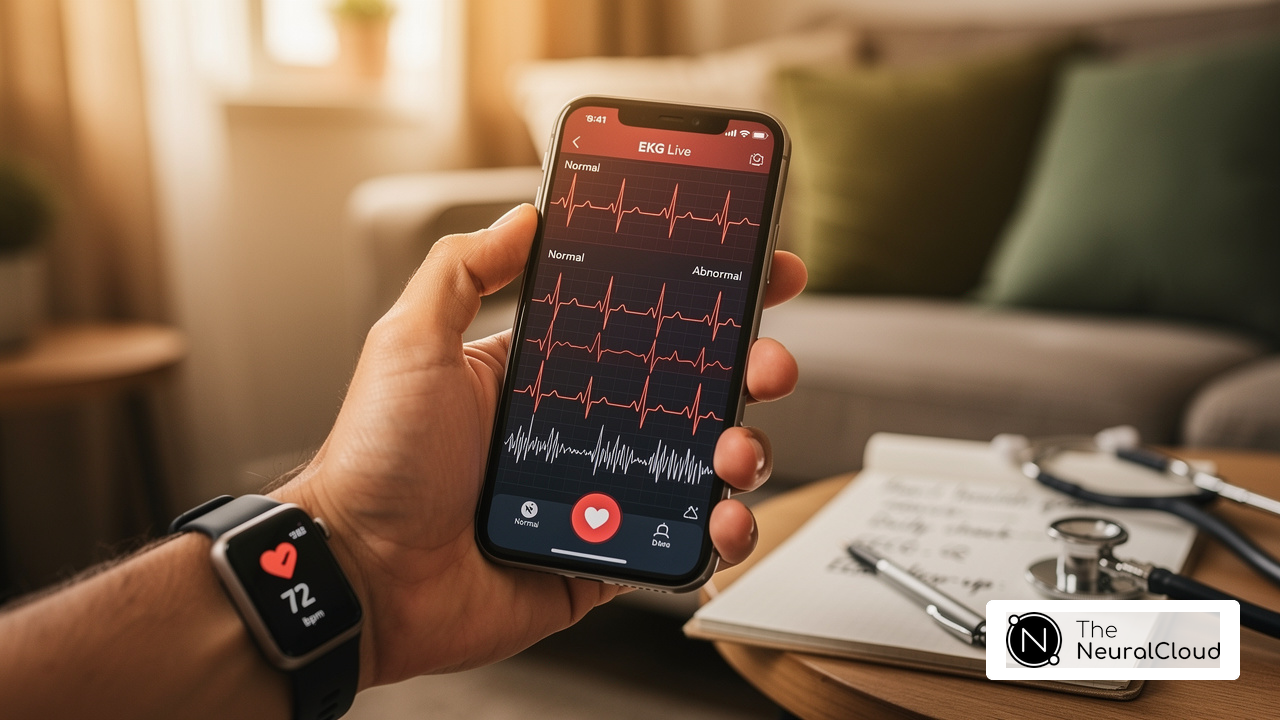
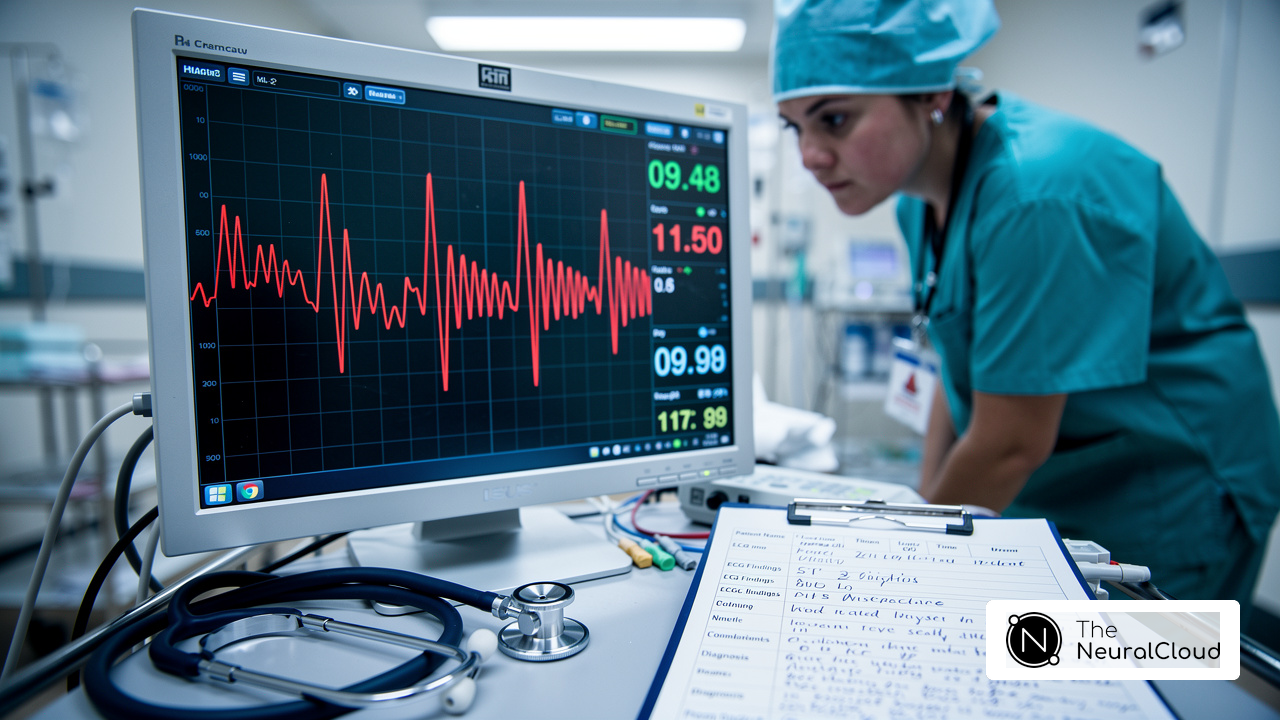
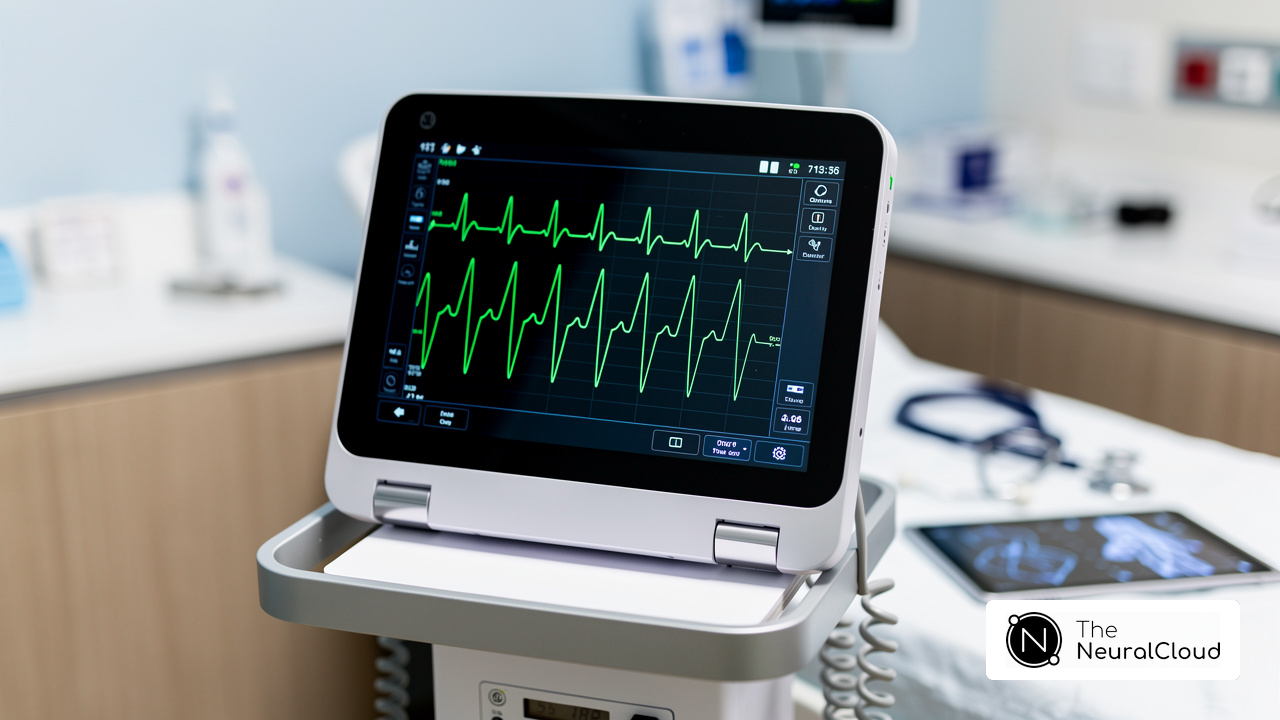
ST elevation on an electrocardiogram (ECG) is a crucial indicator of cardiac distress, often signaling acute myocardial infarction (AMI) and the urgent need for medical intervention. However, ECG analysis presents significant challenges, particularly in distinguishing between various causes of ST elevation. As healthcare technology advances, there is a unique opportunity to leverage sophisticated algorithms that improve the accuracy of ECG interpretation, ultimately transforming patient outcomes.
The MaxYield™ platform addresses these challenges by utilizing advanced algorithms designed to enhance ECG analysis. This platform not only improves the precision of identifying ST elevation causes but also streamlines the decision-making process for healthcare professionals. By integrating these technological innovations, MaxYield™ ensures that timely, life-saving treatments can be administered more effectively.
The advantages of the MaxYield™ platform are clear. Healthcare professionals benefit from enhanced diagnostic accuracy, which leads to better patient management and outcomes. With its user-friendly interface and robust analytical capabilities, MaxYield™ empowers clinicians to make informed decisions quickly, ultimately improving the quality of care provided to patients.
Define ST Elevation and Its Clinical Importance
ST displacement is marked by the upward shift of the ST segment on an electrocardiogram (ECG), occurring between the end of the S wave and the beginning of the T wave. This rise is clinically significant, often indicating myocardial infarction, particularly because of STEMI. Identifying ST rise accurately is crucial for prompt medical action, as it typically signals blockage in one or more coronary arteries, which can lead to permanent heart damage if not addressed swiftly.
Recent studies reveal that technology significantly enhances the detection of STEMI. For instance, it reduces false positives from 42% to 8% and boosts sensitivity from 71% to 92%. This underscores the importance of developers ensuring their ECG analysis tools can consistently identify and interpret ST changes, enabling healthcare professionals to make informed decisions quickly. Timely recognition of STEMI can drastically improve patient outcomes, as treatment delays are linked to increased mortality risk.
Integrating robust algorithms, like those in the MaxYield™ platform, is essential for advancing cardiac care. This platform offers beat-by-beat analysis and can process 200,000 heartbeats in under 5 minutes. The Continuous Learning Model employed evolves with each use, improving accuracy. By automating ECG signal analysis and reducing noise, MaxYield™ transforms noisy recordings into detailed insights, facilitating the identification of ST elevation.
Moreover, the current landscape highlights the urgent need for improved detection methods. Therefore, the integration of advanced algorithms that enhance the precision of detecting ST elevation is vital for effective cardiac care.
Key Features of MaxYield™:
- Beat-by-beat analysis for real-time insights.
- Rapid processing of 200,000 heartbeats in less than 5 minutes.
- Continuous Learning Model that improves with each use.
- Noise reduction for clearer ECG signal interpretation.
Advantages for Healthcare Professionals:
- Enhanced diagnostic accuracy and efficiency.
- Timely identification of STEMI.
- Improved patient outcomes through swift intervention.

Explore Common Causes of ST Elevation
Common causes of ST elevation include:
- Acute Myocardial Infarction: This is the most critical cause, where ST segment rise signifies transmural ischemia resulting from coronary artery blockage. Recent studies indicate that in 89% of STE-ECGs, an above-threshold V4 J-point amplitude is present, highlighting the significance of timely diagnosis in AMI cases. The automated systems by effectively filtering out noise and artifacts, ensuring that critical data is not obscured.
- Pericarditis: Inflammation of the pericardium can lead to ST segment rise, typically presenting as diffuse changes across multiple leads. This condition can often be mistaken for AMI, making accurate differentiation crucial. Diagnostic tools that reliably distinguish between these conditions.
- Left Ventricular Hypertrophy: Increased muscle mass in the heart can cause ST segment changes, including elevation. High QRS voltages have been associated with an odds ratio of 2.80 for the occurrence of STE-ECGs, emphasizing the need for careful assessment in patients with LVH, particularly considering physiological variability in ECG readings. The automated labeling features of this system streamline this assessment process, allowing for quicker and more accurate evaluations.
- Brugada Syndrome: This genetic condition can cause ST segment increase without ischemia, often presenting in younger males. The prevalence of STE-ECGs in this demographic is notably higher, necessitating awareness among healthcare professionals. Utilizing this tool aids in accurately identifying these cases amidst other noise.
- Hyperkalemia: Increased potassium levels can result in ST segment alterations, including an increase. Understanding the pathophysiology is essential for accurate diagnosis. The advancements in technology and improving diagnostic yield over time.
Furthermore, it is vital to acknowledge that the occurrence of nonischemic STE-ECGs can surpass 20%-30% in seemingly healthy male individuals from sub-Saharan Africa, suggesting variability in ST elevation causes among different populations. Developers must create algorithms capable of distinguishing between these causes to ensure precise ECG analysis. This differentiation is vital, as misinterpretation can lead to significant clinical consequences. As mentioned by cardiology specialists, the precise identification of causes is essential for effective patient management.

Diagnose ST Elevation: Techniques and Tools
Diagnosing ST elevation presents several challenges that require effective techniques and tools to enhance accuracy and efficiency.
- Electrocardiography remains the cornerstone for identifying ST elevation, capturing the heart's electrical activity from multiple angles. This comprehensive analysis is crucial for accurate diagnosis, as it provides essential insights into how ST elevation impacts cardiac function.
- Artificial intelligence employs sophisticated AI algorithms to quickly detect ST elevation and other irregularities, significantly shortening diagnosis time. Recent studies indicate that AI-assisted platforms can achieve a higher accuracy rate in identifying true STEMI cases, outperforming traditional methods. This advancement not only streamlines the diagnostic process but also supports healthcare professionals in making timely decisions.
- Clinical correlation is vital for verifying diagnoses related to ST elevation. By linking ECG results with clinical signs and individual history, practitioners ensure that the diagnosis considers all factors and is not solely reliant on ECG data. This integration improves diagnostic accuracy, leading to better patient outcomes.
- Continuous monitoring in acute care environments is essential for identifying transient ST changes, which may indicate unstable cardiac conditions. Real-time analysis through continuous ECG monitoring can be critical in emergency situations, allowing for immediate intervention when necessary.
Incorporating these techniques into ECG analysis platforms is crucial for developers. By prioritizing these features, they can enhance diagnostic accuracy and ultimately improve outcomes for individuals.

Manage ST Elevation: Treatment Strategies
Management of ST elevation primarily focuses on restoring blood flow to the heart through several key treatment strategies:
- Reperfusion Therapy: This includes PCI and thrombolysis, both essential for dissolving clots obstructing coronary arteries. The 2025 guidelines now strongly recommend using intracoronary imaging during PCI. This approach enhances outcomes by ensuring proper stent sizing and reducing complications.
- Medications: Antiplatelet agents, such as aspirin and clopidogrel, are vital in preventing further clot formation. Recent guidelines emphasize using more potent agents, like ticagrelor and prasugrel, as first-line therapy. This strategy aims to improve treatment effectiveness while minimizing bleeding risks, particularly in individuals with a high chance of bleeding.
- Monitoring and Support: Continuous monitoring and vital sign assessment are crucial during treatment to evaluate the effectiveness of interventions. This real-time information allows healthcare providers to make informed decisions, enhancing care for individuals. With the integration of artificial intelligence, clinicians can leverage algorithms and wave recognition to improve the clarity of ECG readings, ensuring more accurate monitoring and support.
- Lifestyle Modifications: After an acute event, individuals are often advised to adopt changes aimed at reducing the risk of future events. These modifications can significantly impact long-term health outcomes.
Understanding these strategies is essential for developers aiming to create tools that enhance clinical decision-making and ultimately improve patient outcomes.

Conclusion
ST elevation is a crucial indicator of cardiac health, often signaling acute myocardial infarction and other significant conditions. For developers creating ECG analysis tools, understanding its causes and implications is essential. Accurate detection can lead to timely medical interventions that save lives.
The article emphasizes the importance of advanced technology, particularly AI-driven solutions like MaxYield™, in improving the accuracy of ST elevation detection. Key points include common causes such as:
- Acute myocardial infarction
- Pericarditis
- Hyperkalemia
Effective diagnostic techniques, including 12-lead ECG and automated analysis software, are also highlighted. Each of these elements is vital for enabling healthcare professionals to respond swiftly and effectively to potential cardiac events.
With the rising prevalence of ST elevation cases, especially among younger populations, the need for improved detection methods is more urgent than ever. Developers are encouraged to integrate advanced algorithms and continuous learning models into their tools. This approach fosters better patient outcomes through enhanced diagnosis and treatment strategies. By prioritizing these innovations, the healthcare community can significantly impact the management of ST elevation and its associated risks.
Frequently Asked Questions
What is ST elevation and why is it clinically important?
ST elevation is marked by the upward shift of the ST segment on an electrocardiogram (ECG), occurring between the end of the S wave and the beginning of the T wave. It is clinically significant as it often indicates acute myocardial infarction (AMI) and can signal blockage in coronary arteries, which can lead to permanent heart damage if not addressed quickly.
How does AI-based ECG analysis improve the detection of ST elevation myocardial infarction (STEMI)?
AI-based ECG analysis enhances the detection of STEMI by significantly reducing false-positive activation rates from 42% to 8% and increasing sensitivity from 71% to 92%. This improvement allows healthcare professionals to make informed decisions more quickly.
What is the MaxYield™ solution and how does it contribute to cardiac care?
The MaxYield™ solution is an advanced platform that provides beat-by-beat analysis of ECG data, capable of processing 200,000 heartbeats in under 5 minutes. It employs a Continuous Learning Model that improves with each use, enhancing diagnostic accuracy and efficiency while automating ECG signal analysis and reducing noise for clearer interpretation.
What are the key features of the MaxYield™ solution?
Key features of MaxYield™ include beat-by-beat analysis for real-time insights, rapid processing of 200,000 heartbeats in less than 5 minutes, a Continuous Learning Model that improves with each use, and noise reduction for clearer ECG signal interpretation.
What advantages does MaxYield™ offer to healthcare professionals?
MaxYield™ offers enhanced diagnostic accuracy and efficiency, timely identification of critical cardiac events, and improved patient outcomes through swift intervention.
Why is there an urgent need for improved detection methods for STEMI, particularly among younger women?
The rising prevalence of STEMI hospitalizations among younger women highlights the urgent need for improved detection methods to ensure timely and effective cardiac care.
List of Sources
- Define ST Elevation and Its Clinical Importance
- medicalxpress.com (https://medicalxpress.com/news/2025-11-zalunfiban-early-benefits-st-elevation.html)
- PMcardio Reports Positive RCT Results and Late-Breaking Clinical Science for STEMI Detection (https://powerfulmedical.com/blog/pmcardio-reports-positive-rct-results-and-late-breaking-clinical-science-for-stemi-detection)
- Trends and Outcomes of ST‐Segment–Elevation Myocardial Infarction Among Young Women in the United States | Journal of the American Heart Association (https://ahajournals.org/doi/10.1161/JAHA.122.026811)
- AI-Based ECG Analysis Significantly Improves STEMI Detection, Reduces False Activations - American College of Cardiology (https://acc.org/latest-in-cardiology/articles/2025/10/24/16/56/tues-554pm-ai-tct-2025)
- AI-ECG Finds STEMI Faster, Cuts False-Positive Cath Lab Activations (https://tctmd.com/news/ai-ecg-finds-stemi-faster-cuts-false-positive-cath-lab-activations)
- Explore Common Causes of ST Elevation
- Prevalence of ECGs Exceeding Thresholds for ST‐Segment–Elevation Myocardial Infarction in Apparently Healthy Individuals: The Role of Ethnicity | Journal of the American Heart Association (https://ahajournals.org/doi/10.1161/JAHA.119.015477)
- medicalxpress.com (https://medicalxpress.com/news/2025-11-zalunfiban-early-benefits-st-elevation.html)
- cardiology.medicinetoday.com.au (https://cardiology.medicinetoday.com.au/ct/2017/july/regular-series/common-causes-st-elevation)
- Study reinforces need for greater coordination in heart attack care (https://newsroom.heart.org/news/study-reinforces-need-for-greater-coordination-in-heart-attack-care)
- Diagnose ST Elevation: Techniques and Tools
- New study finds AI model improves heart attack detection (https://health.ucdavis.edu/news/headlines/new-study-finds-ai-model-improves-heart-attack-detection/2025/11)
- PMcardio Reports Positive RCT Results and Late-Breaking Clinical Science for STEMI Detection (https://powerfulmedical.com/blog/pmcardio-reports-positive-rct-results-and-late-breaking-clinical-science-for-stemi-detection)
- ahajournals.org (https://ahajournals.org/doi/10.1161/JAHA.113.000268)
- tctmd.com (https://tctmd.com/news/proof-concept-ai-ecg-may-improve-stemi-care-arise)
- Manage ST Elevation: Treatment Strategies
- medicalxpress.com (https://medicalxpress.com/news/2025-11-zalunfiban-early-benefits-st-elevation.html)
- frontiersin.org (https://frontiersin.org/journals/cardiovascular-medicine/articles/10.3389/fcvm.2022.813325/full)
- New Guideline on Acute Coronary Syndromes: Key Takeaways (https://consultqd.clevelandclinic.org/new-guideline-on-acute-coronary-syndromes-key-takeaways-for-cardiologists)