Introduction
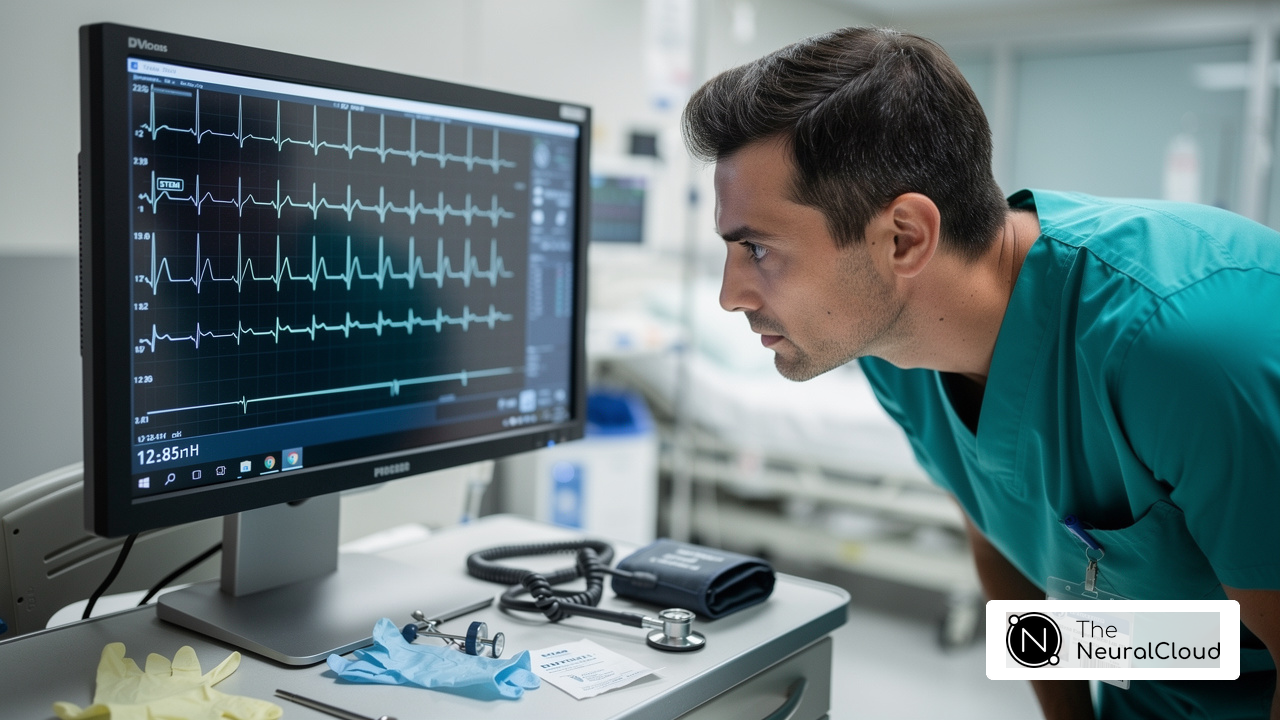
Ventricular arrhythmias are a significant concern in cardiac health, as these irregular rhythms can severely hinder the heart's ability to pump blood effectively. This impairment can lead to life-threatening complications, making it crucial to understand these arrhythmias. They play a major role in sudden cardiac deaths, highlighting the need for health tech developers to grasp their nuances. As the healthcare landscape continues to evolve, innovative technologies, such as advanced ECG analysis platforms, hold the potential to improve the identification and management of these critical conditions.
By leveraging features of the MaxYield™ platform, healthcare professionals can enhance their ECG analysis capabilities. This platform offers advanced algorithms that provide accurate rhythm detection, enabling timely interventions. The advantages of using MaxYield™ include improved diagnostic accuracy, which can lead to better patient outcomes. Furthermore, the platform's user-friendly interface ensures that both technical and non-technical users can navigate it with ease, making it a valuable tool in clinical settings.
Define Ventricular Arrhythmias and Their Importance in Cardiac Health
Ventricular arrhythmias are abnormal rhythms that originate in the ventricles, the lower chambers of the heart. These irregular heartbeats can severely disrupt the heart's ability to pump blood effectively, posing significant health risks, including sudden cardiac death. Accurately detecting and analyzing these arrhythmias is crucial, as they account for approximately 75-80% of sudden cardiac death cases in the United States, leading to an estimated 184,000 to 450,000 fatalities annually.
For healthcare providers, leveraging advanced technologies like Neural Cloud Solutions' platform is essential. This platform enhances the clarity and reliability of ECG readings through innovative algorithms and analytical capabilities. As a result, healthcare professionals can make informed decisions based on precise data. The system processes large volumes of information, significantly improving diagnostic yield. Successful applications of ECG technology demonstrate that prompt identification of arrhythmias can lead to better patient outcomes, including reduced hospitalizations and improved management of heart conditions.
Recent studies reveal that nearly 5% of individuals aged 65 to 73 experience prevalent rhythm issues, highlighting the substantial frequency of rhythm abnormalities. The integration of automated ECG analysis tools like MaxYield™ can streamline the identification of these abnormalities, ensuring clinicians can respond swiftly to critical situations. As the landscape of cardiac health evolves, the role of innovative ECG solutions in enhancing patient care remains paramount.
Features of MaxYield™
- Automated Detection: Quickly identifies ventricular irregularities, reducing the time needed for manual review.
- Enhanced Clarity: Enhances the clarity of ECG readings, allowing for more accurate interpretations.
- High Throughput: Processes large datasets, increasing efficiency in clinical settings.
Advantages for Healthcare Professionals
- Improved Decision-Making: Access to precise data enables better patient management.
- Enhanced Patient Outcomes: Prompt identification of arrhythmias can lead to timely interventions and improved care.
- Streamlined Workflow: Automation reduces the burden on healthcare professionals, allowing them to focus on patient care.

Explore Different Types of Ventricular Arrhythmias and Their Clinical Implications
Ventricular arrhythmias encompass various types, each with distinct clinical implications:
- Premature ventricular contractions: These early heartbeats are common and often benign, occurring in 1% to 40% of the general population. However, they can indicate underlying cardiovascular issues, particularly in patients with structural cardiac disease. Research shows that PVC patients without structural cardiac disease have a prognosis comparable to age- and sex-matched controls, easing worries about their long-term outcomes. Health tech solutions, such as those from Neural Cloud Solutions, can assist in accurately identifying PVCs through their noise filtering capabilities, ensuring timely intervention when necessary.
- Ventricular tachycardia: VT is one of the arrhythmias characterized by a rapid heartbeat exceeding 100 beats per minute, which can lead to severe complications, including syncope and sudden cardiac arrest if sustained. It is frequently linked to ischemic cardiovascular disease, and its management necessitates swift intervention. The prognosis for patients with idiopathic VT is generally favorable, especially when no other comorbid conditions are present. Effective health tech solutions can aid in early detection and monitoring by providing real-time data, significantly improving patient outcomes, as patients with idiopathic VT have a prognosis similar to the general population.
- Ventricular fibrillation: VF occurs when the heart quivers ineffectively, leading to a cessation of blood flow. Immediate medical intervention is critical, as VF can result in sudden cardiac death. Health tech innovations, such as wearable devices and advanced monitoring systems, play a vital role in managing VF by providing timely alerts and facilitating rapid response. The incorporation of these systems can improve the identification of VF by filtering out noise and accurately recognizing essential ECG waveforms, ensuring that healthcare providers can respond promptly.
Understanding the various types of arrhythmias and their irregularities is crucial for striving to devise solutions that precisely distinguish between them, guaranteeing suitable alerts and interventions are established. By utilizing advanced analytics, such as those provided by MaxYield™, developers can enhance clinical workflows and improve patient safety in managing ventricular irregularities.

Identify Causes and Risk Factors for Ventricular Arrhythmias
Various causes can lead to arrhythmias that disrupt normal cardiac function. Understanding the causes of ventricular arrhythmias is crucial for effective management and intervention. Here are some key factors:
- Coronary artery disease: This condition reduces blood flow to the heart muscle due to atherosclerosis, leading to ischemia and significantly increasing the risk of arrhythmias. Notably, around 85% of individuals over age 50 in the U.S. have atherosclerotic coronary disease, highlighting the prevalence of this risk factor.
- Cardiomyopathy: Conditions affecting the heart muscle, such as dilated or hypertrophic cardiomyopathy, can interfere with the heart's electrical functions, resulting in irregular heartbeats. These conditions often require careful monitoring and management of heart function to prevent serious complications.
- Electrolyte imbalances: Abnormal levels of essential electrolytes, including potassium, magnesium, and calcium, can lead to irregular heartbeats. For instance, hypokalemia and hypomagnesemia are known to increase susceptibility to arrhythmias, including ventricular fibrillation, emphasizing the need for regular monitoring of these levels in at-risk patients.
- Genetic factors: Inherited conditions, such as channelopathies, predispose individuals to irregular heart rhythms. Understanding these conditions is crucial for prevention, particularly in families with a history of arrhythmias and cardiac issues.
- Acute illnesses: Conditions such as sepsis and stimulant use can also elevate the risk of arrhythmias, underscoring the importance of a comprehensive assessment of patient health.
By thoroughly grasping these causes, health tech developers can leverage the MaxYield™ platform's advanced technology to better analyze cardiac rhythms. This platform incorporates a continuous learning model that enhances the accuracy and efficiency of diagnostics. As it evolves with each use, it improves diagnostic yield over time. Additionally, the system automates the labeling of ECG signals, efficiently categorizing them to notify healthcare providers about patients at risk for arrhythmias. This innovative approach ultimately leads to improved patient outcomes.

Discuss Diagnostic Methods for Ventricular Arrhythmias
Diagnostic methods for ventricular arrhythmias include:
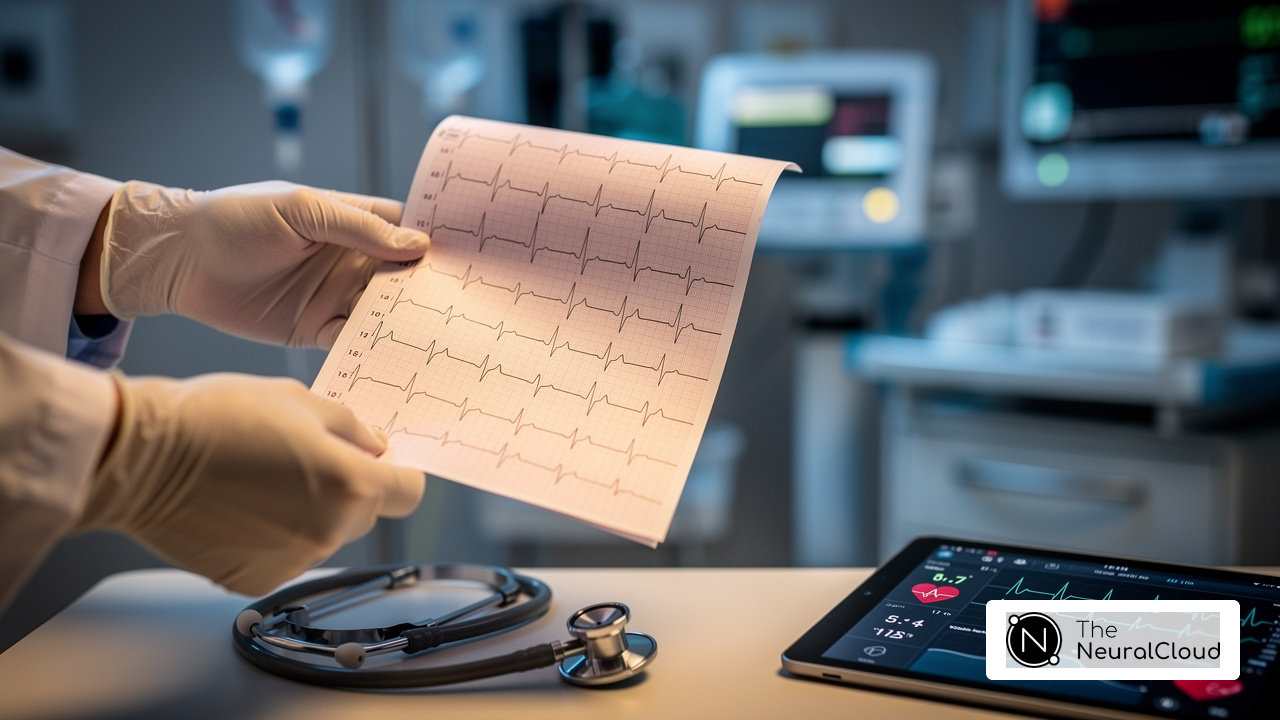
- Electrocardiogram (ECG): This is the primary tool for diagnosing arrhythmias, providing real-time data on heart rhythm. The integration of Neural Cloud Solutions' platform significantly enhances diagnostic accuracy through advanced noise reduction and artifact handling. This improvement allows for clearer insights, even in challenging recordings.
- Holter monitoring: This method involves continuous ECG observation over 24-48 hours to capture sporadic disturbances. The system can recover previously hidden parts of extensive Holter recordings, ensuring that essential data is not lost due to interference.
- Electrophysiological studies: These invasive tests map the electrical activity of the heart to identify sources of irregular heartbeat and analyze rhythm disturbances. The adaptability of the algorithms can complement these studies by providing automated, accurate analysis of ECG data.
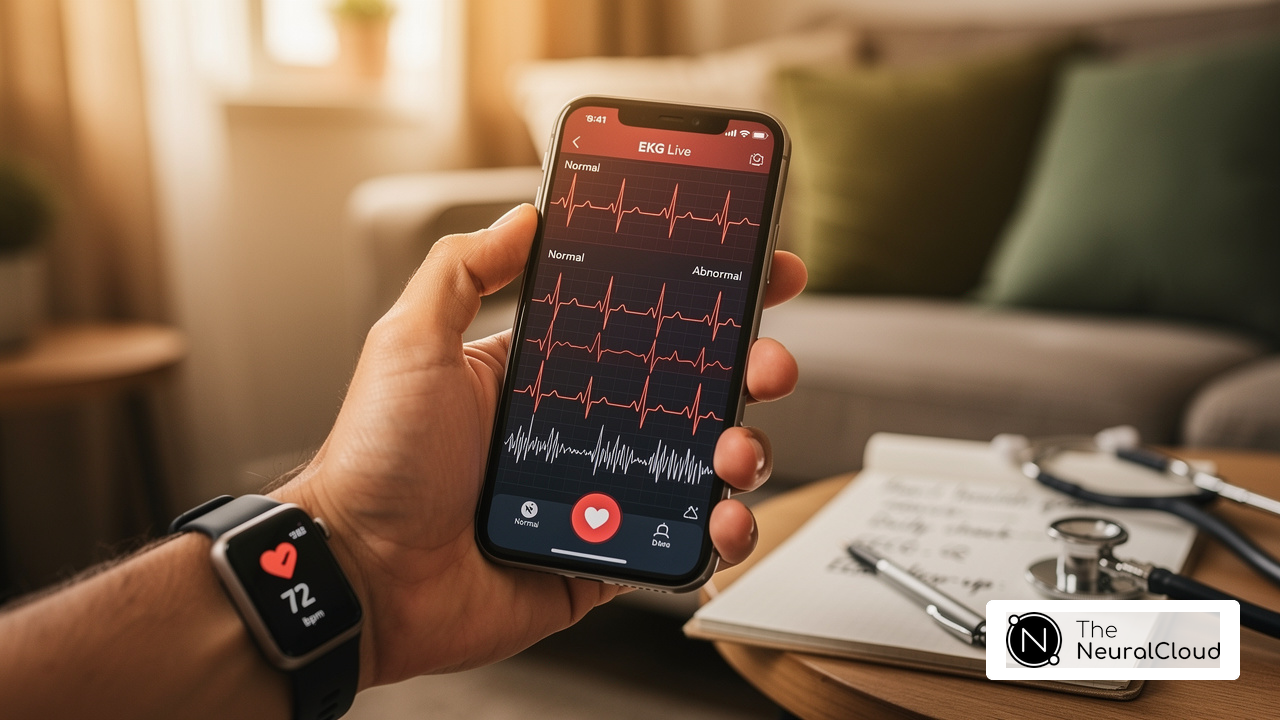
- Wearable devices: Emerging technologies enable continuous monitoring and early detection of arrhythmias. By employing this advanced solution, developers can enhance the functionality of these devices, ensuring they deliver high-quality, actionable insights.
These methods underscore the importance of integrating technologies like MaxYield™ to enhance diagnostic capabilities. This ultimately transforms patient care into a more efficient process for healthcare professionals.

Review Treatment Options for Ventricular Arrhythmias
for treatment options vary based on type and severity, including:
- Medications: drugs that help control heart rate and rhythm.
- Cardioversion: A procedure that restores normal rhythm using electrical shocks.
- Ablation: A minimally invasive procedure aimed at eliminating the tissue responsible for the irregular heartbeat.
- Implantable devices: Devices that monitor heart rhythm and deliver shocks if dangerous irregular heartbeats occur.
Incorporating advanced solutions like Neural Cloud Solutions' platform can significantly enhance the management of these arrhythmias. The platform automates ECG analysis, providing rapid labeling of P, QRS, and T wave intervals, which aids in identifying arrhythmias. By reducing noise and physiological variability in ECG signals, this product supports healthcare providers in creating more effective solutions that improve patient outcomes. Understanding these technologies, alongside the treatment options, is crucial for developers to innovate and enhance patient management.
Conclusion
Understanding the various types of ventricular rhythms is essential for advancing cardiac health technology. These arrhythmias, originating in the heart's ventricles, can lead to serious health complications, including sudden cardiac arrest. The integration of innovative solutions like Neural Cloud Solutions' MaxYield™ platform is critical for accurately detecting and analyzing these irregularities. This ultimately enhances patient outcomes and reduces mortality rates.
Key insights from the article highlight the importance of recognizing different ventricular arrhythmias, their causes, and effective diagnostic methods. From premature ventricular contractions to life-threatening ventricular fibrillation, each rhythm type carries unique clinical implications. The article emphasizes the role of advanced ECG analysis in improving decision-making for healthcare professionals. This enables timely interventions that can save lives.
As the landscape of cardiac health continues to evolve, the need for robust health tech solutions becomes ever more apparent. Developers are encouraged to leverage cutting-edge technologies to enhance diagnostic capabilities and treatment options for ventricular arrhythmias. By prioritizing innovation in this field, the potential to significantly impact patient care and safety is within reach, paving the way for a healthier future.
Frequently Asked Questions
What are ventricular arrhythmias and why are they important for cardiac health?
Ventricular arrhythmias are abnormal heart rhythms that originate in the ventricles, the lower chambers of the heart. They can severely disrupt the heart's ability to pump blood effectively, posing significant health risks, including sudden cardiac arrest. They account for approximately 75-80% of sudden cardiac death cases in the United States, leading to an estimated 184,000 to 450,000 fatalities annually.
How can technology assist in the detection of ventricular arrhythmias?
Advanced technologies, such as Neural Cloud Solutions' platform, can enhance the clarity and reliability of ECG data through noise filtering and automated analysis. This allows healthcare professionals to make informed decisions based on precise cardiac insights and improves diagnostic yield by processing 200,000 heartbeats in under 5 minutes.
What are the features of the MaxYield™ ECG analysis tool?
MaxYield™ features automated analysis to quickly identify ventricular irregularities, noise filtering to enhance ECG data clarity, and high throughput, processing 200,000 heartbeats in under 5 minutes, which increases efficiency in clinical settings.
What are the advantages of using advanced ECG analysis for healthcare professionals?
The advantages include improved decision-making through access to precise cardiac insights, enhanced patient outcomes due to prompt identification of issues leading to lower mortality rates, and a streamlined workflow that reduces the burden on healthcare professionals, allowing them to focus on patient care.
What are the different types of ventricular arrhythmias and their clinical implications?
The main types include: - Premature Ventricular Contractions (PVCs): Common and often benign, occurring in 1% to 40% of the population, but may indicate underlying cardiovascular issues. - Ventricular Tachycardia (VT): Characterized by a rapid heartbeat over 100 beats per minute, which can lead to severe complications if sustained, often linked to ischemic cardiovascular disease. - Ventricular Fibrillation (VF): A critical condition where the heart quivers ineffectively, leading to cessation of blood flow, requiring immediate medical intervention to prevent sudden cardiac death.
How can health tech innovations improve the management of ventricular fibrillation (VF)?
Health tech innovations, such as automated external defibrillators (AEDs) and advanced monitoring systems, provide timely alerts and facilitate rapid response to VF. They improve the identification of VF by filtering out noise and accurately recognizing essential ECG waveforms.
Why is understanding ventricular arrhythmias crucial for health tech developers?
Understanding the various ventricular rhythm types and their irregularities is essential for health tech developers to create solutions that can accurately distinguish between them, ensuring appropriate alerts and interventions are established. Advanced algorithms and real-time data analysis can enhance clinical workflows and improve patient safety in managing these conditions.
List of Sources
- Define Ventricular Arrhythmias and Their Importance in Cardiac Health
- ajconline.org (https://ajconline.org/article/S0002-9149(08)01715-3/fulltext)
- Checking your browser - reCAPTCHA (https://pmc.ncbi.nlm.nih.gov/articles/PMC6051725)
- amjcaserep.com (https://amjcaserep.com/abstract/full/idArt/935710)
- Memorable Cardiology Quotes | TheKnowHow Blog (https://theknowhow.ae/memorable-cardiology-quotes-heart)
- thecardiologyadvisor.com (https://thecardiologyadvisor.com/ddi/ventricular-arrhythmia)
- Explore Different Types of Ventricular Arrhythmias and Their Clinical Implications
- upbeat.org (https://upbeat.org/heart-rhythm-disorders/ventricular-tachycardia-vt)
- pmc.ncbi.nlm.nih.gov (https://pmc.ncbi.nlm.nih.gov/articles/PMC9935042)
- ncbi.nlm.nih.gov (https://ncbi.nlm.nih.gov/books/NBK532954)
- What Is Ventricular Tachycardia? (https://my.clevelandclinic.org/health/diseases/17616-ventricular-tachycardia)
- Identify Causes and Risk Factors for Ventricular Arrhythmias
- parade.com (https://parade.com/1187612/michelle-parkerton/quotes-about-heart-disease)
- ncbi.nlm.nih.gov (https://ncbi.nlm.nih.gov/books/NBK537120)
- ajconline.org (https://ajconline.org/article/S0002-9149(08)01715-3/fulltext)
- Review Treatment Options for Ventricular Arrhythmias
- int.livhospital.com (https://int.livhospital.com/what-is-the-best-medication-for-irregular-heartbeat)
- innovationsincrm.com (https://innovationsincrm.com/cardiac-rhythm-management/articles-2021/july/1787-antiarrhythmic-drugs-for-atrial-fibrillation)
- newsroom.clevelandclinic.org (https://newsroom.clevelandclinic.org/2025/11/11/cleveland-clinic-london-introduces-a-new-option-for-patients-to-treat-abnormal-heart-rhythms)
- pmc.ncbi.nlm.nih.gov (https://pmc.ncbi.nlm.nih.gov/articles/PMC6242273)
- stopafib.org (https://stopafib.org/afib-news-events/news/transcript-of-afib-chat-with-cleveland-clinic-atrial-fibrillation-experts-on-december-14-2018)