Introduction
Understanding the complexities of electrocardiogram (ECG) interpretation is essential for healthcare professionals, as it provides critical insights into the heart's electrical activity. ECG analysis can be challenging, especially when identifying deviations from normal heart wave patterns that may indicate serious cardiac conditions. With advancements in technology, platforms like MaxYield™ offer innovative solutions to enhance ECG analysis, making it easier for clinicians to navigate these complexities.
MaxYield™ features a user-friendly interface that simplifies the interpretation process. It incorporates advanced algorithms that assist in detecting abnormalities in ECG readings, ensuring that healthcare professionals can make informed decisions quickly. This platform not only streamlines the analysis but also reduces the likelihood of misinterpretation, which can be crucial in emergency situations.
The advantages of using MaxYield™ are significant. By improving diagnostic accuracy, it enhances patient care and outcomes. Clinicians can rely on the platform to provide clear, actionable insights, allowing them to focus more on patient interaction and less on deciphering complex data. Ultimately, MaxYield™ empowers healthcare professionals to deliver timely and effective cardiac care.
Explore the Fundamentals of ECG Interpretation
Electrocardiogram (ECG) interpretation is essential for understanding the heart's electrical activity, which is captured through electrodes placed on the skin to create a graphical representation of heartbeats. However, ECG interpretation can present challenges, particularly in accurately identifying deviations from the normal patterns that may indicate various cardiac conditions. To address these challenges, the platform offers tools that enhance analysis.
Key Features of MaxYield™:
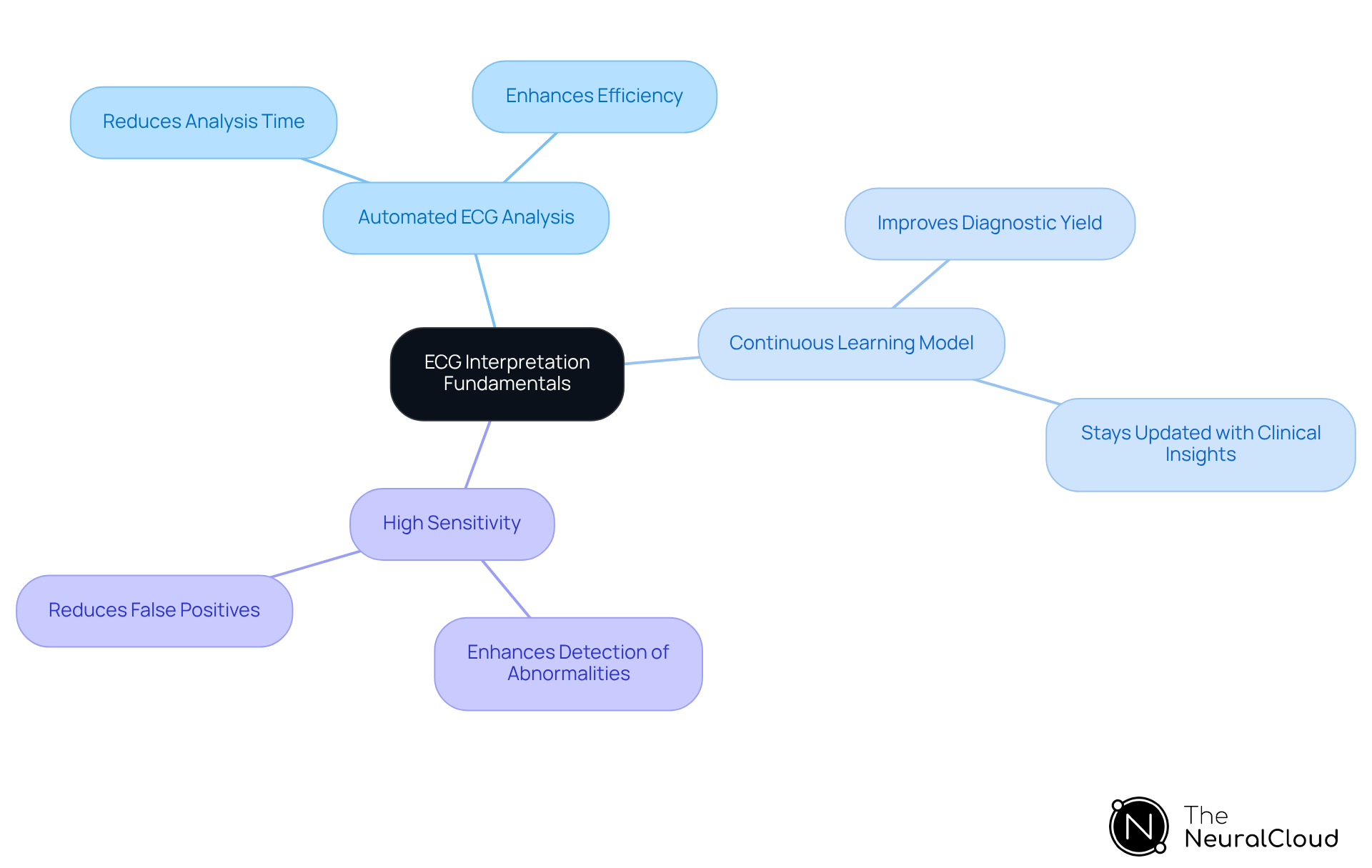
- Automation: The platform automates the interpretation of ECG data, significantly reducing the time required for analysis.
- Continuous Learning: With each use, the system evolves, improving its diagnostic yield and efficiency.
- High Sensitivity: AI models integrated into the platform demonstrate exceptional sensitivity in detecting arrhythmias and other abnormalities.
These features provide several advantages for healthcare professionals. By automating ECG interpretation, clinicians can focus more on patient care rather than manual interpretation. The continuous learning aspect ensures that the platform remains up-to-date with the latest clinical insights, enhancing diagnostic accuracy. Furthermore, the ability to analyze 200,000 heartbeats in less than 5 minutes allows for timely decision-making in critical situations.
The benefits of using the MaxYield™ platform are clear. Clinicians can leverage advanced insights to make confident clinical decisions, ultimately improving patient outcomes. As Bryn Mumma emphasized, accurate interpretation is crucial, and integrating these advanced tools into diagnostic processes can significantly enhance the quality of care provided. By utilizing the MaxYield™ platform, healthcare professionals can navigate the complexities of ECG interpretation with greater ease and accuracy.
Analyze Key Components of the Normal ECG Waveform
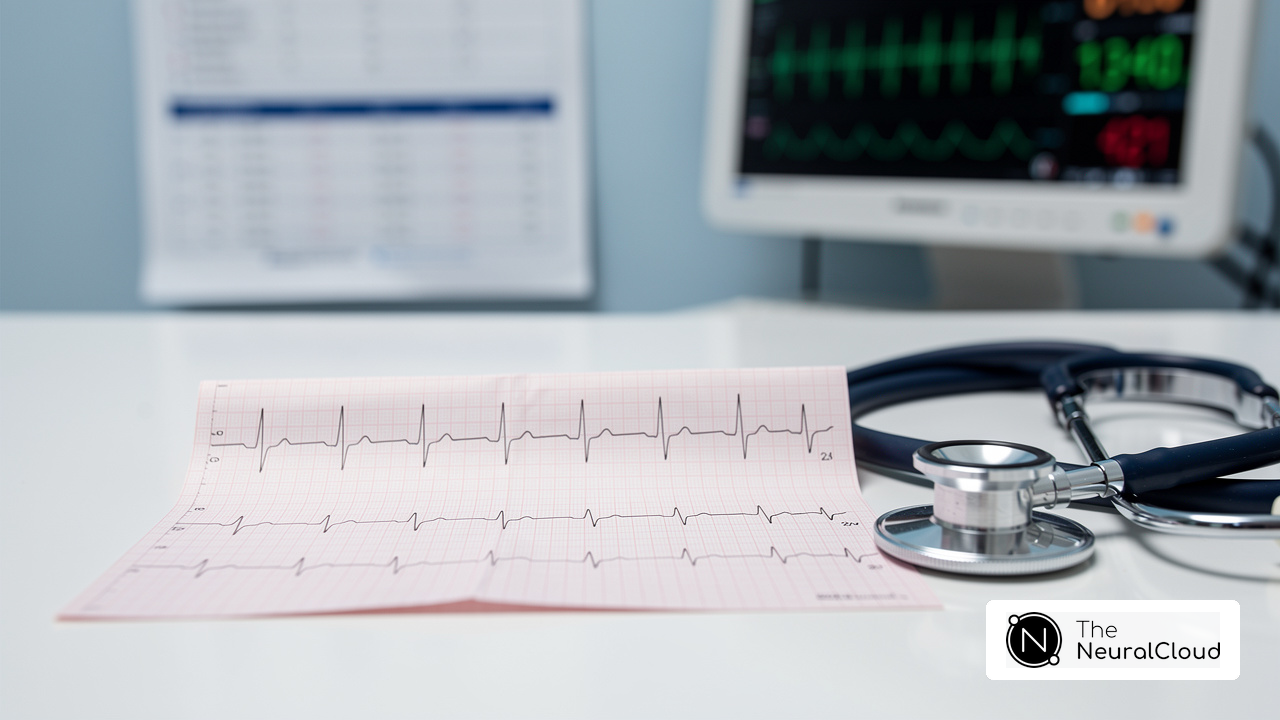
The normal ECG waveform consists of several key components that are essential for understanding cardiac health:
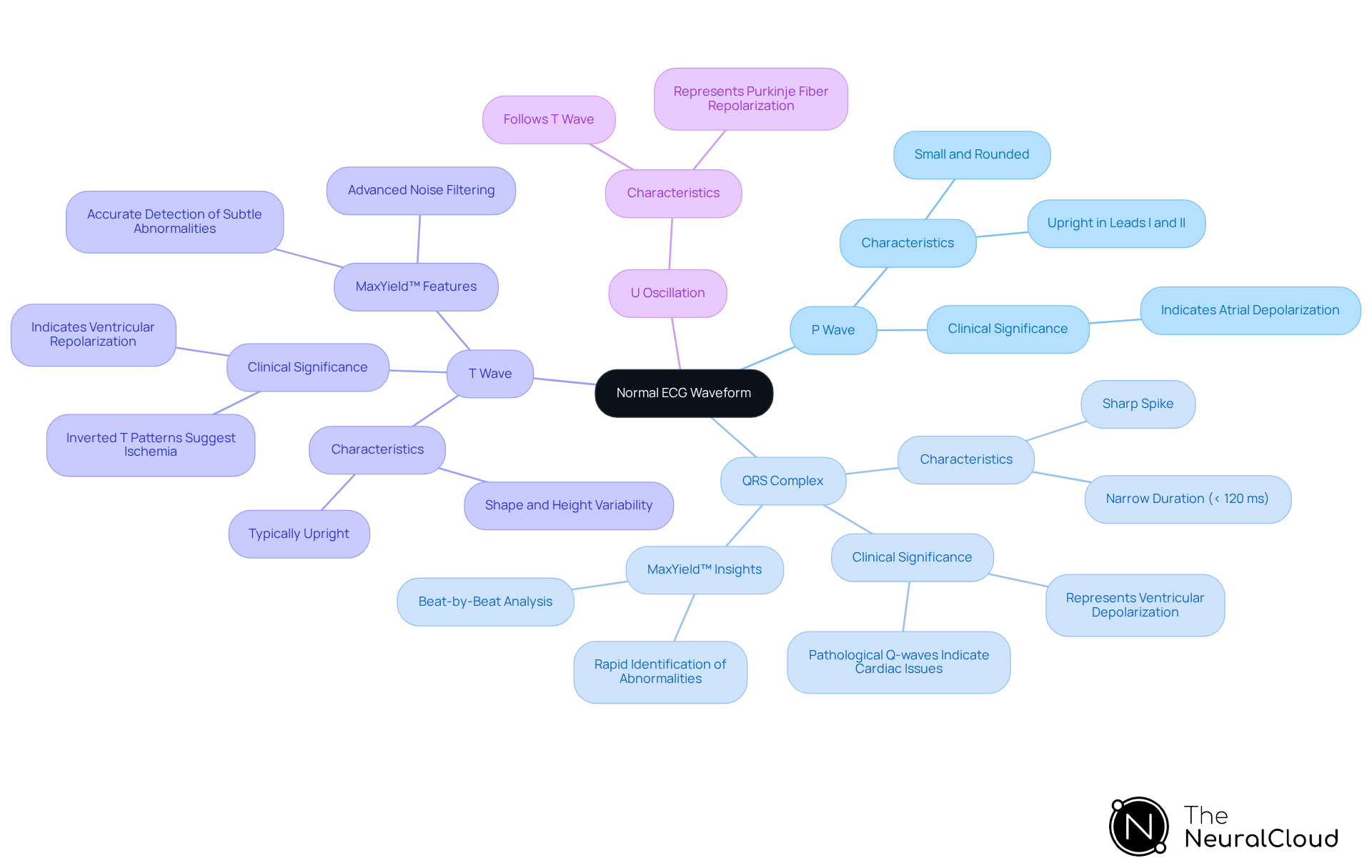
- P Wave: This wave is typically small and rounded, appearing upright in leads I and II, which indicates atrial depolarization.
- QRS Complex: Characterized by a sharp spike, the QRS complex represents the rapid depolarization of the ventricles. In a healthy heart, it should be narrow (less than 120 ms). Pathological Q-waves must be present in at least two contiguous leads to be deemed abnormal, which is crucial for identifying potential cardiac issues. Advanced technology enhances the analysis of the ECG waveform by providing beat-by-beat insights, facilitating rapid identification of abnormalities.
- T Wave: Typically upright in most leads, the T deflection indicates the repolarization of the ventricles. Its shape and height can provide insights into cardiac health, with inverted T patterns often suggesting ischemia or other cardiac conditions. Advanced technology's advanced noise filtering capabilities ensure that even subtle T abnormalities are accurately detected, addressing challenges posed by physiological variability and signal artifacts.
- U Oscillation: Occasionally observed, the U oscillation follows the T wave and may represent the repolarization of the Purkinje fibers.
Understanding these components is vital for clinicians assessing the normal heart and identifying potential issues with the heart's electrical activity. For instance, the morphology of the QRS complex can indicate significant cardiac conditions, while the T wave can assist in diagnosing ischemic heart disease. Recent research underscores the importance of accurate ECG interpretation, as misinterpretations can lead to misdiagnosis and delayed treatment. With advanced technology, health tech developers can leverage automated labeling and enhanced workflow efficiency to improve diagnostic accuracy and outcomes for individuals.
Master the Measurements and Intervals in ECG Analysis
Key measurements in ECG analysis are crucial for accurate and effective patient management.
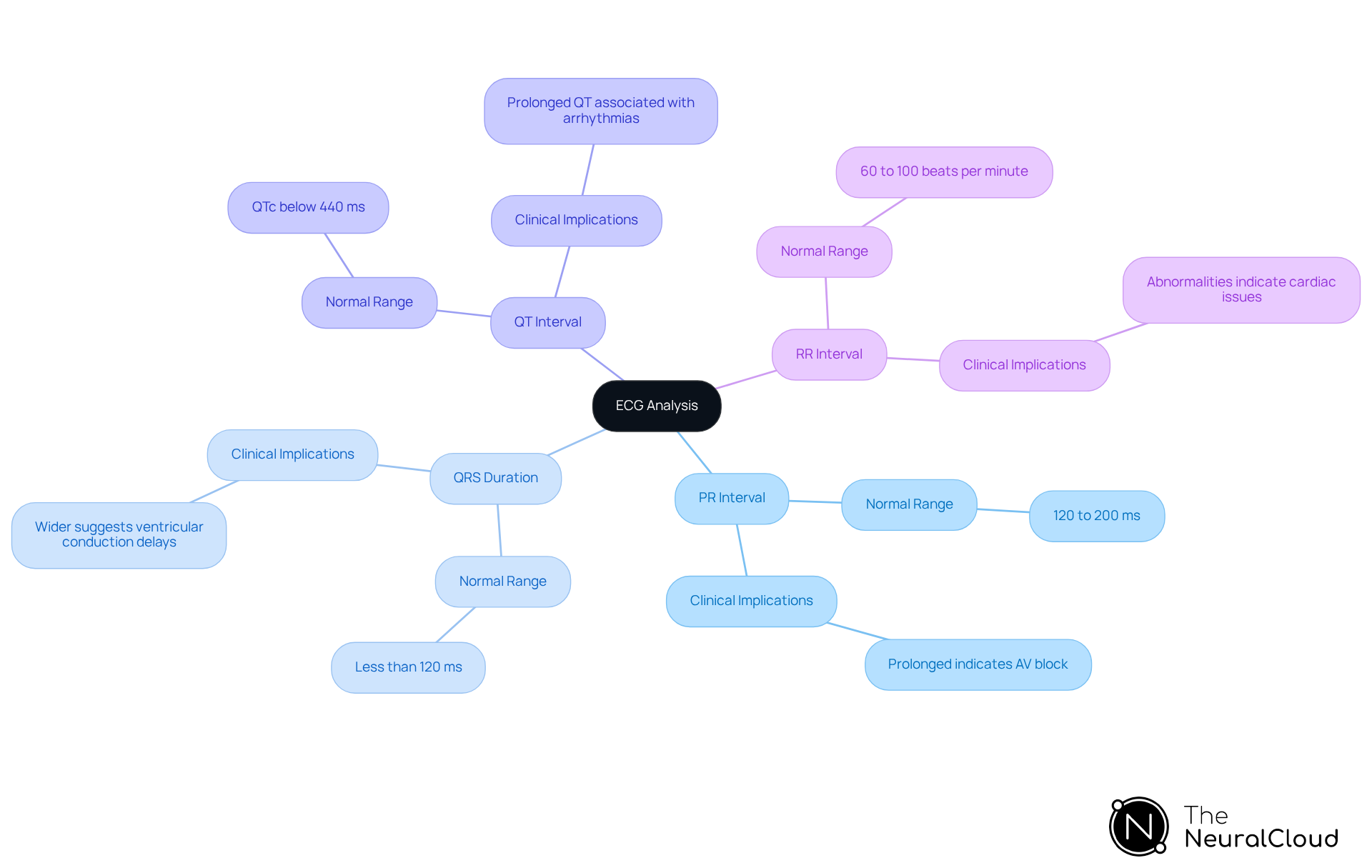
- PR Interval: Measured from the onset of the P wave to the beginning of the QRS complex, from 120 to 200 ms. A prolonged PR interval may indicate an atrioventricular (AV) block, which requires further evaluation.
- QRS Duration: The duration of the QRS complex should be less than 120 ms. A wider QRS may suggest ventricular conduction delays, potentially impacting cardiac function and necessitating intervention.
- QT Interval: This interval extends from the beginning of the Q wave to the conclusion of the T crest, with normal values ranging from 350 to 450 ms. Prolonged QT intervals are associated with a higher risk of arrhythmias, making monitoring essential for patient safety.
- RR Interval: This measures the time between successive R waves and is used to calculate heart rate, which should range from 60 to 100 beats per minute. Abnormal heart rates can indicate underlying health issues.
Understanding and mastering these measurements empower clinicians to make informed decisions regarding patient care. This is particularly important in identifying and managing conditions related to arrhythmias, which affect approximately 1.7% of individuals in clinical settings. Real-world cases, such as managing patients with congenital long QT syndrome, underscore the significance of accurate ECG interval analysis in guiding treatment strategies and enhancing patient outcomes.
Leverage Advanced Technology for Enhanced ECG Clarity
The integration of technology, particularly AI, into healthcare has transformed the field, addressing several challenges faced by healthcare professionals. Traditional ECG analysis can be time-consuming and prone to human error, making it essential to adopt innovative solutions that enhance accuracy and efficiency.
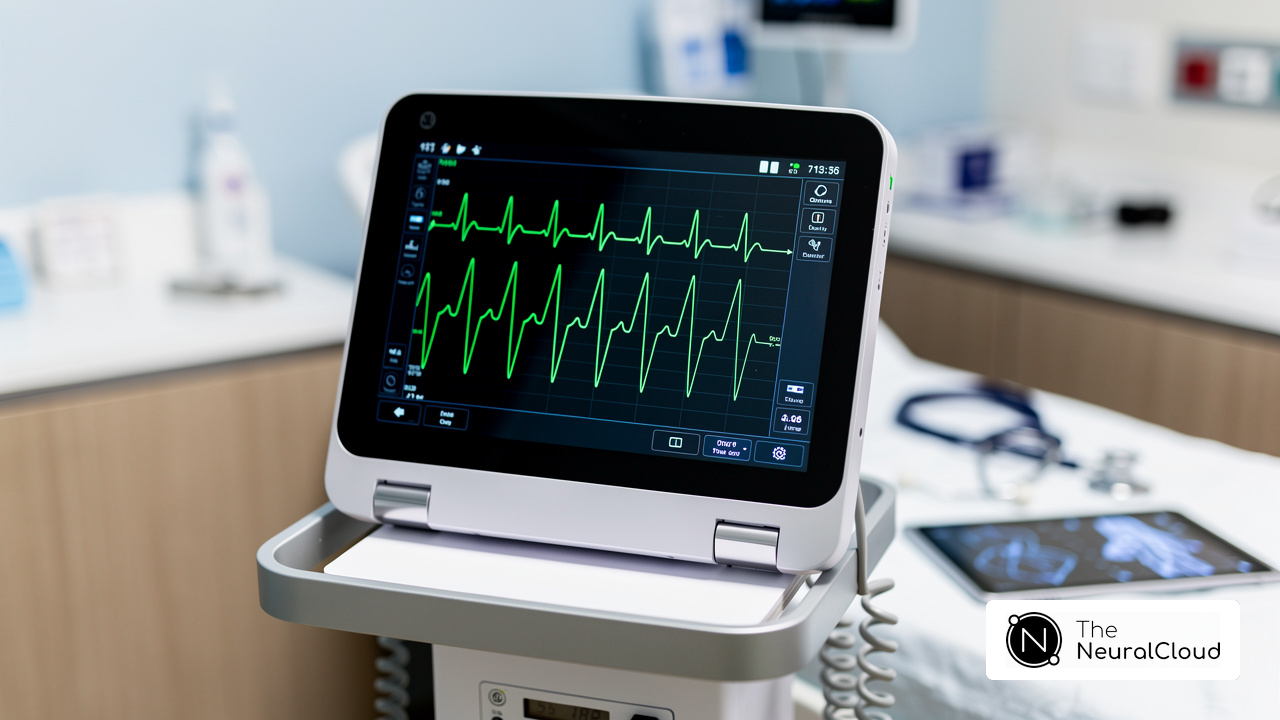
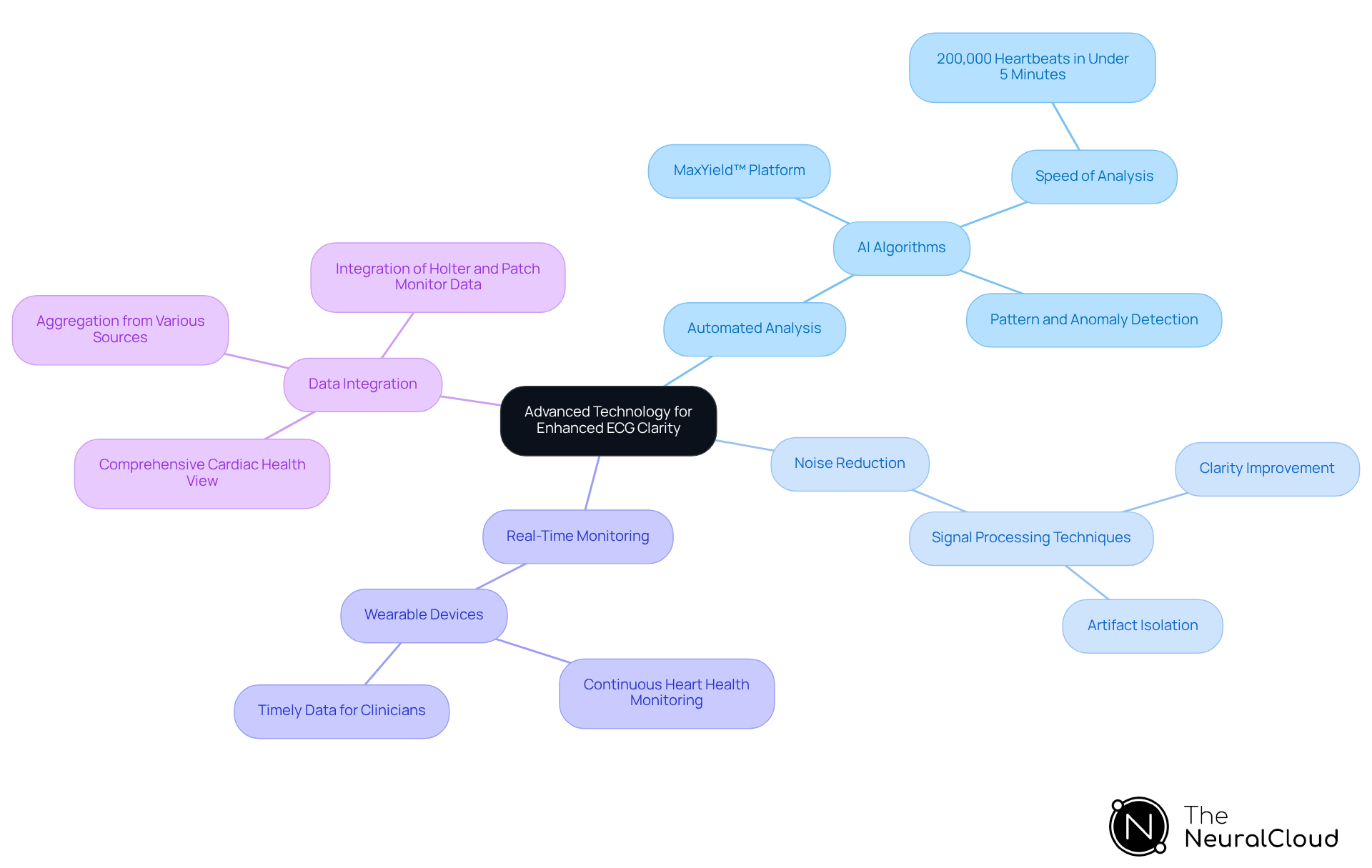
- Automated Analysis: The system from Neural Cloud Solutions employs machine learning. This automated approach identifies patterns and anomalies that might be overlooked by the human eye, significantly enhancing diagnostic yield. With the capability to analyze data in under 5 minutes, it supports confident decision-making and boosts overall efficiency.
- Noise Reduction: Advanced signal processing techniques are utilized by the system to improve the clarity of ECG signals. By effectively isolating and labeling key features in each heartbeat, it enhances signal quality, thereby enhancing interpretation even in recordings with high noise levels.
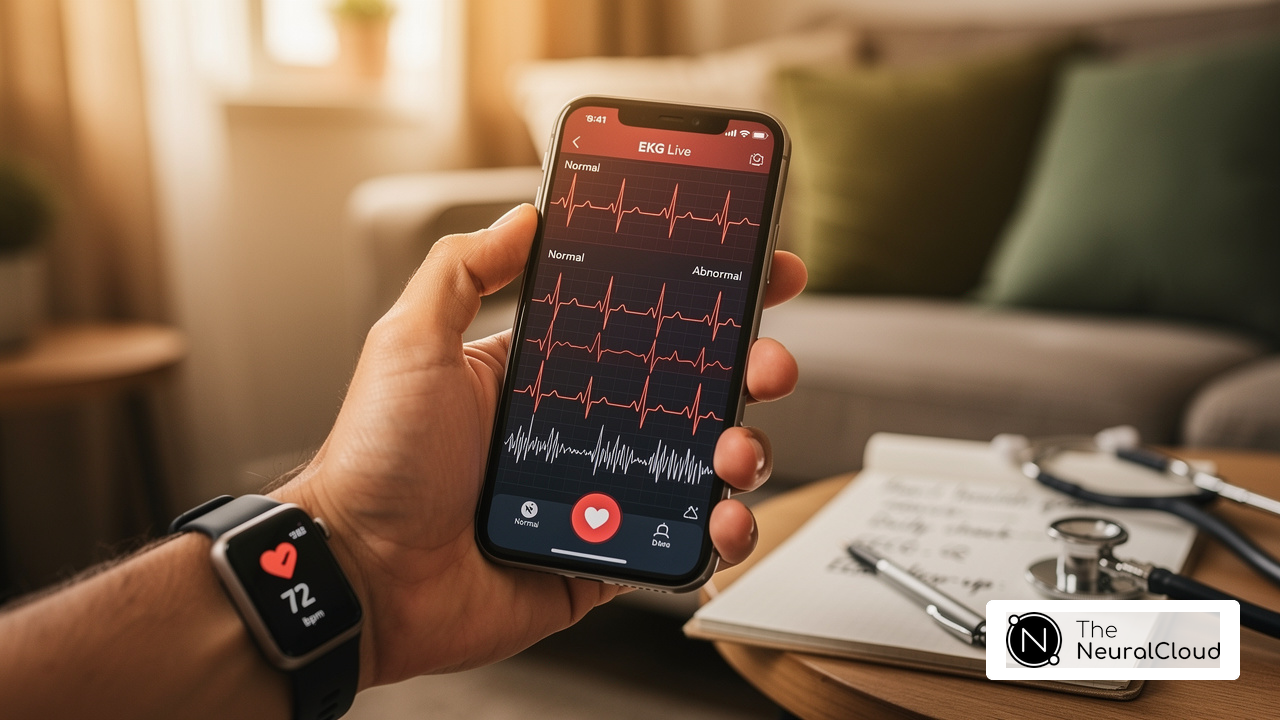
- Real-Time Monitoring: Devices equipped with ECG technology enable continuous heart health monitoring, providing timely data for clinicians. The system can quickly highlight potentially significant ECG data, facilitating immediate clinical insights and timely interventions.
- Data Integration: AI systems like MaxYield™ can aggregate data from various sources, offering a comprehensive view of an individual’s cardiac health. This capability not only facilitates better decision-making but also enhances the integration of previously obscured sections of lengthy Holter and patch monitor recordings into clinical workflows.
By leveraging these advanced technologies, healthcare professionals can significantly enhance their diagnostic capabilities, ultimately leading to improved patient outcomes.
Conclusion
Understanding the normal heart wave in ECG analysis is essential for effective cardiac assessment and diagnosis. The MaxYield™ platform streamlines the interpretation process, enhancing the accuracy of identifying abnormalities. By leveraging advanced technology, healthcare professionals can navigate the complexities of ECG readings with greater confidence, ultimately leading to improved patient outcomes.
The article explores the essential components of the ECG waveform, including the P wave, QRS complex, T wave, and U oscillation. Each of these elements plays a vital role in assessing cardiac health. Key measurements such as the PR interval, QRS duration, QT interval, and RR interval are crucial for diagnosing potential cardiac conditions. The integration of automated analysis and AI technology supports clinicians in making timely, informed decisions, reducing the risk of misdiagnosis and ensuring that patients receive the care they need.
As electrocardiography evolves, embracing advanced technologies like MaxYield™ becomes imperative. Accurately interpreting ECG data enhances clinical efficiency and significantly impacts patient care. By prioritizing the understanding of normal heart wave characteristics and utilizing tools like MaxYield™, healthcare professionals are better equipped to provide the highest standard of cardiac care, fostering improved health outcomes for their patients.
Frequently Asked Questions
What is the purpose of ECG interpretation?
ECG interpretation is essential for understanding the heart's electrical activity, which is captured through electrodes on the skin to create a graphical representation of heartbeats.
What challenges are associated with ECG analysis?
ECG analysis can present challenges in accurately identifying deviations from normal heart wave patterns that may indicate various cardiac conditions.
What is the MaxYield™ platform?
The MaxYield™ platform is a tool that offers advanced features to enhance ECG analysis, making it easier for healthcare professionals to interpret ECG data.
What are the key features of the MaxYield™ platform?
Key features include automated ECG analysis, a continuous learning model that evolves with use, and high sensitivity in detecting arrhythmias and other abnormalities.
How does automated ECG analysis benefit healthcare professionals?
Automated ECG analysis reduces the time required for interpretation, allowing clinicians to focus more on patient care rather than manual analysis.
What does the continuous learning model of MaxYield™ do?
The continuous learning model improves the platform's diagnostic yield and efficiency by evolving with each use, ensuring it remains up-to-date with the latest clinical insights.
How quickly can the MaxYield™ platform analyze ECG data?
The platform can analyze 200,000 heartbeats in less than 5 minutes, allowing for timely decision-making in critical situations.
What are the benefits of using the MaxYield™ platform for clinicians?
Clinicians can leverage advanced insights for confident clinical decisions, ultimately improving patient outcomes and enhancing the quality of care provided.
Why is timely diagnosis important in emergency care?
Timely diagnosis is crucial in emergency care, as it can significantly enhance the quality of care provided and improve patient outcomes.
List of Sources
- Explore the Fundamentals of ECG Interpretation
- AI-Based ECG Analysis Significantly Improves STEMI Detection, Reduces False Activations - American College of Cardiology (https://acc.org/latest-in-cardiology/articles/2025/10/24/16/56/tues-554pm-ai-tct-2025)
- Queen of Hearts AI Hits 92% STEMI Accuracy (https://powerfulmedical.com/blog/pmcardio-reports-positive-rct-results-and-late-breaking-clinical-science-for-stemi-detection)
- AI-ECG Finds STEMI Faster, Cuts False-Positive Cath Lab Activations (https://tctmd.com/news/ai-ecg-finds-stemi-faster-cuts-false-positive-cath-lab-activations)
- New study finds AI model improves heart attack detection (https://health.ucdavis.edu/news/headlines/new-study-finds-ai-model-improves-heart-attack-detection/2025/11)
- The Use of Artificial Intelligence in ECG Interpretation in the Outpatient Setting: A Scoping Review (https://cureus.com/articles/405923-the-use-of-artificial-intelligence-in-ecg-interpretation-in-the-outpatient-setting-a-scoping-review)
- Analyze Key Components of the Normal ECG Waveform
- Normal Electrocardiography (ECG) Intervals: Normal Electrocardiography Intervals (https://emedicine.medscape.com/article/2172196-overview)
- nature.com (https://nature.com/articles/s41598-025-26471-6)
- ECG interpretation: Characteristics of the normal ECG (P-wave, QRS complex, ST segment, T-wave) – The Cardiovascular (https://ecgwaves.com/topic/ecg-normal-p-wave-qrs-complex-st-segment-t-wave-j-point)
- mdpi.com (https://mdpi.com/2076-3417/15/24/13143)
- tricog.com (https://tricog.com/beyond-normal-ecgs-your-guide-to-detecting-pseudonormal-patterns?srsltid=AfmBOoqfZKjtjbnkb_kg53VO0vEAj-DjjUNAFixXApTwx8cnrJ_vNoWb)
- Master the Measurements and Intervals in ECG Analysis
- mdpi.com (https://mdpi.com/2227-9032/13/15/1799)
- cureus.com (https://cureus.com/articles/443120-marked-qtc-interval-prolongation-associated-with-dronedarone-in-paroxysmal-atrial-fibrillation-and-no-structural-disease)
- Normal Electrocardiography (ECG) Intervals: Normal Electrocardiography Intervals (https://emedicine.medscape.com/article/2172196-overview)
- onlinecjc.ca (https://onlinecjc.ca/article/S0828-282X(23)00520-2/fulltext)
- movesense.com (https://movesense.com/news/2025/07/movesense-ecg-recorder-update-2-1-adds-new-ecg-reports-to-the-app)
- Leverage Advanced Technology for Enhanced ECG Clarity
- AI-Based ECG Analysis Significantly Improves STEMI Detection, Reduces False Activations - American College of Cardiology (https://acc.org/latest-in-cardiology/articles/2025/10/24/16/56/tues-554pm-ai-tct-2025)
- nyp.org (https://nyp.org/advances/article/cardiology/study-shows-ai-screening-tool-developed-at-newyork-presbyterian-and-columbia-can-detect-structural-heart-disease-using-electrocardiogram-data)
- An AI tool detected structural heart disease in adults using a smartwatch (https://newsroom.heart.org/news/an-ai-tool-detected-structural-heart-disease-in-adults-using-a-smartwatch)
- New study finds AI model improves heart attack detection (https://health.ucdavis.edu/news/headlines/new-study-finds-ai-model-improves-heart-attack-detection/2025/11)
- Queen of Hearts AI Hits 92% STEMI Accuracy (https://powerfulmedical.com/blog/pmcardio-reports-positive-rct-results-and-late-breaking-clinical-science-for-stemi-detection)