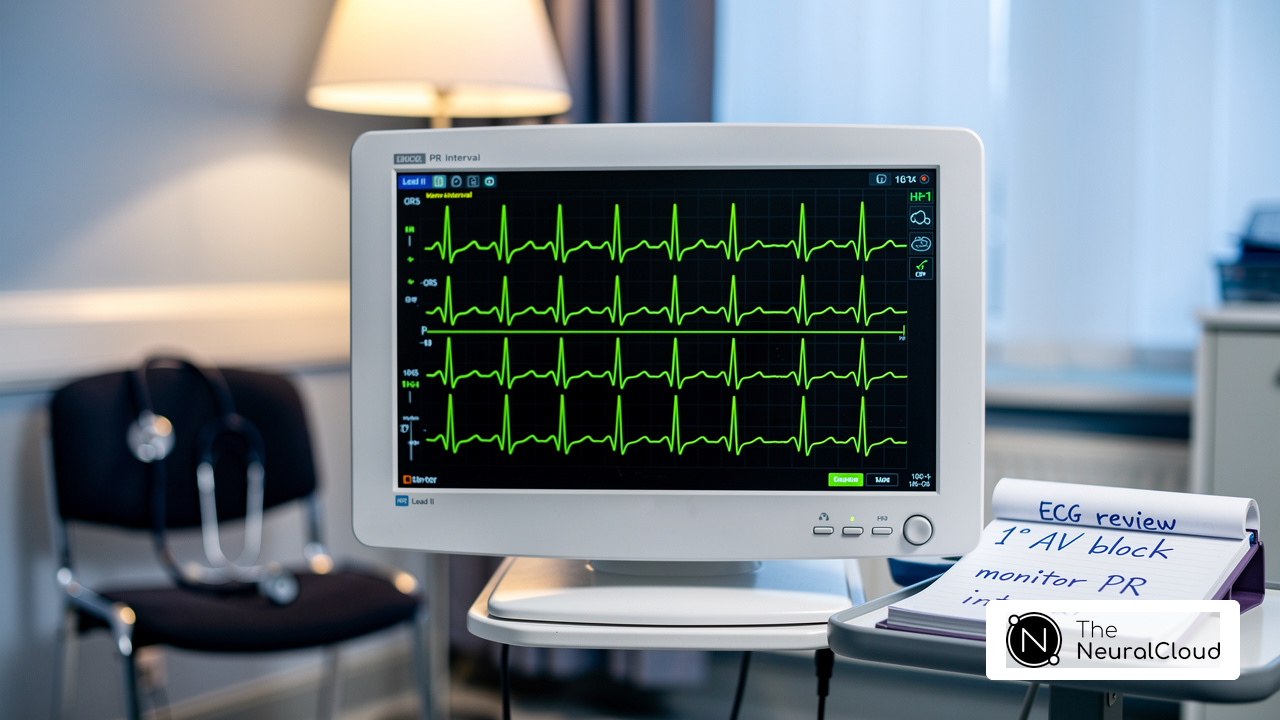
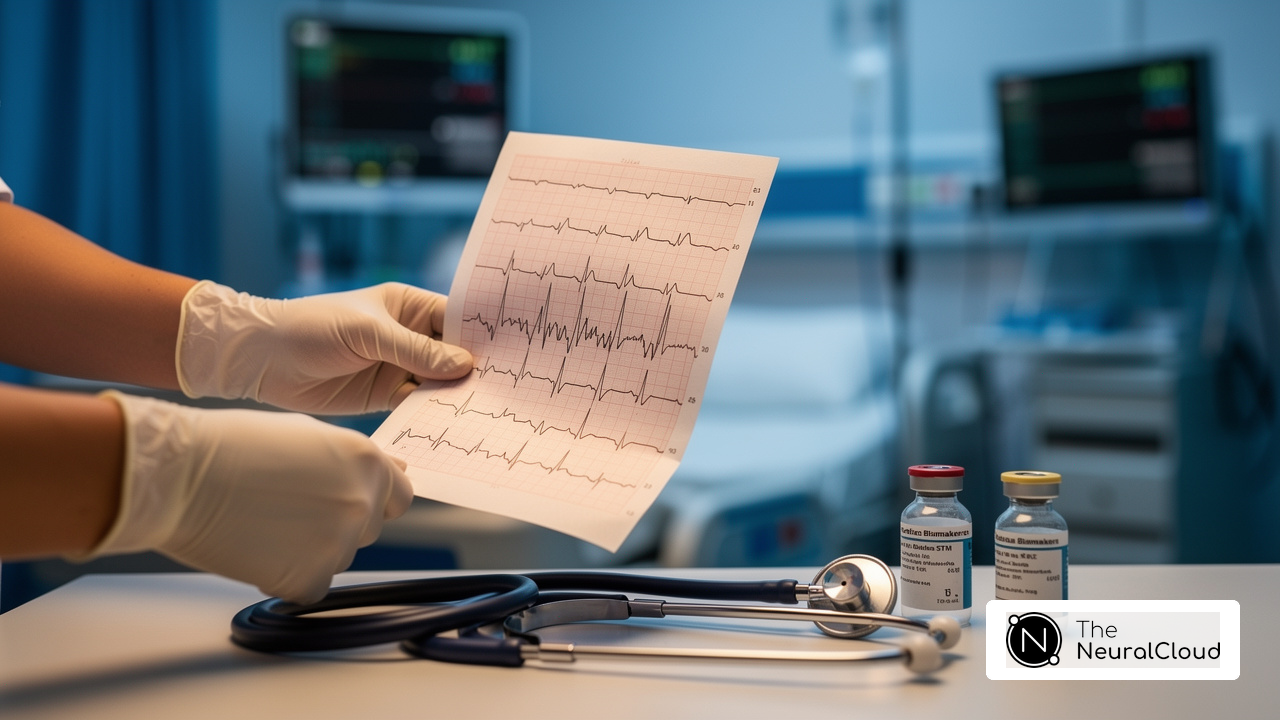
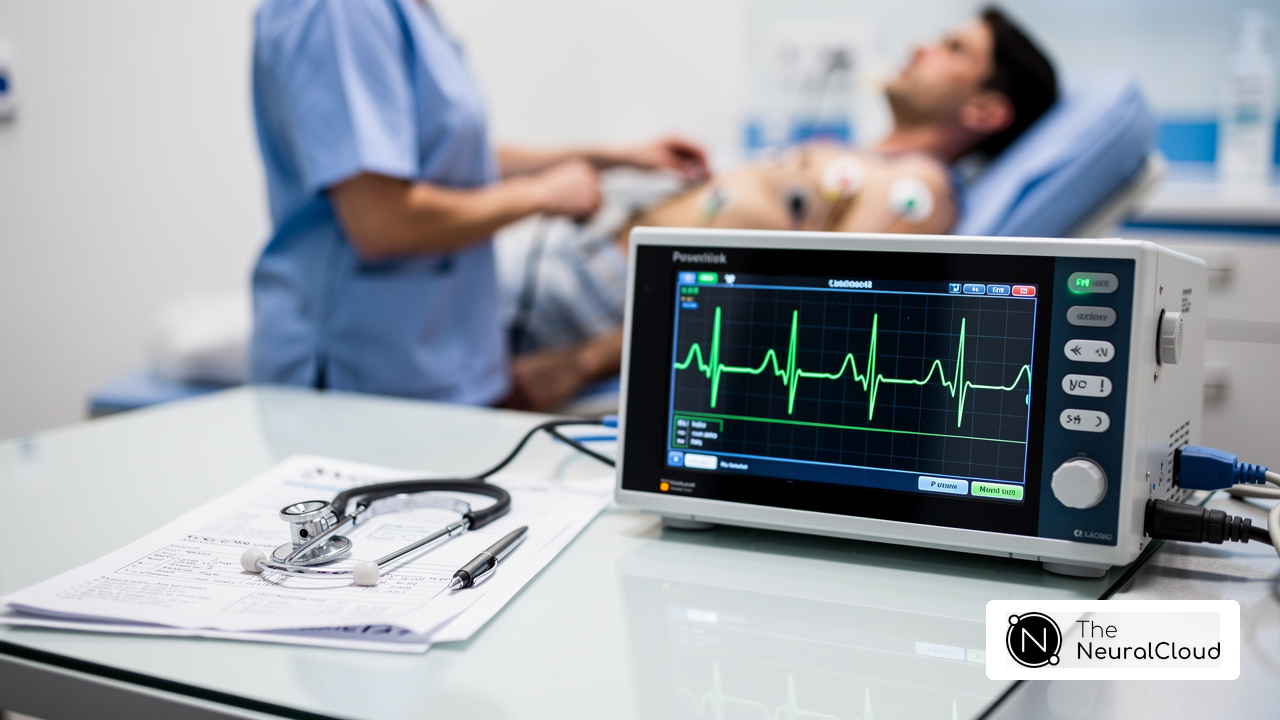
Introduction
Atrial fibrillation (AF) has become a pressing health issue, with its prevalence increasing as more individuals are diagnosed with this irregular heart rhythm. The unique characteristics of AF on an electrocardiogram (ECG) are essential for timely intervention and effective management. Misinterpretation of these signs can lead to serious complications, including strokes and heart failure.
What challenges do healthcare professionals face when identifying the signs of AF on an ECG? This article explores the defining features of AF, examines innovative technologies that enhance ECG analysis, and underscores the importance of accurate detection in improving patient outcomes.
Understanding AF's characteristics is crucial. The MaxYield™ platform offers advanced features that streamline ECG analysis, making it easier for healthcare professionals to recognize AF. By leveraging cutting-edge technology, MaxYield™ improves the accuracy of ECG readings, ultimately benefiting patient care.
In summary, accurate detection of AF is vital for preventing severe health complications. The integration of innovative tools like MaxYield™ not only enhances ECG analysis but also empowers healthcare providers to deliver better patient outcomes.
Define Atrial Fibrillation and Its Importance in ECG Analysis
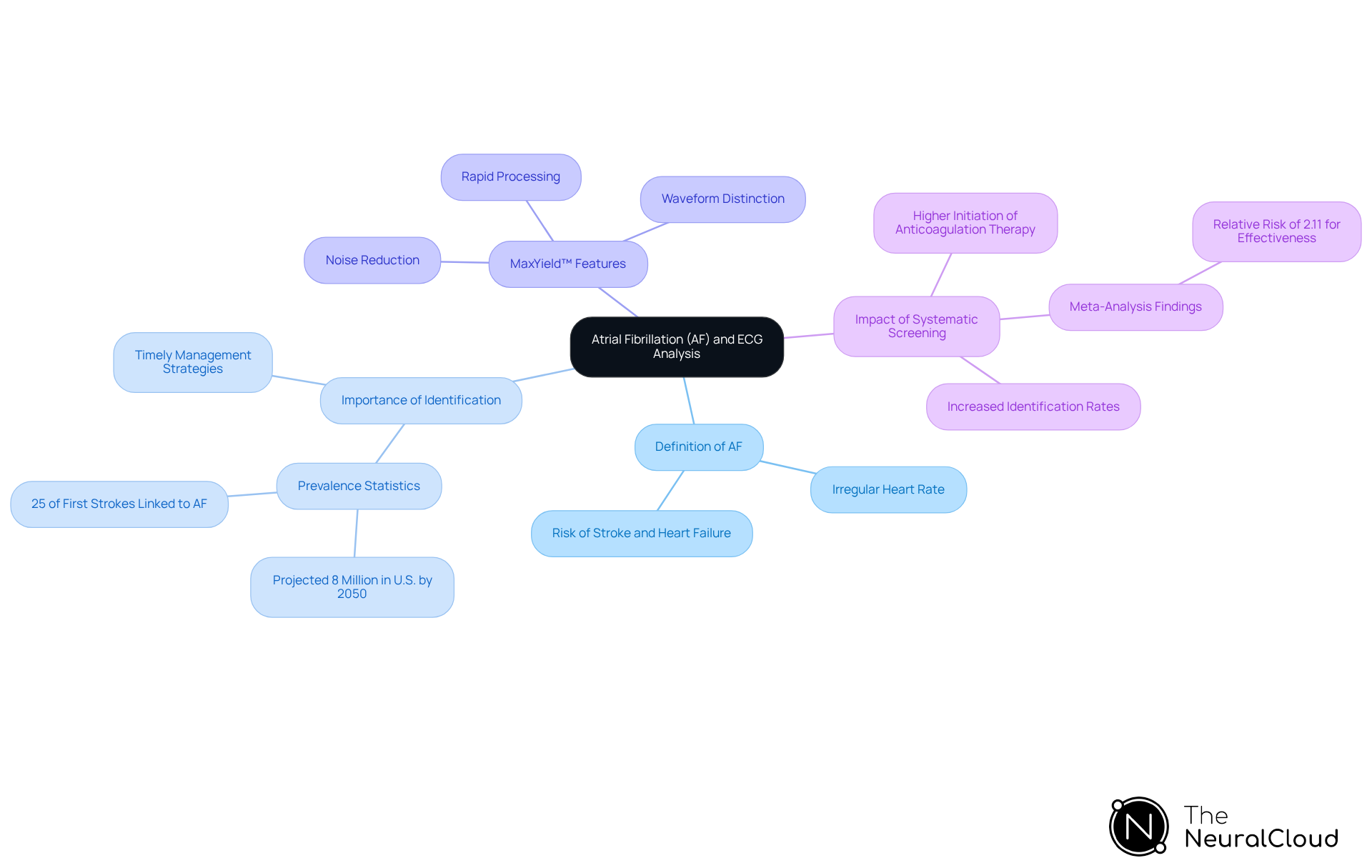
(AF) is a prevalent arrhythmia marked by an irregular and often rapid heart rate, stemming from disordered electrical signals in the atria, the heart's upper chambers. This chaotic activity can lead to ineffective atrial contractions, significantly increasing the risk of severe complications like stroke and heart failure. Therefore, recognizing atrial fibrillation is vital in clinical practice. Accurate identification through ECG analysis allows healthcare professionals to recognize AFib, enabling them to implement interventions that are crucial for minimizing adverse outcomes.
Research indicates that approximately 25% of individuals experiencing their first stroke exhibit symptoms of atrial fibrillation, underscoring the necessity for careful identification. The global prevalence of AF has risen dramatically, with estimates suggesting that by 2050, over 8 million individuals in the U.S. alone could be affected. Additionally, the lifetime risk of developing AF for those over 40 years is estimated at 25%, emphasizing the urgent need for effective screening and diagnosis.
Innovative tools like Neural Cloud Solutions' MaxYield™ enhance the clarity of ECG recordings, facilitating more accurate identification of AFib. MaxYield™ effectively maps ECG signals through noise, isolating and labeling key features in every heartbeat, including the P-wave, QRS complex, and T-wave onsets and offsets. This technology not only accelerates analysis-processing over 200,000 heartbeats in under five minutes-but also aids in distinguishing critical waveforms, such as identifying the irregular R-R interval and recognizing AFib, hallmark features of AFib.
Features of MaxYield™:
- Feature Isolation: Isolates key ECG features for clearer readings.
- Rapid Processing: Analyzes over 200,000 heartbeats in less than five minutes.
- Waveform Distinction: Identifies critical features like P waves and irregular R-R intervals.
Case studies demonstrate that MaxYield™ significantly increases identification rates and the initiation of anticoagulation therapy, ultimately improving patient outcomes. For example, a meta-analysis found that systematic screening was associated with a relative risk of 2.11 for effectiveness compared to standard care. These findings reinforce the importance of early detection in managing AF, particularly in understanding AFib, as early detection can lead to timely interventions that reduce the risks associated with this condition. Dr. Nicholas Olson, a cardiac electrophysiologist, emphasizes, "Atrial fibrillation is a serious heart condition that heightens the risk of cerebral incident." Misunderstandings about AFib often arise from not knowing its symptoms due to its variability in appearance.
Identify Key ECG Features of Atrial Fibrillation
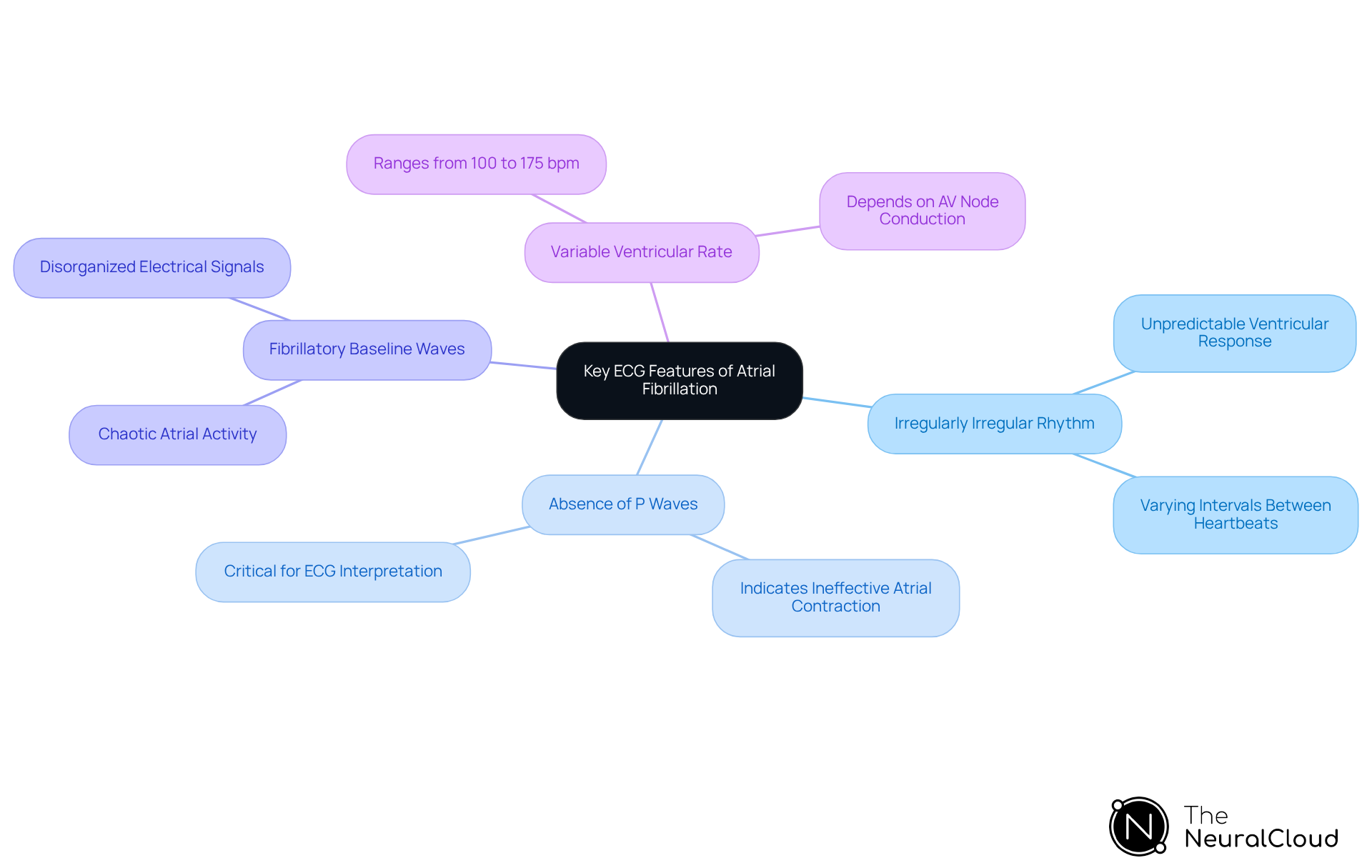
To accurately diagnose and manage atrial fibrillation (AFIB), it is essential to understand key ECG features. These features include:
- Ventricular response: The ventricular response in AFIB is unpredictable, characterized by varying intervals between heartbeats. This irregularity is a hallmark of the condition, making it crucial for healthcare providers to recognize.
- P wave absence: Unlike normal sinus rhythm, AFIB is marked by the absence of distinct P waves. This absence indicates ineffective atrial contraction, which is critical for clinicians to identify during ECG interpretation.
- Fibrillatory waves: Instead of P waves, the ECG may display fine, erratic waves that represent chaotic atrial activity. These fibrillatory waves are indicative of the disorganized electrical signals in the atria, further complicating the ECG analysis.
- Ventricular rate: The ventricular rate in AFIB can vary widely, typically ranging from 100 to 175 beats per minute. This variability often depends on conduction through the AV node and can significantly impact patient management strategies.
Identifying these characteristics is essential for healthcare providers, as early identification of AFIB, including knowing the patient's history, can result in prompt interventions that lower the chances of serious complications, such as cerebral attack and heart failure. Current guidelines emphasize the importance of regular screening, particularly in individuals aged 65 and older, to enhance detection rates and improve patient outcomes.
The MaxYield™ platform enhances ECG analysis precision by mapping ECG signals through noise, isolating and labeling key features, including onsets and offsets. This allows clinicians to navigate the complexities of atrial fibrillation, particularly regarding treatment options, with increased confidence.
Features of MaxYield™:
- Noise Mapping: Effectively filters out noise to provide clearer ECG signals.
- Feature Isolation: Accurately identifies and labels components.
- User-Friendly Interface: Designed for ease of use, facilitating quick interpretation of ECG data.
Advantages for Healthcare Professionals:
- Diagnostic enhancement: Enhances diagnostic precision, reducing the risk of misinterpretation.
- Decision support: Supports faster decision-making, leading to better patient outcomes.
- Comprehensive Analysis: Provides a holistic view of atrial fibrillation, aiding in effective management strategies.
Explore Clinical Implications and Complications of AFIB on ECG
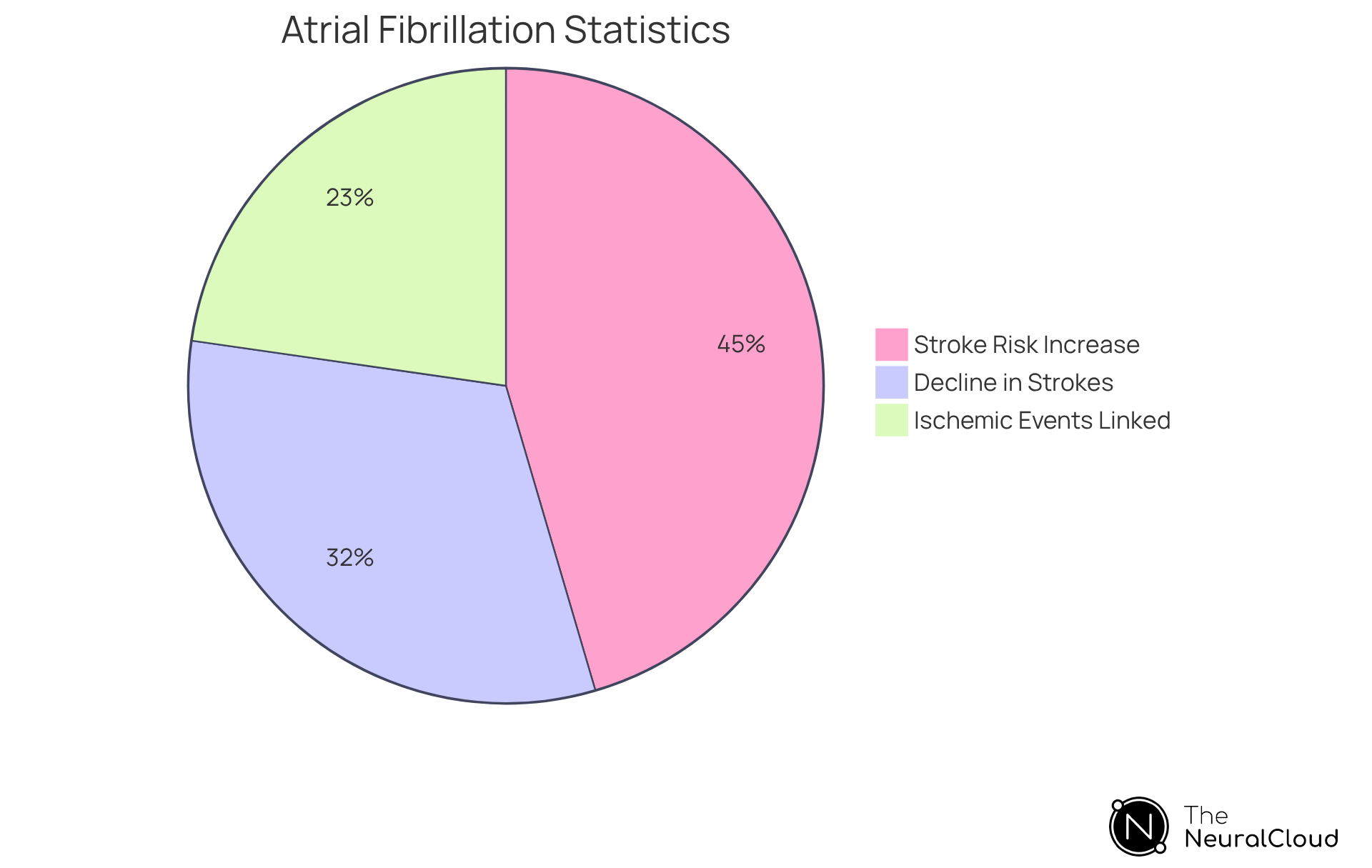
Atrial fibrillation presents significant clinical challenges, primarily due to its strong association with an increased risk of stroke and heart failure. The disordered electrical activity in the atria can lead to blood clot formation, which poses a serious risk of dislodgment and subsequent cerebral incidents. Research indicates that unmanaged atrial fibrillation is linked to a fivefold increase in the risk of stroke, underscoring the critical need for effective management. Additionally, the characteristic irregularity of atrial fibrillation can contribute to cardiomyopathy, ultimately resulting in heart failure over time.
Understanding atrial fibrillation is essential for the prevention of complications through ECG monitoring, which allows for timely interventions such as anticoagulation that significantly reduce the risk of strokes. For example, the introduction of novel oral anticoagulants (NOACs) has led to a notable decline in AF-related strokes, which fell by 35% between 2001 and 2020. Moreover, effective rate control strategies are crucial for managing symptoms and preventing complications.
The platform from Neural Cloud Solutions enhances ECG analysis through automation. This platform automates the analysis of ECG signals, employing gold standard noise filtering and sophisticated wave recognition to streamline workflows and improve the clarity of cardiac insights. By processing data rapidly and delivering beat-by-beat analysis of 200,000 heartbeats in under 5 minutes, healthcare professionals can concentrate on high-level decision-making, ultimately leading to better patient outcomes.
Understanding the clinical implications and the role of innovative ECG monitoring solutions is vital for optimizing atrial fibrillation management, especially in knowing how to mitigate associated health risks. By the end of 2020, one fourth (25%) of first-ever ischemic events had a preceding or concurrent AF diagnosis, further highlighting the importance of AF identification in preventing such occurrences. Additionally, the incidence rate of hemorrhagic events remained low, decreasing from 18 per 10,000 person-years in 2001 to 14 per 10,000 person-years in 2020, indicating the safety of anticoagulation in AF patients. As Christine Benn Christiansen noted, "Atrial fibrillation identification is important in stroke prevention, because anticoagulation is known to decrease stroke risk in the presence of AF."
Discuss Innovations in ECG Analysis for Enhanced AFIB Detection
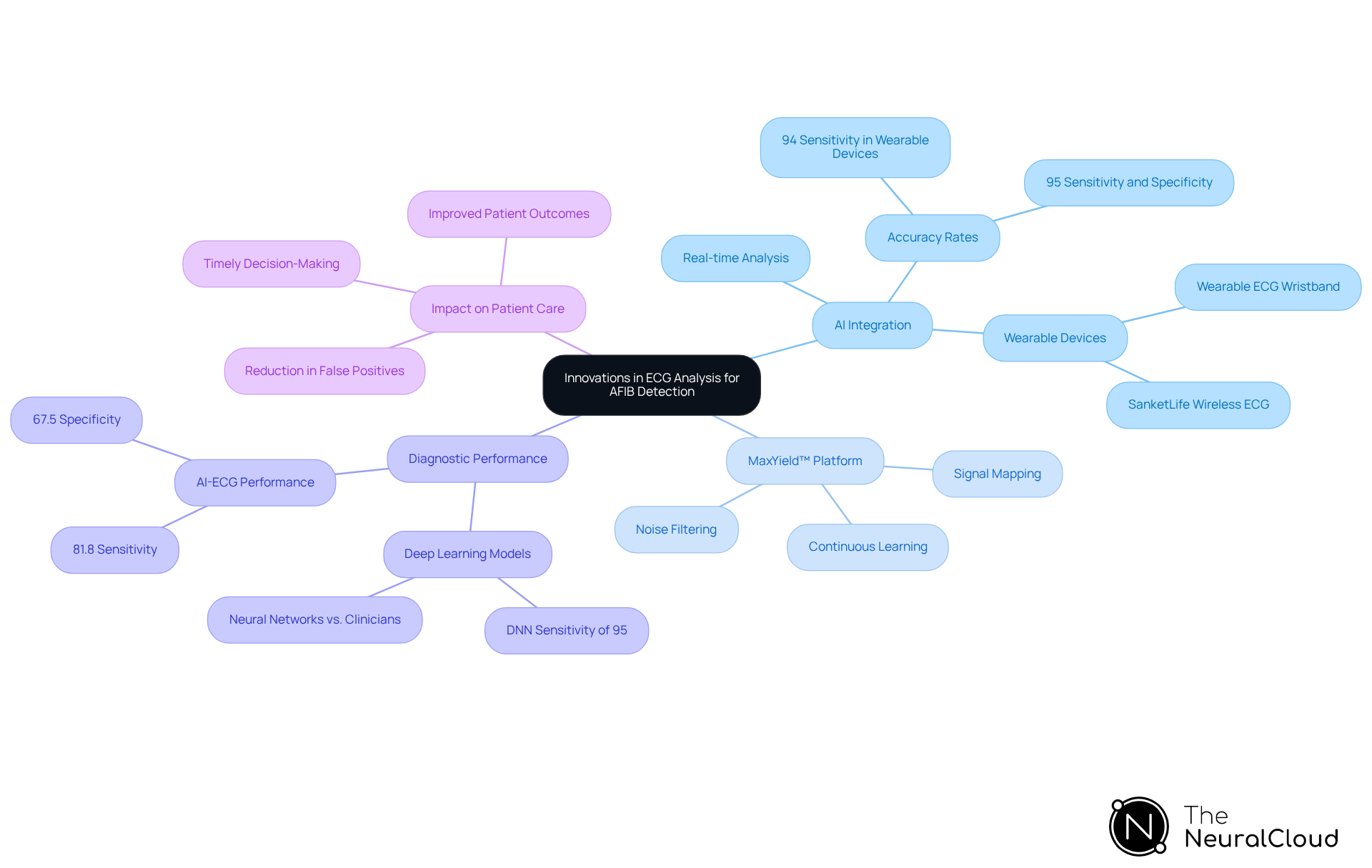
Recent advancements in ECG analysis, particularly through the integration of AI and machine learning, have addressed significant challenges in accuracy. Traditional methods often struggle with accuracy and speed, which can hinder timely patient care. However, innovations in analyzing ECG data in real-time are achieving impressive accuracy rates. For example, research shows that deep learning models can reach high levels of sensitivity for paroxysmal AF identification, often outperforming traditional methods and even surpassing cardiologists in certain cases.
The platform from Neural Cloud Solutions exemplifies these advancements by leveraging AI capabilities to automate ECG interpretation. This platform significantly enhances clarity and reliability while reducing false positives. MaxYield™ excels in mapping ECG signals through noise, effectively isolating and labeling key features in every heartbeat. This capability is crucial for accurate diagnosis, as it ensures that even recordings with high levels of noise and artifact can be salvaged for analysis. Its advanced noise filtering and adaptive algorithms allow healthcare professionals to obtain clearer insights from lengthy recordings.
These innovations streamline workflows for healthcare professionals, enabling quicker and more informed decision-making, which is essential for patient care. The continuous learning capabilities of MaxYield™ allow it to adapt to new data, enhancing diagnostic precision over time. Moreover, wearable devices combined with AI have demonstrated sensitivities exceeding 94% for real-time monitoring. Specific studies indicate an improvement in detection rates across various postures, showcasing the platform's versatility.
As AI continues to evolve, its role in transforming ECG analysis for AFib detection becomes increasingly vital. The promise of improved outcomes in cardiovascular healthcare is evident, as these technologies not only enhance diagnostic capabilities but also empower healthcare professionals to provide better patient care.
Conclusion
Understanding atrial fibrillation (AF) and its representation on an EKG is crucial for effective clinical management and patient care. Accurate identification of AF through ECG analysis is essential, and innovations like the MaxYield™ platform significantly enhance diagnostic precision. This platform recognizes key features such as:
- Irregular rhythms
- Absence of P waves
- Fibrillatory baseline waves
By leveraging these insights, healthcare professionals can implement timely interventions that greatly reduce the risk of serious complications, including stroke and heart failure.
The clinical implications of AF highlight the need for systematic screening and early detection. With the rising prevalence of AF and its association with severe health risks, utilizing advanced tools and technologies is paramount. The integration of AI and machine learning in ECG analysis not only improves accuracy but also streamlines workflows. This allows for faster decision-making and ultimately leads to better patient outcomes.
As the landscape of atrial fibrillation detection evolves, embracing innovations like the MaxYield™ platform is essential for optimizing healthcare delivery. By prioritizing the understanding and identification of AF through ECG, healthcare providers can significantly impact patient health. This proactive approach helps in reducing the burden of this prevalent arrhythmia. The call to action is clear: investing in advanced ECG technologies and enhancing awareness of AF characteristics will pave the way for improved management strategies and better health outcomes in the future.
Frequently Asked Questions
What is atrial fibrillation (AF)?
Atrial fibrillation is a prevalent arrhythmia characterized by an irregular and often rapid heart rate, caused by disordered electrical signals in the atria, the heart's upper chambers.
Why is recognizing atrial fibrillation important in ECG analysis?
Recognizing atrial fibrillation is crucial because it can lead to ineffective atrial contractions, significantly increasing the risk of severe complications such as stroke and heart failure. Accurate identification through ECG analysis allows for timely management strategies to minimize adverse outcomes.
What is the significance of atrial fibrillation in relation to stroke?
Research indicates that approximately 25% of individuals experiencing their first stroke exhibit symptoms of atrial fibrillation, highlighting the necessity for careful identification and screening.
What is the projected prevalence of atrial fibrillation in the U.S. by 2050?
Estimates suggest that by 2050, over 8 million individuals in the U.S. could be affected by atrial fibrillation.
What is the lifetime risk of developing atrial fibrillation for individuals over 40 years old?
The lifetime risk of developing atrial fibrillation for those over 40 years is estimated at 25%.
How does the MaxYield™ platform enhance ECG analysis for atrial fibrillation?
The MaxYield™ platform enhances ECG analysis by improving the clarity of ECG recordings, facilitating more accurate identification of atrial fibrillation patterns through noise reduction, rapid processing, and waveform distinction.
What are the key features of the MaxYield™ platform?
Key features of MaxYield™ include noise reduction for clearer ECG readings, the ability to analyze over 200,000 heartbeats in less than five minutes, and the identification of critical features like P waves and irregular R-R intervals.
What impact does systematic screening for atrial fibrillation have on patient outcomes?
Systematic screening for atrial fibrillation significantly increases identification rates and the initiation of anticoagulation therapy, ultimately improving patient outcomes, with a meta-analysis showing a relative risk of 2.11 for effectiveness compared to standard care.
What challenges exist in recognizing atrial fibrillation?
Misunderstandings about atrial fibrillation often arise from not knowing what atrial fibrillation ECG looks like due to its variability in appearance.
List of Sources
- Define Atrial Fibrillation and Its Importance in ECG Analysis
- clinicaladvisor.com (https://clinicaladvisor.com/news/how-accurate-is-ai-at-diagnosing-atrial-fibrillation-via-ecgs)
- pmc.ncbi.nlm.nih.gov (https://pmc.ncbi.nlm.nih.gov/articles/PMC10866942)
- The Global Impact of Atrial Fibrillation (https://aerjournal.com/articles/global-impact-atrial-fibrillation?language_content_entity=en)
- theneuralcloud.com (https://theneuralcloud.com/post/what-does-afib-look-like-on-an-ekg-key-features-explained)
- jamanetwork.com (https://jamanetwork.com/journals/jamanetworkopen/fullarticle/2801355)
- Identify Key ECG Features of Atrial Fibrillation
- pmc.ncbi.nlm.nih.gov (https://pmc.ncbi.nlm.nih.gov/articles/PMC10866942)
- jamanetwork.com (https://jamanetwork.com/journals/jamanetworkopen/fullarticle/2801355)
- theneuralcloud.com (https://theneuralcloud.com/post/understanding-atrial-fibrillation-on-ecg-key-features-and-diagnosis)
- Atrial Fibrillation (https://litfl.com/atrial-fibrillation-ecg-library)
- Heart Rhythm 2025 Features Advances in AI that Enhance Safety of Atrial Fibrillation Treatment - HRS (https://hrsonline.org/news/hr2025-features-advanced-ai-safety-afib-treatment)
- Explore Clinical Implications and Complications of AFIB on ECG
- New AFib diagnosis? Here’s some help to clear any confusion (https://heart.org/en/news/2025/09/23/new-afib-diagnosis-heres-some-help-to-clear-any-confusion)
- thehealthinnovationnetwork.co.uk (https://thehealthinnovationnetwork.co.uk/case_studies/supporting-the-detection-of-atrial-fibrillation-and-optimising-treatment)
- thelancet.com (https://thelancet.com/journals/lanepe/article/PIIS2666-7762(23)00014-5/fulltext)
- academic.oup.com (https://academic.oup.com/europace/article/18/11/1689/2437498)
- webmd.com (https://webmd.com/heart-disease/atrial-fibrillation/news/20251118/3-new-findings-on-afib-and-what-they-mean)
- Discuss Innovations in ECG Analysis for Enhanced AFIB Detection
- Checking your browser - reCAPTCHA (https://pmc.ncbi.nlm.nih.gov/articles/PMC12287477)
- Investigating the Efficacy of AI-Powered Innovations in ECG Analysis and Continuous Heart Monitoring: A Comprehensive Narrative Review - PMC (https://pmc.ncbi.nlm.nih.gov/articles/PMC12419789)
- pmc.ncbi.nlm.nih.gov (https://pmc.ncbi.nlm.nih.gov/articles/PMC12227326)